Offer ends October 18.
This is some text inside of a div block.
Restart a Heart BLS Sale
RESTART99
Copy code

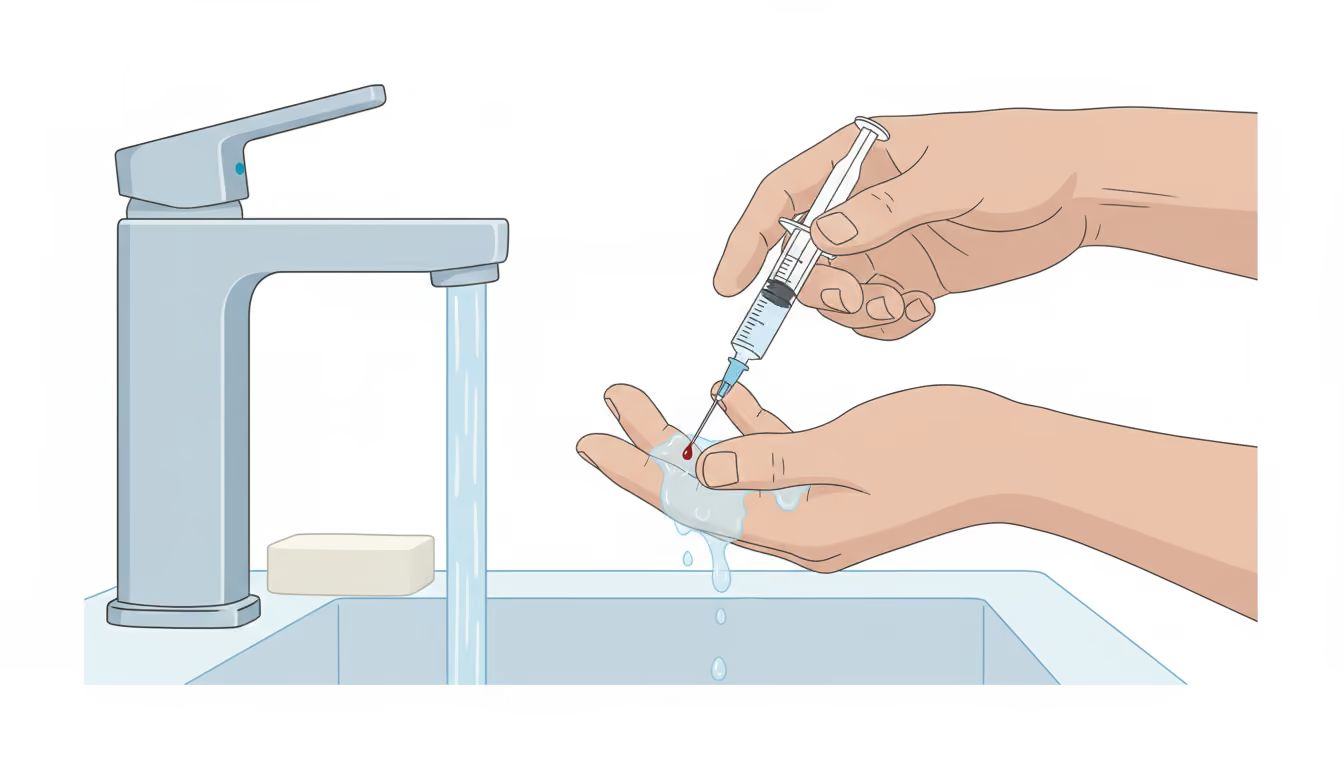
Needlestick injury refers to a puncture wound caused by a needle or similar sharp object, potentially leading to contact with blood or other bodily fluids. The primary concern is the risk of being exposed to infectious diseases carried by another person. The most concerning pathogens include the human immunodeficiency virus (HIV), hepatitis B virus (HBV), and hepatitis C virus (HCV). If you experience such an incident, it's crucial to take the following actions:- Clean needlesticks and cuts using soap and water.- Rinse any splashes on the nose, mouth, or skin with water.- For splashes in the eyes, rinse thoroughly with clean water, saline, or sterile irrigants.- If the injury happens at work, inform your supervisor about the incident.- Promptly seek medical attention.These guidelines align with the recommendations from the Centers for Disease Control and Prevention (CDC).
Our technology delivers immediate, actionable feedback that refines your skills in real time.
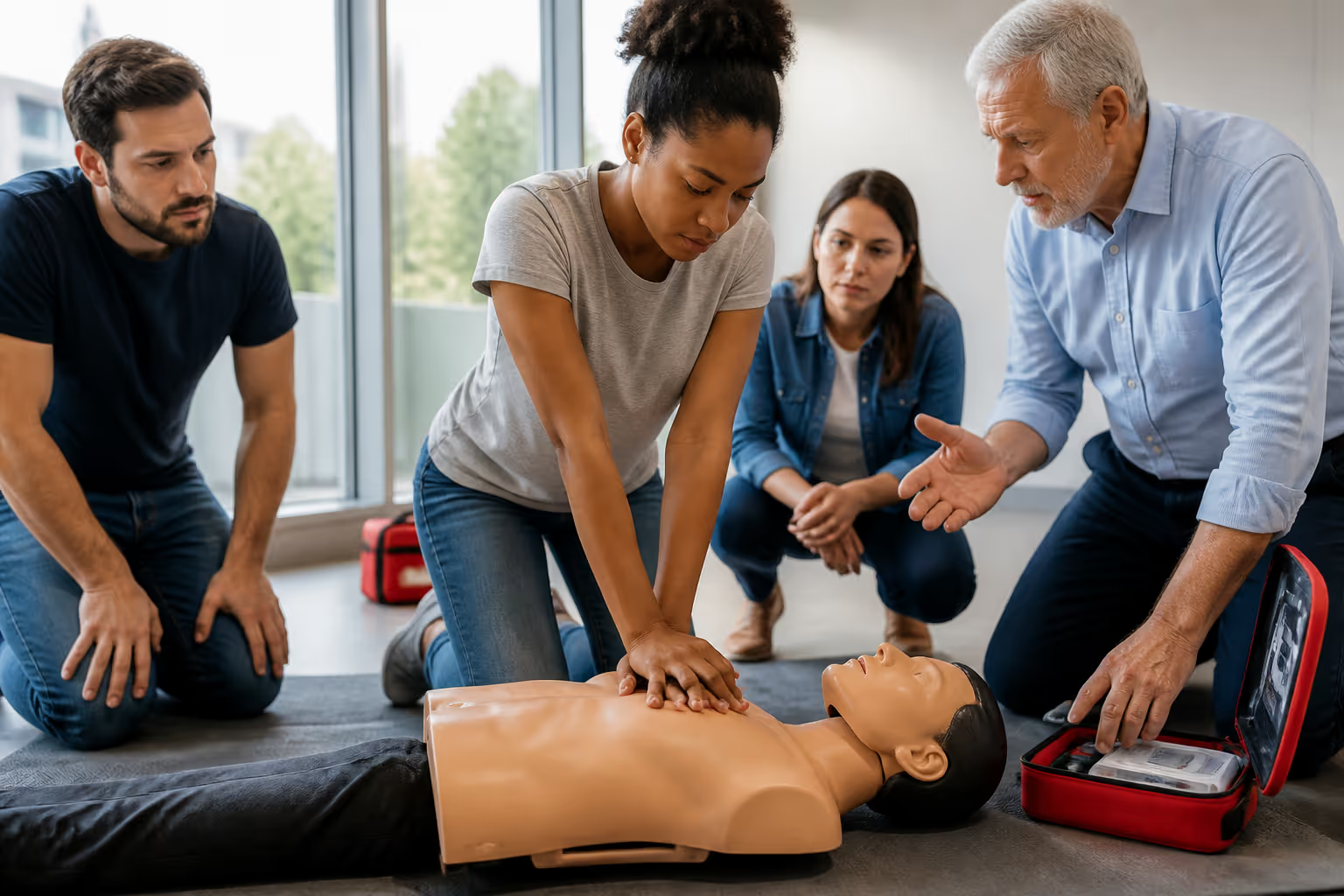
Understand how to safely and effectively operate an Automated External Defibrillator (AED) for adults, children, and infants.
Learn how to perform the Heimlich maneuver and clear airway obstructions caused by choking in both adults and infants.
Gain experience working as part of a team when more than one rescuer is available during an emergency.
Receive your AHA CPR Certification E-Card on the same day you complete the class and pass the exam.

CPR Certification Labs provides professional CPR and emergency training courses based on recognized industry standards.