Houston AED response after a Marshall Middle School tragedy
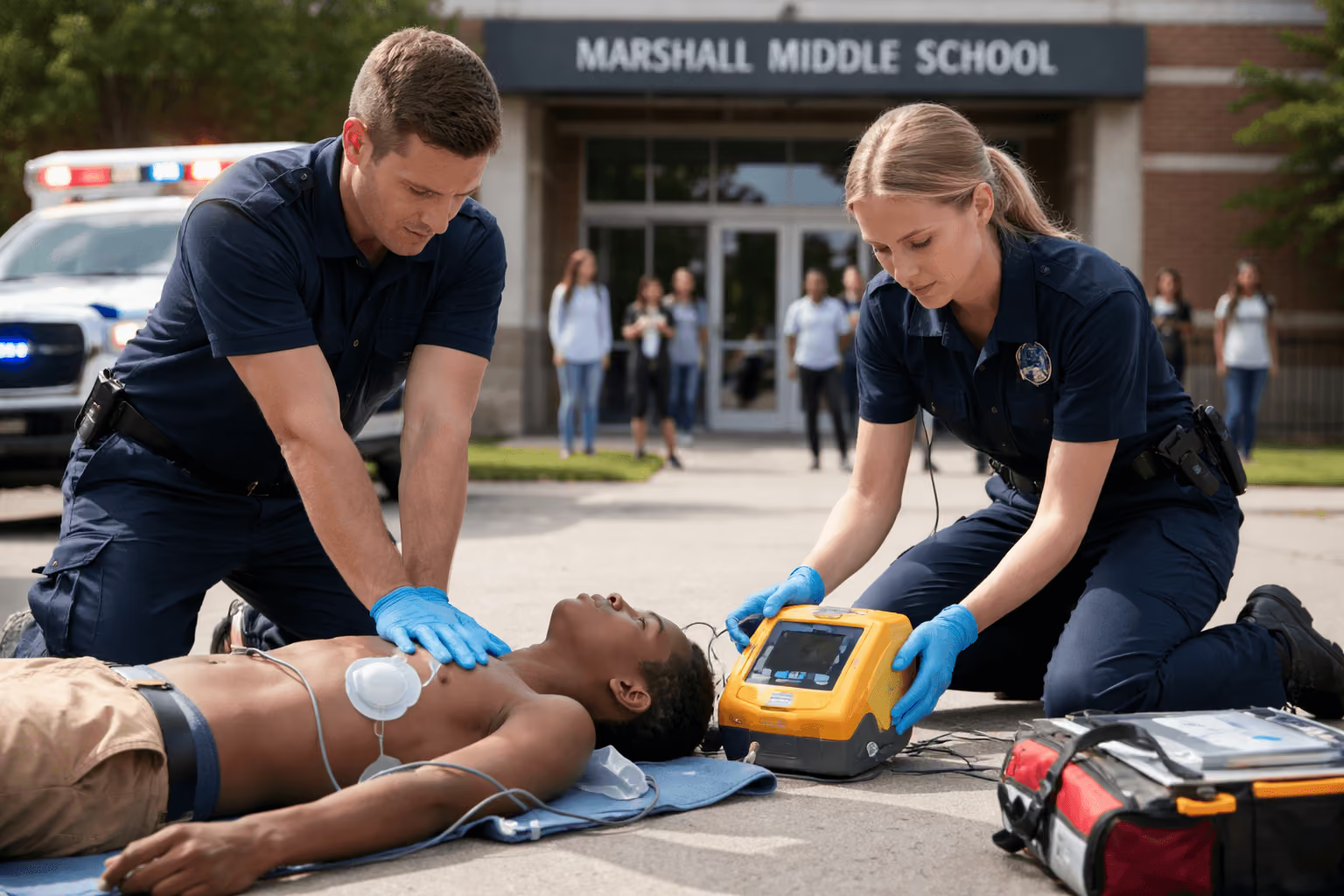
The conversation around Houston AED response has become more urgent after the death of a Marshall Middle School student and the unanswered questions that followed. When a child collapses during the school day, every minute matters, and the readiness of CPR-trained staff and a working AED can shape the outcome of an emergency.
In Houston, parents, teachers, and school leaders are paying closer attention to how campuses prepare for sudden cardiac arrest and other medical events. This case has reminded the community that emergency response planning is not just a policy issue; it is a life-safety issue that affects students, staff, and visitors every day.
What happened and why it matters
According to reporting on the case, the family of a 14-year-old Marshall Middle School student is still asking for clear answers about the medical response after he collapsed on campus during P.E. class. Their concerns include whether staff members involved in the response had the right training, whether the AED near the scene worked, and how quickly the school activated its emergency plan.
For families in Houston, this is a sobering reminder that schools need more than written procedures. They need reliable equipment, frequent checks, and people who know how to respond under pressure. In a cardiac emergency, the difference between confusion and coordinated action can be critical.
Houston AED response, CPR, and emergency readiness
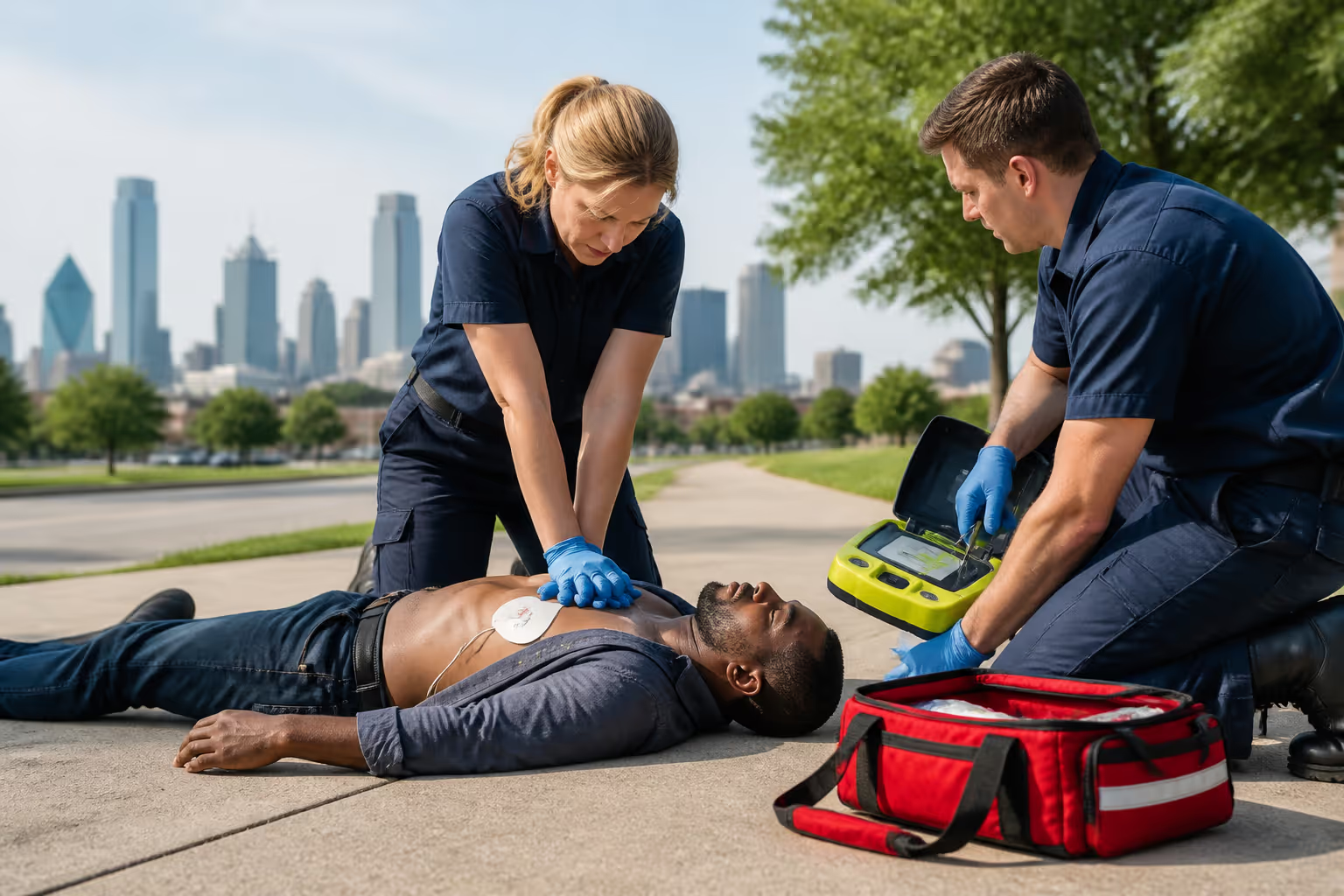
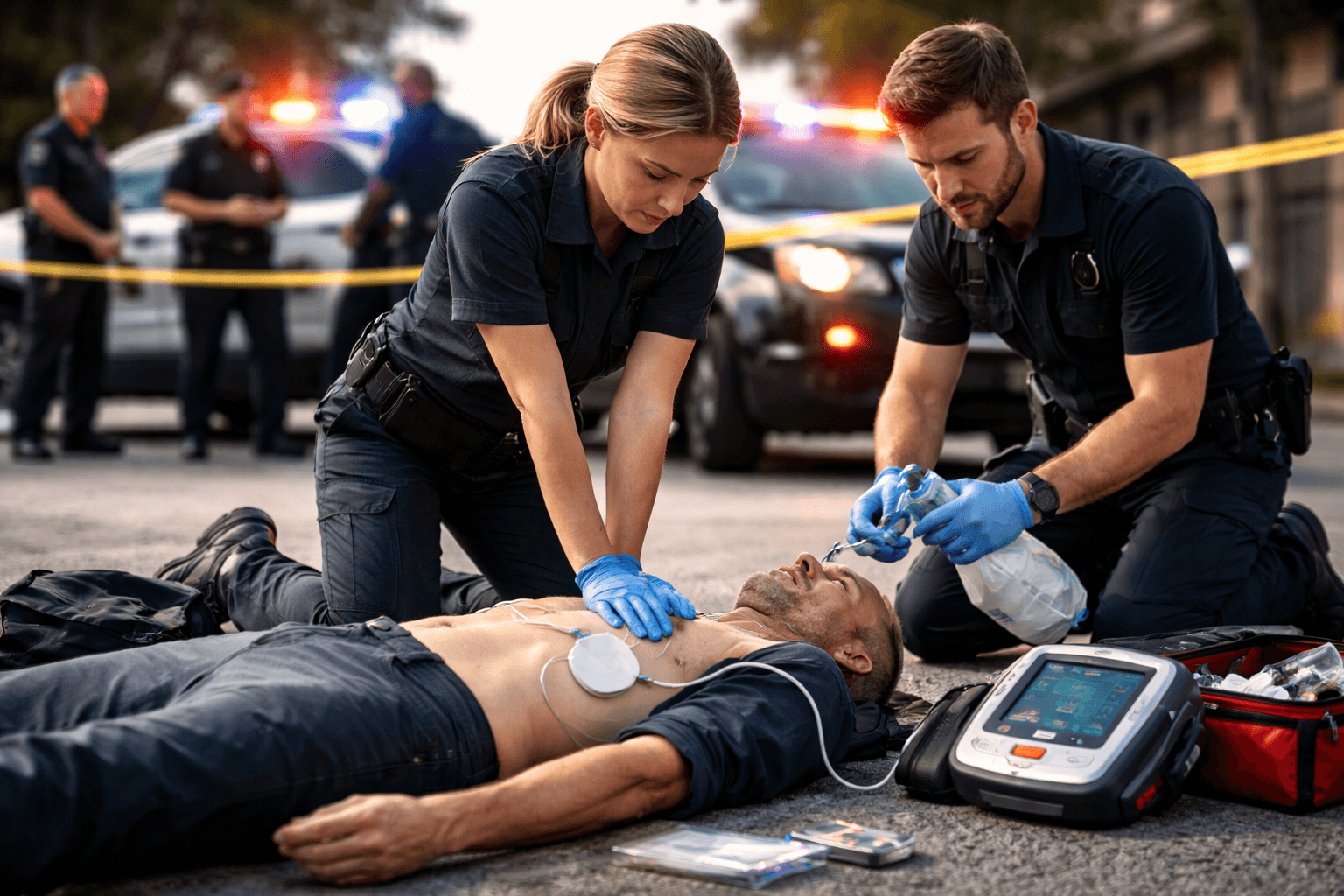
AEDs are designed to help restore a normal heart rhythm during certain sudden cardiac events. They are used alongside CPR, not instead of it. Strong emergency response means staff recognize an emergency, call for help, begin CPR if needed, and bring an AED to the patient as quickly as possible.
Texas schools are required to have working AEDs and personnel trained to use them. That requirement reflects a simple truth: medical emergencies can happen anywhere, including in gyms, hallways, cafeterias, and athletic spaces. Even when a school has the proper equipment, the response still depends on preparation, clear roles, and regular maintenance.
One important lesson for the Houston community is that equipment checks matter. AED batteries, pads, and status indicators should be monitored routinely. CPR training should also be renewed so staff can act with confidence when time is short. A strong first aid plan includes communication, emergency access, and a clear path for calling 911 without delay.
This article is for general educational purposes only and is not a substitute for professional medical advice, diagnosis, treatment, or certified CPR training. In an emergency, call 911 immediately.
Who should pay attention to this issue
This topic matters to school administrators, teachers, coaches, nurses, volunteers, parents, and campus safety teams. It also matters to anyone responsible for a public or private setting where children gather. If you manage a school or work near students, you should know where the AED is kept, who is trained to use it, and how your emergency response chain works.
Healthcare professionals and workplace safety leaders can also take this as a reminder to review CPR readiness beyond hospital settings. A medical emergency does not wait for the right schedule, staffing level, or location. Prepared people are often the first line of help before EMS arrives.
Why CPR and AED training should be current
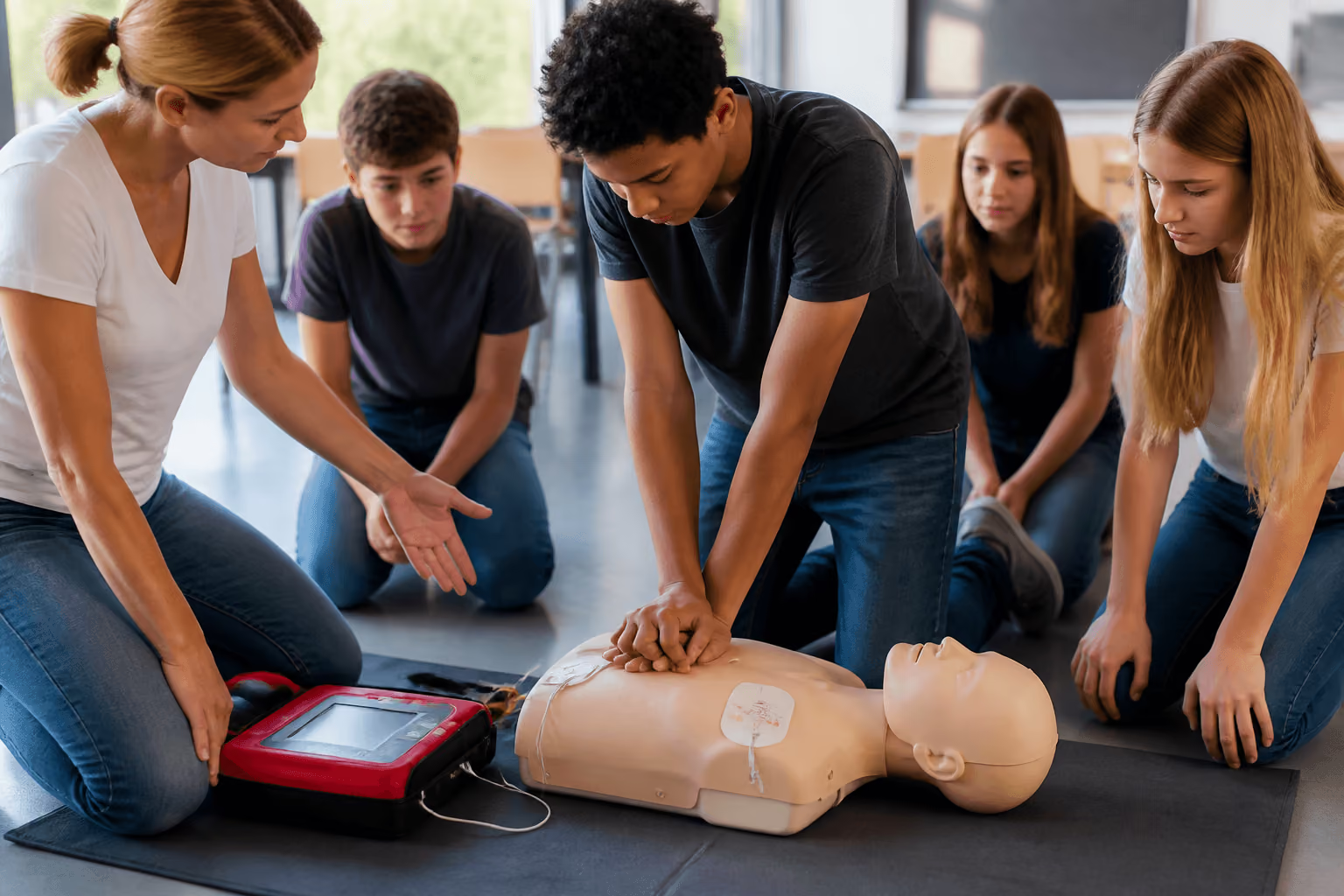
Training works best when it is current and practical. Staff should know how to identify signs of collapse, when to start CPR, how to use an AED, and how to keep bystanders clear. That kind of readiness is especially important in schools, where emergency events can unfold in crowded or noisy spaces.
CPR and AED education also help reduce hesitation. People who have practiced the steps are more likely to act quickly, follow instructions from dispatchers, and work as a team until paramedics arrive. In a true emergency, those seconds matter.
Benefits of choosing CPR Certification Labs in Houston
CPR Certification Labs helps Houston-area professionals build confidence through clear, practical training in CPR, BLS, ACLS, first aid, and AED use. Our approach is designed for healthcare workers and other professionals who need straightforward instruction that supports real-world response.
If you want local training support, visit our North Houston office. The office serves the Houston area and offers convenient access for people who want to strengthen their emergency response skills, review AED use, or refresh workplace readiness.
We focus on helping learners understand how to respond effectively, communicate clearly, and prepare for urgent situations. That includes practical CPR steps, AED awareness, and first aid basics that can support a faster, more organized response in schools, clinics, offices, and community settings.
Nearby relevance for Houston families and schools
Houston has many busy campuses, athletic spaces, and community facilities where emergency preparedness should be taken seriously. Families expect schools to have functioning equipment and trained staff, and that expectation is reasonable. Local readiness is not only about compliance; it is about trust.
When a school emergency becomes public, nearby neighborhoods feel it too. Parents ask questions, staff review procedures, and leaders are pushed to examine whether policies match practice. That is why regular AED checks, CPR refreshers, and clear emergency communication should be part of every campus safety plan.
Moving forward with better emergency response
The questions raised by the Marshall Middle School case show why schools and organizations should review their response plans before an emergency occurs. A solid plan includes functioning AEDs, trained staff, reliable first aid supplies, and a clear process for calling 911 and meeting EMS at the door.
If your school, office, or organization wants to strengthen preparedness, CPR Certification Labs can help you review the basics and build confidence in emergency response. Training is one practical step toward safer campuses and faster action when it matters most.
For local training and scheduling information, contact CPR Certification Labs North Houston at (346) 353 2291 or email houstonnorth@cprcertificationlabs.com.