Offer ends October 18.
This is some text inside of a div block.
Restart a Heart BLS Sale
RESTART99
Copy code


Trench fever, also known as shin bone fever, is named for its characteristic symptoms of fever and leg pain. This illness is transmitted by body lice and was first identified during World War I, affecting over a million individuals in Russia and on European battlefronts. It re-emerged as a significant issue for the military during World War II and continues to be found in regions like Mexico, Africa, Eastern Europe, and other areas. In urban settings, trench fever is common among homeless populations and has been documented in outbreaks in cities such as Seattle, Baltimore (among injection drug users), Marseilles, and Burundi.The disease is caused by the bacterium Bartonella quintana, or Rochalimaea quintana, which thrives in the digestive system of body lice. Humans can become infected by scratching louse feces into broken skin or the eyes. Trench fever typically presents as a five-day fever, with sudden onset of high fever, intense headache, leg pain, and a transient rash. Recovery can take over a month, and relapses are frequent.The bacterium B. quintana is also linked to bacillary angiomatosis in individuals with compromised immune systems and can cause infections of the heart and major blood vessels, leading to bloodstream infections. Trench fever is also referred to as Wolhynia fever, quintan fever, five-day fever, Meuse fever, His' disease, and His-Werner disease.
Our technology delivers immediate, actionable feedback that refines your skills in real time.
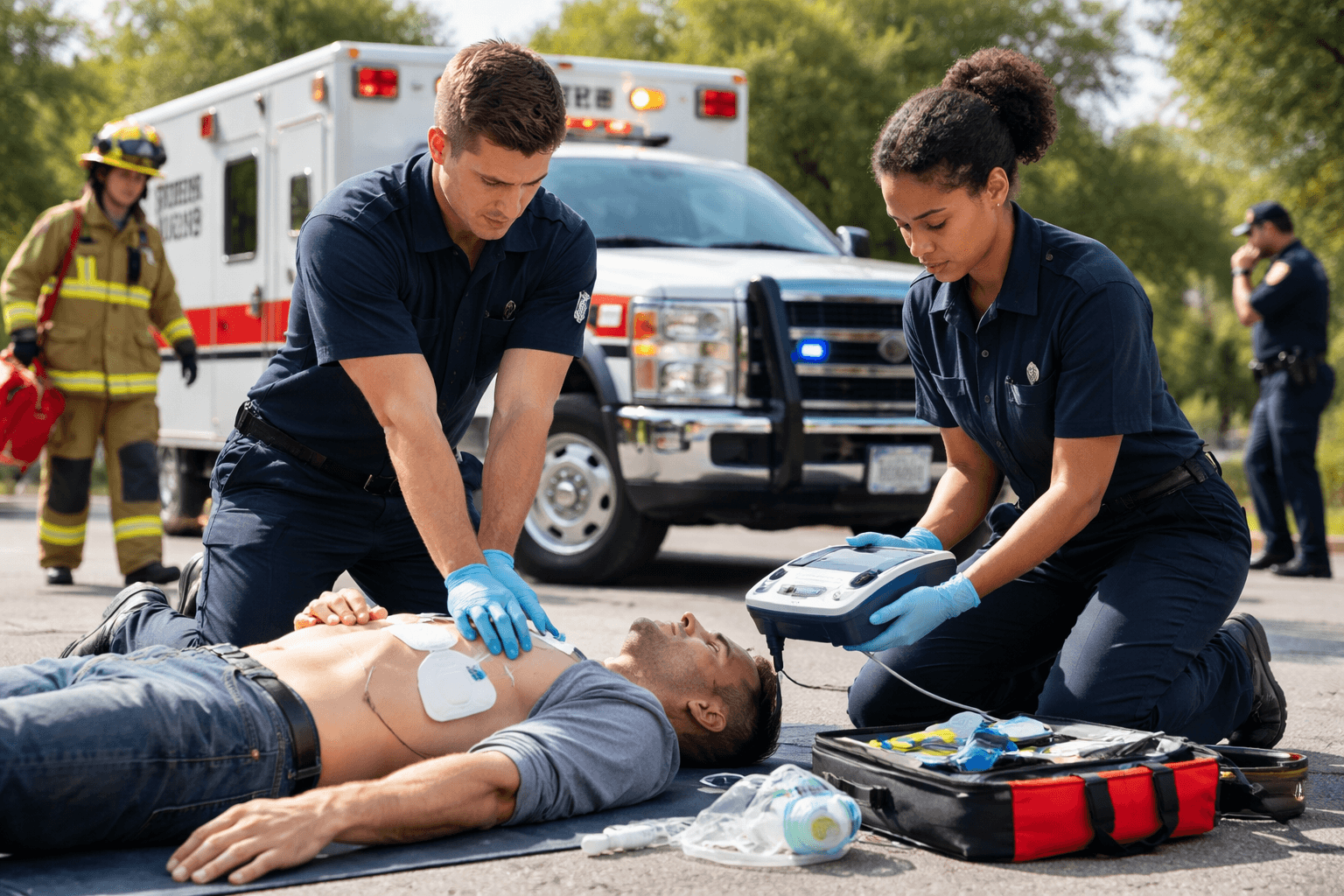
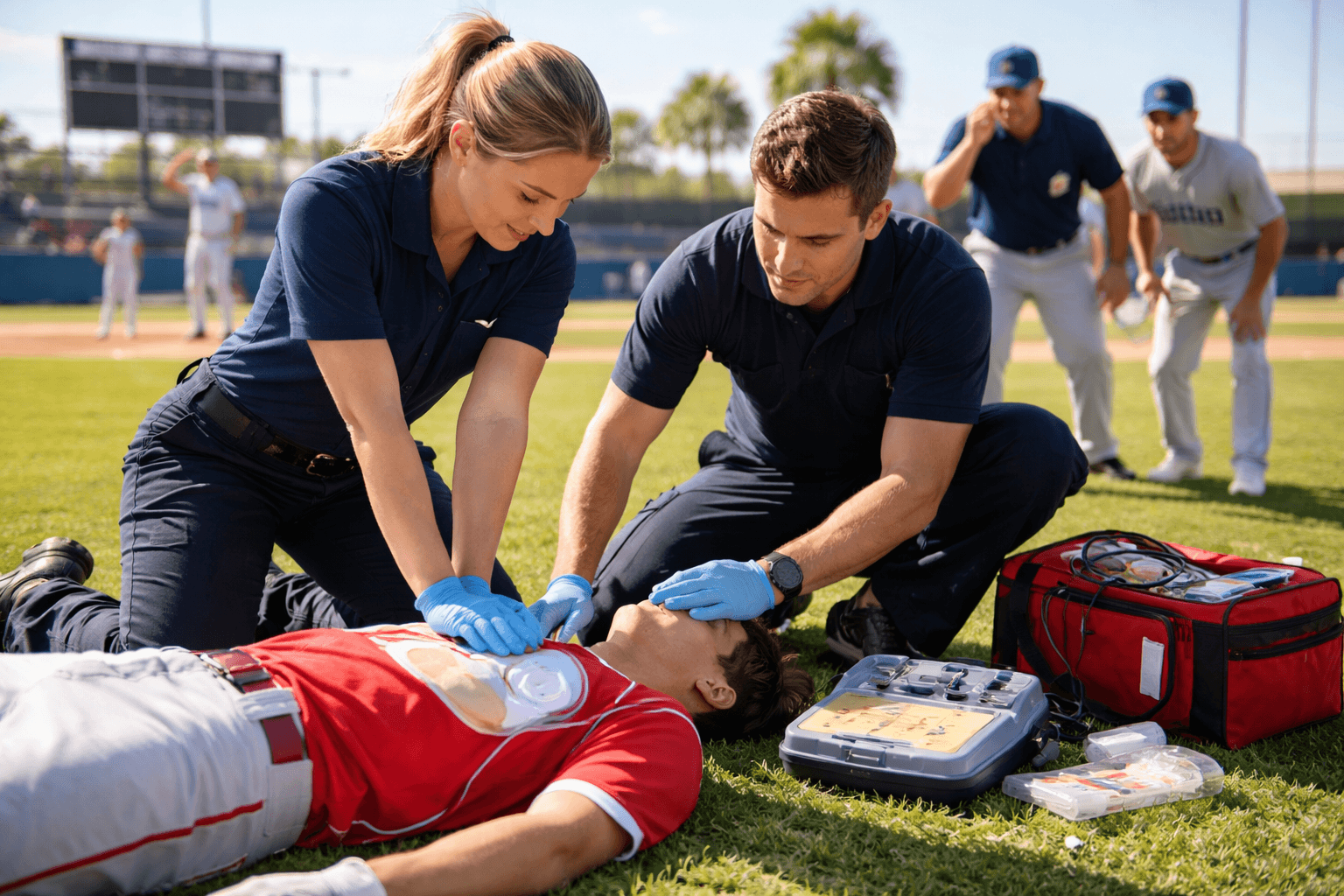
Understand how to safely and effectively operate an Automated External Defibrillator (AED) for adults, children, and infants.
Learn how to perform the Heimlich maneuver and clear airway obstructions caused by choking in both adults and infants.
Gain experience working as part of a team when more than one rescuer is available during an emergency.
Receive your AHA CPR Certification E-Card on the same day you complete the class and pass the exam.

CPR Certification Labs provides professional CPR and emergency training courses based on recognized industry standards.