Offer ends October 18.
This is some text inside of a div block.
Restart a Heart BLS Sale
RESTART99
Copy code

Absolute Neutrophil Count (ANC):The ANC represents the actual number of white blood cells (WBCs) that are neutrophils. This count is not measured directly but is calculated by multiplying the WBC count by the percentage of neutrophils in the differential count. Neutrophils include both segmented (fully mature) and band (almost mature) forms. The normal ANC range is from 1.5 to 8.0 (equivalent to 1,500 to 8,000/mm³).Example of ANC calculation:- WBC count: 6,000 cells/mm³- Segmented neutrophils: 30%- Band neutrophils: 3%- Total neutrophils (segmented + bands): 33%- ANC: 33% of 6,000 = 2,000/mm³- By convention, an ANC of 2,000/mm³ is expressed as 2.0- Normal range: 1.5 to 8.0 (1,500 to 8,000/mm³)- Interpretation: NormalNeutrophils play a crucial role in the body's defense against infections. A lack or low level of neutrophils, a condition known as neutropenia, increases susceptibility to infections. Following chemotherapy, radiation therapy, or blood or marrow transplants, the ANC typically decreases and then gradually improves, indicating recovery as new blood cells form and mature.Clinically, an ANC of 1.5 or higher is considered normal. An ANC between 500 and 1,500 is deemed "safe," while an ANC below 500 is considered low. A safe ANC allows patients to maintain normal activity levels without restrictions based on ANC values.
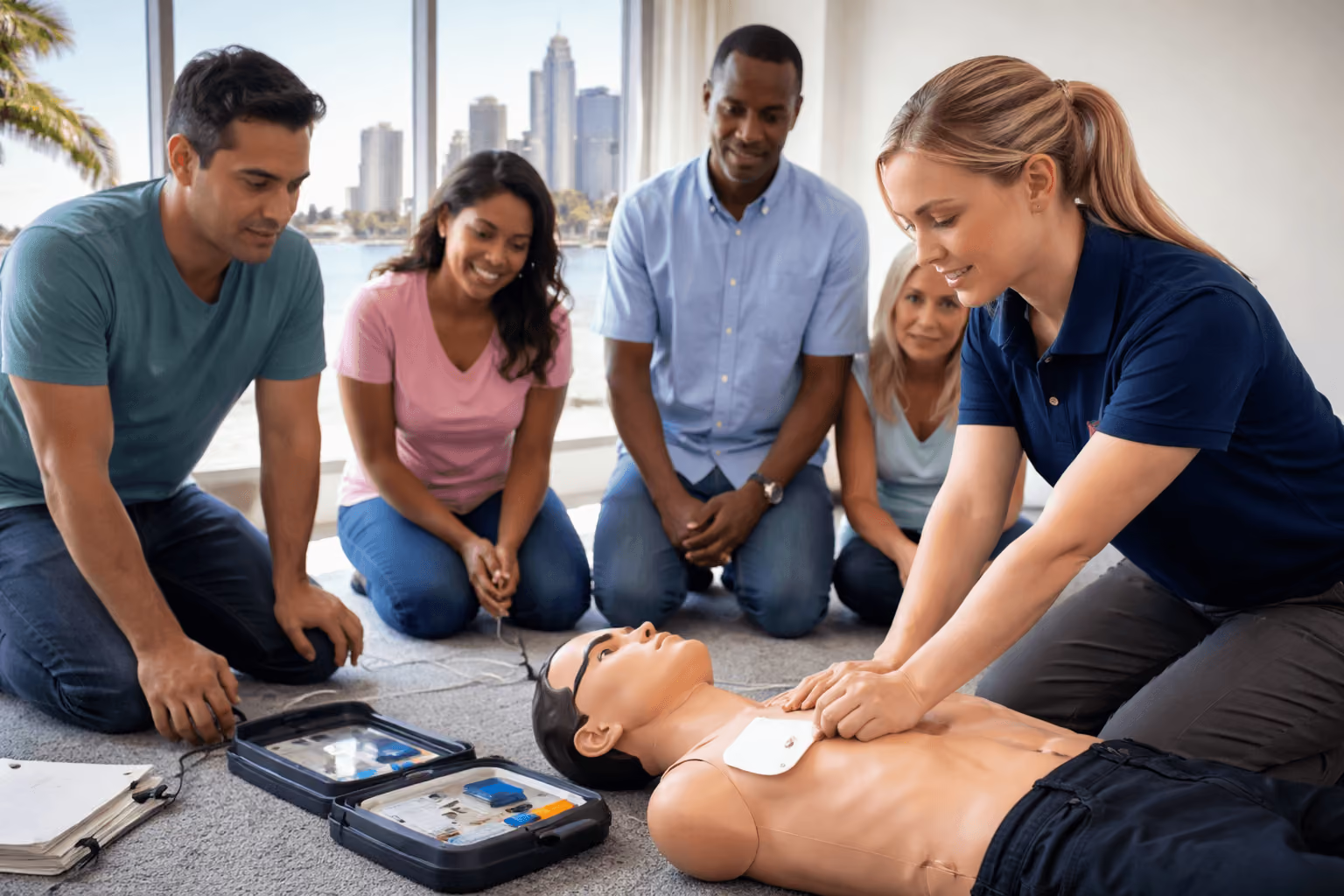
Our technology delivers immediate, actionable feedback that refines your skills in real time.
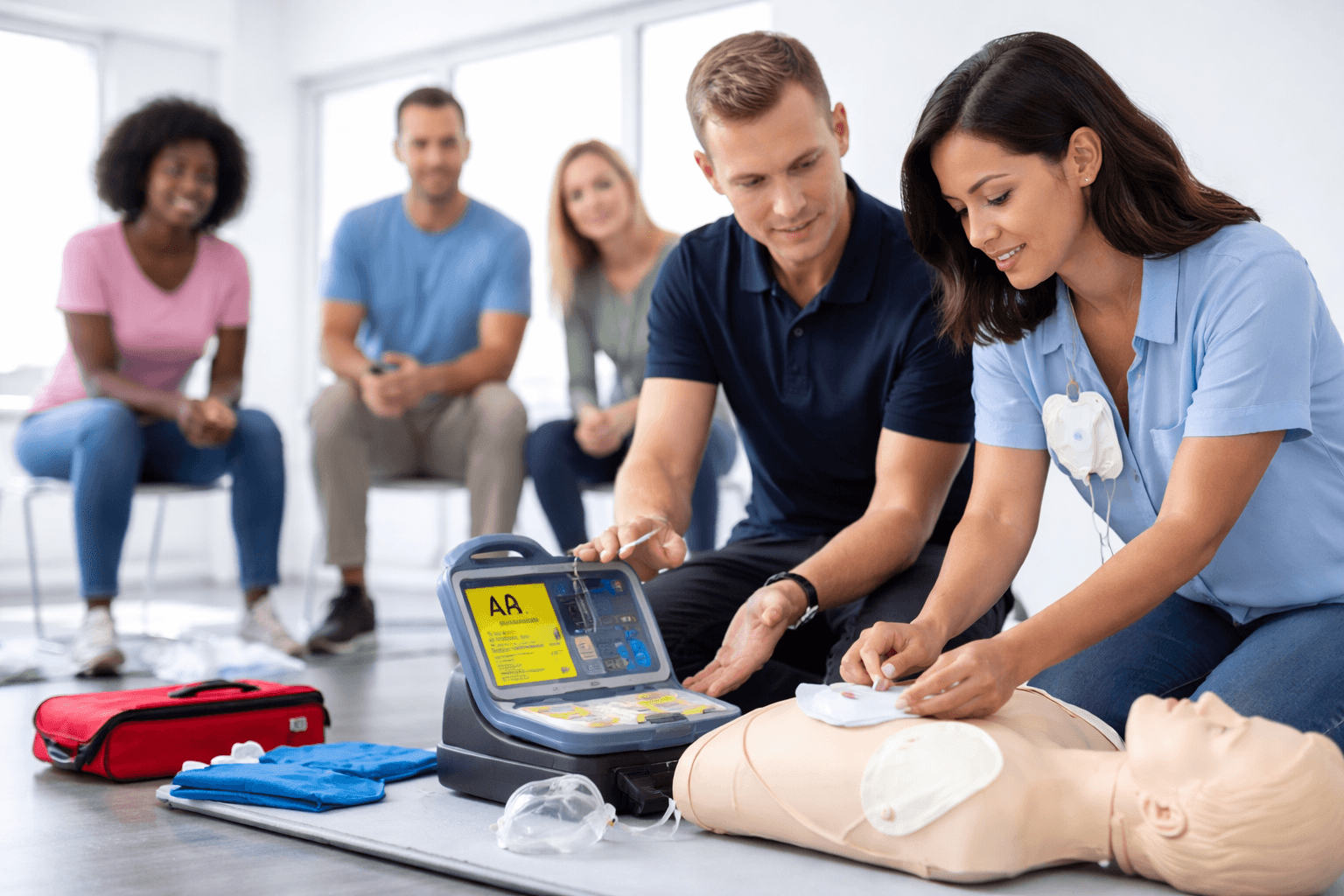
Understand how to safely and effectively operate an Automated External Defibrillator (AED) for adults, children, and infants.
Learn how to perform the Heimlich maneuver and clear airway obstructions caused by choking in both adults and infants.
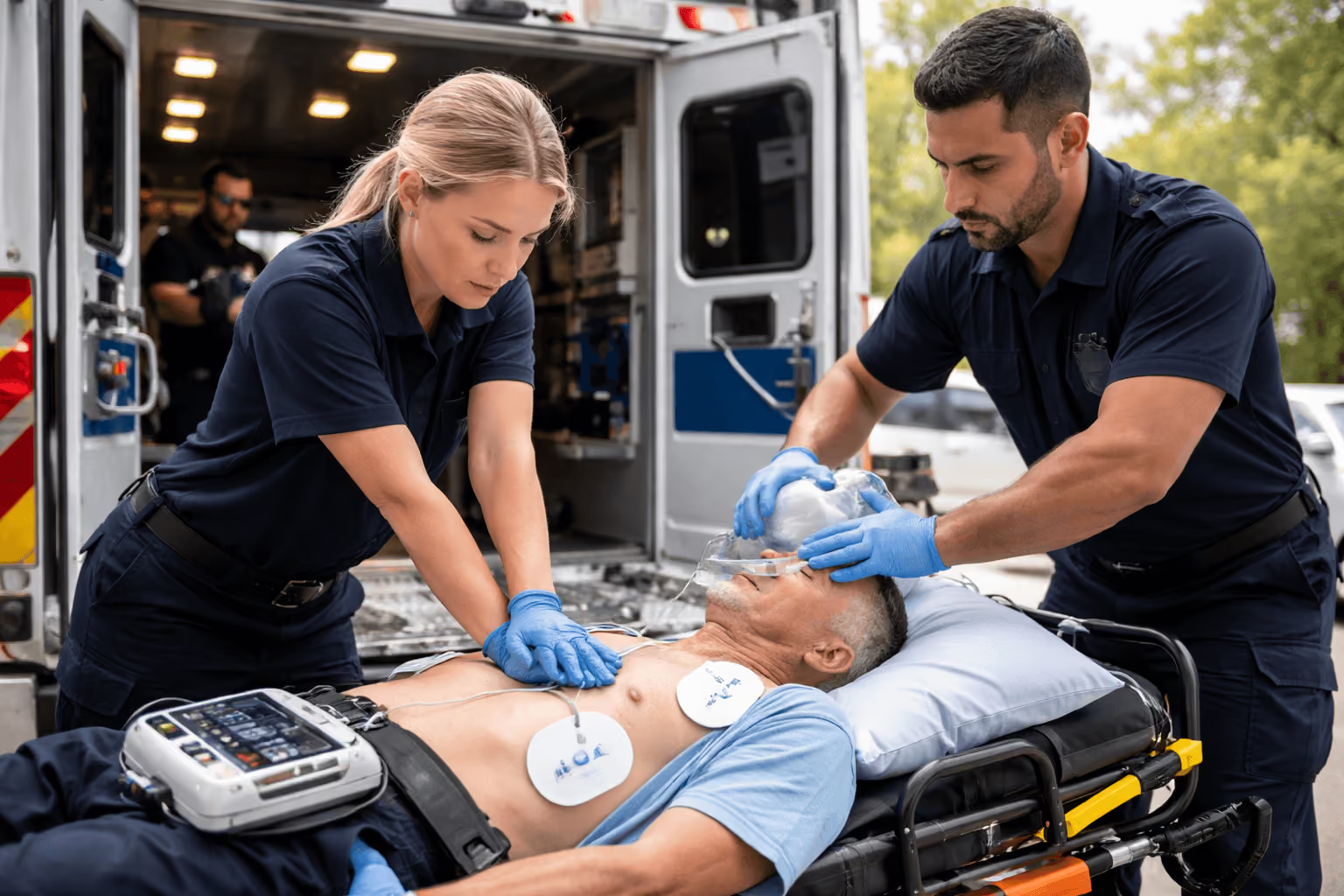
Gain experience working as part of a team when more than one rescuer is available during an emergency.
Receive your AHA CPR Certification E-Card on the same day you complete the class and pass the exam.

CPR Certification Labs provides professional CPR and emergency training courses based on recognized industry standards.