Cardiac Emergency Response Plan Basics for Austin Organizations
A cardiac emergency response plan is a practical way for churches and community organizations to prepare for sudden cardiac arrest before an emergency happens. In Austin, where faith-based gatherings, volunteer groups, and community events bring people together each week, a clear plan can help staff and volunteers respond quickly and confidently.
Recent local efforts, including the Diocese of Austin and Austin Public Health initiative, have helped highlight how important organized readiness can be for places of worship and community spaces. A strong plan helps people know who does what, where the AED is located, and how to coordinate with EMS while waiting for help to arrive.
Why a Cardiac Emergency Response Plan Matters in Austin
Churches and community centers often welcome people of different ages, health backgrounds, and activity levels. That makes emergency preparedness especially important. A cardiac emergency can happen during worship services, meetings, youth events, rehearsals, meal programs, or outreach activities.
When an organization prepares ahead of time, it reduces confusion during a high-stress event. Local readiness also supports community safety by making sure more people can step in quickly with CPR, an AED, and a clear communication process.
What a Cardiac Emergency Response Plan Should Include
A complete cardiac emergency response plan should be simple, written down, and practiced regularly. For churches and community organizations, the plan usually includes:
- Designated response team members
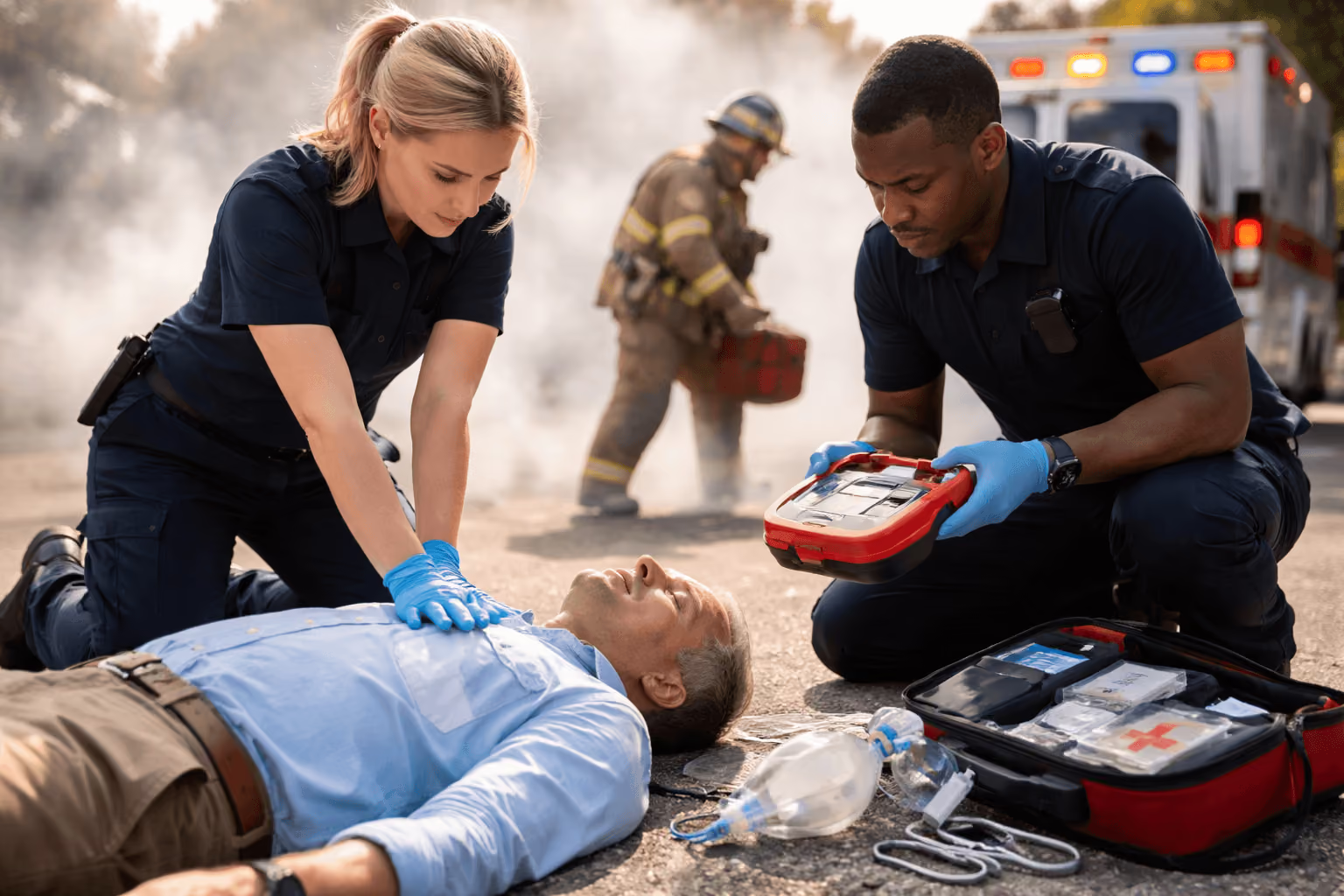
- Clear steps for calling 9-1-1 and meeting EMS
- AED placement that is easy to find and reach
- AED maintenance and readiness checks
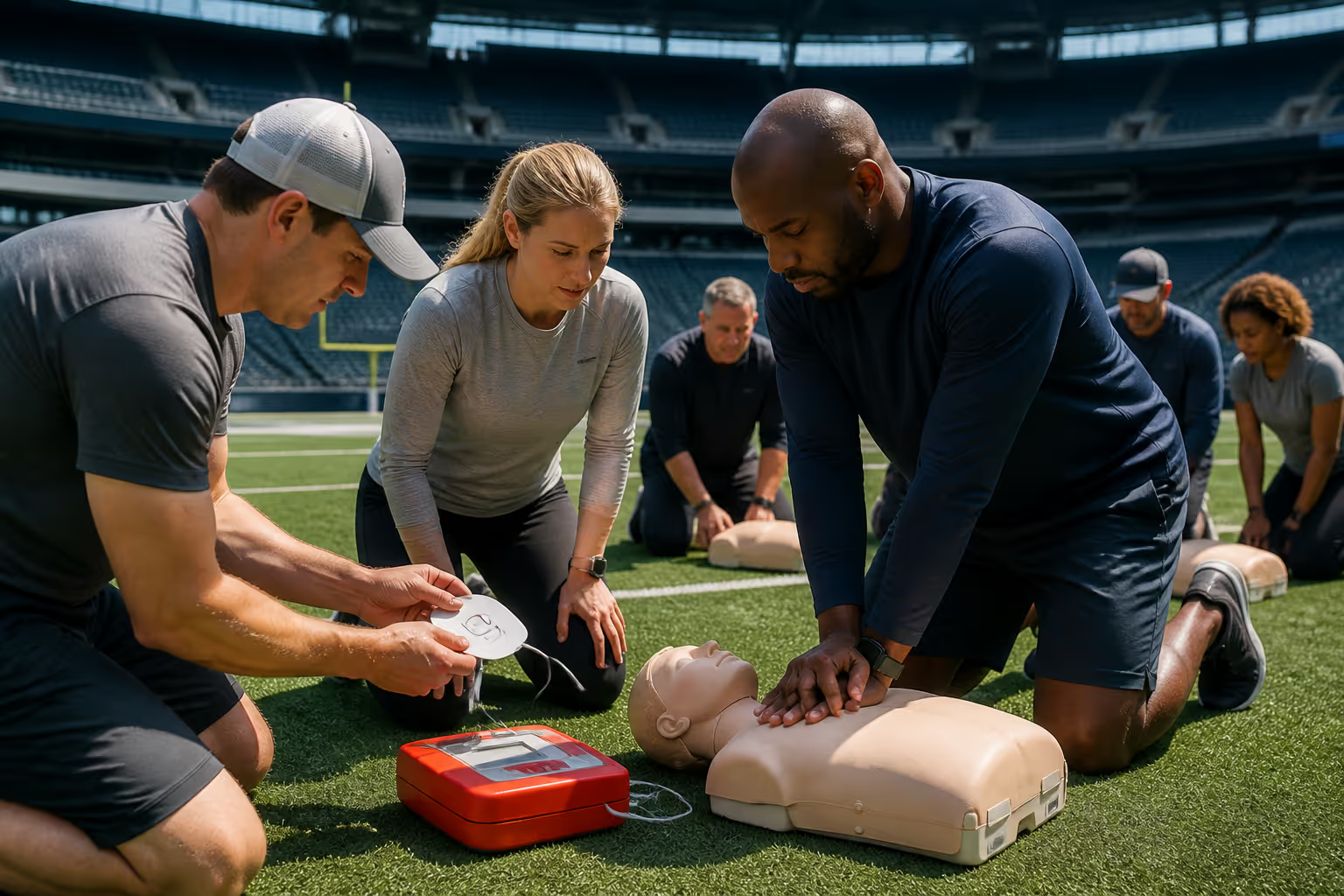
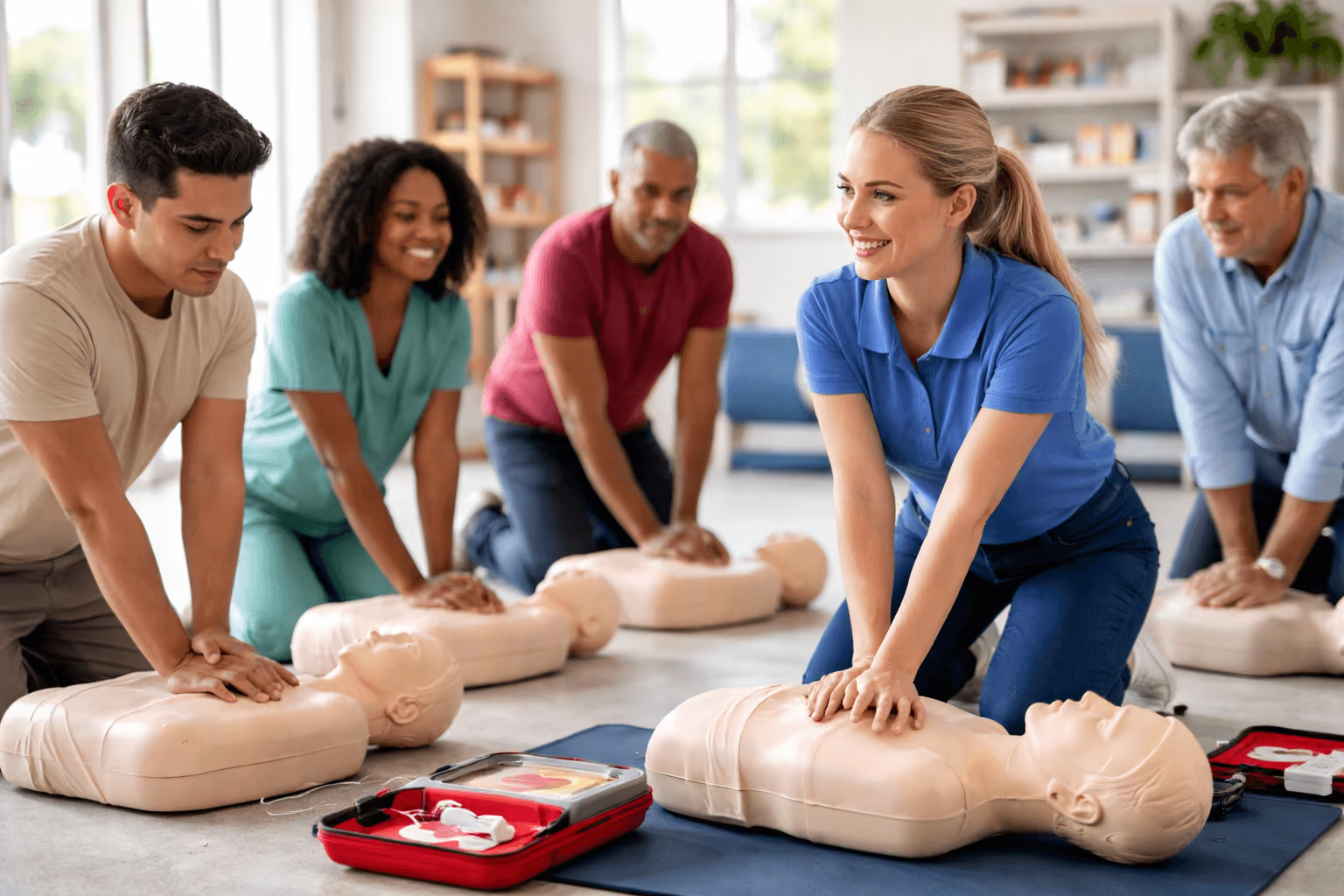
- CPR and AED training for staff and volunteers
- Communication procedures for notifying leadership and guiding bystanders
- Regular drills so responders can practice their roles
These steps help create a sudden cardiac arrest response that is organized instead of improvised. The goal is to reduce delays and make sure the right people act at the right time.
Why Hands-Only CPR Matters
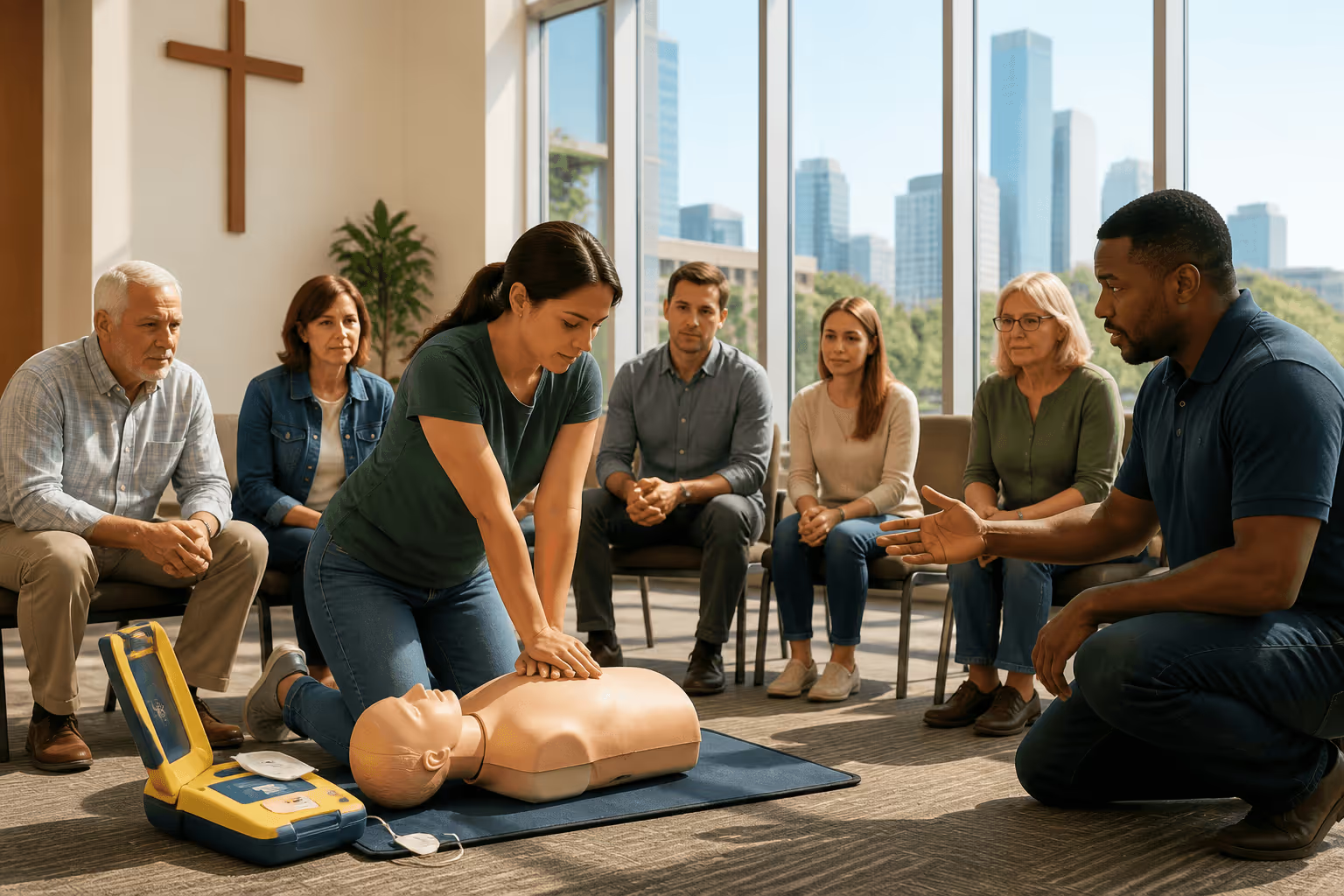
Hands-Only CPR is one of the most important skills for bystanders and trained volunteers to know. In many emergencies, the first minutes matter most, and people nearby are often the first to help. Hands-Only CPR focuses on pushing hard and fast in the center of the chest until EMS arrives.
For churches and community organizations, this matters because not every responder will be a healthcare professional. A simple, easy-to-remember technique can help more people take action. When paired with AED use, it gives organizations a better chance to support a life-saving response before paramedics arrive.
Who Should Be Trained
Training should not be limited to a small leadership group. For the strongest response, churches and community organizations should consider CPR training and AED training for:
- Pastors, clergy, and ministry leaders
- Office and front-desk staff
- Event coordinators and volunteers
- Security or safety team members
- Children’s ministry and youth leaders
- Facilities staff and ushers
- Community outreach and kitchen team members
When more people know the plan, response time improves. This is especially helpful in larger congregations, busy campuses, and organizations that host guests who may not be familiar with the building.
Austin Example: Faith-Based Collaboration and Readiness
The Diocese of Austin and Austin Public Health have helped raise awareness about cardiac emergency response plan development in local churches. Their initiative highlighted a simple but important truth: places with strong response systems are better prepared to protect the people they serve.
That local example is useful for Austin churches and community organizations of all sizes. Whether a site serves a few dozen people or several hundred each week, the same core needs apply: clear roles, AED access, CPR skills, and practice. A CERP can be tailored to the layout, schedule, and volunteer structure of each location.
AED Placement, Access, and Maintenance
AED placement is one of the most important parts of emergency planning. If an AED is hard to find or locked away, it may not help when seconds count. Churches and community sites should place AEDs where staff, volunteers, and visitors can access them quickly.
Just as important, the device should be checked regularly so it remains ready for use. A plan should identify who is responsible for inspections, battery checks, pad replacement, and documentation. That simple routine supports better emergency readiness and reduces preventable delays.
Why Regular Drills Improve Response
Even well-written plans can fail if no one practices them. Regular drills help teams review what to do during a cardiac emergency, test communication steps, and confirm that everyone knows where equipment is stored.
Drills also build confidence. In a real event, volunteers are more likely to act quickly when they have already walked through the process. For churches and community organizations, this can make a major difference in how smoothly the response unfolds.
Benefits of Choosing CPR Certification Labs
CPR Certification Labs works with healthcare professionals, churches, and community organizations that want practical training and a clear path to better preparedness. Our CPR and AED training options support teams that need to learn how to respond with confidence, communicate clearly, and build safer routines.
We help organizations think through the full response picture, including team roles, training needs, AED access, and practice schedules. For groups in the Austin area, this can be a straightforward way to turn a plan into action.
To explore training options and local support, visit our Austin South office page.
Nearby Local Reference for Austin Area Organizations
For groups in Austin and nearby communities, it can be helpful to work with a training provider close to home. Our Round Rock - Pflugerville office serves the greater Austin area and offers a convenient option for churches, ministries, and community groups looking to strengthen emergency preparedness.
With a local training resource, organizations can more easily coordinate staff training, volunteer education, and recurring refreshers that keep a cardiac emergency response plan active over time.
How to Build a Safer Response Team
A strong cardiac emergency response plan works best when roles are clear. A response team should know who calls 9-1-1, who gets the AED, who starts CPR, and who guides EMS to the correct location.
Churches and community organizations can also assign someone to review the plan, confirm equipment readiness, and schedule refreshers. This keeps the plan from becoming a document that sits unused. Instead, it becomes part of everyday emergency preparedness.
Teams should also think about the building itself. Large campuses, multiple entrances, classrooms, fellowship halls, and parking areas can all affect response time. Planning ahead helps volunteers and staff move with purpose instead of guessing during an emergency.
EMS Coordination and Communication
Good coordination with EMS is another key part of a cardiac emergency response plan. The plan should identify the fastest route for emergency responders, the best entrance to use, and who will be waiting to direct them.
Communication inside the organization matters too. Staff and volunteers should know how to alert others without creating confusion or panic. Simple, direct language is often best in an emergency. Clear communication helps bystanders stay calm and makes the response more organized.
Building a Culture of Community Safety
A cardiac emergency response plan is not only about equipment and paperwork. It is also about culture. When churches and community organizations invest in training, AED placement, and regular drills, they show that safety is part of their mission and daily operations.
That culture can encourage more people to learn Hands-Only CPR, ask where the AED is located, and take emergency response seriously. Over time, this kind of preparation supports stronger community safety for everyone who enters the building.
FAQ
What is a cardiac emergency response plan?
It is a written plan that tells staff and volunteers how to respond if someone has sudden cardiac arrest. It usually includes CPR steps, AED access, communication procedures, and EMS coordination.
Why should churches and community organizations have one?
Because they often host large groups of people and may need to respond before EMS arrives. A plan helps reduce confusion and improves readiness.
Does everyone need CPR training?
Not everyone, but the more people trained, the better the response. At minimum, key staff and volunteers should know Hands-Only CPR and how to use an AED.
How often should drills be done?
Regular drills are recommended so teams stay familiar with the plan and equipment. The schedule can be set based on the size and activity level of the organization.
Where should an AED be placed?
An AED should be placed where staff, volunteers, and visitors can access it quickly. It should not be locked away or difficult to find during an emergency.
Churches and community organizations in Austin can build a safer, more confident response culture by combining training, AED access, and a clear cardiac emergency response plan. If your organization is ready to improve emergency preparedness, CPR Certification Labs can help you take the next step.
About our Round Rock - Pflugerville office
- Address: 821 Grand Ave Pkwy, Suite 401E
- Phone: (737) 259-5405
- Email: pflugerville@cprcertificationlabs.com
- Hours:
6am - 12am - 7 Days a Week!