Getting CPR certified in 2026 is not just about checking a box for employment requirements. It is about gaining the knowledge and confidence to save a life when every second counts. With updated guidelines from the American Heart Association released in October 2025, CPR certification benefits extend far beyond professional credentials, offering life-saving skills that can make the difference between life and death in cardiac emergencies.
Whether you are a healthcare professional, teacher, parent, or concerned citizen, understanding the importance of CPR training has never been more critical. Approximately 350,000 cardiac arrests occur outside hospitals each year in the United States, with a survival rate of just 10.5%. However, when bystander CPR is performed immediately, survival chances can double or even triple. This single statistic underscores why getting CPR certified should be on everyone’s priority list in 2026.
Why Get CPR Certified in 2026?
The advantages of CPR certification go well beyond emergency preparedness. Here is what makes 2026 the right time to pursue this essential training.
1. Updated 2025 AHA Guidelines Provide Cutting-Edge Techniques
The American Heart Association published comprehensive updates to CPR guidelines in October 2025, the first major revision since 2020. These updates reflect the latest resuscitation science and include important changes:
New Choking Response Protocol
The 2025 guidelines now recommend alternating five back blows with five abdominal thrusts for conscious adults and children who are choking, rather than starting exclusively with abdominal thrusts. This evidence-based approach has proven more effective at dislodging foreign objects.
Enhanced Focus on High-Quality Compressions
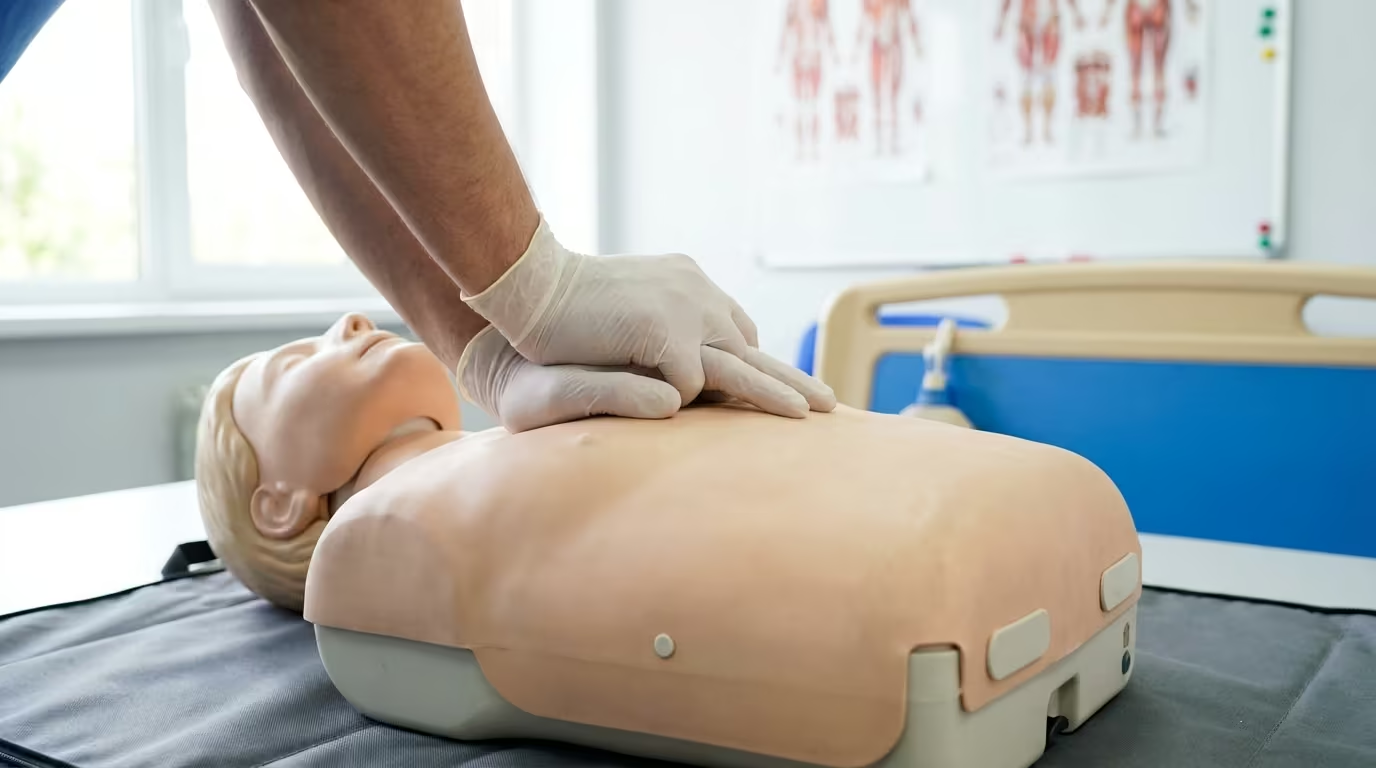
The updated guidelines emphasize proper hand position, optimal rescuer body positioning, and performing CPR on firm surfaces whenever possible. Compression depth should be at least 2 inches but no more than 2.4 inches for adults, at a rate of 100 to 120 compressions per minute.
Expanded Opioid Overdose Response
With the ongoing public health crisis, the 2025 guidelines place greater emphasis on rapid naloxone administration and public access to opioid emergency kits.
When you get CPR certified in 2026, you are learning the most current, evidence-based techniques that can significantly improve outcomes.
2. Career Advancement and Job Security
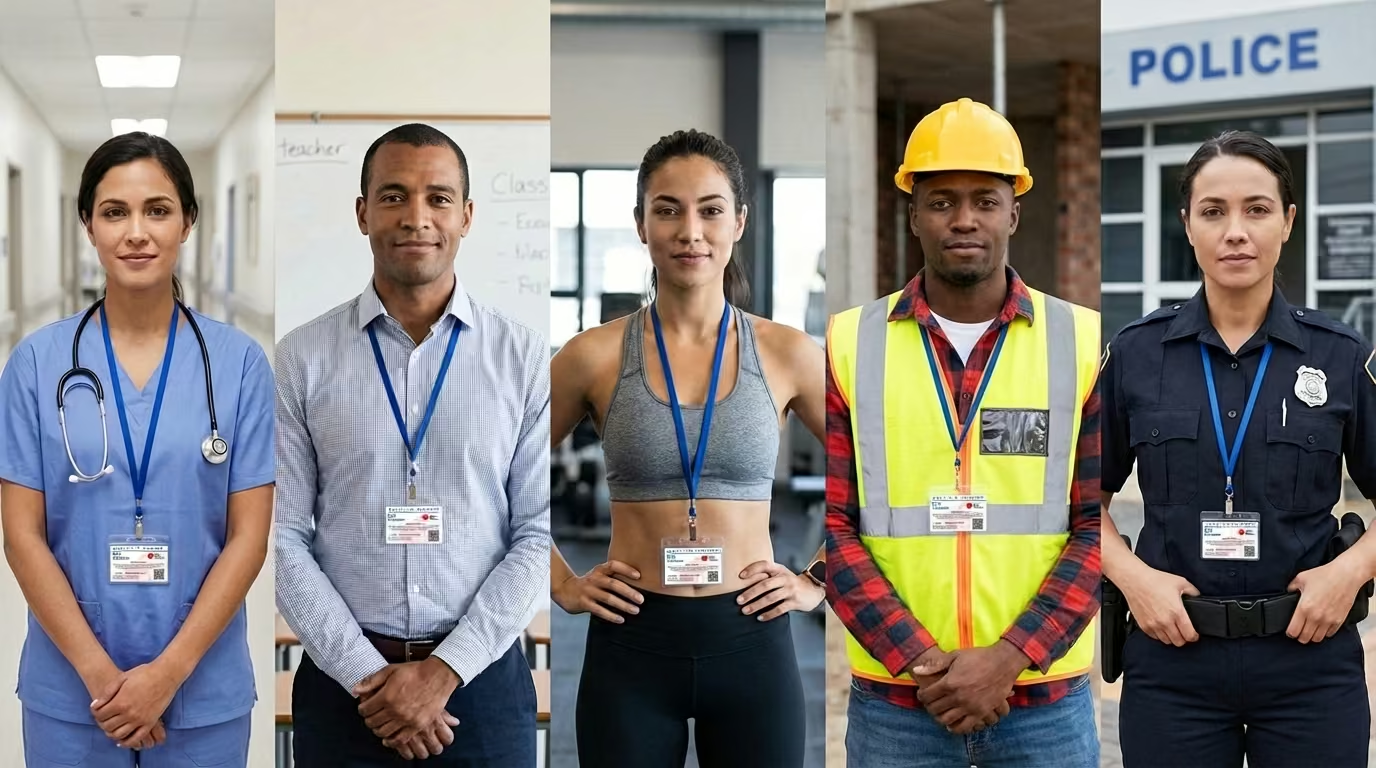
CPR certification is no longer optional for many professions. It is mandatory or strongly preferred in more than 40 careers across healthcare, education, fitness, construction, and public service sectors.
Healthcare professionals such as nurses, doctors, medical assistants, dental hygienists, pharmacists, and EMTs must maintain current CPR or BLS certification.
Teachers, school administrators, daycare workers, camp counselors, and babysitters increasingly need certification to meet licensing requirements and ensure student safety.
Personal trainers, yoga instructors, lifeguards, athletic coaches, and gym managers must demonstrate CPR competency to protect clients during physical activities.
Police officers, firefighters, security guards, and correctional officers require ongoing CPR training as part of their emergency response duties.
Construction workers, electricians, and other trades professionals working in high-risk environments often need certification to meet workplace safety standards.
Job candidates with CPR certification often have a competitive advantage. Employers recognize CPR training as a valuable professional skill that demonstrates responsibility and preparedness.
3. Protect Your Loved Ones
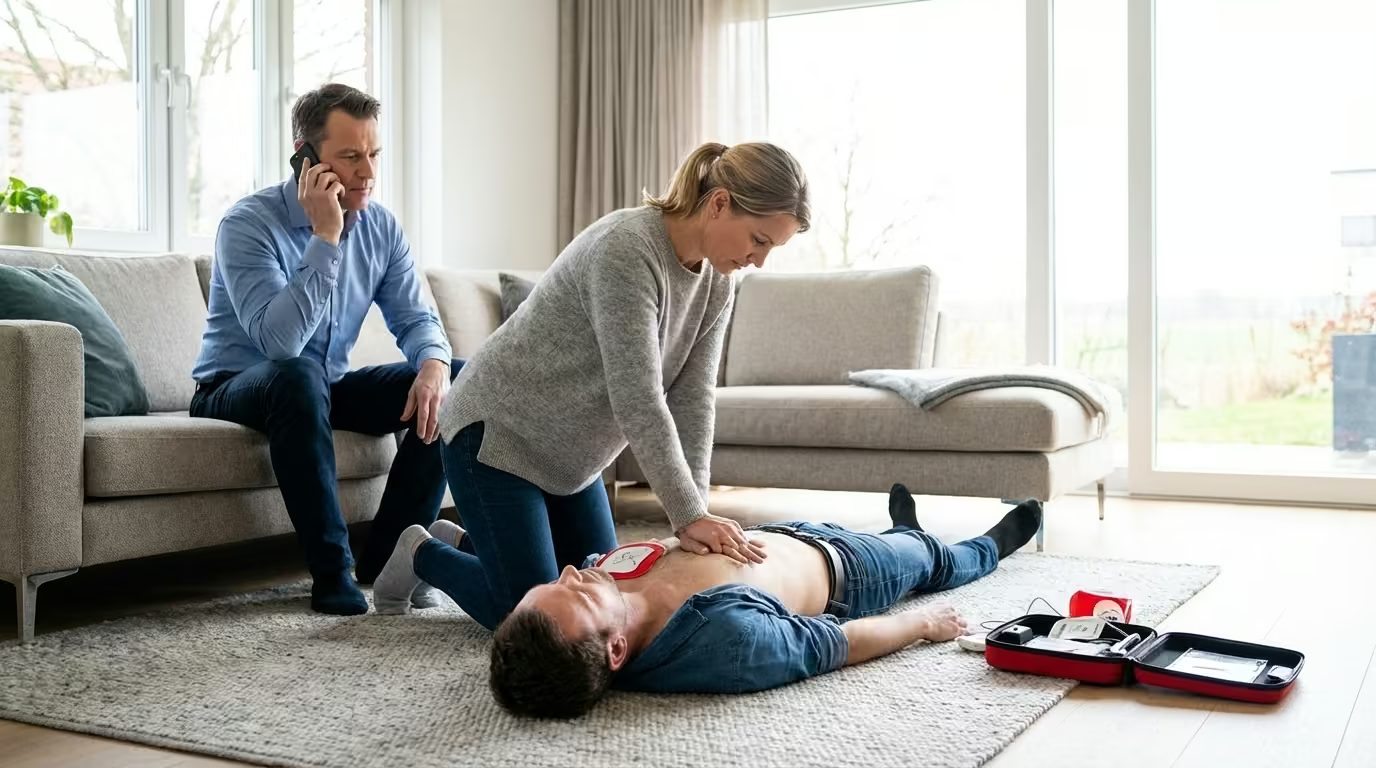
More than 70% of out-of-hospital cardiac arrests happen at home. That means the life you save with CPR is most likely someone you know and love.
Recent data from the Cardiac Arrest Registry to Enhance Survival shows that only 41.7% of adult cardiac arrest victims receive bystander CPR. When cardiac arrest occurs at home, family members are often the only ones present who can provide immediate assistance before emergency services arrive.
Every minute without CPR reduces survival chances by 7 to 10%.
If you are CPR certified, you can:
- Respond immediately during cardiac arrest
- Provide effective chest compressions
- Use an AED confidently
- Manage choking emergencies
- Recognize the signs of stroke and cardiac emergencies
Parents, grandparents, and caregivers gain invaluable peace of mind knowing they can respond effectively.
4. Increased Survival Rates with Immediate Action
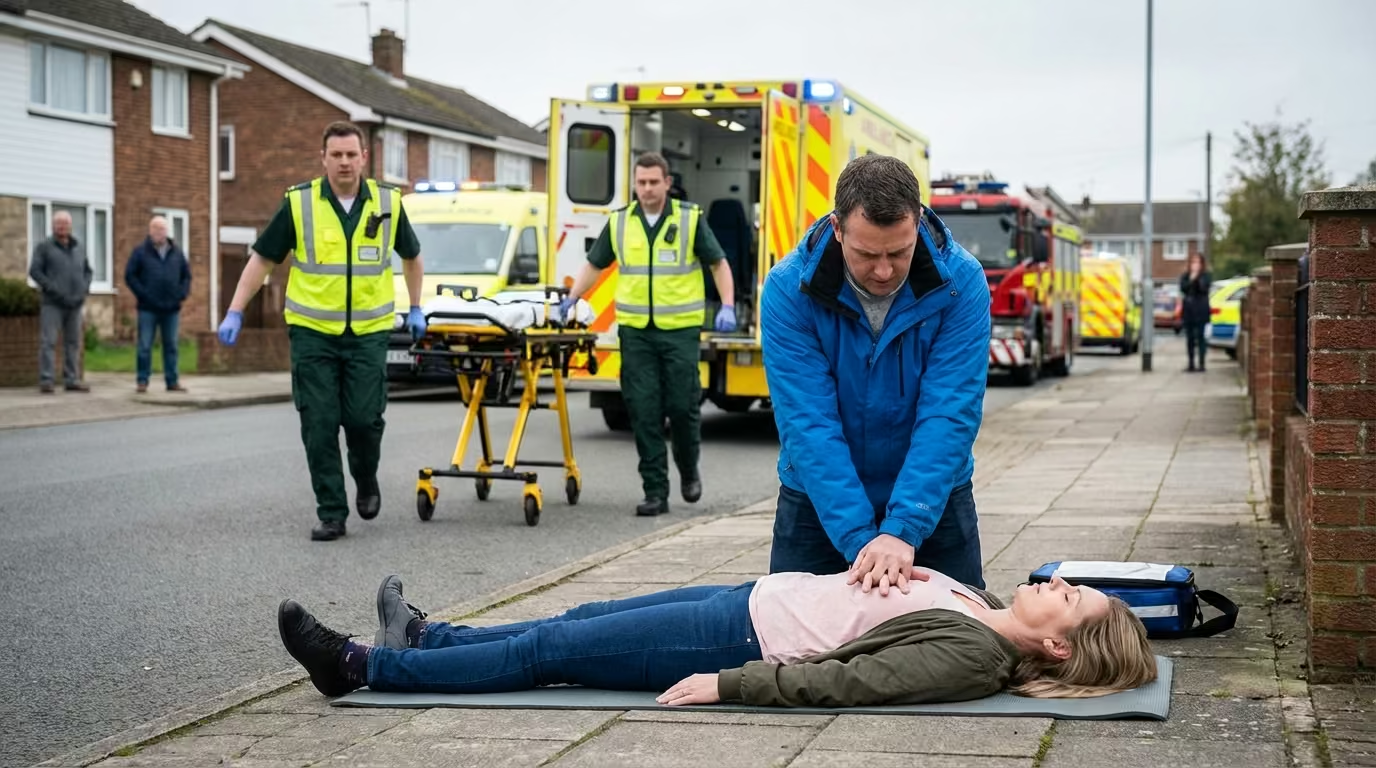
The benefits of CPR certification are backed by compelling survival statistics:
- CPR started within 0 to 1 minute increases survival to hospital discharge by 81%
- CPR initiated within 2 to 3 minutes improves survival by 57%
- Even CPR begun 8 to 9 minutes after arrest provides a 13% survival advantage
- Bystander CPR increases favorable neurological outcomes by 95% when started within two minutes
These numbers translate to thousands of lives saved each year.
5. Build Confidence in Emergency Situations
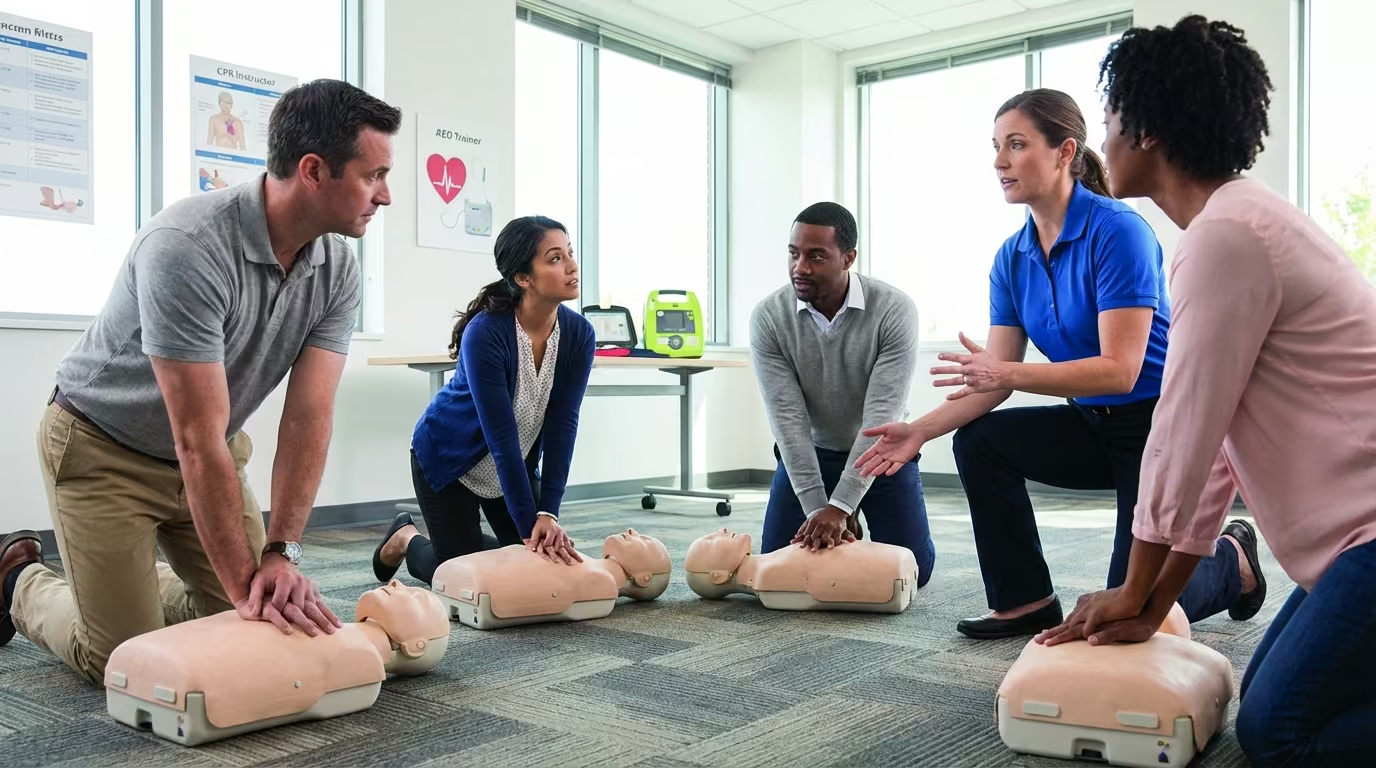
One of the most overlooked benefits of CPR certification is psychological preparedness. Emergencies are chaotic and frightening. Without training, bystanders often freeze.
Certification courses include:
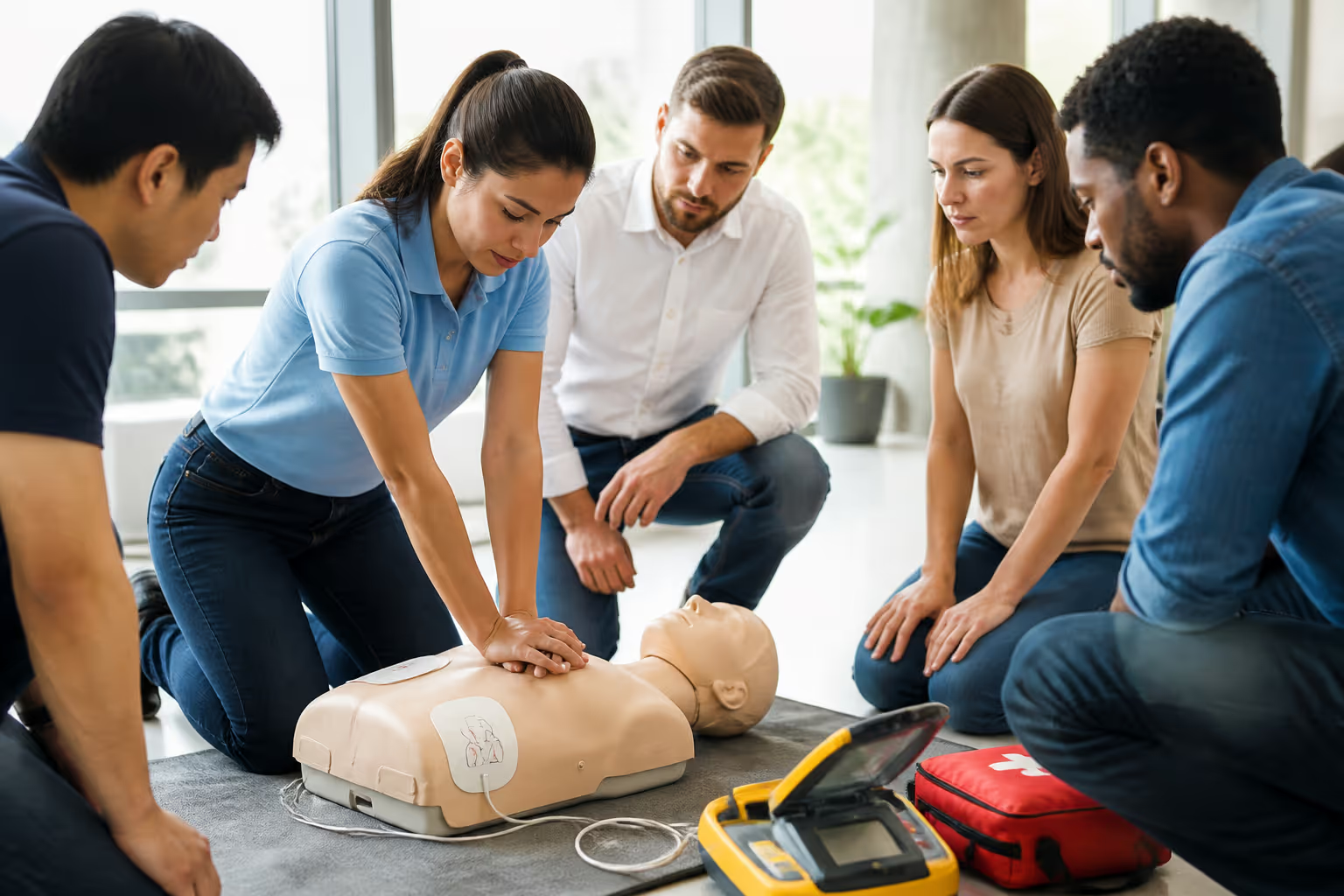
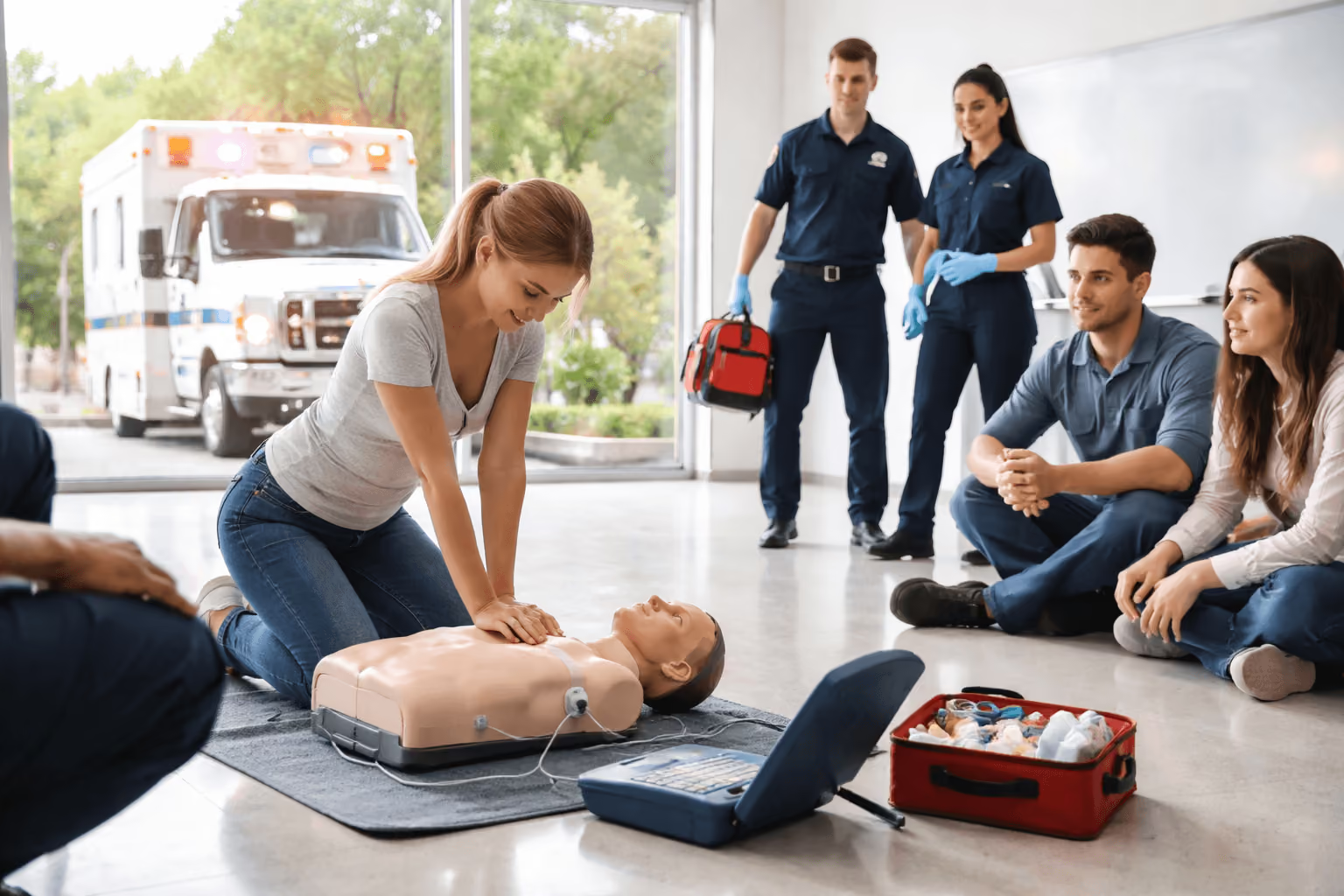
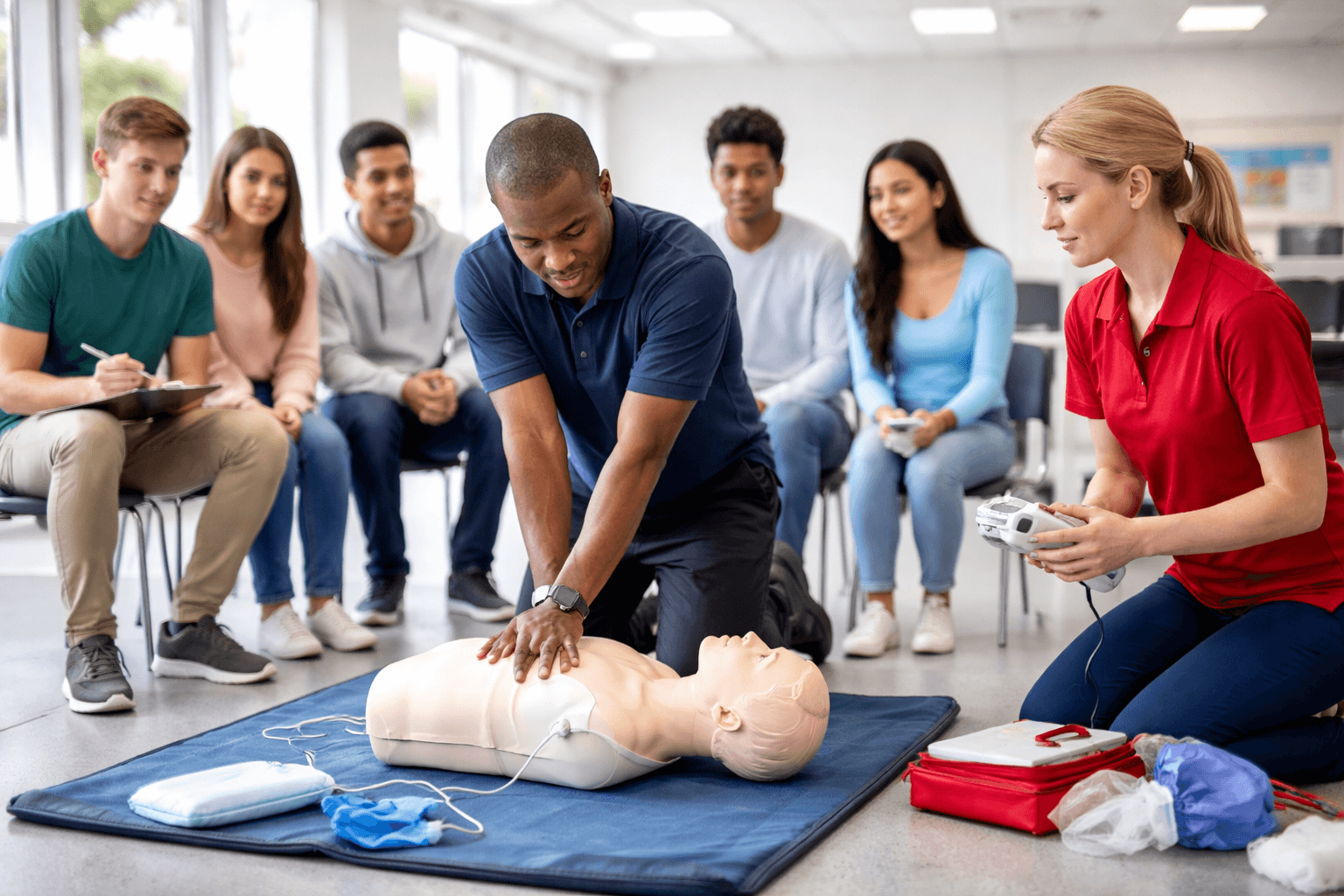
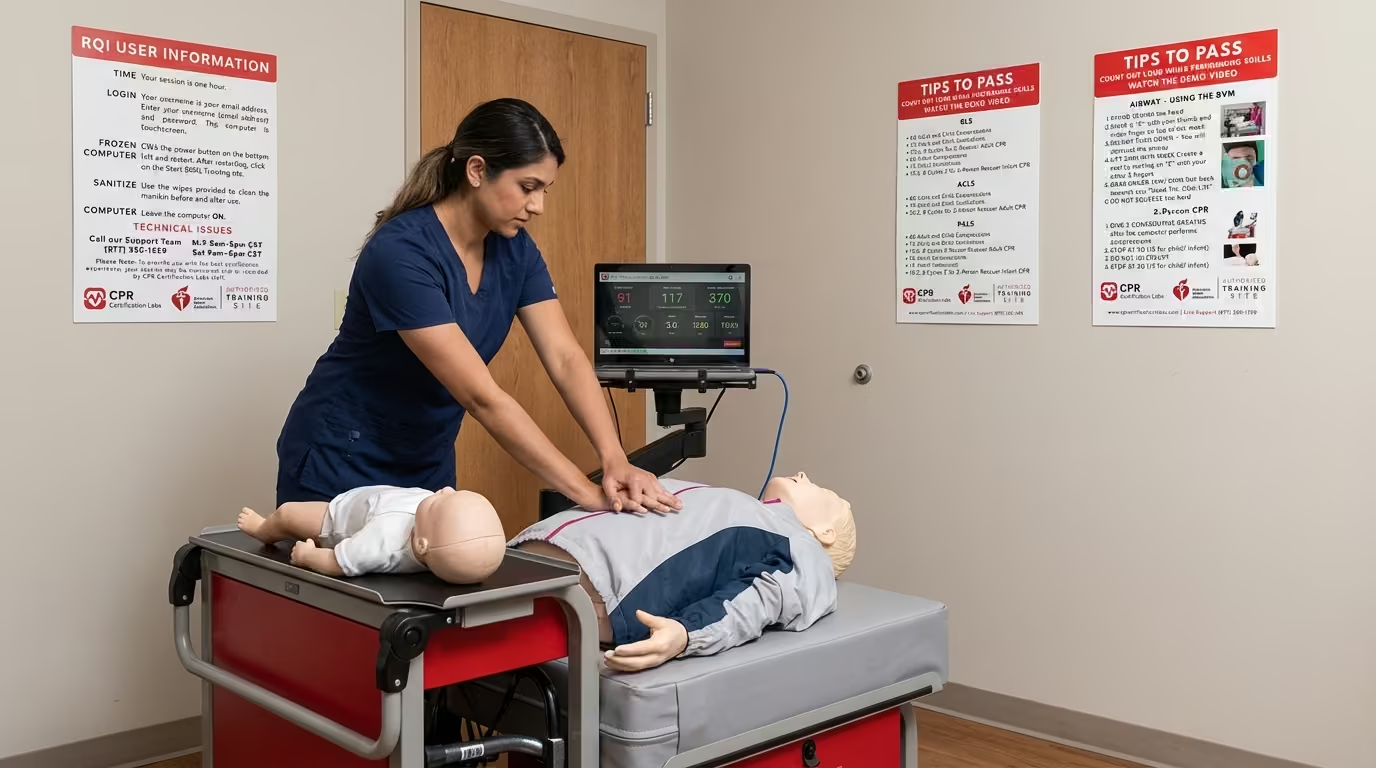
- Hands-on practice with training manikins
- Realistic scenario-based learning
- Repetition that builds muscle memory
- Clear step-by-step protocols
Certified individuals report feeling significantly more confident and willing to intervene.
6. Low Time Commitment, High Lifetime Value
CPR certification is one of the most practical life-saving skills you can acquire. Most courses can be completed in just 2 to 4 hours, with certification valid for two years.
Flexible Training Options
Choose from in-person classes, blended learning with online coursework plus hands-on skills sessions, or instructor-led group training.
Employer Support
Many organizations cover certification costs for employees or arrange group training as part of workplace safety programs.
Long-Term Value
CPR training provides ongoing benefits through career advancement, family protection, and the ability to save lives when it matters most. The value of being prepared in a life-or-death situation cannot be overstated.
7. Community Impact and Public Health
Widespread CPR training creates safer communities.
Bystander CPR occurs in only about 40% of out-of-hospital cardiac arrests nationally. Low-income and rural areas have significantly lower survival rates.
When more community members are certified, survival rates improve across all demographic groups.
8. Workplace Safety and Legal Protection
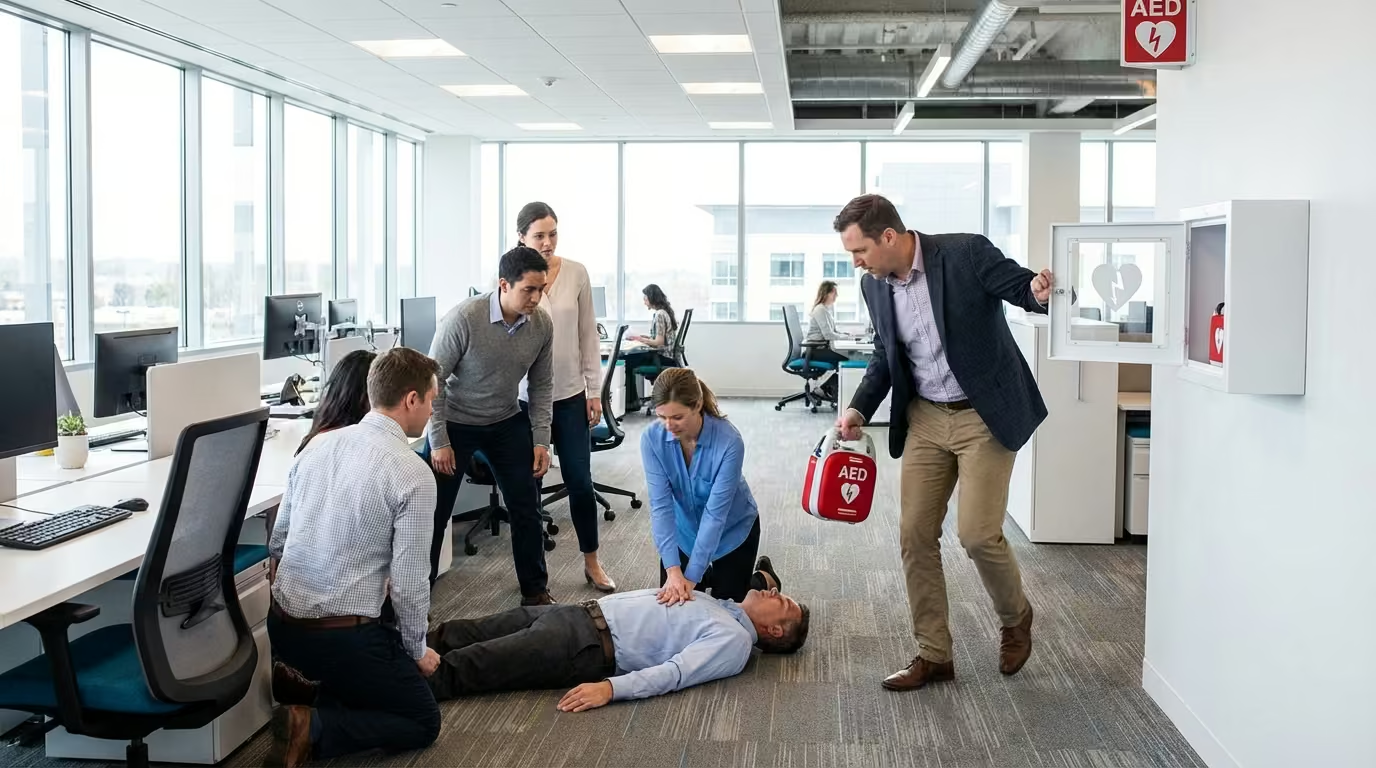
For employers, having CPR-certified staff provides important advantages:
- Compliance with workplace safety standards
- Demonstrated commitment to employee safety
- Faster emergency response
- Potential insurance benefits
Approximately 10,000 cardiac arrests occur in workplaces annually. Having trained responders on site can save lives.
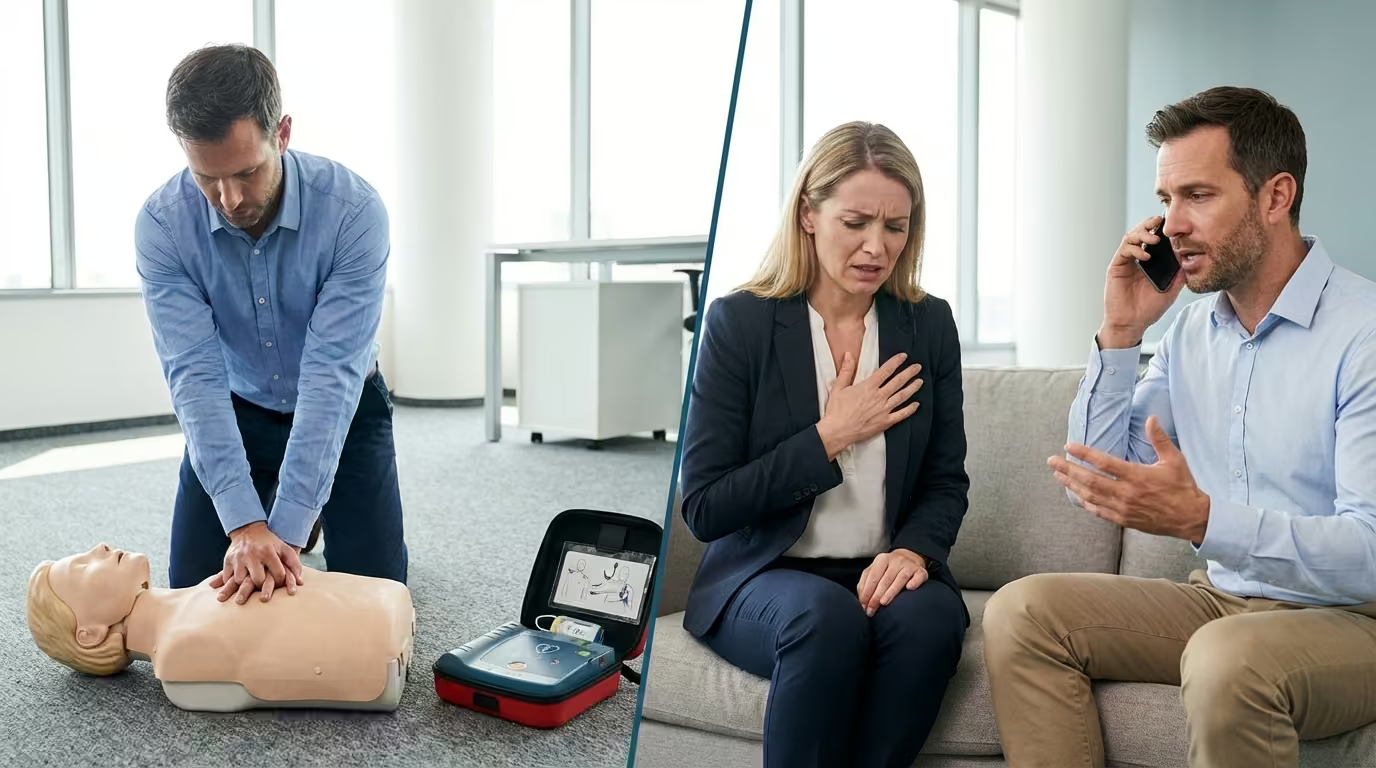
9. Understanding Cardiac Arrest vs. Heart Attack
CPR certification teaches the critical difference:
Cardiac arrest means the heart stops beating effectively. CPR and defibrillation are required immediately.
A heart attack is caused by blocked blood flow to the heart. The person is usually conscious and needs emergency medical care, but not necessarily CPR unless arrest occurs.
Understanding this distinction ensures appropriate action.
10. Training for Special Populations
Modern CPR courses include:
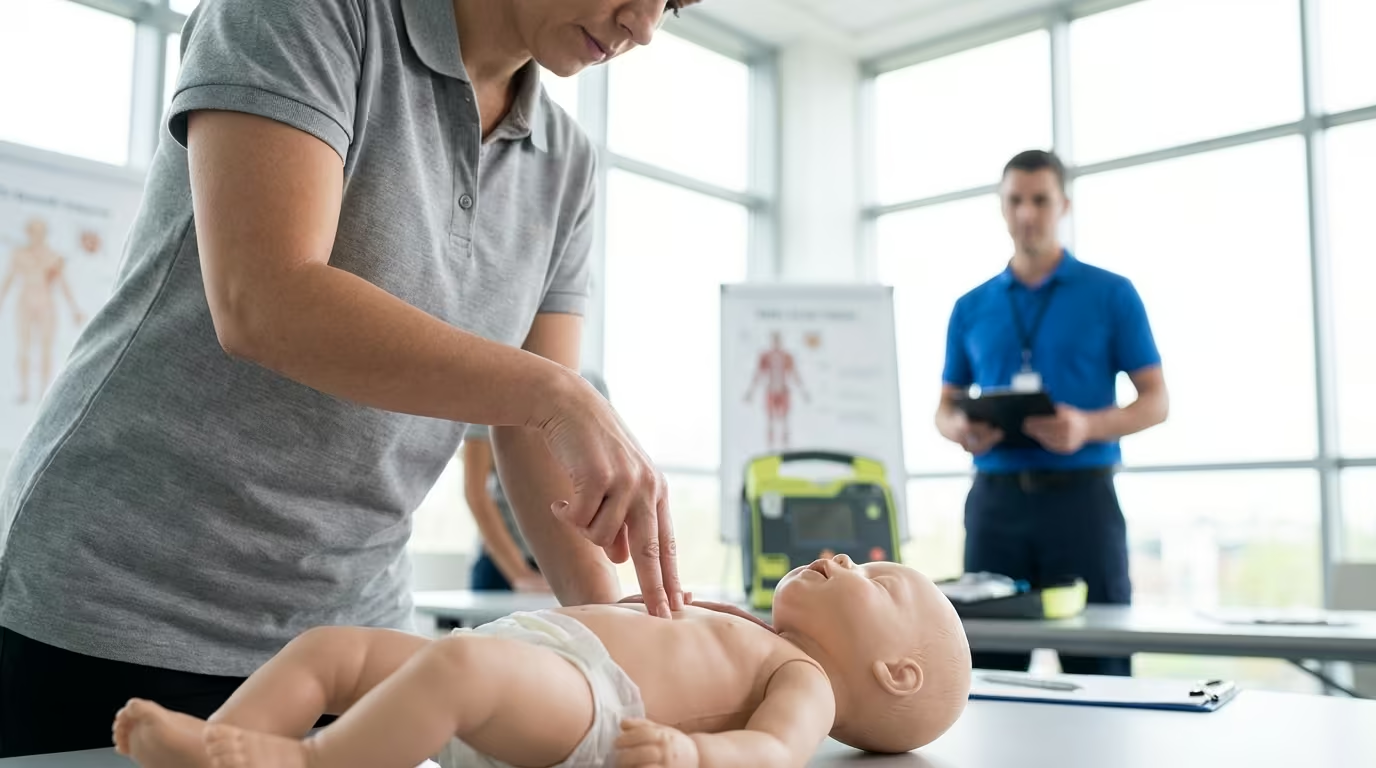
- Infant CPR
- Child CPR
- Pregnancy considerations
- Opioid overdose response
This comprehensive training prepares you for real-world scenarios involving people of all ages.
What to Expect in a CPR Certification Course
Courses typically include:
- Science and emergency recognition
- Hands-on skills practice
- Written assessment
- Skills demonstration
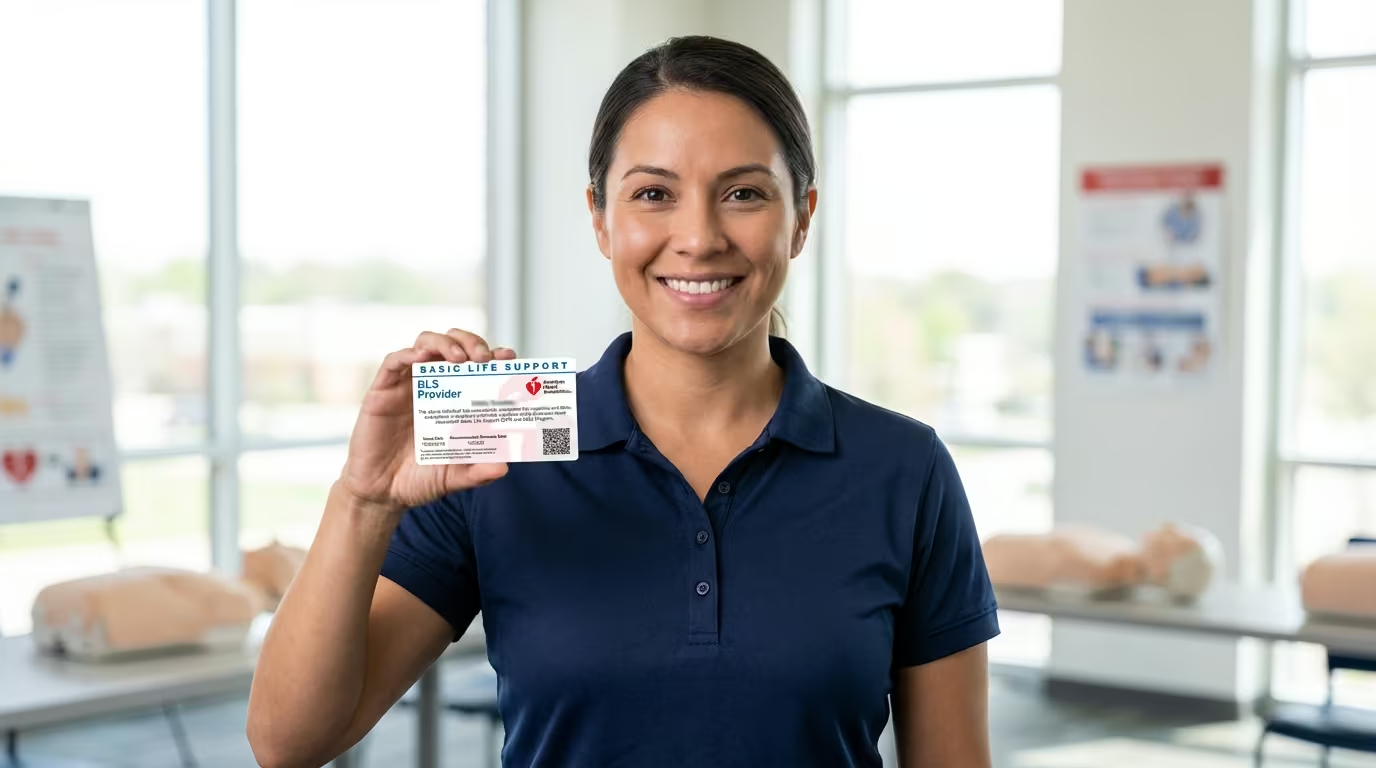
Upon successful completion, you receive a certification card valid for two years.
Maintaining Your Certification
Most certifications expire after two years. Renewal courses are shorter and focus on updates and skills refreshers. Regular recertification ensures your techniques align with the latest guidelines.
Frequently Asked Questions
How long does CPR certification take?
Most CPR/AED courses take approximately 4 hours depending on the level. CPR Certification Labs courses are quicker, as you do an online knowledge portion from wherever you like. Once that's done, you come into our offices for a physical check of your skills, which usually takes 30 - 45 minutes.
Can I get certified online?
The knowledge portion may be completed online, but hands-on skills verification must be conducted in person.
Does CPR certification expire?
Yes. Certification typically expires after two years and requires renewal.
Take Action: Get CPR Certified Today
The benefits of CPR certification in 2026 are clear. From career growth to protecting loved ones, CPR training provides lifelong value.
With over 350,000 cardiac arrests occurring annually in the United States and immediate CPR capable of doubling or tripling survival chances, there has never been a more important time to get certified.
Do not wait for an emergency to wish you were prepared.
Ready to Get CPR Certified?
Visit CPR Certification Labs to explore certification courses designed for your schedule and needs.
Our experienced instructors follow the latest 2025 American Heart Association guidelines, providing hands-on practice and real-world scenarios that build confidence and competence. With flexible scheduling and nationally recognized certification, getting CPR certified has never been more accessible.
Join thousands who have gained the skills and confidence to save lives. Enroll in a CPR certification course and become a vital link in the chain of survival.