Offer ends October 18.
This is some text inside of a div block.
Restart a Heart BLS Sale
RESTART99
Copy code

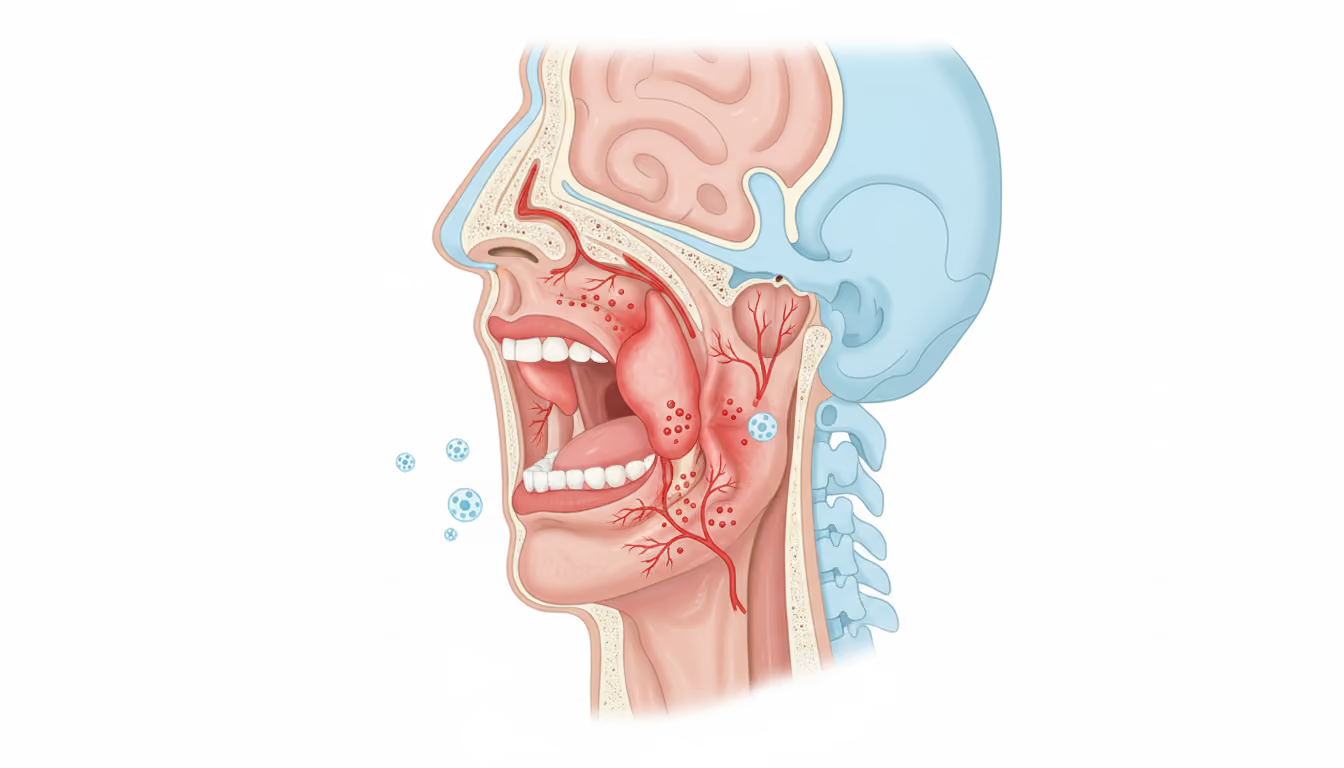
Throat Pain:A sore throat can result from numerous factors, including inflammation of the pharynx, larynx, or tonsils. The most frequent culprits are viruses. Many viruses, including those responsible for mononucleosis and influenza, can lead to a sore throat. Some can even cause painful blisters in the mouth and throat, known as aphthous stomatitis.Bacterial infections may also trigger a sore throat. The two primary bacterial causes are Streptococcus pyogenes (strep throat) and Arcanobacterium haemolyticum, which often affects young adults and can sometimes be accompanied by a fine red rash.The severity of a sore throat can vary from minor to severe. Breathing through the mouth can dry out the throat, leading to discomfort. A sore throat persisting for over two weeks might indicate a serious condition like throat cancer. Sore throats often make swallowing painful, with pharyngitis being the most common type. Temporary relief can be achieved with saltwater gargles, hard candies, sprays like Chloraseptic, and lozenges. A humidifier may alleviate symptoms caused by mouth breathing and dry air. Pain relievers such as acetaminophen or ibuprofen (e.g., Advil) can help manage discomfort. For adults, nasal sprays like Afrin can be used for 2-3 days to reduce mouth breathing. Decongestants such as Sudafed may also offer relief.Strep throat is a significant concern, responsible for 5%-10% of sore throats in adults and 15%-40% in children. A "rapid strep" test is commonly conducted, possibly followed by a throat culture. If either test is positive, antibiotics like penicillin are necessary to treat the infection. The primary goal is to prevent rheumatic fever, a serious condition that can result in joint pain and heart valve damage.
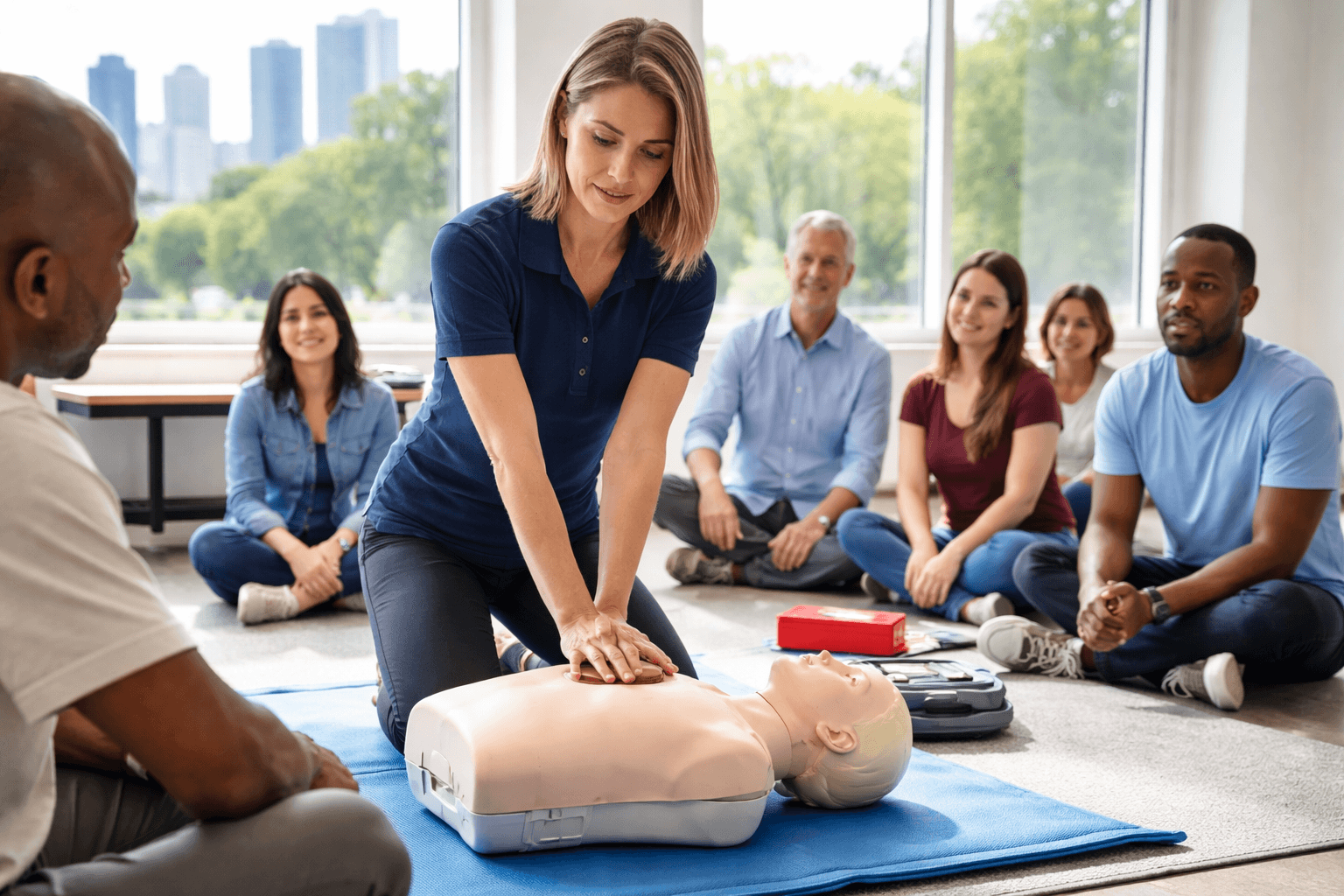
CPR Certification Labs provides hands-on, American Heart Association–aligned CPR, BLS, ACLS, and PALS certification training to help providers master these life-saving skills.
Our technology delivers immediate, actionable feedback that refines your skills in real time.
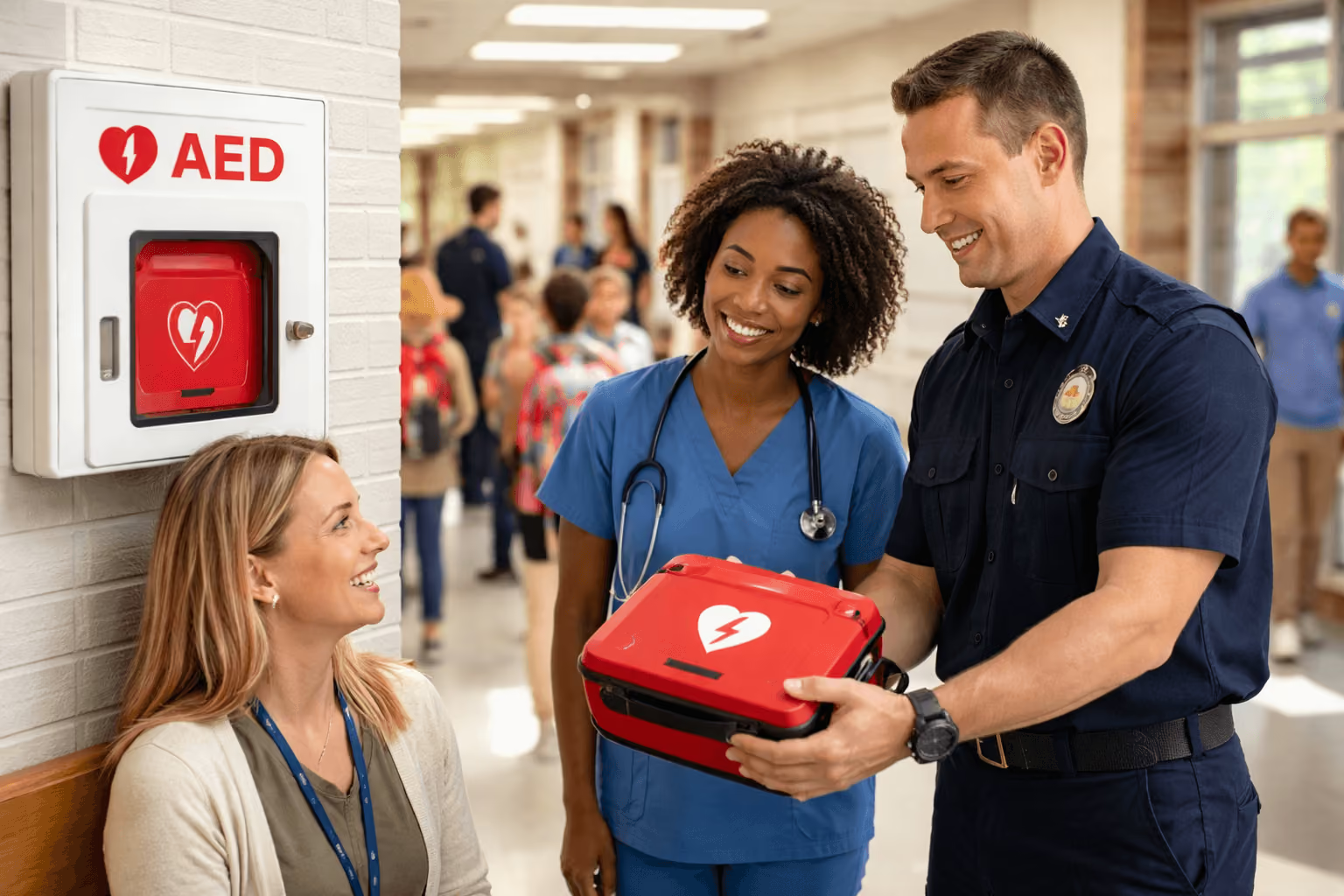
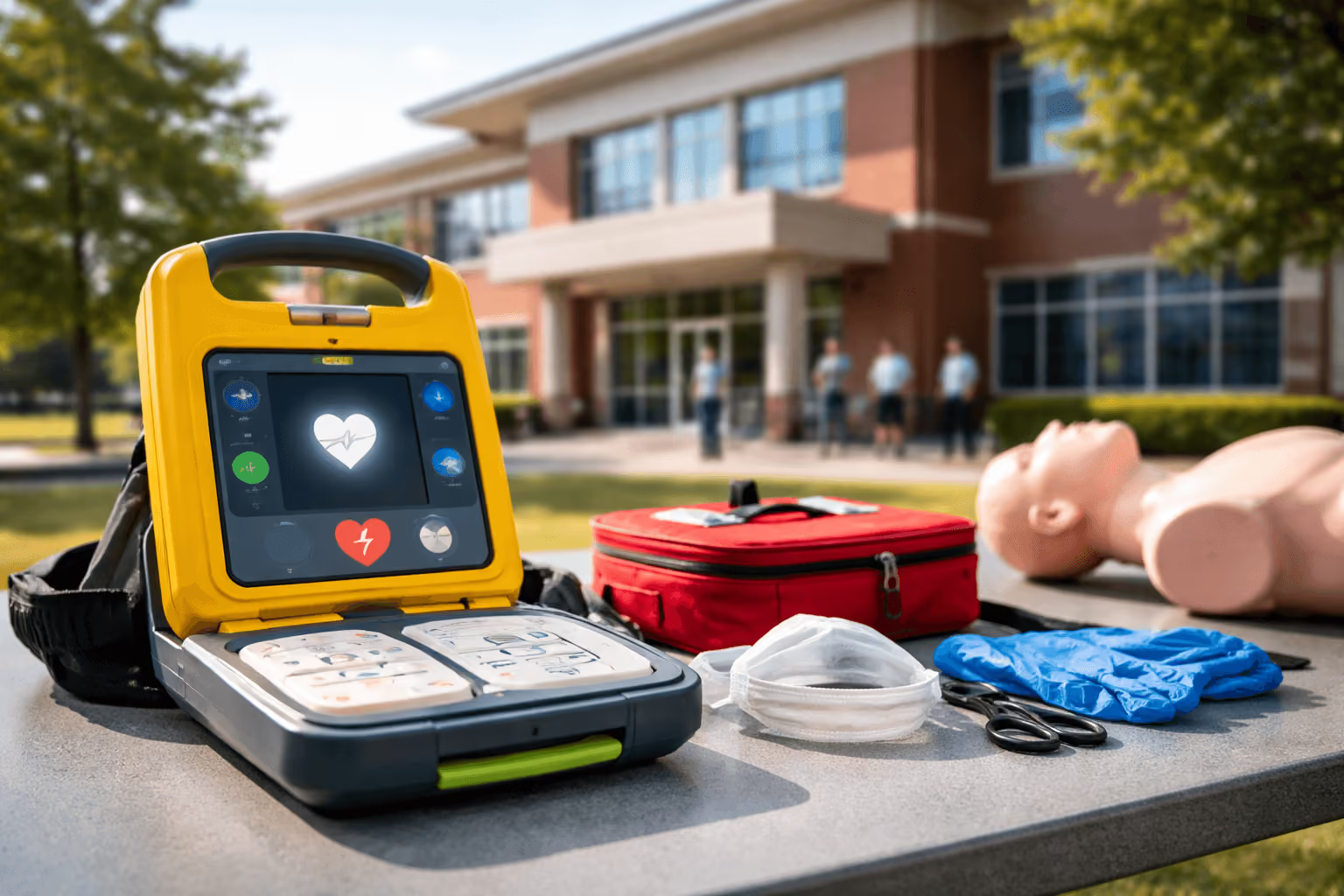
Understand how to safely and effectively operate an Automated External Defibrillator (AED) for adults, children, and infants.
Learn how to perform the Heimlich maneuver and clear airway obstructions caused by choking in both adults and infants.
Gain experience working as part of a team when more than one rescuer is available during an emergency.
Receive your AHA CPR Certification E-Card on the same day you complete the class and pass the exam.

CPR Certification Labs provides professional CPR and emergency training courses based on recognized industry standards.