Offer ends October 18.
This is some text inside of a div block.
Restart a Heart BLS Sale
RESTART99
Copy code

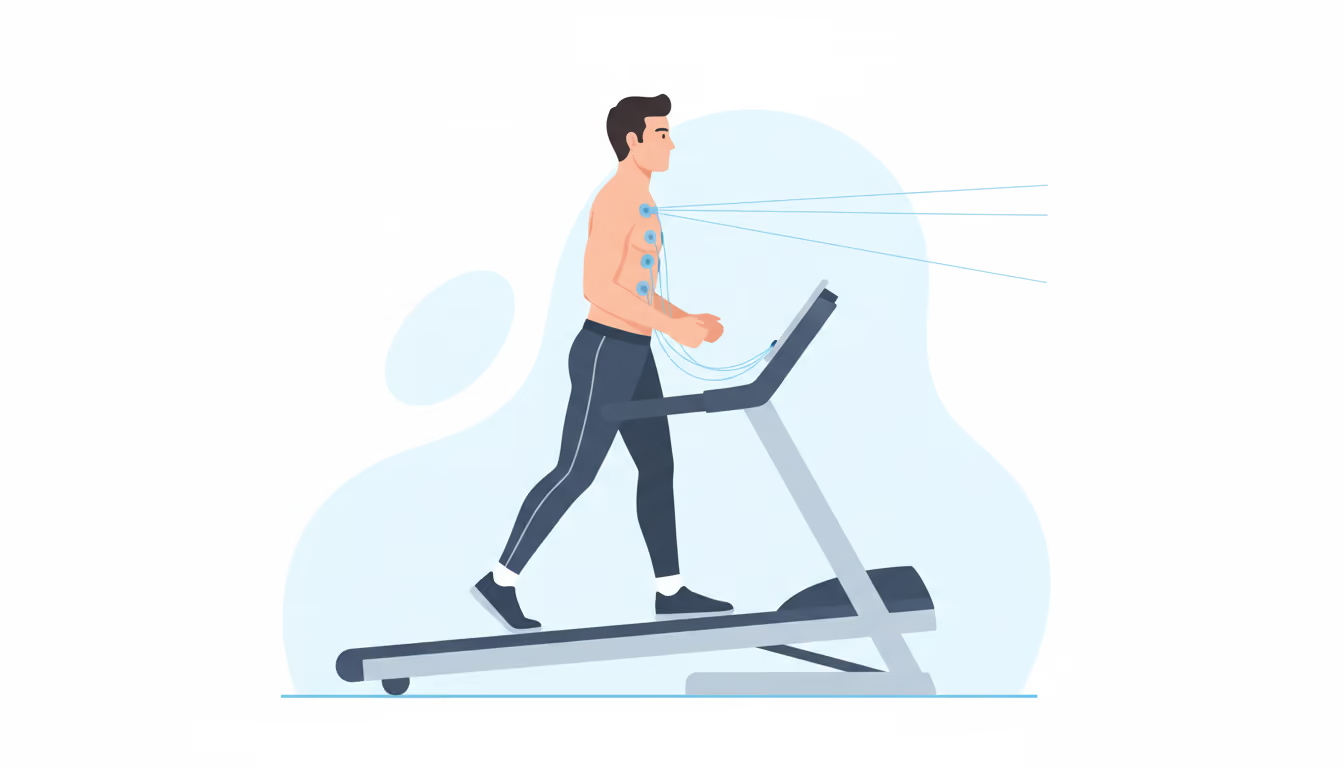
The Bruce protocol is a well-established, multistage treadmill test used to evaluate health. It was introduced in 1963 by American cardiologist Robert A. Bruce (1916-2004). In its original form, the test involves the patient walking on a treadmill that gradually increases in incline, with electrodes attached to the chest to monitor the EKG. Every three minutes, both the speed and incline of the treadmill are elevated, encompassing seven stages in total. Only highly fit athletes typically manage to complete all seven stages. The modified Bruce protocol adjusts this by starting the treadmill at a flat angle, with the initial intervals only increasing the slope. This test can reveal signs of chest pain and discomfort, indicate a previous heart attack, and detect abnormalities in the heart's ventricles.
CPR Certification Labs provides hands-on, American Heart Association–aligned CPR, BLS, ACLS, and PALS certification training to help providers master these life-saving skills.
Our technology delivers immediate, actionable feedback that refines your skills in real time.
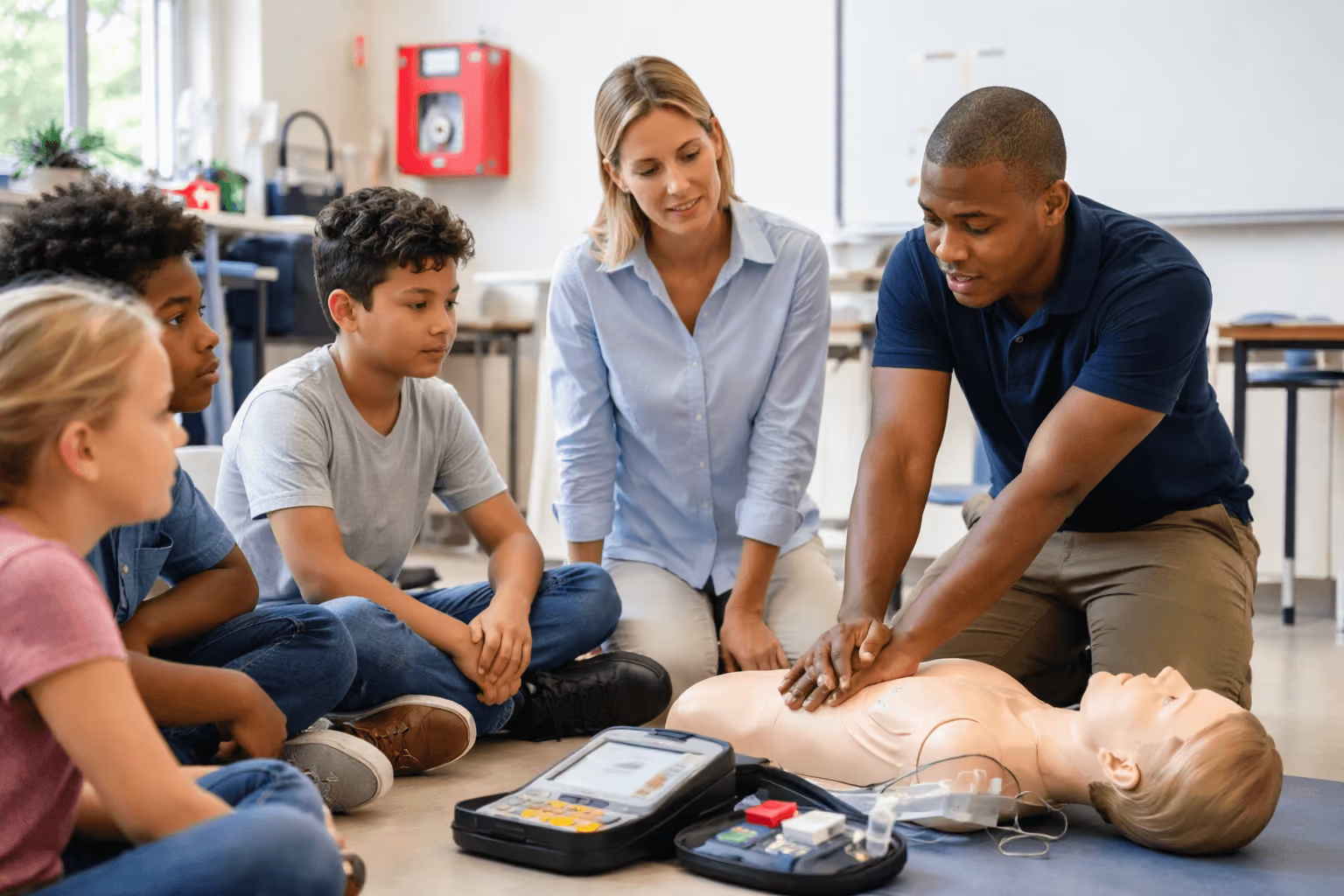
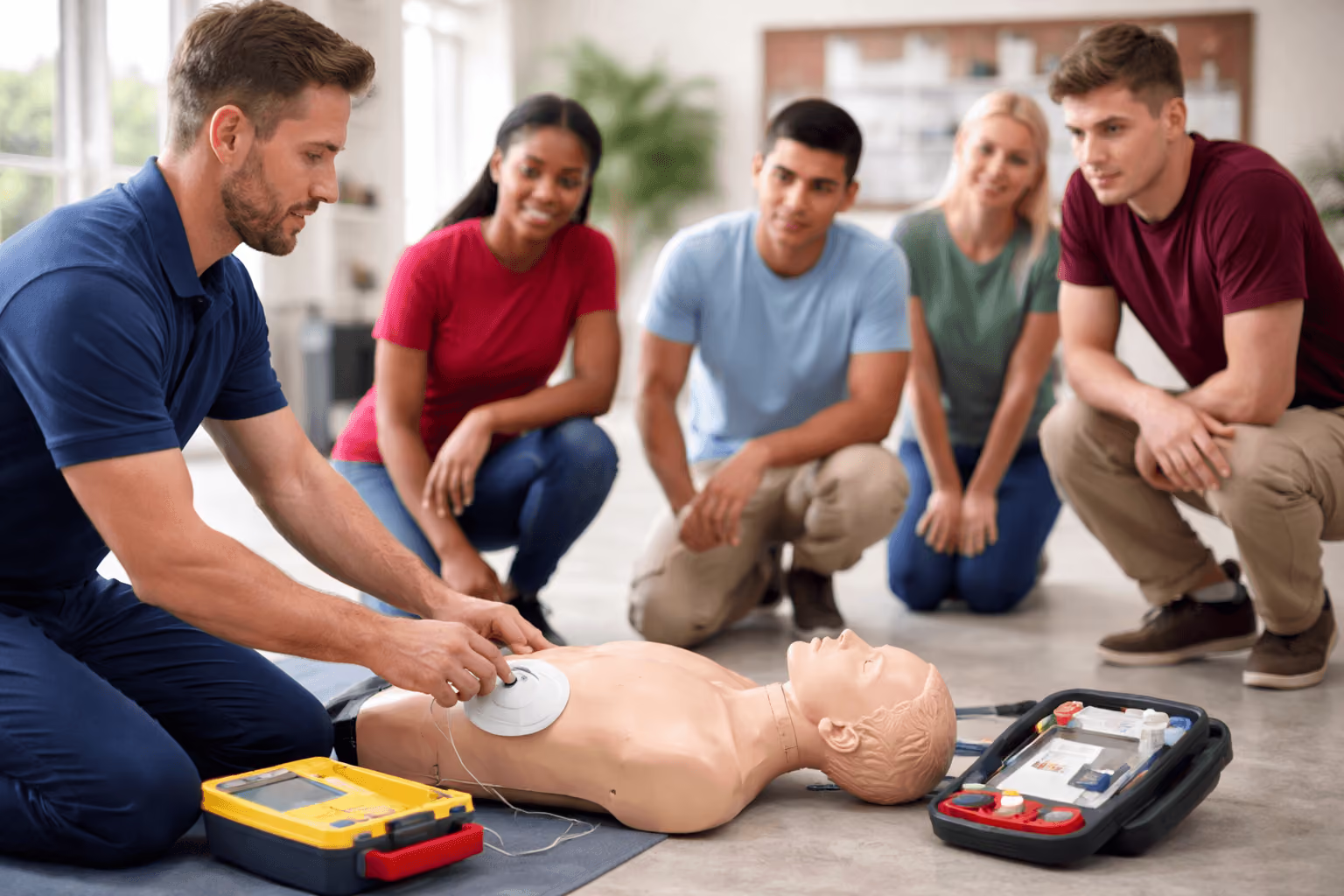
Understand how to safely and effectively operate an Automated External Defibrillator (AED) for adults, children, and infants.
Learn how to perform the Heimlich maneuver and clear airway obstructions caused by choking in both adults and infants.
Gain experience working as part of a team when more than one rescuer is available during an emergency.
Receive your AHA CPR Certification E-Card on the same day you complete the class and pass the exam.

CPR Certification Labs provides professional CPR and emergency training courses based on recognized industry standards.