Offer ends October 18.
This is some text inside of a div block.
Restart a Heart BLS Sale
RESTART99
Copy code

Creatinine is a byproduct of muscle metabolism, derived from a key molecule essential for energy production in muscles. Each day, around 2% of the body's creatine converts into creatinine, which is then carried through the bloodstream to the kidneys. The kidneys filter out most of this waste, excreting it in urine. Despite being a waste product, creatinine plays an important role in medical diagnostics, serving as a reliable indicator of kidney health. As kidney function deteriorates, creatinine levels in the blood rise. Elevated creatinine levels can signal potential kidney issues, often before any symptoms appear. This is why routine blood and urine tests measure creatinine levels.For adult males, normal blood creatinine levels range from approximately 0.6 to 1.2 milligrams per deciliter, while for adult females, the range is 0.5 to 1.1 milligrams per deciliter. In metric terms, a milligram is one-thousandth of a gram, and a deciliter is one-tenth of a liter. Younger or middle-aged adults may naturally have higher creatinine levels compared to the general population, whereas older individuals may have lower levels. Infants typically range around 0.2 or more, depending on muscle development. Individuals with a single kidney may have normal levels between 1.8 and 1.9. Levels reaching 2.0 or higher in babies and 10.0 or more in adults may necessitate dialysis to clear waste from the blood. Additionally, certain medications can sometimes lead to unusually high creatinine levels.
Our technology delivers immediate, actionable feedback that refines your skills in real time.
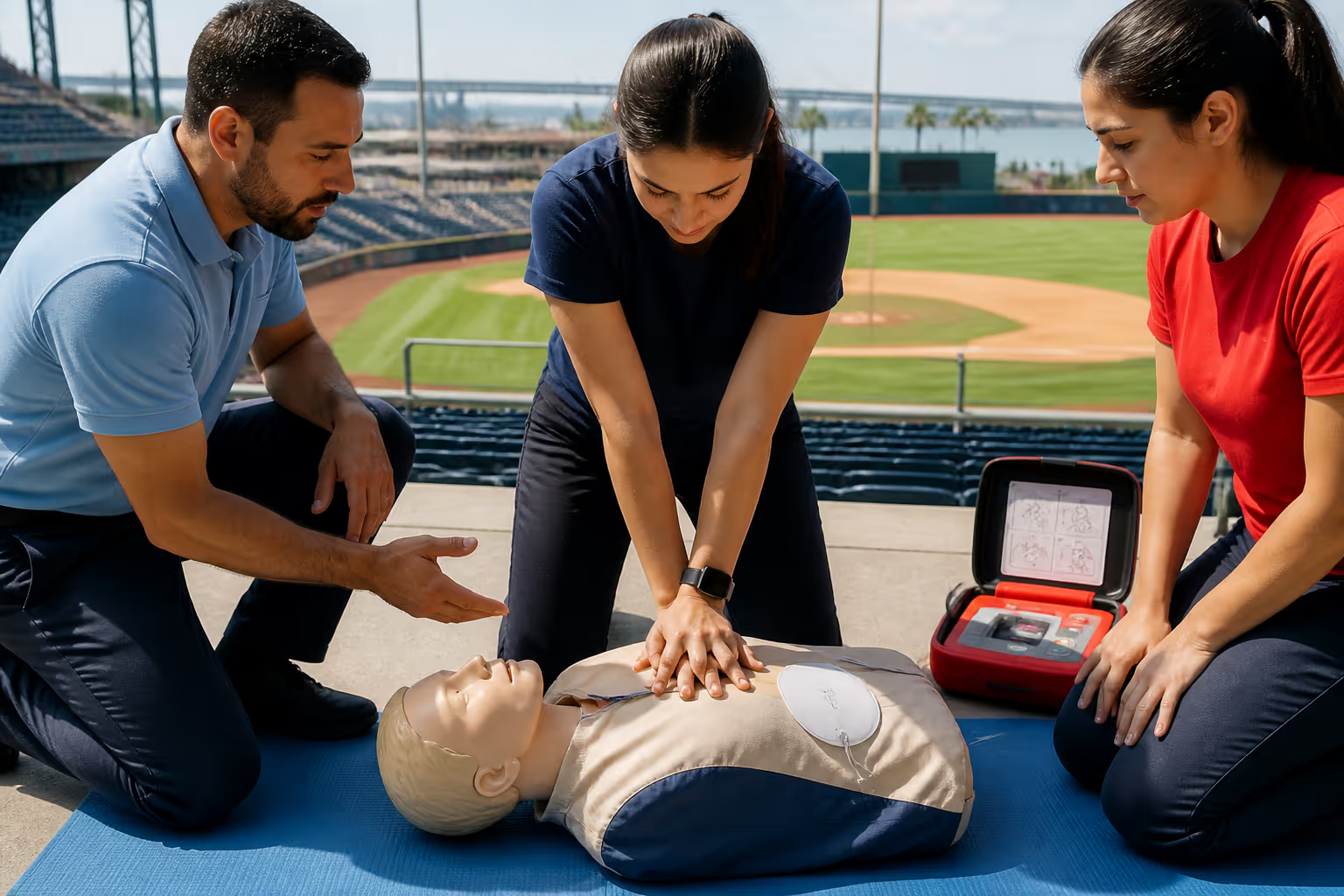
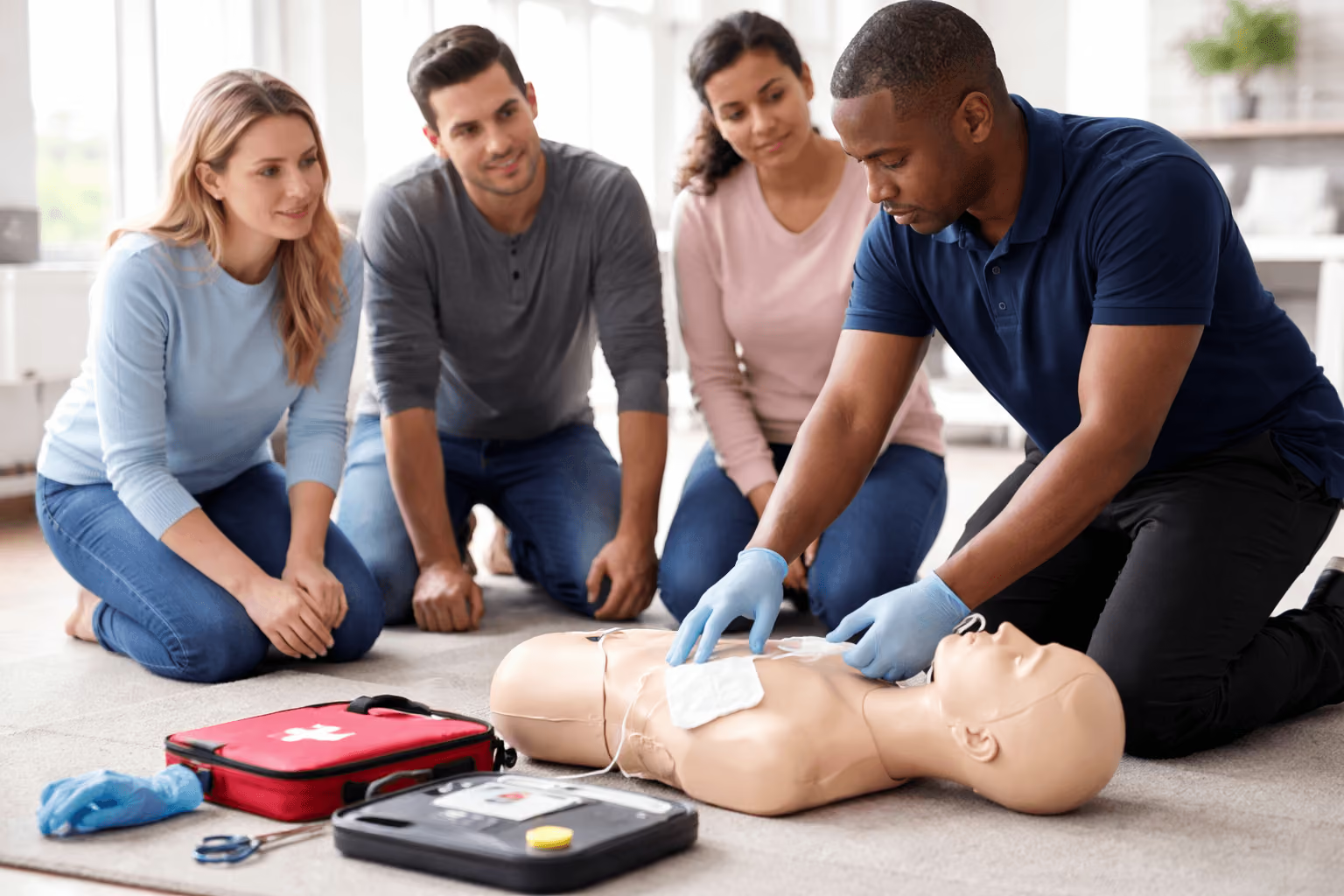
Understand how to safely and effectively operate an Automated External Defibrillator (AED) for adults, children, and infants.
Learn how to perform the Heimlich maneuver and clear airway obstructions caused by choking in both adults and infants.
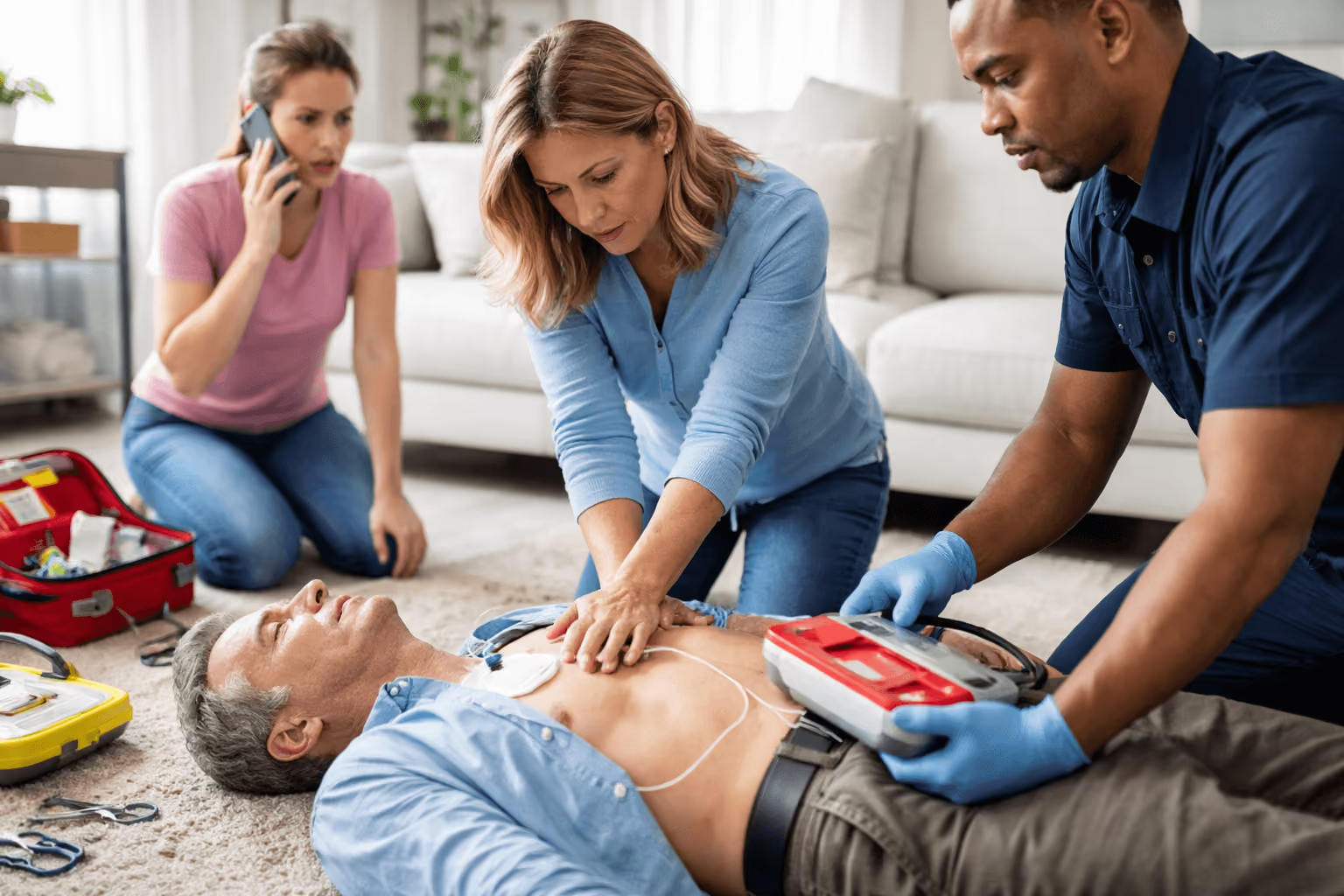
Gain experience working as part of a team when more than one rescuer is available during an emergency.
Receive your AHA CPR Certification E-Card on the same day you complete the class and pass the exam.

CPR Certification Labs provides professional CPR and emergency training courses based on recognized industry standards.