Offer ends Nov 29.
This is some text inside of a div block.
Thankful for Those Who Care
THANKS99
Copy code

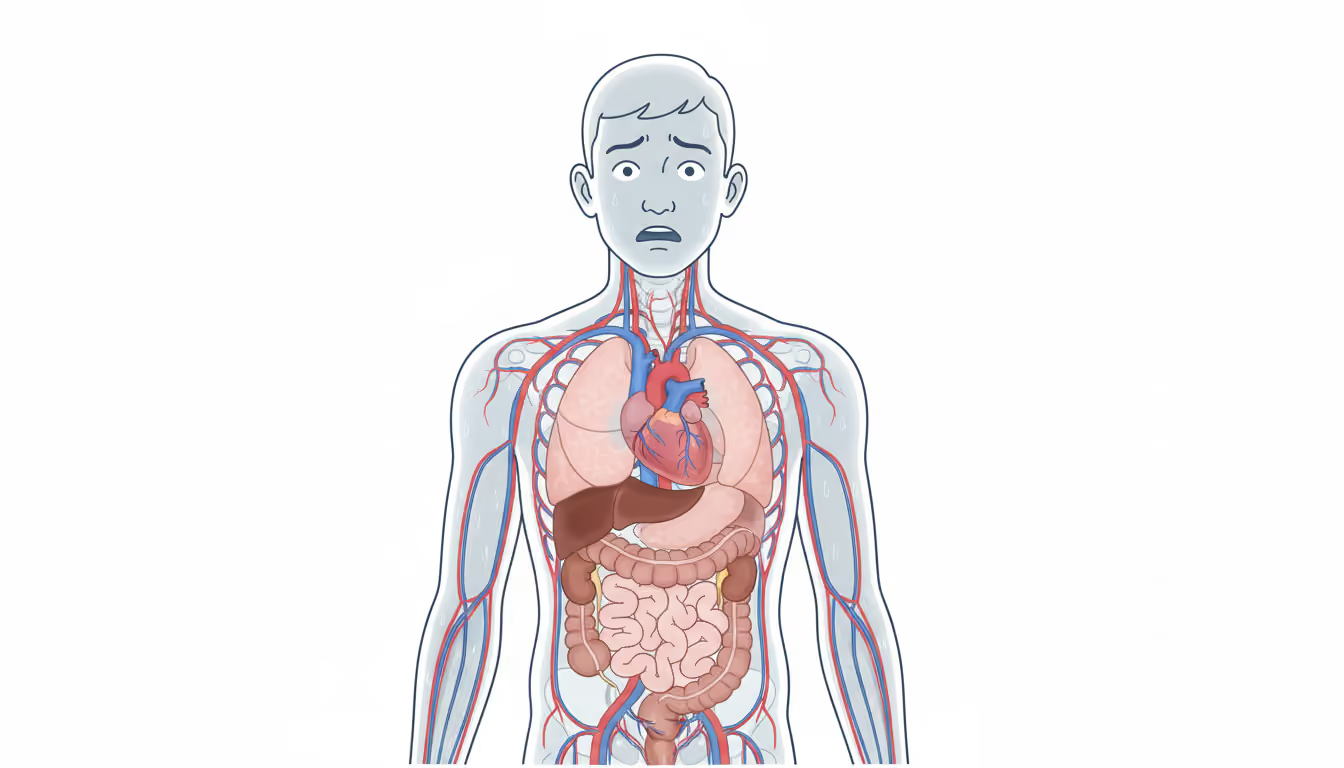
In the medical field, shock refers to a life-threatening condition caused by a sudden decrease in blood circulation throughout the body. This leads to insufficient blood flow, which severely limits the supply of oxygen and essential nutrients to critical organs. Additionally, it affects kidney function, hindering the body's ability to eliminate waste. Shock can arise from various factors, such as low blood volume or inadequate cardiac output. Symptoms include rapid breathing (hyperventilation), a weak and fast pulse, and cold, clammy skin with a grayish-blue tint. Other signs include reduced urine production and a sense of intense anxiety, confusion, or even aggressive behavior. Shock is a serious medical emergency often following severe injuries. Immediate treatment involves keeping the patient warm, giving nothing to eat or drink by mouth, providing fluids intravenously if needed, and administering medications to enhance heart and circulatory function.
In Pediatric Advanced Life Support (PALS), providers learn to tell compensated shock from decompensated (hypotensive) shock, so that shock in a child is recognized and treated early.
Our technology delivers immediate, actionable feedback that refines your skills in real time.
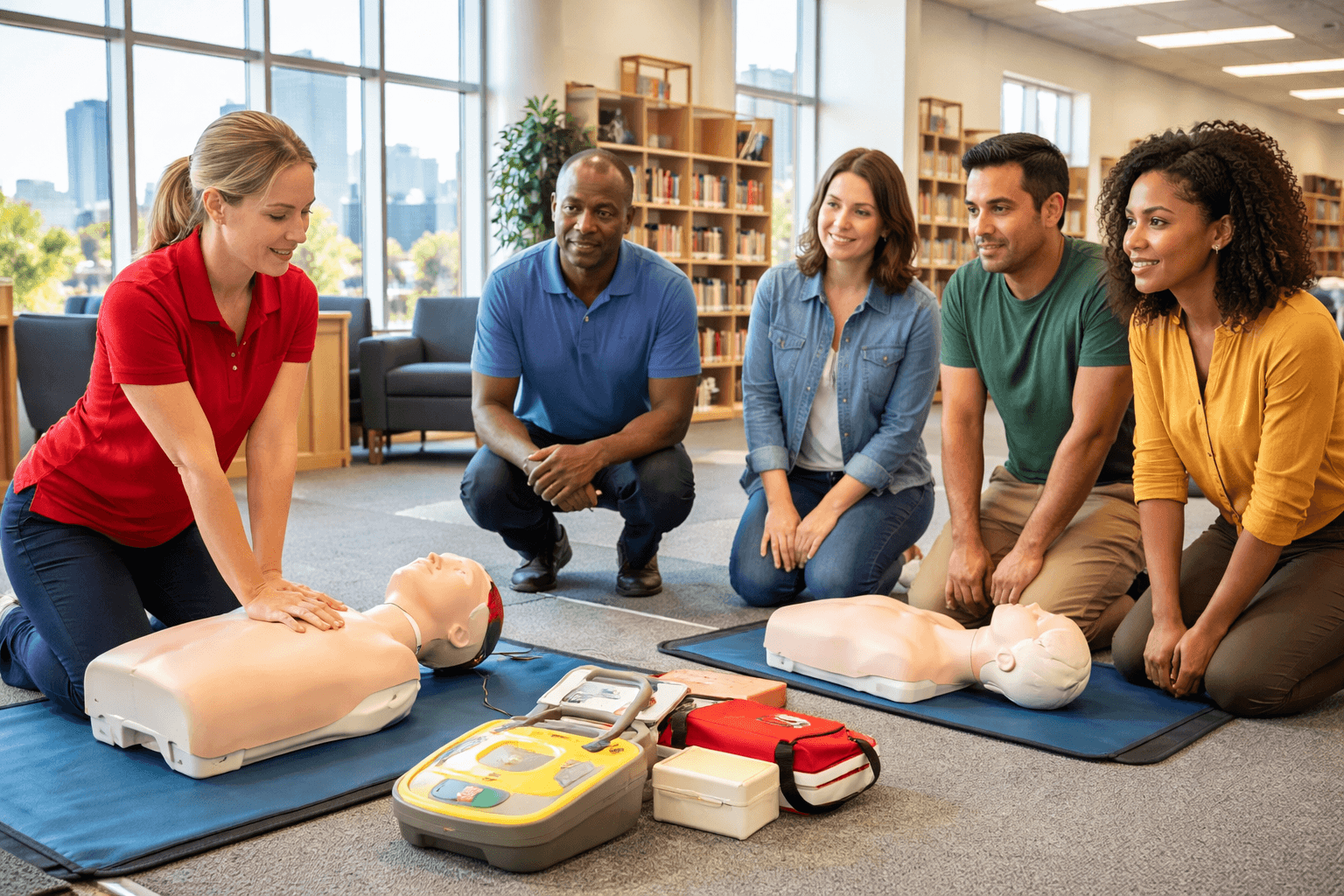
Understand how to safely and effectively operate an Automated External Defibrillator (AED) for adults, children, and infants.
Learn how to perform the Heimlich maneuver and clear airway obstructions caused by choking in both adults and infants.
Gain experience working as part of a team when more than one rescuer is available during an emergency.
Receive your AHA CPR Certification E-Card on the same day you complete the class and pass the exam.

CPR Certification Labs provides professional CPR and emergency training courses based on recognized industry standards.