Offer ends October 18.
This is some text inside of a div block.
Restart a Heart BLS Sale
RESTART99
Copy code

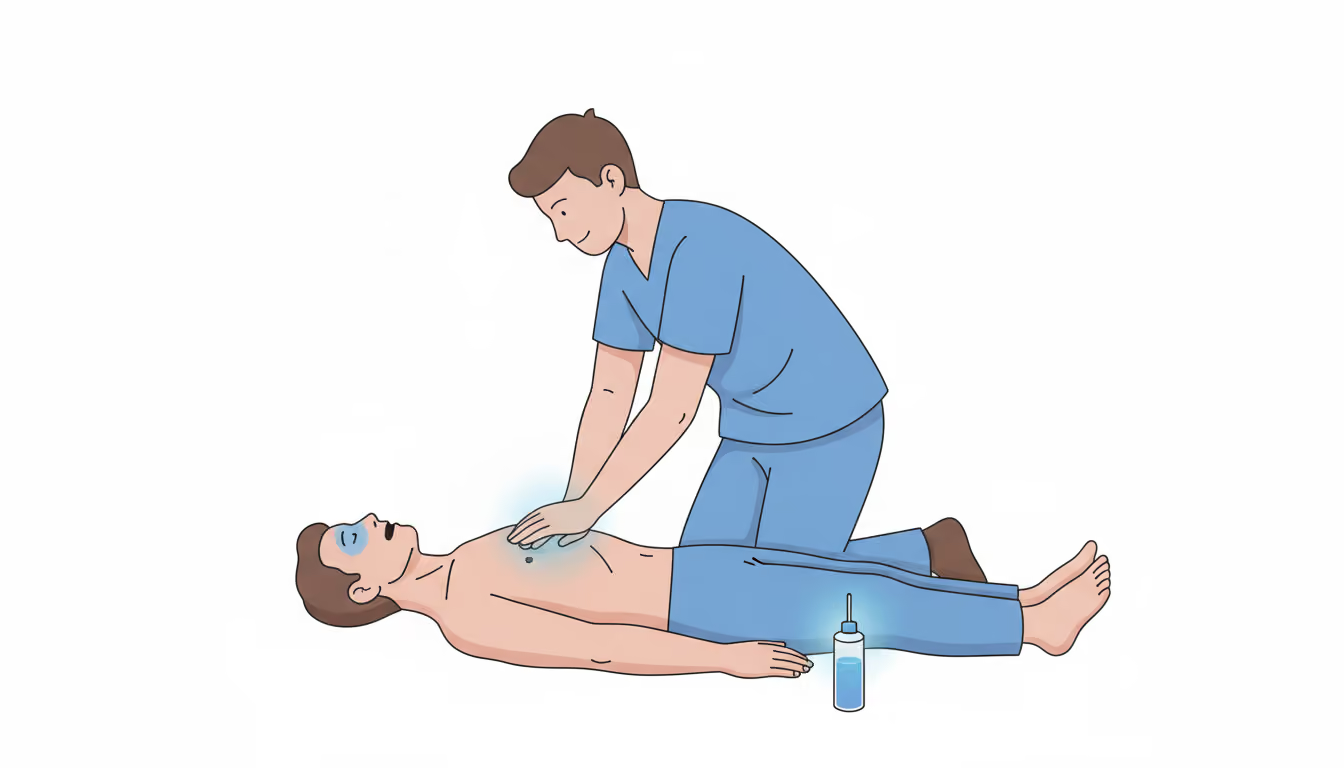
Opiate: A substance, either a medication or an illicit drug, that is extracted from the poppy plant. Opiates act as sedatives that slow down bodily functions, alleviate pain, and promote sleep. Examples of opiates include codeine and morphine. On the other hand, the term "opioid" is more encompassing, originally referring to any natural (like opiates) or synthetic substance that interacts with opioid receptors in the brain, resulting in sedation and pain relief. Synthetic opioids include prescription pain medications such as hydrocodone (Vicodin) and oxycodone (OxyContin), as well as fentanyl and methadone. In recent years, "opioid" has been used more broadly to describe the entire category of drugs, encompassing both natural opium derivatives (opiates) and synthetic opioids. All opioids can cause side effects like excessive sedation, nausea, and constipation. Prolonged use may lead to addiction, and misuse can result in overdose and potentially fatal consequences.
Our technology delivers immediate, actionable feedback that refines your skills in real time.
Understand how to safely and effectively operate an Automated External Defibrillator (AED) for adults, children, and infants.
Learn how to perform the Heimlich maneuver and clear airway obstructions caused by choking in both adults and infants.
Gain experience working as part of a team when more than one rescuer is available during an emergency.
Receive your AHA CPR Certification E-Card on the same day you complete the class and pass the exam.

CPR Certification Labs provides professional CPR and emergency training courses based on recognized industry standards.