AED access in McKinney and why it matters
AED access in McKinney is becoming a stronger community priority as schools, first responders, and local leaders work together to improve cardiac arrest readiness. When a sudden emergency happens, fast CPR, early AED use, and a clear emergency response plan can make a critical difference.
Recent efforts in McKinney show how practical planning can support safer public spaces. By combining education, engineering, and fire department guidance, McKinney ISD students are helping solve a real problem: how to place AEDs so they are easier to store, reach, and use when seconds matter.
What McKinney ISD and the fire department are doing
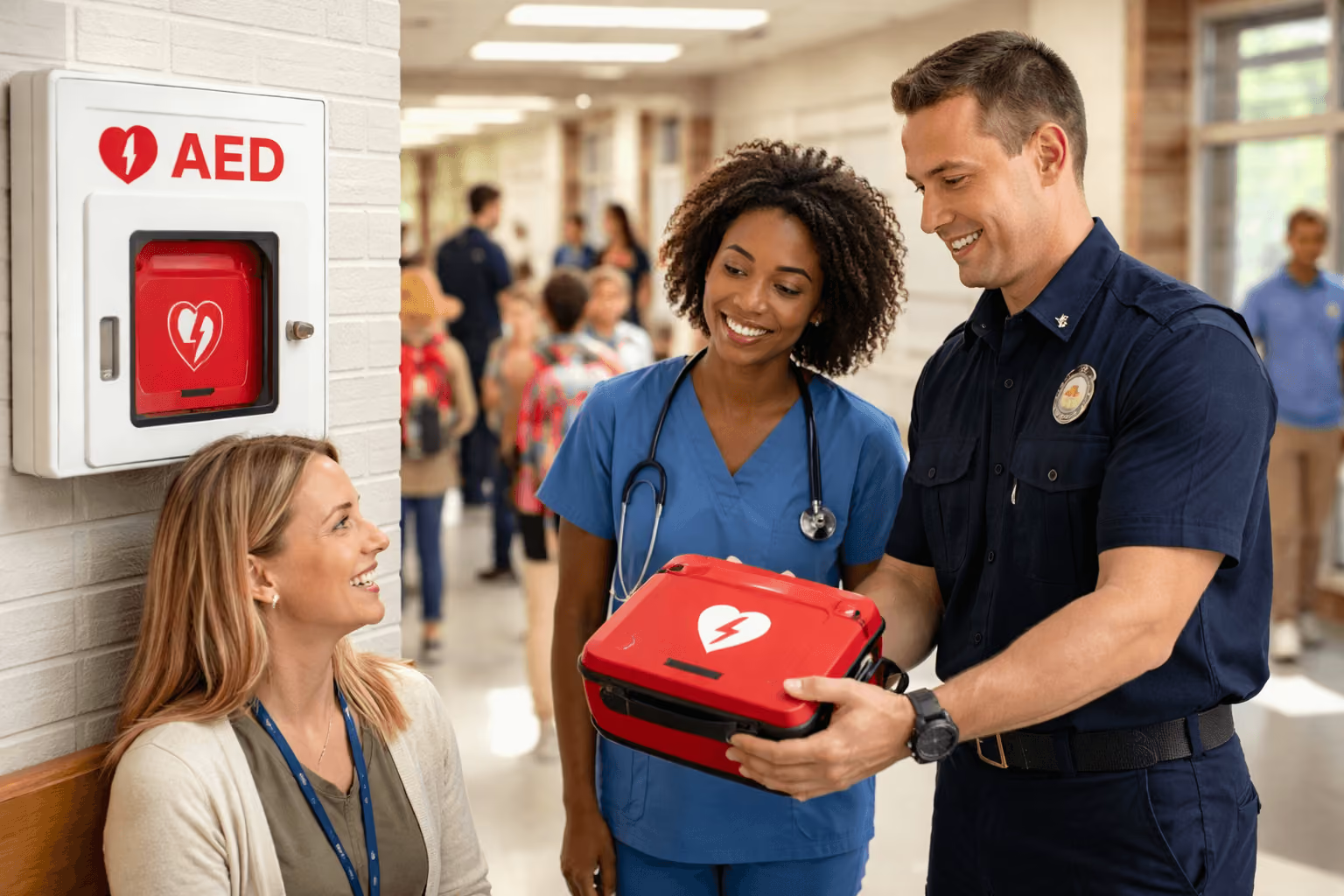
McKinney ISD students recently took part in a design project focused on AED mounts for newer, smaller devices used in public cabinets. The project connected classroom learning with a real community need, giving students a chance to study cardiac arrest, the circulatory system, and the role of emergency response tools in survival.
The McKinney Fire Department has also expanded AED placement throughout the city in public areas such as libraries, parks, recreation centers, and police vehicles. That kind of access supports a more prepared community and makes it more likely that an AED will be nearby when a cardiac emergency occurs.
These efforts also align with the larger goal of building a community where more people understand CPR and know how to act quickly. When bystanders are prepared to respond, they can help bridge the time before professional responders arrive.
Understanding CPR, AEDs, and emergency response
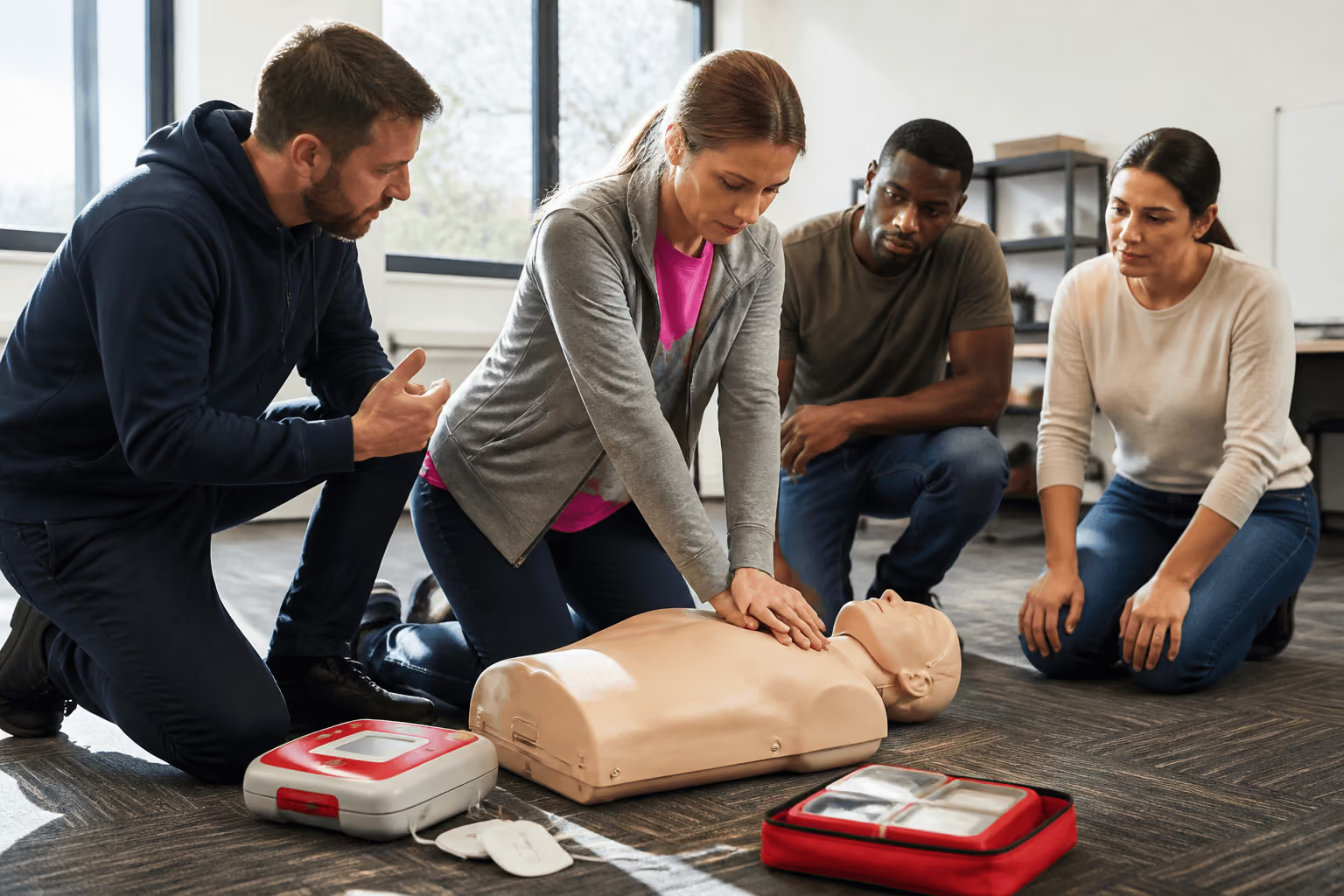
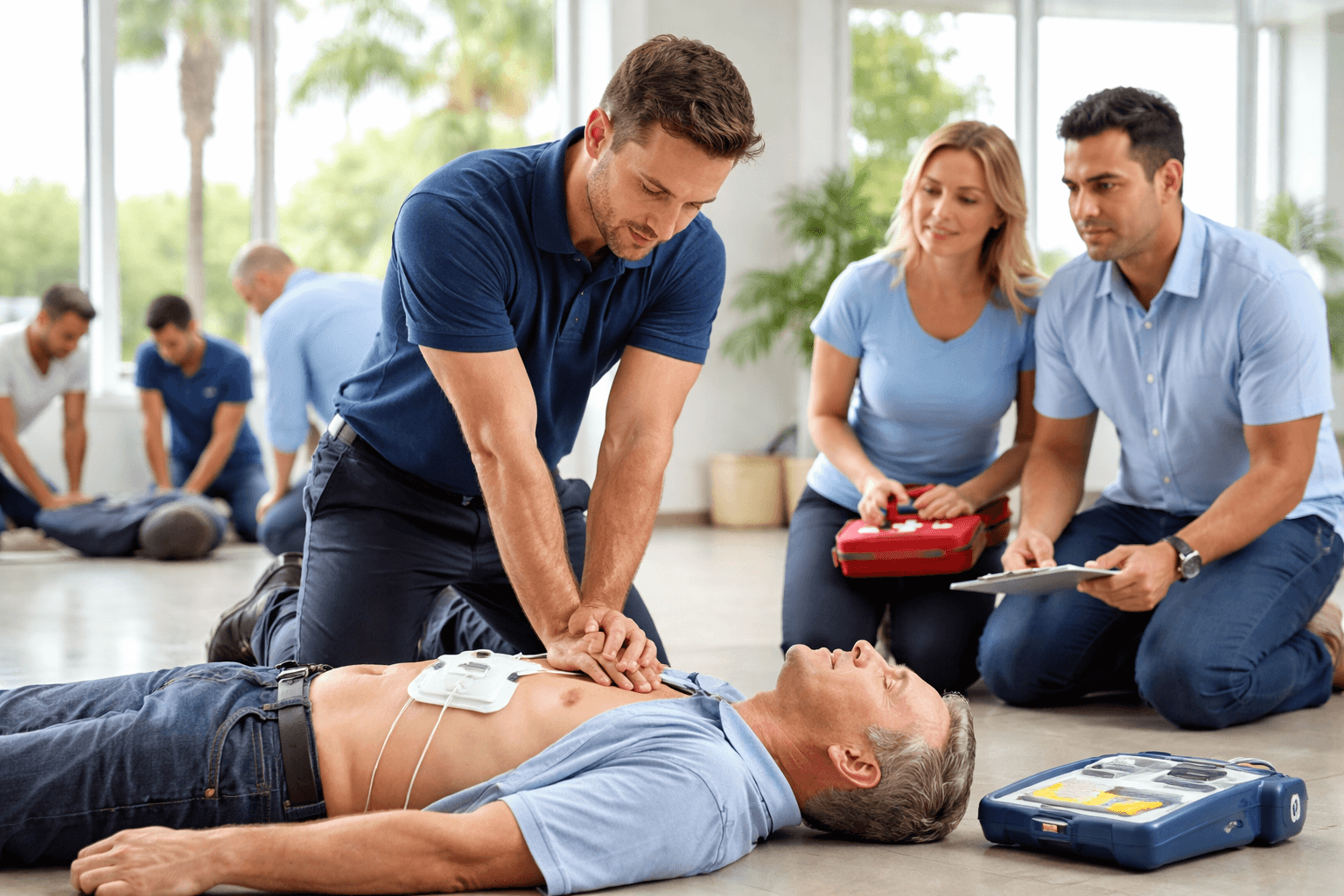
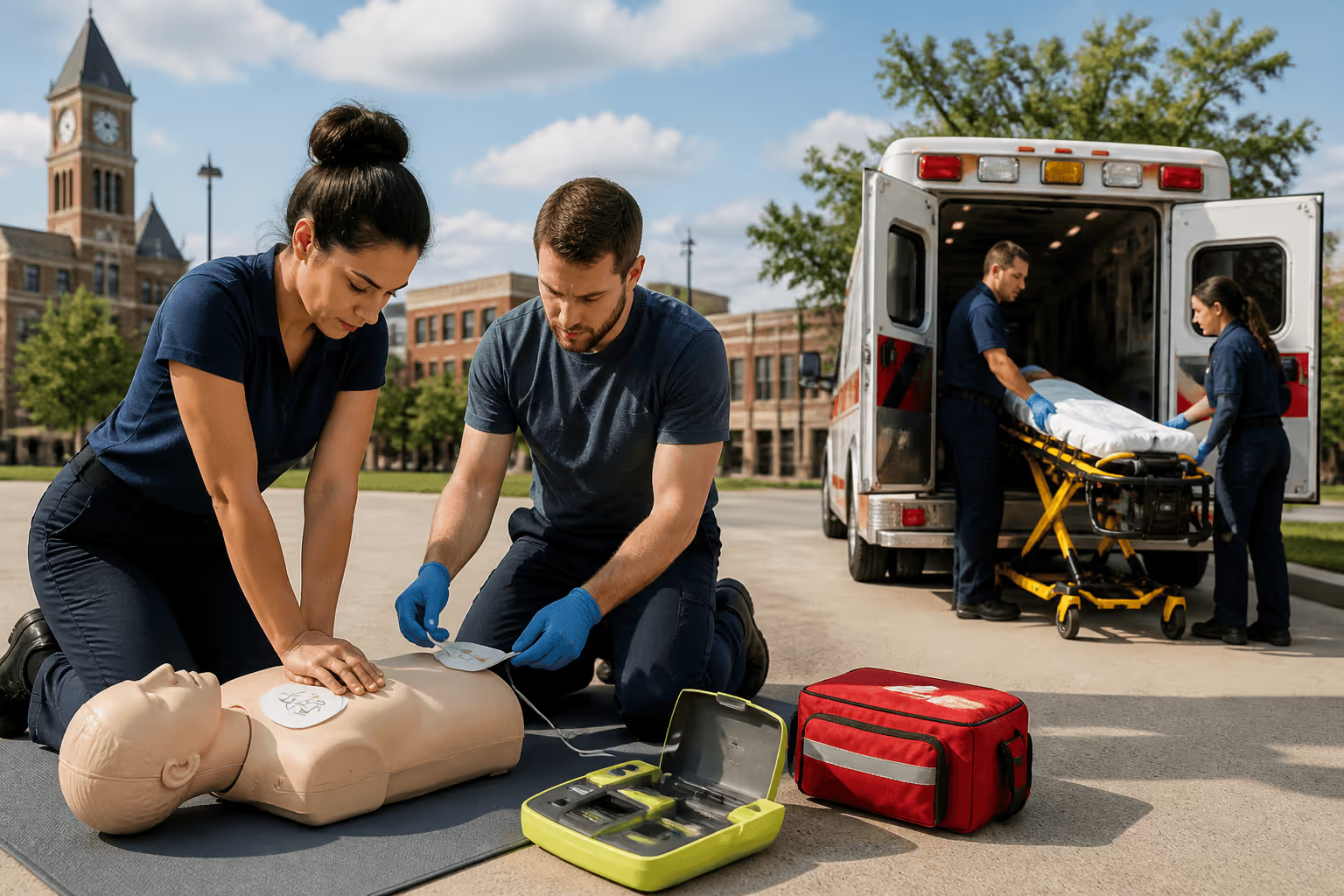
CPR and AED use work together during cardiac arrest. CPR helps maintain blood flow to vital organs, while an AED can analyze the heart rhythm and deliver a shock if needed. For many people, the first few minutes are the most important, which is why emergency response education matters in schools, workplaces, and neighborhoods.
In a real emergency, do not wait to see if the person improves on their own. If someone collapses, is unresponsive, or is not breathing normally, call 911 right away and follow dispatcher instructions. If an AED is available, use it as soon as possible and continue CPR until help arrives.
This article is for general educational purposes only and is not a substitute for professional medical advice, diagnosis, treatment, or certified CPR training. In an emergency, call 911 immediately.
Who this topic is for
This update is useful for parents, teachers, school staff, coaches, city employees, and anyone who wants to better understand emergency response in a community setting. It is also relevant for healthcare professionals and workplace teams who want to reinforce CPR and first aid readiness.
Families in McKinney may find this especially important because many cardiac arrest events happen at home. Learning how to recognize an emergency, call 911, and begin CPR can help prepare more people to respond confidently before first responders arrive.
Why local AED planning helps the community
Local AED planning is not just about having devices available; it is also about making them easy to place, easy to find, and easy to use. Student-designed mounts can support safer storage and quicker access, which may reduce delays in an emergency.
McKinney’s approach also shows the value of community education. When students learn about CPR, AEDs, and first aid, they bring that knowledge home. Over time, that kind of learning helps build a stronger culture of readiness around cardiac arrest and emergency response.
Benefits of choosing CPR Certification Labs
CPR Certification Labs supports learners who want practical, straightforward training in CPR, AED use, and first aid. Our courses are designed to help participants understand the steps to take in a medical emergency and build confidence through clear instruction and hands-on practice.
If you are looking for local training in McKinney, our office can help you find a convenient option and answer questions about class scheduling, workplace needs, and refresher training. We focus on accessible instruction for healthcare professionals and community members who want dependable CPR education.
For local class information, visit our McKinney - Tucker Hill office page.
Nearby local context
This effort reflects a broader local commitment to emergency readiness across McKinney. As schools, fire crews, and residents continue to support AED access in shared spaces, the community gains more opportunities to respond quickly during a cardiac arrest event.
Nearby public spaces and city services are part of that readiness effort, especially when AEDs are placed where people gather and when more residents understand how CPR and emergency response work together.
FAQ
Why is AED access in McKinney important?
Because cardiac arrest can happen without warning, nearby AEDs and trained bystanders can help speed up emergency response and support better outcomes.
What should I do if someone collapses?
Check for responsiveness, call 911, start CPR if needed, and use an AED as soon as one is available while following dispatcher instructions.
Who should learn CPR and AED use?
Teachers, parents, coaches, office staff, and healthcare professionals can all benefit from CPR, AED, and first aid training.
About our McKinney - Tucker Hill office
- Address: 7200 W University Dr, Suite 218
- Phone: (903) 627-2841
- Email: McKinney@cprcertificationlabs.com
- Hours:
Monday to Friday: 6am - 8pm
Saturday to Sunday: 7am - 5pm