Sudden Cardiac Arrest Fort Worth: What a New Film Reminds Us
sudden cardiac arrest Fort Worth is more than a search phrase in a movie headline. It points to a real emergency that can unfold in schools, gyms, and sports fields with little warning, and it highlights why CPR, AED readiness, and fast emergency response matter so much.
The Fort Worth-based film The Last Whistle uses a high school football collapse to show how quickly a routine practice can turn into a life-threatening event. The story is fictional, but the message is practical: when someone collapses and is unresponsive, the people nearby may be the first and only chance for help before professional responders arrive.
Why Schools and Sports Settings Need Preparedness
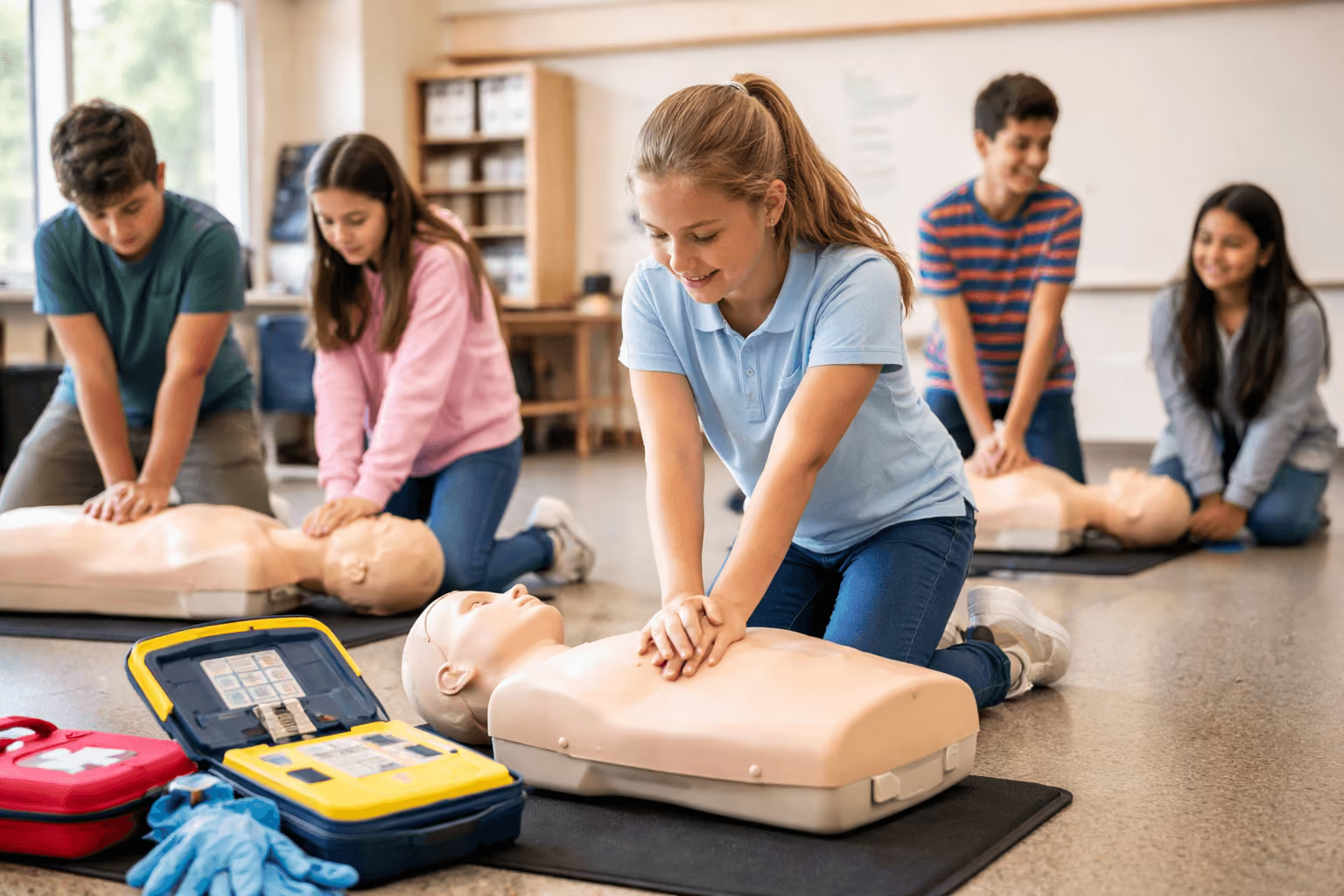
Schools are busy places with students, coaches, teachers, parents, and staff moving through the day. Sports settings add speed, exertion, and crowds. That combination makes it important for adults on site to know where the AED is stored, how to recognize cardiac arrest, and how to begin CPR right away.
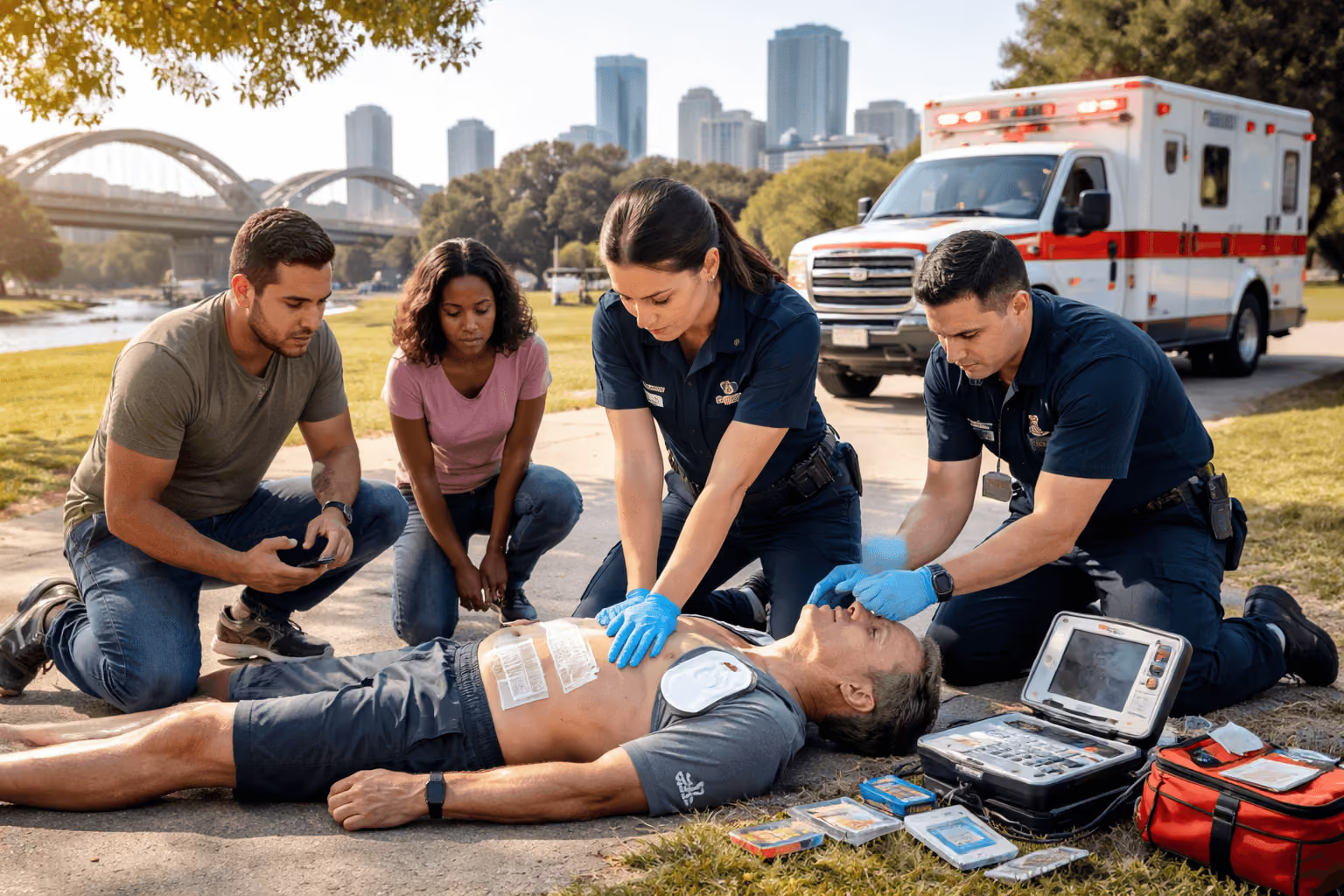
In many emergencies, hesitation costs time. A person in sudden cardiac arrest may not respond, may not breathe normally, and may collapse suddenly. In that moment, emergency response should be immediate and organized. One person should start CPR, another should retrieve the AED, and someone else should call 911.
What Sudden Cardiac Arrest Is and Why It Matters
Sudden cardiac arrest is different from a heart attack. It is an electrical problem that stops the heart from pumping effectively. Without immediate CPR and defibrillation from an AED, the chance of survival drops quickly. That is why public awareness campaigns, school action plans, and hands-on training are so important.
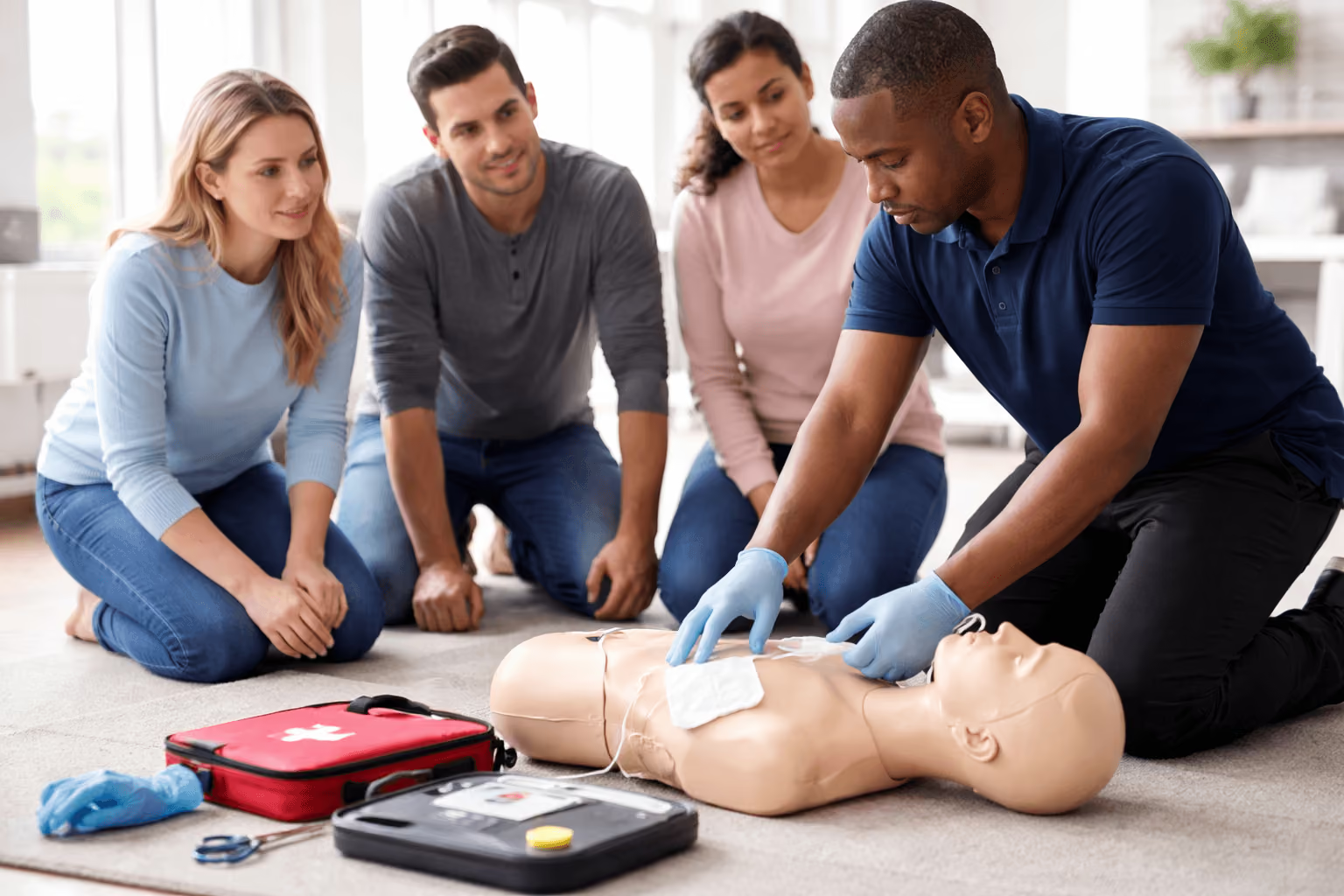
Movies can help bring attention to these risks, but training turns awareness into action. CPR teaches how to provide chest compressions. AED training helps users follow the device’s voice prompts with confidence. First aid knowledge also supports safer decision-making while waiting for emergency medical teams.
Who Should Pay Attention to This Story
This topic matters for coaches, teachers, athletic trainers, school administrators, parents, volunteers, and students old enough to take part in emergency response planning. It also matters for anyone who works around young athletes or large groups of people.
- Coaches and athletic staff who may be first on scene
- Teachers and school employees responsible for student safety
- Parents who want to know a school’s emergency plan
- Students and volunteers who can learn CPR and AED basics
- Community members who want stronger first aid readiness
Why CPR, AED, and First Aid Training Make a Difference
Preparedness is not about panic. It is about clear steps that reduce confusion during a stressful event. CPR Certification Labs helps learners build practical skills they can use in real emergencies. Training is designed to be direct, accessible, and relevant to healthcare workers, school personnel, and other adults who want to be ready to help.
When a cardiac emergency happens, the best response is fast action: assess the scene, call 911, start CPR if needed, and use the AED as soon as it is available. That sequence supports the chain of survival and gives the person in crisis the best possible chance while help is on the way.
This article is for general educational purposes only and is not a substitute for professional medical advice, diagnosis, treatment, or certified CPR training. In an emergency, call 911 immediately.
Local Relevance in Fort Worth
Fort Worth families, schools, and athletic programs understand the value of being ready. The city’s active community life means there are many places where a sudden collapse could happen: on a field, in a classroom, at a gym, or during a community event. Knowing the emergency plan before a crisis occurs can make a major difference.
If your workplace, school, or sports program wants a stronger response plan, it helps to identify AED locations, assign emergency roles, and practice how to react. A few minutes of preparation can support a faster and more confident response when every second matters.
Choose CPR Certification Labs in Fort Worth
CPR Certification Labs offers CPR, AED, and first aid training for people who want practical skills and clear instruction. The Fort Worth office serves local learners from 6940 River Park Circle with hours that fit busy schedules, Monday through Sunday from 7am to 8pm. If you are looking for local training that supports real-world emergency response, visit the Fort Worth office page to learn more.
Local training helps teams prepare together, build confidence, and improve readiness for sudden cardiac arrest in schools and sports settings.
FAQ
What should I do first if someone collapses?
Check the scene, tap and shout to see if the person responds, call 911, and begin CPR if they are unresponsive and not breathing normally. Use an AED as soon as it arrives.
Why is AED access so important?
An AED can analyze the heart rhythm and give a shock if needed. Fast use, combined with CPR, can be critical during sudden cardiac arrest.
Who should take CPR training?
Anyone who may respond in an emergency can benefit from CPR training, especially coaches, teachers, school staff, parents, and workplace safety teams.
About our Fort Worth office
- Address: 6940 River Park Circle
- Phone: (817) 420-7629
- Email: fortworth@cprcertificationlabs.com
- Hours:
Monday – Sunday: 7am - 8pm