Offer ends October 18.
This is some text inside of a div block.
Restart a Heart BLS Sale
RESTART99
Copy code

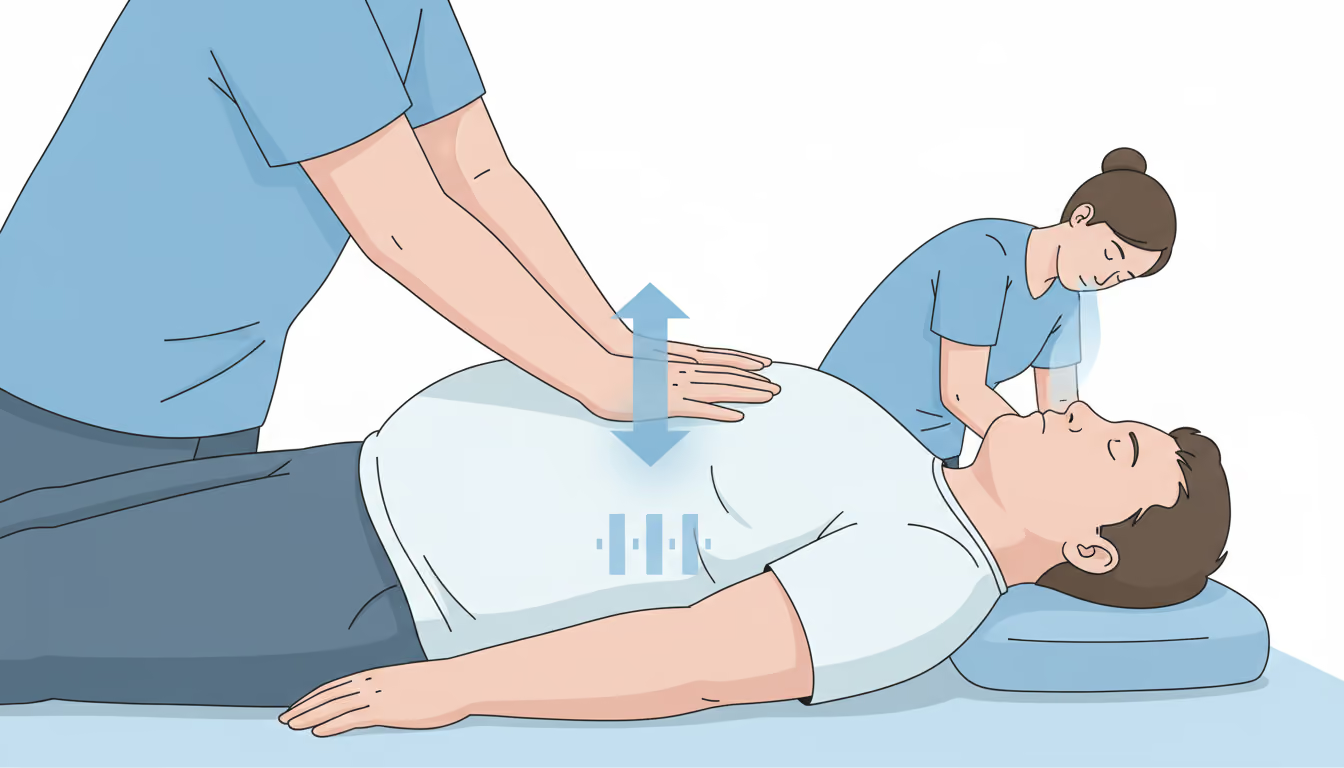
Overweight:Significantly exceeding a healthy weight range. Traditionally, a person is considered overweight if they are more than 20% above their optimal weight, which should reflect their height, age, gender, and body type. The National Institutes of Health (NIH) have more accurately defined obesity as having a Body Mass Index (BMI) of 30 or higher. A BMI of 30 typically equates to being about 30 pounds over the ideal weight. BMI is a crucial measure that relates body mass to height, calculated by dividing a person's weight in kilograms by the square of their height in meters. Since BMI assesses weight in relation to height, it has a strong correlation with total body fat in adults. However, certain individuals with high muscle mass may have an elevated BMI without facing significant health risks.Obesity is often caused by a combination of genetic and behavioral factors, necessitating treatment approaches that go beyond mere dietary adjustments. Effective management frequently includes exercise, counseling, support, and sometimes medication, in addition to dietary changes, to address weight issues. Conversely, extreme dieting can sometimes worsen obesity. Excess weight significantly raises the risk of several health issues, including:- Type 2 diabetes- Hypertension (high blood pressure)- Coronary artery disease (CAD) or myocardial infarction (heart attack)- Stroke- Certain cancers, such as breast, colorectal, and endometrial cancer- Gallbladder disease- Osteoarthritis, particularly of the knees, hips, and lower back- Sleep apnea (breathing difficulties during sleep, reducing blood oxygen levels)- Pickwickian syndrome (characterized by obesity, a flushed face, and sleepiness).
CPR Certification Labs provides hands-on, American Heart Association–aligned CPR, BLS, ACLS, and PALS certification training to help providers master these life-saving skills.
Our technology delivers immediate, actionable feedback that refines your skills in real time.
Understand how to safely and effectively operate an Automated External Defibrillator (AED) for adults, children, and infants.
Learn how to perform the Heimlich maneuver and clear airway obstructions caused by choking in both adults and infants.
Gain experience working as part of a team when more than one rescuer is available during an emergency.
Receive your AHA CPR Certification E-Card on the same day you complete the class and pass the exam.

CPR Certification Labs provides professional CPR and emergency training courses based on recognized industry standards.