Offer ends October 18.
This is some text inside of a div block.
Restart a Heart BLS Sale
RESTART99
Copy code

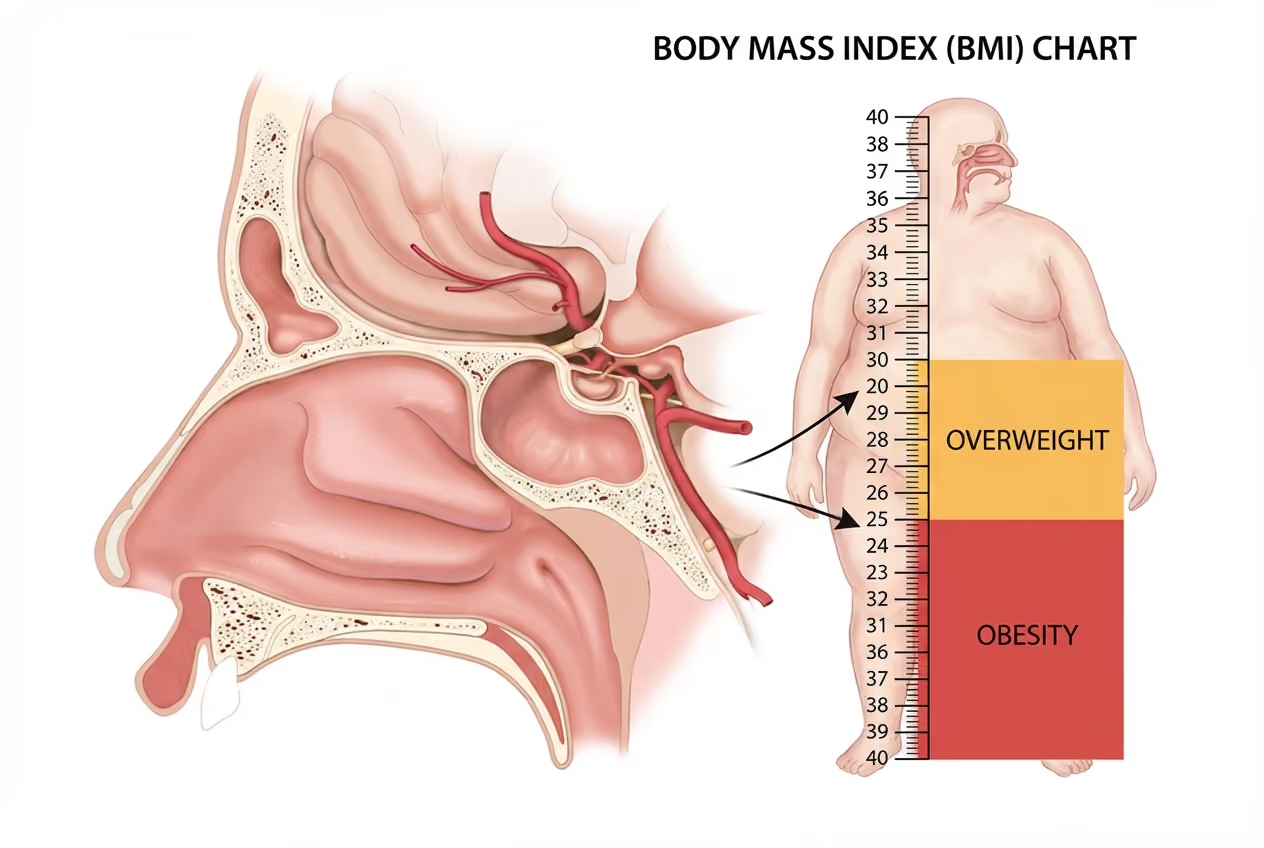
Overweight:The term "overweight" is used in two distinct ways. One way is as a general expression to indicate that someone is heavy. In a more specific context, "overweight" refers to a condition that falls between normal weight and obesity. The National Institutes of Health (NIH) currently defines overweight using the Body Mass Index (BMI), which is calculated by dividing a person's weight in kilograms by the square of their height in meters. Because BMI considers body weight in relation to height, it has a strong correlation with total body fat in adults. According to the NIH, women are considered overweight with a BMI of 27.3% or higher, and men with a BMI of 27.8% or higher. Obesity is classified as having a BMI of 30 or above.
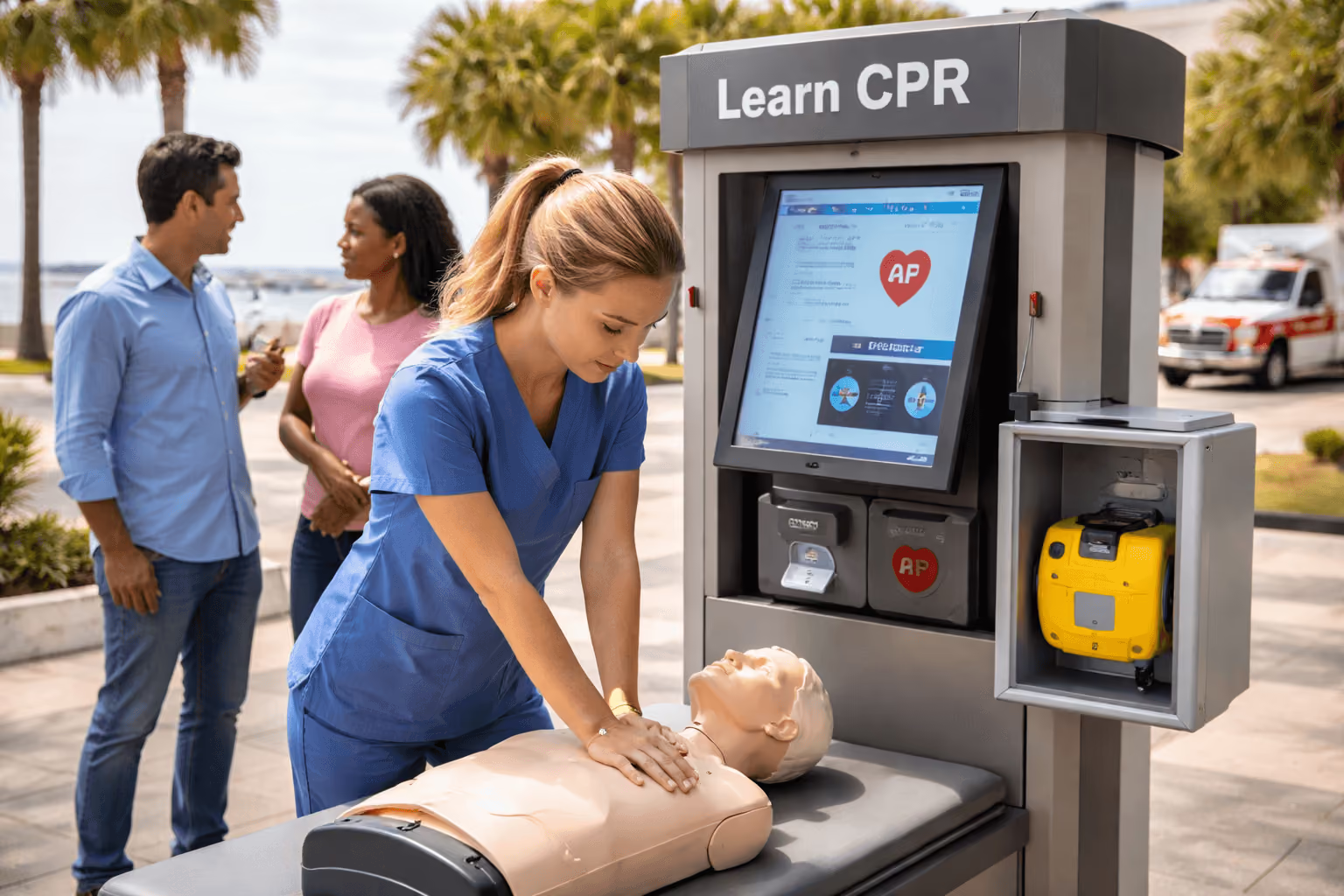
Our technology delivers immediate, actionable feedback that refines your skills in real time.
Understand how to safely and effectively operate an Automated External Defibrillator (AED) for adults, children, and infants.
Learn how to perform the Heimlich maneuver and clear airway obstructions caused by choking in both adults and infants.
Gain experience working as part of a team when more than one rescuer is available during an emergency.
Receive your AHA CPR Certification E-Card on the same day you complete the class and pass the exam.

CPR Certification Labs provides professional CPR and emergency training courses based on recognized industry standards.