Houston Texans and the American Heart Association trained youth coaches in CPR and AED use to improve emergency response
Houston Texans and the American Heart Association trained youth coaches in CPR and AED use to improve response planning during youth sports, highlighting a simple truth: when cardiac arrest happens, the people closest to the athlete may be the first chance for survival. For coaches, volunteers, and parents in Houston, CPR and AED readiness is not just a nice extra; it is part of responsible emergency response.
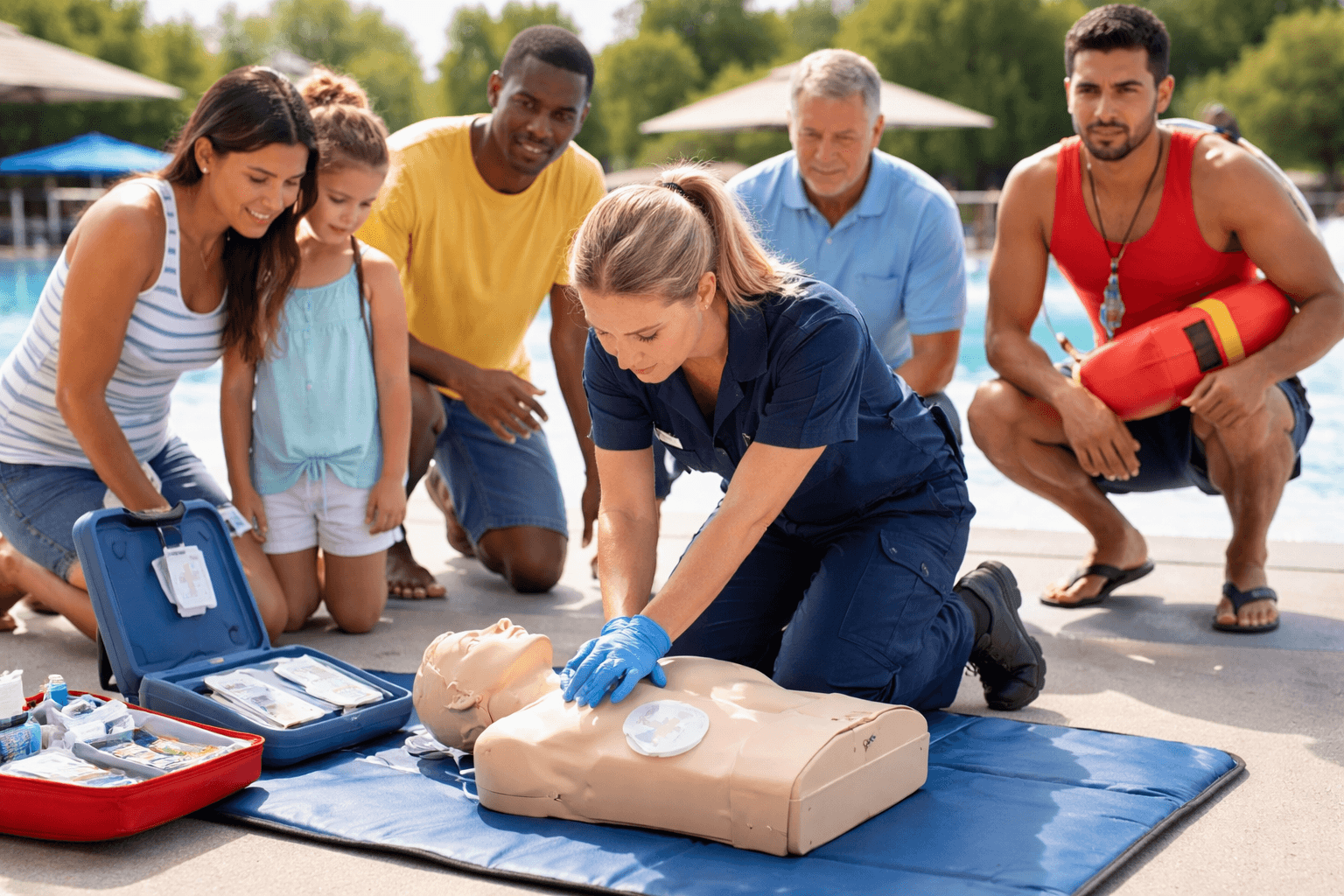
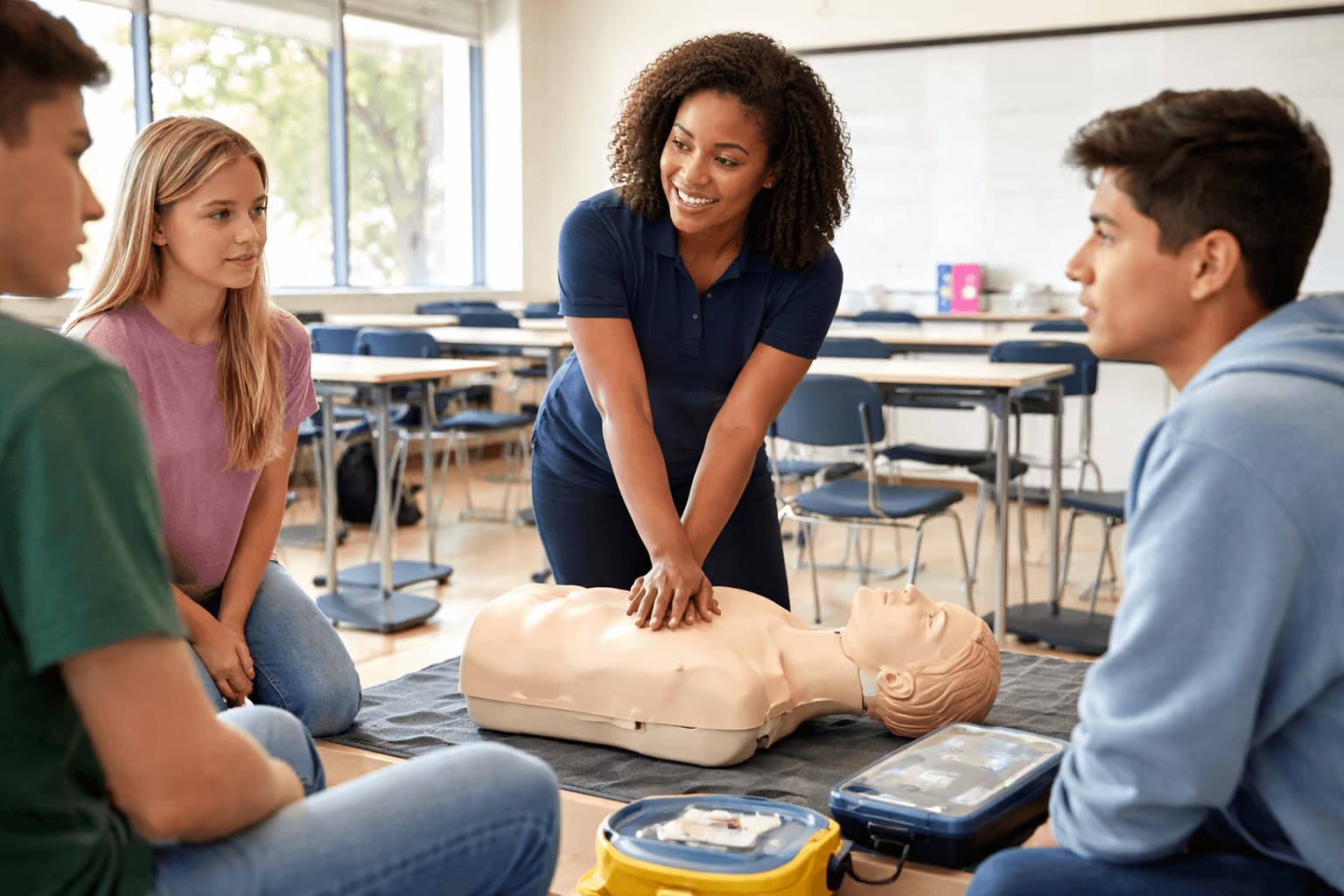
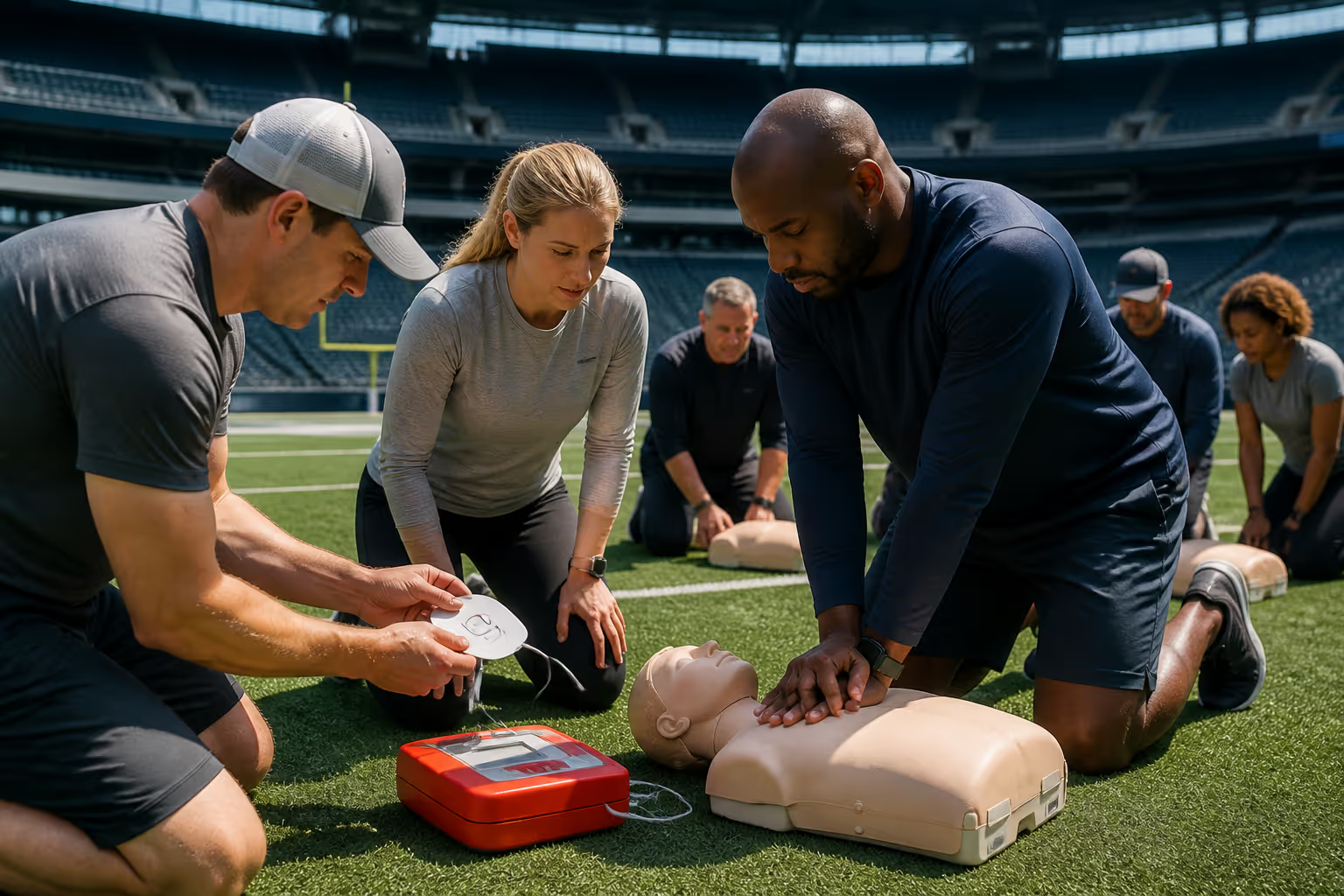
The training effort brought together nearly 100 youth sports coaches at the Houston Methodist Training Center just before National CPR Week. Participants practiced how to recognize cardiac arrest, begin CPR, and use an AED with confidence. The message is especially relevant in youth athletics, where emergencies can unfold quickly and without much warning.
Why this matters for youth sports in Houston
In a busy sports setting, there may be only moments to act. A coach on the field often has a different role than a clinician in a hospital, but the need for calm, organized action is similar. Knowing when to call for help, how to start compressions, and how to access an AED can help bridge the gap until EMS arrives.
For families and teams in North Houston, this is a practical reminder to review emergency plans before the next practice or game. A strong response plan should include the location of the nearest AED, who will call 911, and which adults know first aid basics.
CPR and AED use: what the training teaches
CPR training gives people a repeatable process they can remember under stress. In a sudden collapse, the priority is to activate emergency response fast, start CPR if the person is unresponsive and not breathing normally, and use an AED as soon as one is available. AEDs are designed to guide users step by step, which makes them especially valuable in public settings like schools, gyms, and fields.
This kind of training also helps reduce hesitation. Many bystanders know they should help, but they may worry about making a mistake. Hands-on practice can build confidence, and that confidence matters when seconds count.
Who should consider CPR training
This news is relevant for youth coaches, athletic directors, parents, school staff, fitness leaders, and anyone who regularly supervises children or teens. It is also useful for workplace teams that want to be ready for medical emergencies in public spaces. If you are responsible for children during sports, field trips, or after-school activities, CPR and AED skills should be part of your preparation.
- Youth sports coaches who supervise practices and games
- Parents who volunteer at games or tournaments
- Teachers and school staff who support student activities
- Community volunteers who help with recreation programs
- Anyone who wants stronger emergency response skills
Benefits of CPR certification with CPR Certification Labs
At CPR Certification Labs, training is designed to be clear, practical, and easy to apply in real situations. We focus on helping learners understand the steps of CPR, how AEDs support emergency response, and how to stay organized while waiting for EMS. Our courses are built for healthcare professionals and community members who want reliable instruction without unnecessary complexity.
For people in the North Houston area, CPR training can be a smart step before a new sports season begins. Whether you are preparing for a coaching role or refreshing your skills, learning the basics in a structured setting can make you more confident during a crisis.
Local relevance for Houston area teams and families
Houston has a large and active youth sports community, which means more practices, more tournaments, and more chances for an emergency to occur away from a hospital. That makes preparedness important across the region. Coaches who train in CPR and AED use help create safer sidelines, especially when volunteer support is part of the program.
If your team meets near North Houston, consider taking a course before the next season starts. CPR Certification Labs serves learners from across the area, including those who want convenient access to training near North Houston.
Practical steps every team can take
Even without a formal medical background, teams can improve readiness with a few simple habits. Keep emergency contact information current, confirm where the AED is stored, and make sure several adults know who will call 911 if needed. Rehearsing the response plan before games can reduce confusion if an athlete collapses.
It also helps to talk through the difference between first aid for minor injuries and emergency response for cardiac arrest. Not every incident is life-threatening, but when a person is unresponsive and not breathing normally, the response must be immediate.
Why CPR training matters now
When a public figure, sports organization, or community program emphasizes CPR education, it reinforces a lesson that applies everywhere: preparedness saves time. For youth sports in particular, AED access and trained adults can make a meaningful difference in the first few minutes of an emergency. That is why ongoing CPR training should be treated as part of a team’s safety culture, not a one-time event.
This article is for general educational purposes only and is not a substitute for professional medical advice, diagnosis, treatment, or certified CPR training. In an emergency, call 911 immediately.
For more details on the original announcement, see American Heart Association Newsroom.
FAQ
Why do youth coaches need CPR and AED training?
Youth coaches are often present when athletes are active, which means they may be among the first adults available during a sudden cardiac arrest. CPR and AED skills help them respond faster while emergency responders are on the way.
What should a team do if an athlete collapses?
Call 911, begin CPR if the person is unresponsive and not breathing normally, and use an AED as soon as possible. Assign specific adults to each task if more than one responder is available.
Is AED use difficult to learn?
No. AEDs are made to be user-friendly and provide voice prompts. Basic training helps people understand how to turn the device on, follow the instructions, and continue emergency response until help arrives.
About our North Houston office
- Address: 2930 Cypress Grove Meadows Dr
- Phone: (346) 353 2291
- Email: houstonnorth@cprcertificationlabs.com
- Hours:
Monday – Sunday: 7am - 8pm