Table of Contents
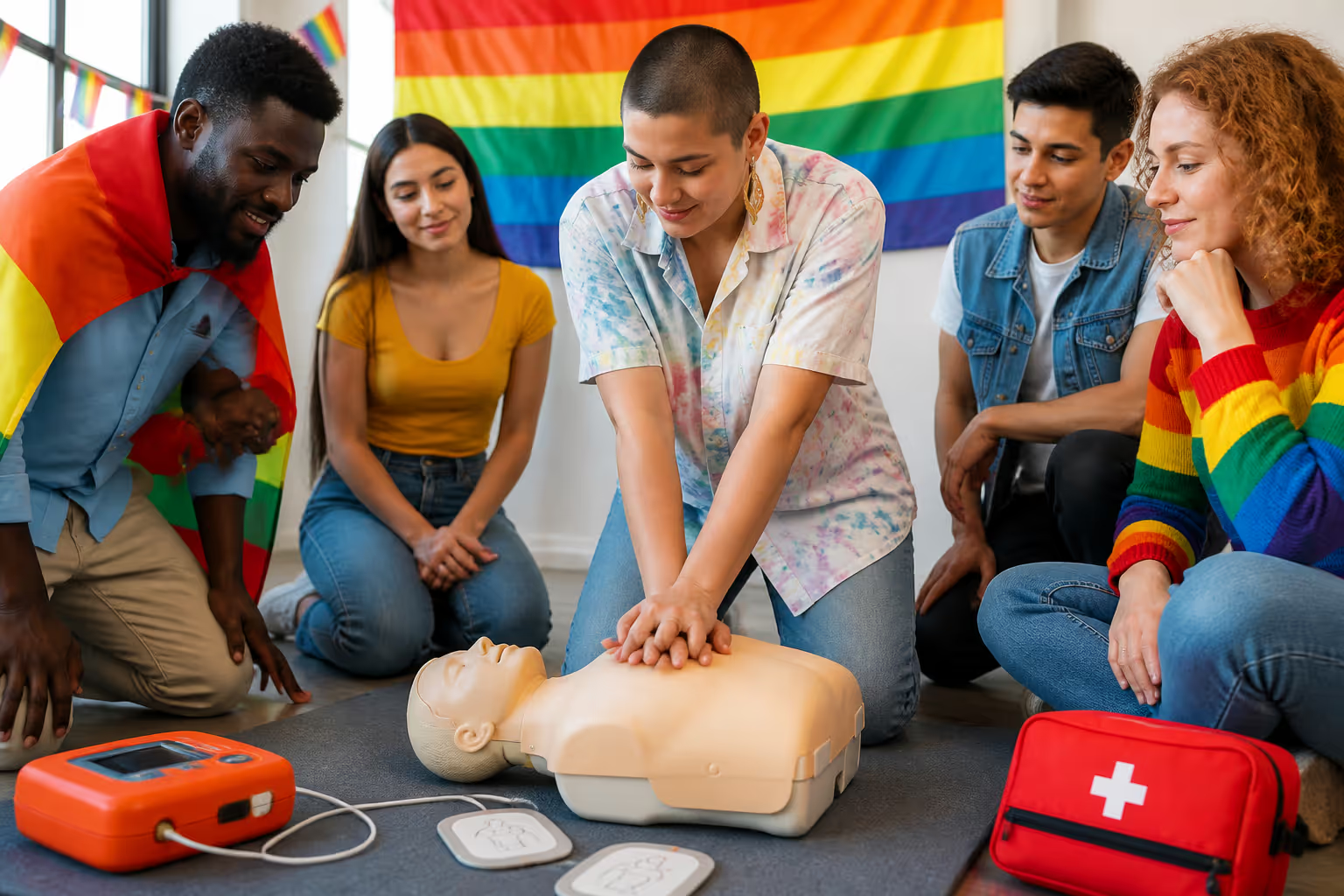
Pride Month national CPR awareness piece encouraging LGBTQ+ communities and allies to learn Hands-On
Pride Month is a time to celebrate community and care, and it is also a smart moment to build lifesaving readiness. This Pride Month national CPR awareness piece encouraging LGBTQ+ communities and allies to learn Hands-On CPR is a reminder that a few minutes of training can help someone be prepared when a cardiac emergency happens at home, at a Pride event, or anywhere people gather.
One important lesson from recent national heart health coverage is that CPR skills are useful long before an emergency starts. Out-of-hospital cardiac arrest remains a leading emergency threat because every second matters, and bystanders often decide whether help begins immediately. Learning what to do, practicing the steps, and knowing when to call 911 can make a real difference.
Local context: preparedness matters in every community
In Dallas and surrounding communities, Pride events, neighborhood gatherings, workplaces, fitness spaces, and volunteer activities bring people together throughout the month. Those settings are meaningful because they are also the places where quick emergency response may be needed. If a person suddenly collapses and is unresponsive, the nearest prepared bystander may be the first link in the chain of survival.
Local awareness also matters because heart health is shaped by access, stress, and education. National discussions about LGBTQ+ cardiovascular health have highlighted how stigma and chronic stress can affect long-term health. That makes CPR education especially valuable as a practical skill that supports community resilience, confidence, and readiness.
What Hands-Only CPR, AED use, and first aid training cover
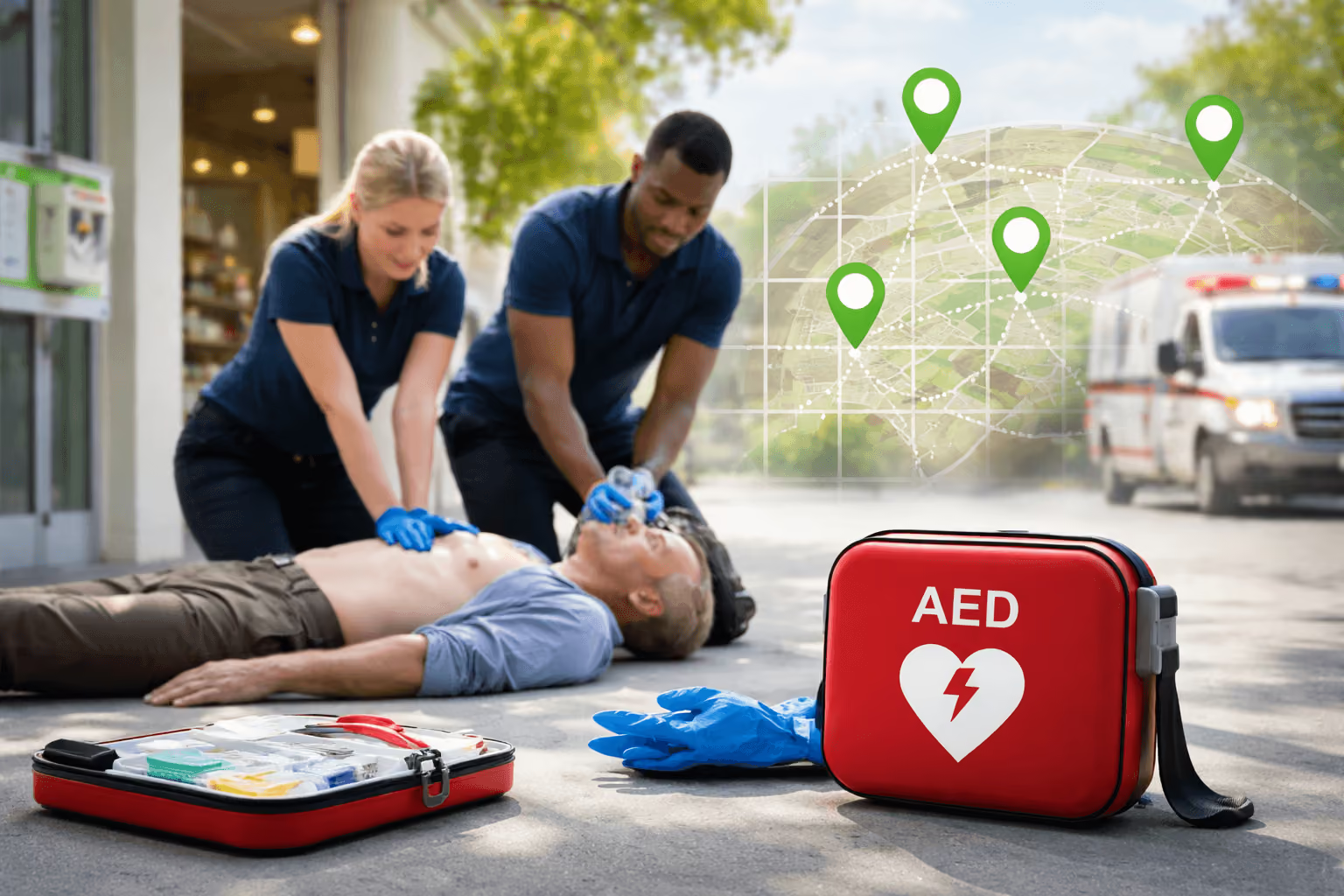
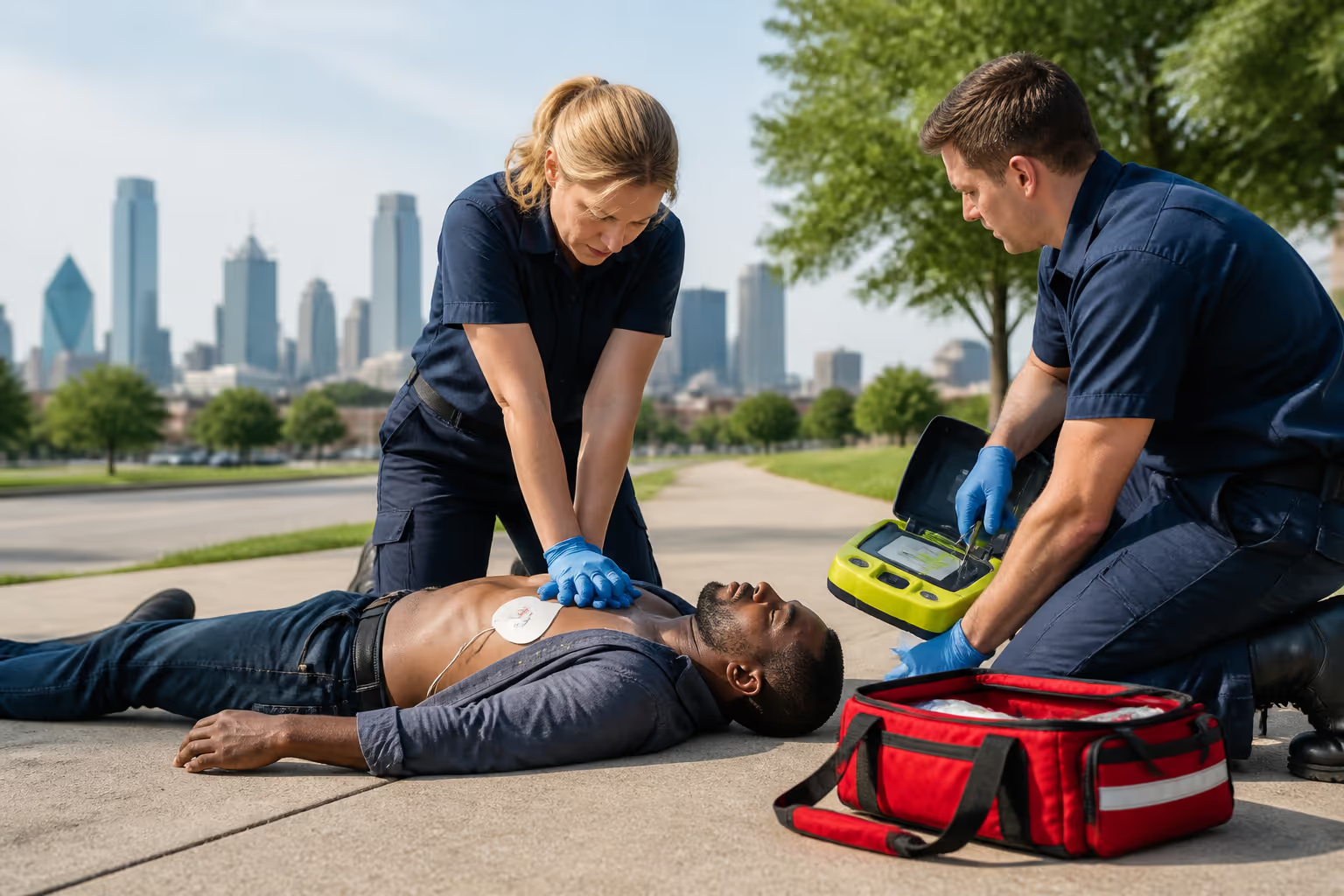
Hands-Only CPR is designed for adults who collapse suddenly and are not responding. The steps are straightforward: assess the scene, call 911, start firm and fast chest compressions in the center of the chest, and continue until emergency responders take over. If an AED is available, another person should bring it right away and follow the voice prompts.
These skills matter because survival can depend on speed. More than 350,000 people in the United States experience out-of-hospital cardiac arrest each year, and most do not survive. Immediate CPR can double or even triple the chance of survival, which is why training is so important for both healthcare professionals and everyday bystanders.
For readers who want deeper context, the American Heart Association has discussed the relationship between discrimination and heart health in LGBTQ+ adults here: American Heart Association newsroom article. That discussion helps explain why culturally responsive education, CPR access, and community-based emergency response training all matter.
First aid courses also add practical value by teaching scene safety, bleeding control basics, and how to respond until more advanced help arrives. BLS and ACLS classes support healthcare professionals who need structured training for clinical environments, while CPR and AED courses are useful for teachers, coaches, office teams, event staff, and family caregivers.
Recognize a possible cardiac emergency
Call 911 without delay
Start Hands-Only CPR quickly
Use an AED as soon as it is available
Continue until EMS arrives and takes over
Who should learn CPR now
This article is for LGBTQ+ adults, allies, chosen family, event organizers, volunteers, parents, caregivers, and anyone who wants to be ready in an emergency. It is also for healthcare professionals who need to stay current with CPR, BLS, ACLS, or first aid requirements.
If you plan Pride celebrations, work in a public-facing role, or spend time around children, older adults, or people with known heart risks, CPR awareness is especially useful. In a crisis, the person closest to the victim is often the person who can act first.
Why choose CPR Certification Labs for hands-on training
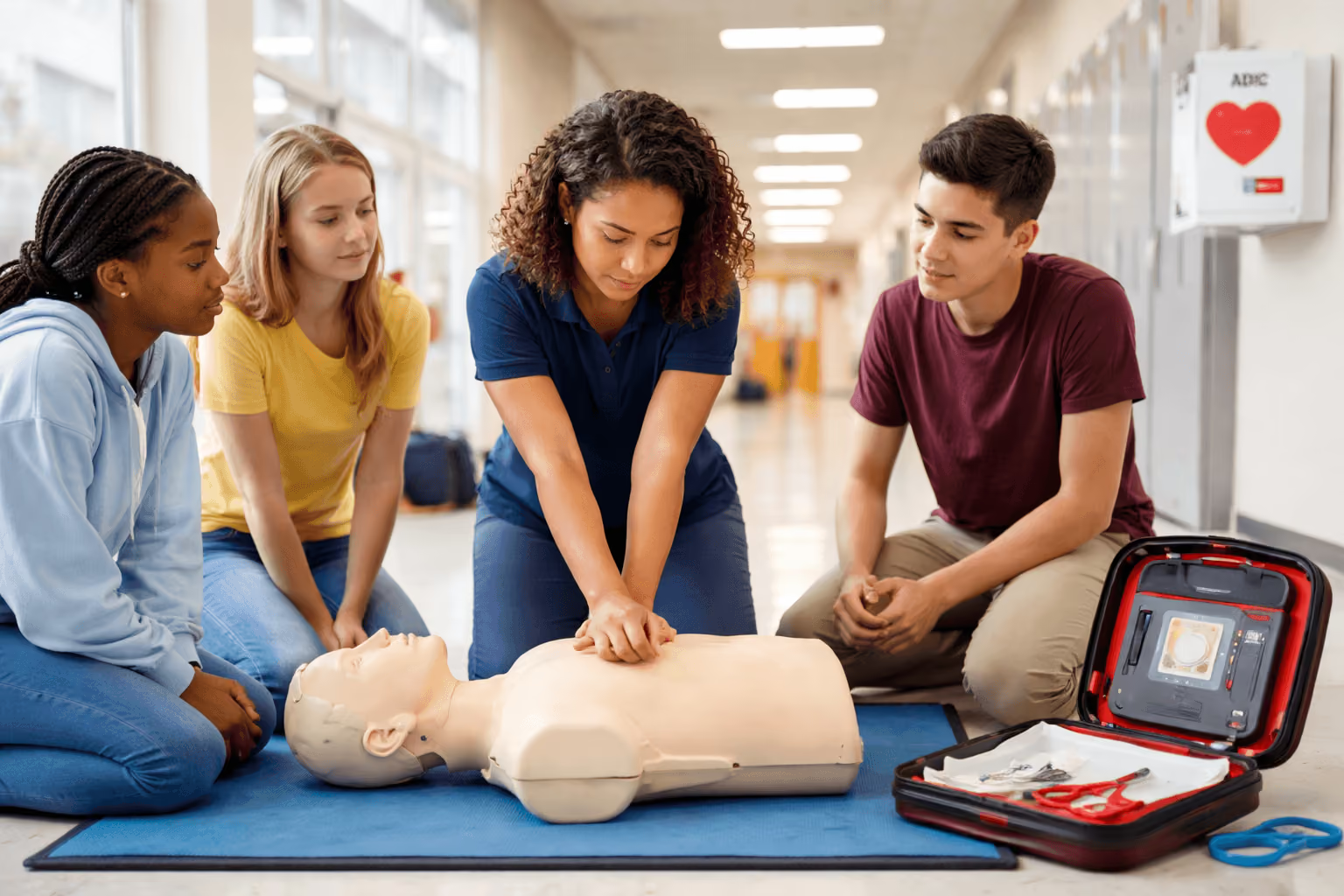
CPR Certification Labs focuses on clear instruction, practical repetition, and real-world readiness. Our training is designed to help learners understand what to do, practice the steps, and leave with more confidence in CPR, AED use, first aid, and emergency response.
We serve learners who want a simple, straightforward class experience with skills that are easy to remember when stress is high. That includes professionals who need BLS or ACLS education as well as community members who want to be prepared for the people they care about most.
Hands-on practice that supports confidence under pressure
Training options for CPR, BLS, ACLS, and first aid
Clear guidance for workplace and community readiness
Practical learning focused on response, not guesswork
Nearby references and next steps
For Dallas-area learners, CPR training is available through our Dallas - Oak Cliff location at 5787 S Hampton Rd, Suite 430, Dallas, TX. The office serves as a convenient local option for people who want accessible training in a familiar setting, with hours that support busy schedules.
Nearby community spaces such as churches, recreation centers, offices, schools, and neighborhood event venues all benefit when more people know CPR and AED basics. The goal is simple: more prepared bystanders, faster action, and better support while waiting for emergency responders.
For a straightforward next step, visit our office page here: Dallas - Oak Cliff CPR Certification Labs.
This article is for general educational purposes only and is not a substitute for professional medical advice, diagnosis, treatment, or certified CPR training. In an emergency, call 911 immediately.
If you are ready to learn CPR, AED use, BLS, ACLS, or first aid, choose a course that fits your role and schedule. Training now can help you respond with confidence later, and that preparation may help protect someone you love.
About our Dallas - Oak Cliff office
Address: 5787 S Hampton Rd, Suite 430
Phone: (972) 362-5542
Email: dallas@cprcertificationlabs.com
Hours:
7am - 8pm / 7 Days a Week!