CPR and AED in Dallas: A Forney game became a lifesaving lesson
CPR and AED in Dallas training is more than a box to check for healthcare teams and public safety professionals. It is a practical skill set that can matter anywhere, including a youth football field in Forney, where quick action by two off-duty first responders helped save a referee in cardiac arrest.
The event is a reminder that emergencies do not wait for the “right” setting. They can happen at a sports complex, a church parking lot, a workplace, or a family gathering. When they do, hands-on CPR, an AED, and a calm emergency response can buy critical time until paramedics arrive.
What happened in Forney
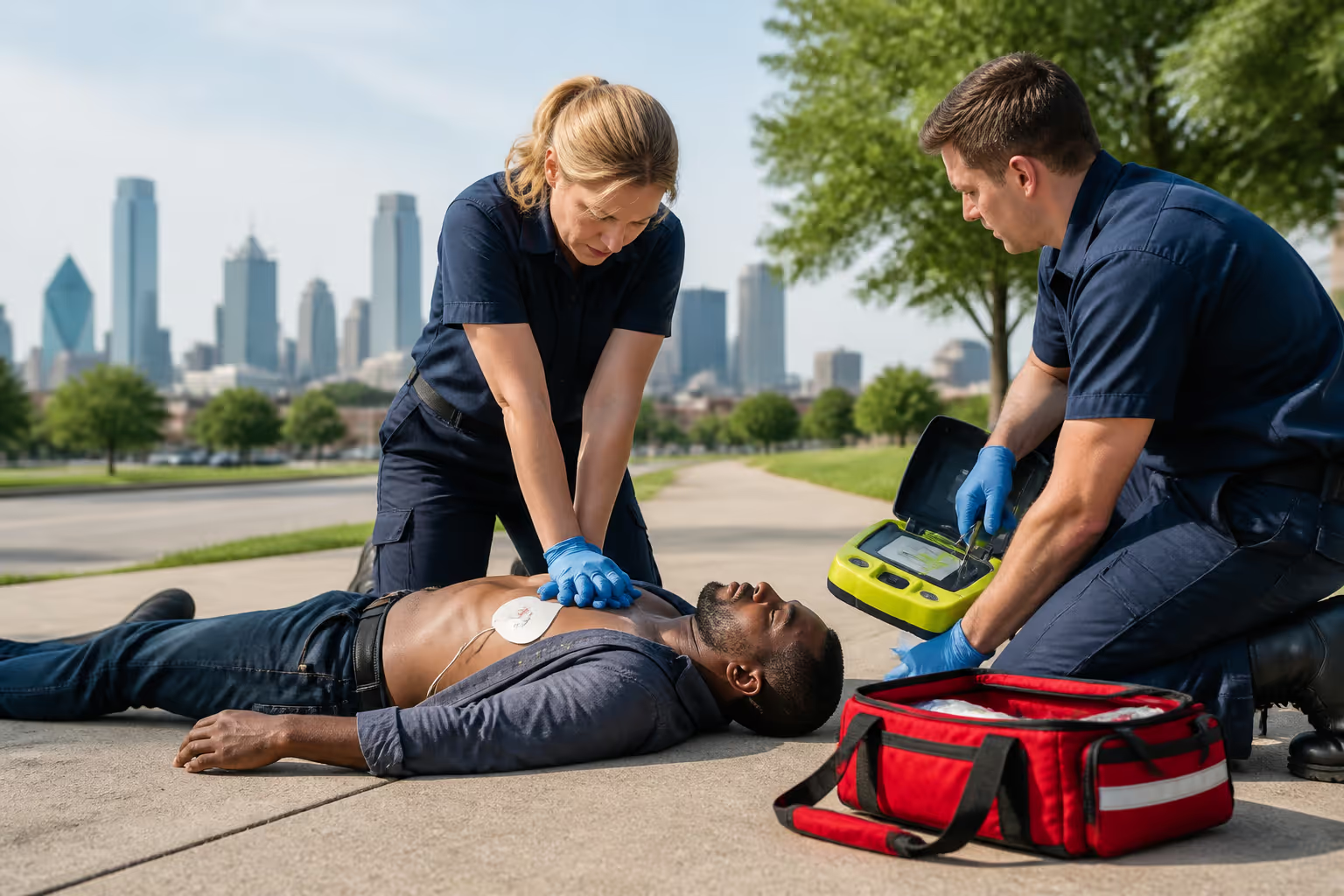
During a peewee football game, a referee collapsed after a cardiac event. Two off-duty first responders who were watching their sons play stepped in, checked for signs of life, and found that he had no pulse. They started CPR right away and used an AED before EMS arrived. According to the report, their teamwork helped restore his pulse, and he later returned home from the hospital.
This kind of response shows why public readiness matters. In a cardiac emergency, bystanders may be the first people on scene, and the first few minutes are often the most important.
Why CPR and AED readiness matters in North Texas
North Texas families, coaches, referees, teachers, and volunteers gather in busy community settings every day. Those places often have children, older adults, and people moving in and out of hot weather, stress, and physical activity. An AED placed nearby and people trained in CPR can make it easier to act quickly when someone suddenly collapses.
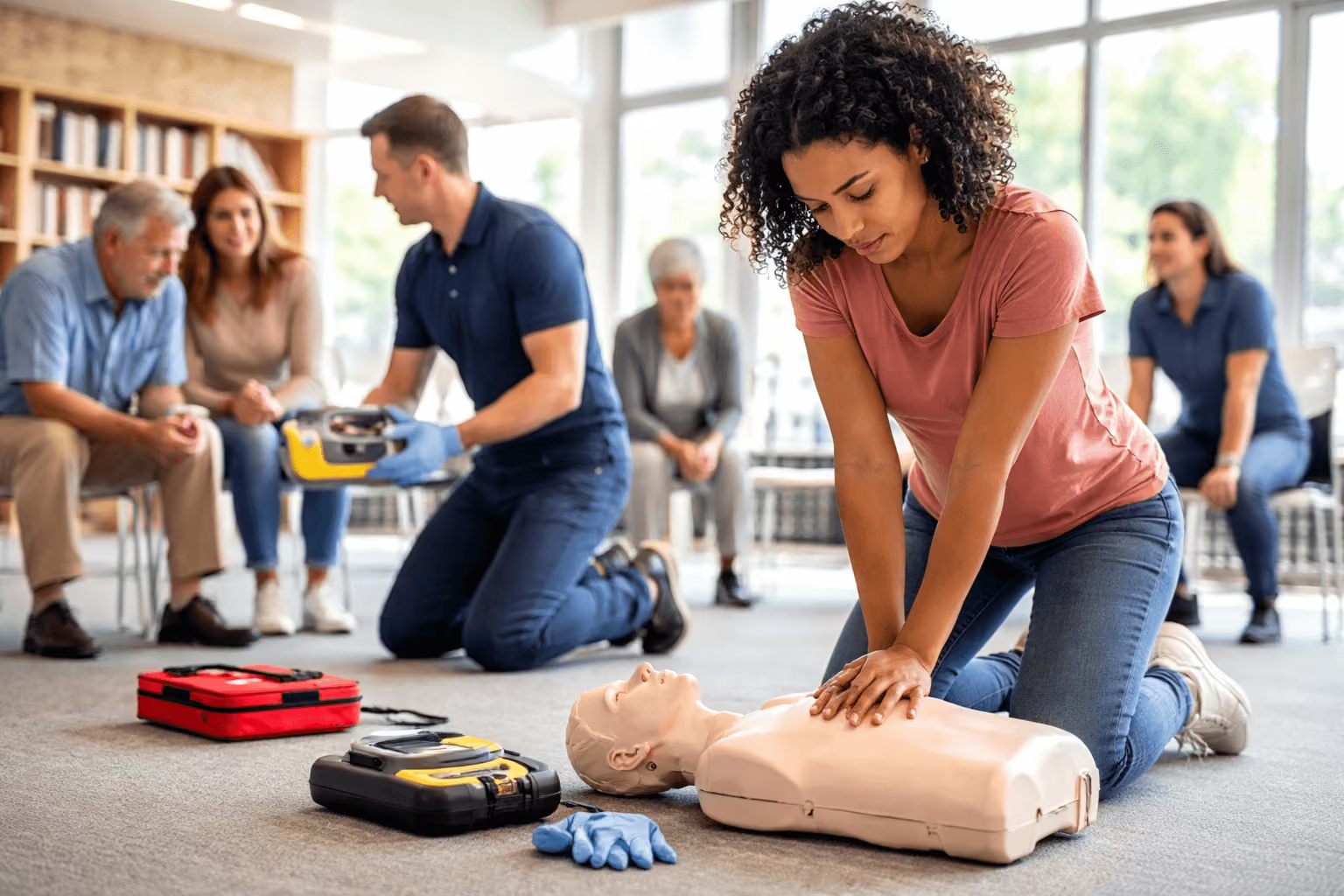
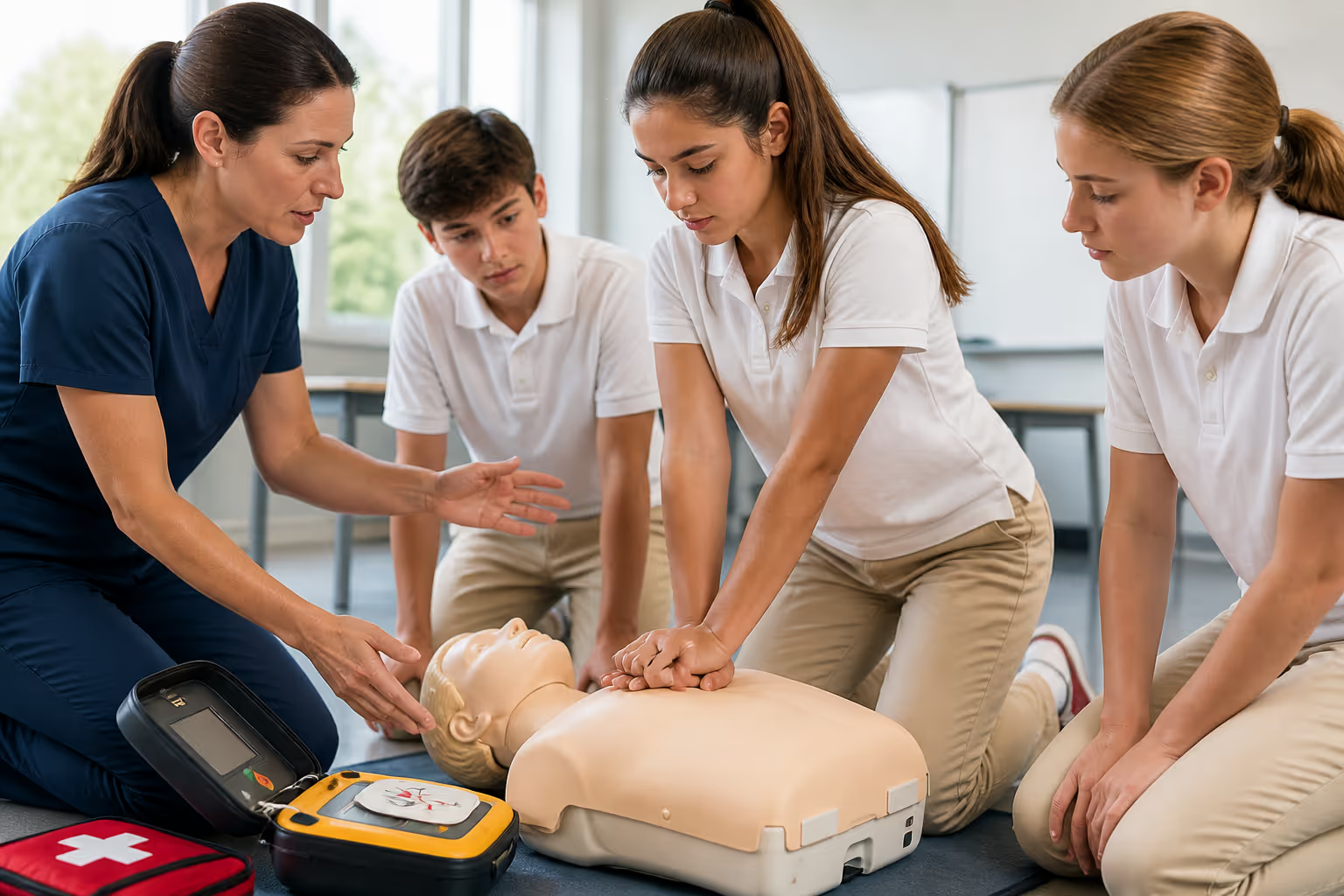
Hands-only CPR is especially important for adults who are unresponsive and not breathing normally. It focuses on firm, fast chest compressions while someone else gets an AED and calls for emergency help. That simple sequence can keep blood moving to the brain and vital organs until professionals take over.
Who should learn CPR and AED use
CPR and AED in Dallas training is useful for many different groups, including:
- Healthcare workers and clinical support staff
- Coaches, referees, and athletic volunteers
- Teachers, school staff, and daycare employees
- Church teams and community leaders
- Parents, grandparents, and caregivers
- Office employees and workplace safety teams
Even if you are not in a medical role, learning CPR and basic first aid can help you respond with more confidence in an emergency. A short training session can also teach you where an AED is usually stored, how to recognize a sudden collapse, and how to coordinate with others while waiting for EMS.
What to do in a sudden cardiac emergency
If someone suddenly collapses and is unresponsive, act fast. The basic emergency response steps are straightforward:
- Check the scene for safety.
- Tap and shout to see if the person responds.
- Call 911 and send someone to get an AED.
- Start CPR if the person is not breathing normally.
- Use the AED as soon as it is available and follow the device prompts.
- Continue until trained help arrives or the person shows signs of life.
These steps are especially important at youth sports venues, where a crowd may be present but no one may know who has CPR training. Clear roles and a fast response can reduce confusion.
This article is for general educational purposes only and is not a substitute for professional medical advice, diagnosis, treatment, or certified CPR training. In an emergency, call 911 immediately.
Why local training still makes a difference
Stories like the one from Forney show that lifesaving skills are needed close to home. In the Rockwall, Rowlett, Heath, and greater East Dallas area, people move between schools, sports fields, offices, and neighborhood events every week. CPR training helps communities prepare for the moments they cannot plan.
CPR Certification Labs supports learners who want practical, workplace-ready instruction in a setting that is clear and focused. Our training is designed for professionals and community members who want a better understanding of CPR, AED use, and emergency response.
Nearby, local agencies also recognize the value of training and readiness. Plano Fire-Rescue, for example, offers free adult hands-only CPR and AED classes, reinforcing the idea that community education saves lives. That same mindset applies across North Texas, including in neighborhoods served by our office in Heath.
Choose a local training option that fits your schedule
If you are looking for a nearby option for CPR and AED in Dallas-area communities, our Rockwall - Rowlett office can help you get started with practical training information and scheduling support. You can learn more about the office and contact details here: Rockwall - Rowlett office.
Our office is located at 1 Horizon Ct., Suite A, Heath, TX, and is open Monday through Friday from 9am to 5pm. For questions, call (469) 769-5383 or email rockwall@cprcertificationlabs.com. Whether you work in healthcare or simply want to be ready for the unexpected, CPR and AED knowledge can help you respond with purpose when seconds matter.
FAQ
What is hands-only CPR?
Hands-only CPR uses continuous chest compressions for a person who is unresponsive and not breathing normally. It is a key part of emergency response for many adult cardiac arrests.
Why is an AED important?
An AED analyzes the heart rhythm and gives clear voice prompts. It can be a critical tool when someone is in sudden cardiac arrest and needs immediate help.
Who should take CPR training?
Anyone who may be the first person to respond in a public or workplace emergency can benefit from training, including healthcare staff, coaches, teachers, parents, and volunteers.
About our Rockwall - Rowlett office
- Address: 1 Horizon Ct., Suite A
- Phone: (469) 769-5383
- Email: rockwall@cprcertificationlabs.com
- Hours:
9am - 5pm - Monday through Friday