McKinney CPR training and the four-minute city goal
McKinney CPR training is becoming more relevant as the city works toward a faster response model for cardiac emergencies. The idea behind a “four-minute city” is simple: when a person goes into cardiac arrest, a smart AED and trained responders need to reach that person quickly, because every minute matters.
This local effort is a reminder that CPR, AED use, and emergency response are not abstract concepts. They are practical skills that can help bridge the gap before paramedics arrive. For healthcare workers, office teams, fitness staff, teachers, and community volunteers, knowing what to do in the first few minutes can make all the difference.
Why the local response model matters in McKinney
McKinney is a growing city with busy streets, workplaces, schools, stores, and neighborhoods. In a community like this, cardiac arrest can happen without warning, and the first few minutes are critical. A faster response network gives residents a better chance of getting help early, especially when trained bystanders are nearby and an AED is available.
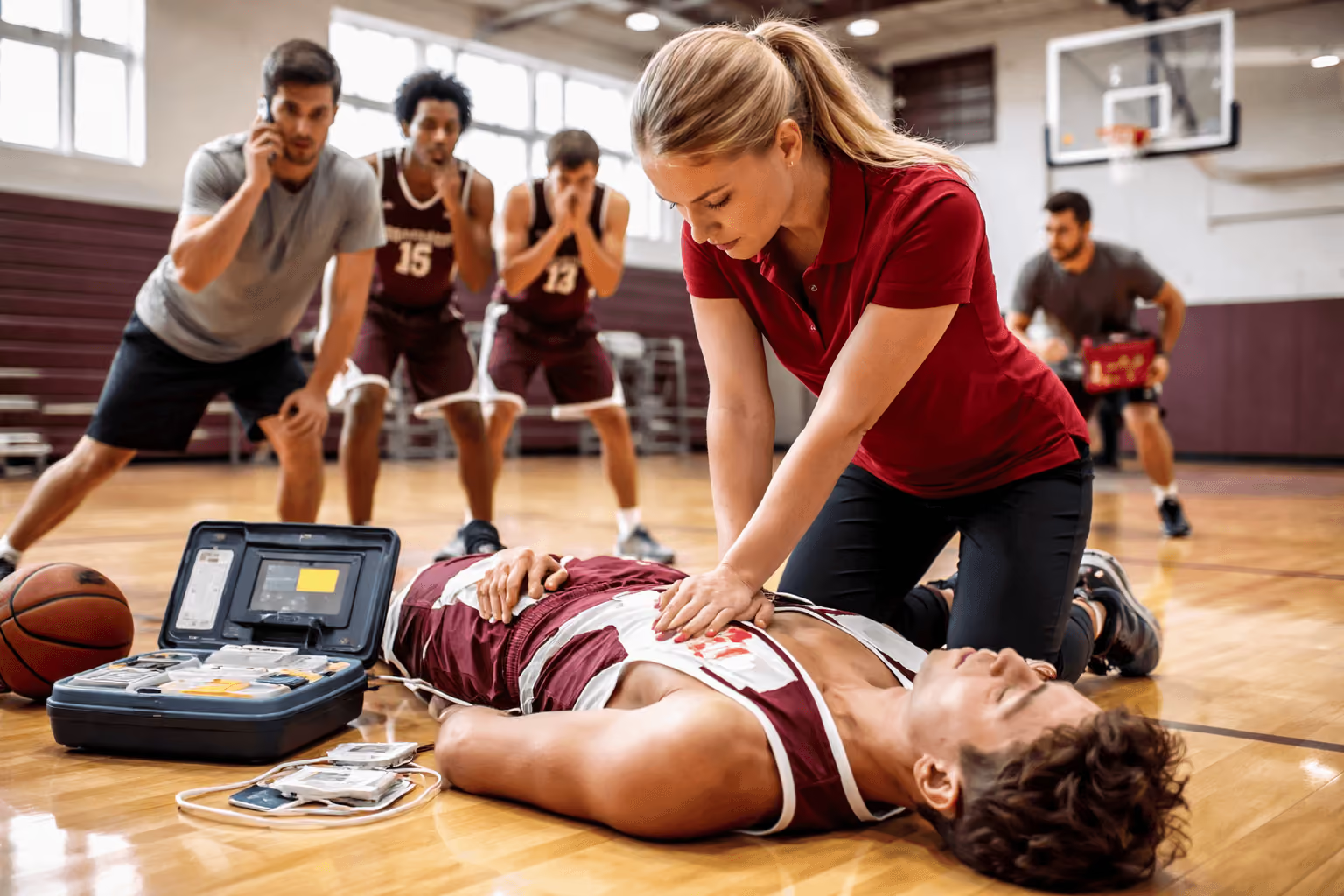
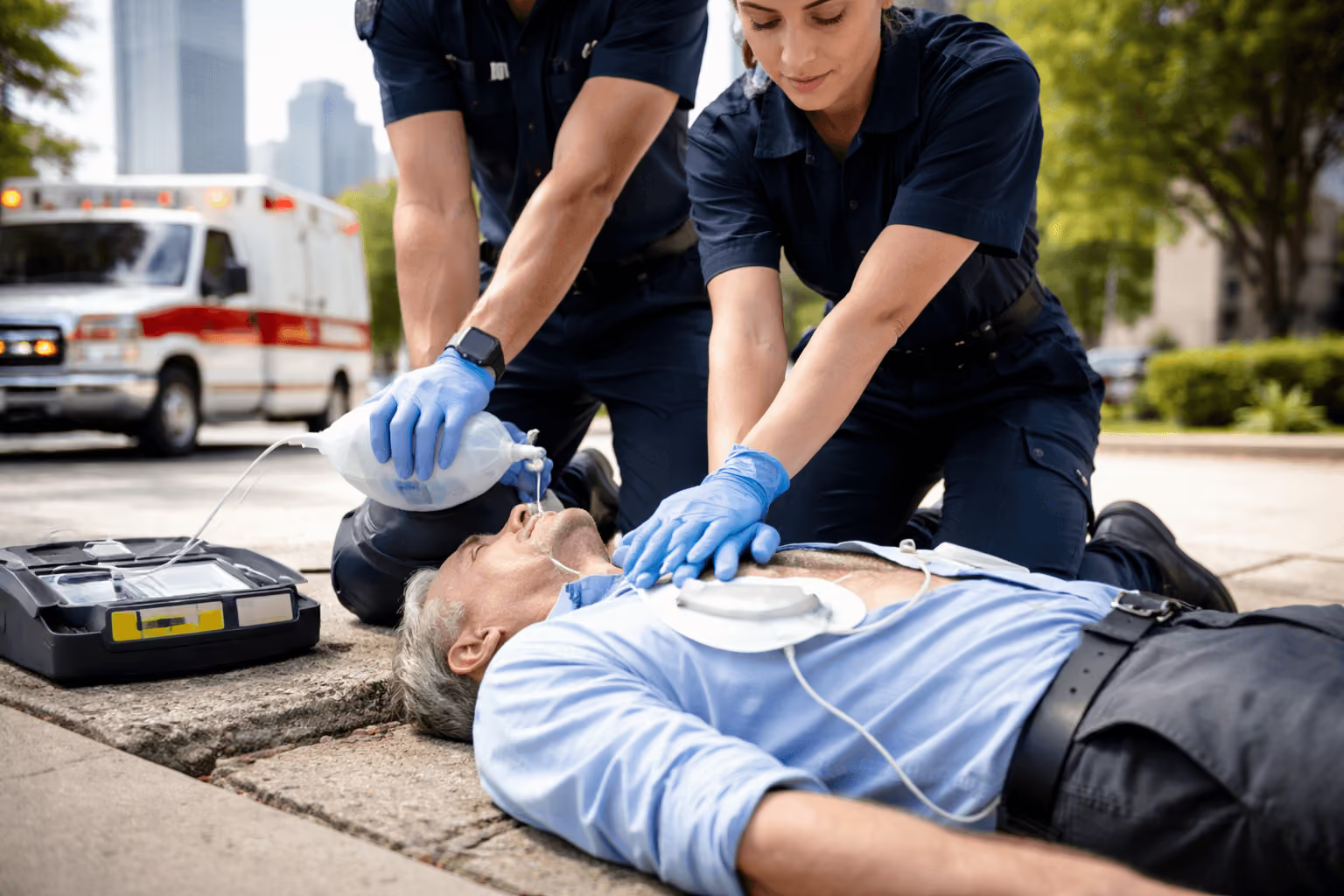
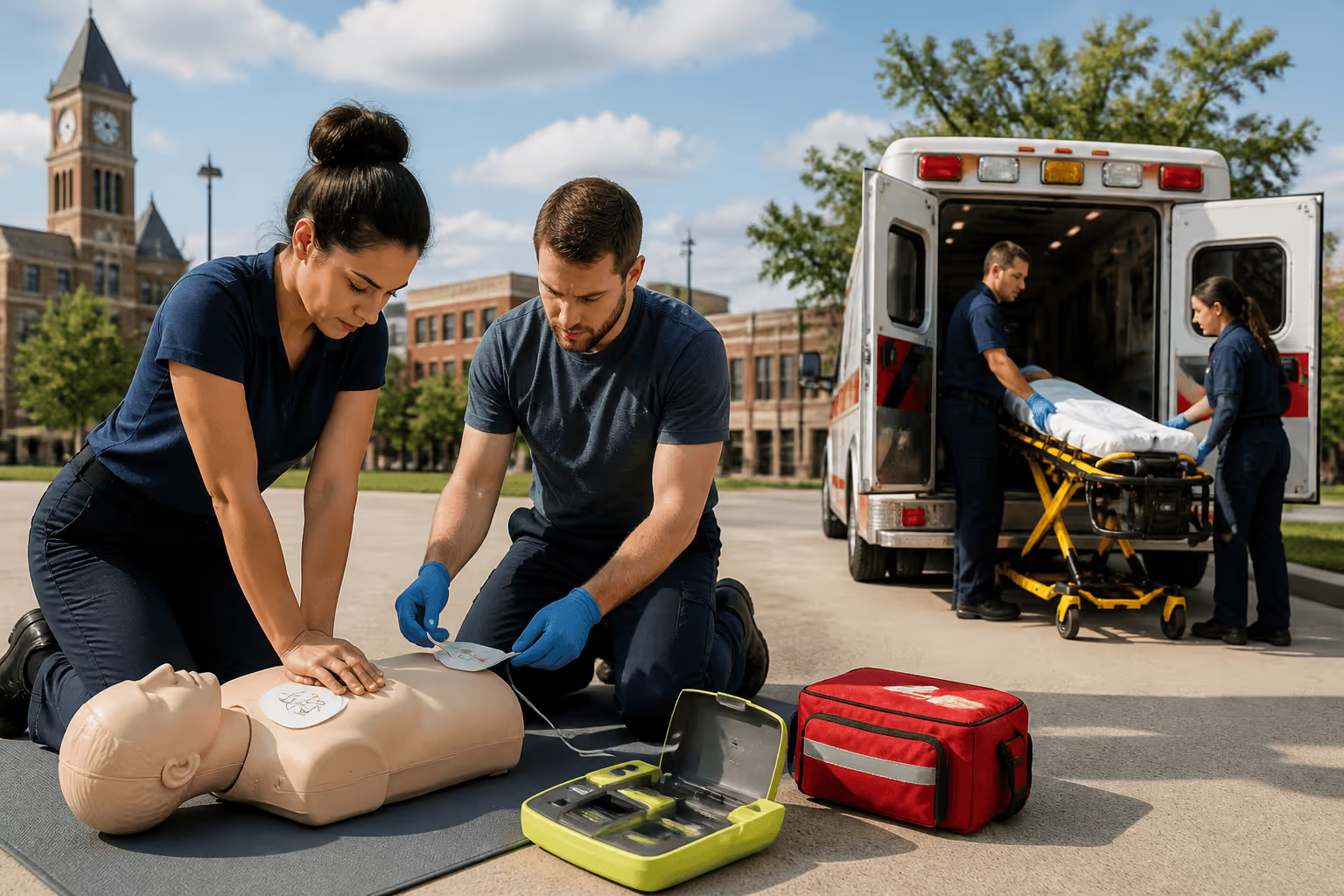
The four-minute city concept also highlights an important truth: emergency response is not just about the ambulance. It is about the people who are already there. When a bystander recognizes cardiac arrest, starts CPR, and uses an AED as soon as it is available, the chain of survival begins before first responders arrive.
What CPR and AED training teach
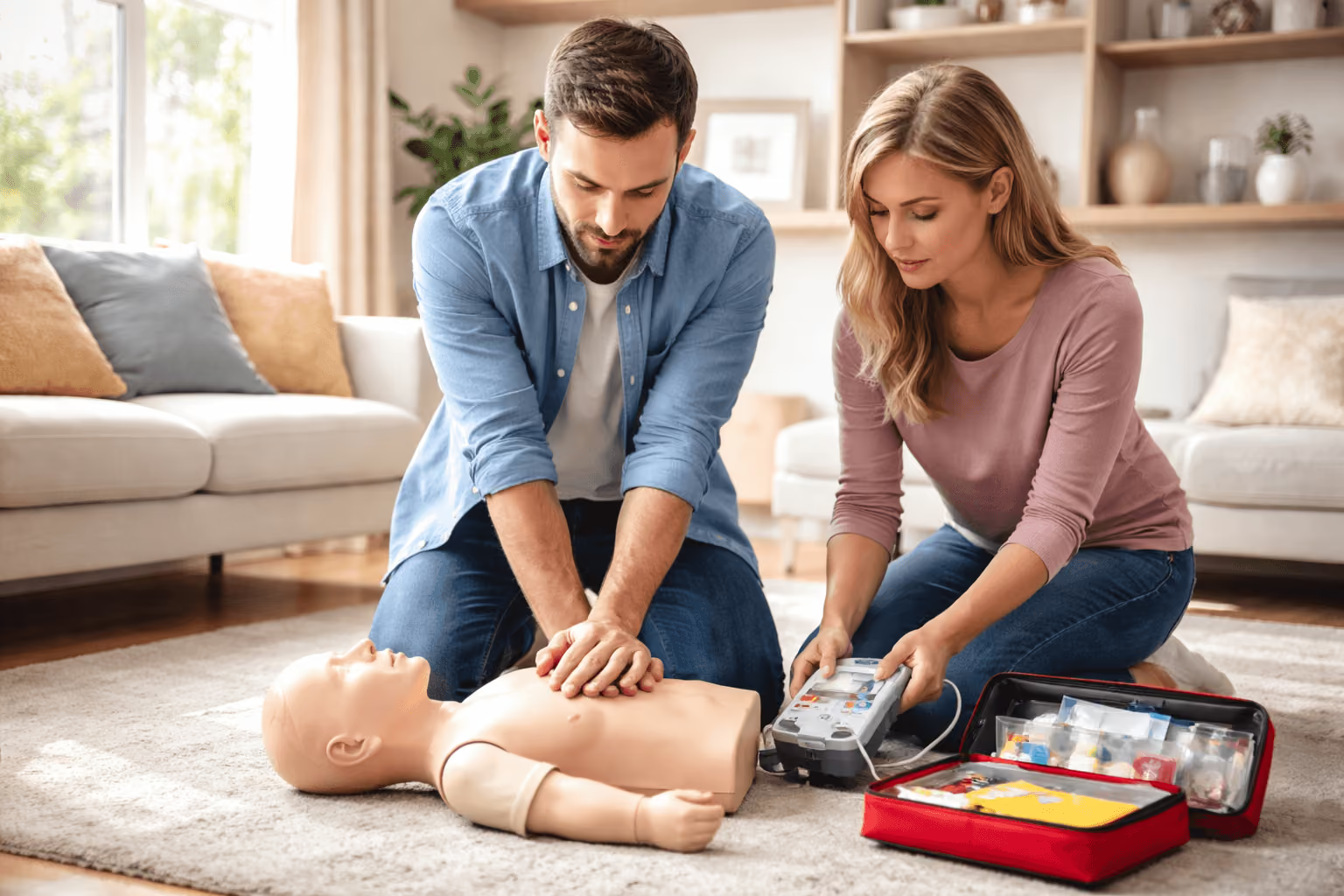
CPR training gives people a clear process for acting in a high-stress situation. In a quality class, participants learn how to check for responsiveness, recognize cardiac arrest, perform chest compressions, and use an AED safely and confidently. First aid skills are also useful for handling other urgent situations while waiting for emergency crews.
For many learners, the biggest value of training is confidence. In an emergency, hesitation can cost time. A structured CPR course helps people replace uncertainty with practical steps they can remember. That is especially important in workplaces and public spaces where someone nearby may be the first person to respond.
Who should consider CPR training in McKinney
McKinney CPR training is a smart choice for people in many roles. Healthcare professionals often need CPR and BLS for work, but the benefits extend far beyond clinical settings. Teachers, daycare staff, coaches, office managers, construction crews, church volunteers, and family caregivers all benefit from knowing how to respond to a sudden collapse.
It is also a good fit for anyone who spends time around children, older adults, or active groups. Cardiac emergencies can happen in homes, gyms, restaurants, and community events. The more people who understand CPR and AED use, the stronger the local emergency response network becomes.
Why choose CPR Certification Labs in McKinney
CPR Certification Labs offers straightforward training designed for real-world use. Classes focus on clear instruction, hands-on practice, and a professional learning environment that supports busy schedules. Whether you need CPR, BLS, ACLS, or first aid training, the goal is to help you build skills you can use with confidence.
For those in the McKinney area, convenient access matters too. The McKinney - Tucker Hill office is located at 7200 W University Dr, Suite 218, McKinney, TX, with hours that work for many schedules. You can learn more or plan a visit through the McKinney - Tucker Hill office page.
Nearby local context for emergency readiness
When a city focuses on faster cardiac response, it helps everyone think more carefully about where emergency tools are located and who knows how to use them. That includes AEDs in workplaces, community centers, and other public spaces, along with trained people who can step in before EMS arrives. The more familiar residents are with CPR and first aid, the more prepared the community is to act.
This is why local training is so important. A community with trained volunteers, equipped spaces, and a clear emergency response culture can support the efforts of fire and EMS teams. In a city like McKinney, those layers of readiness can help turn a frightening moment into a coordinated response.
When to call 911 and what to do first
If someone collapses, does not respond, or is not breathing normally, call 911 right away. If an AED is available, send someone to get it immediately. Start CPR if you are trained and able, and follow the voice prompts from the AED as soon as it is brought to the scene. Do not wait for someone else to take over if you are the only person there.
This article is for general educational purposes only and is not a substitute for professional medical advice, diagnosis, treatment, or certified CPR training. In an emergency, call 911 immediately.
Why this matters for McKinney residents
The move toward a four-minute city shows how much a community can do before an ambulance arrives. It also shows why CPR, AED use, and first aid training should be part of everyday preparedness. The more residents understand emergency response, the more likely they are to act quickly when it counts.
For McKinney families and professionals, training is not just a requirement in some jobs. It is a practical way to support neighbors, coworkers, students, patients, and loved ones. In a cardiac emergency, a prepared bystander can be the difference between waiting and acting.
About our McKinney - Tucker Hill office
- Address: 7200 W University Dr, Suite 218
- Phone: (903) 627-2841
- Email: McKinney@cprcertificationlabs.com
- Hours:
Monday to Friday: 6am - 8pm
Saturday to Sunday: 7am - 5pm