AEDs in McKinney and the push to save more lives
AEDs in McKinney are becoming a bigger part of the city’s emergency response plan as local fire officials work to place more devices in the community over the next five years. The goal is simple: shorten the time between cardiac arrest and the first shock, because those minutes matter.
McKinney has already made progress by adding AEDs to public spaces and improving coordination among responders. Now the city is building on that progress with a wider network of trained residents who can help bridge the gap before professional crews arrive.
Why the Four-Minute City approach matters
In a cardiac arrest, the heart stops pumping effectively and the person needs immediate CPR and defibrillation. McKinney leaders are focusing on a model they describe as the Four-Minute City, which means an AED should be close enough to reach a person quickly in an emergency.
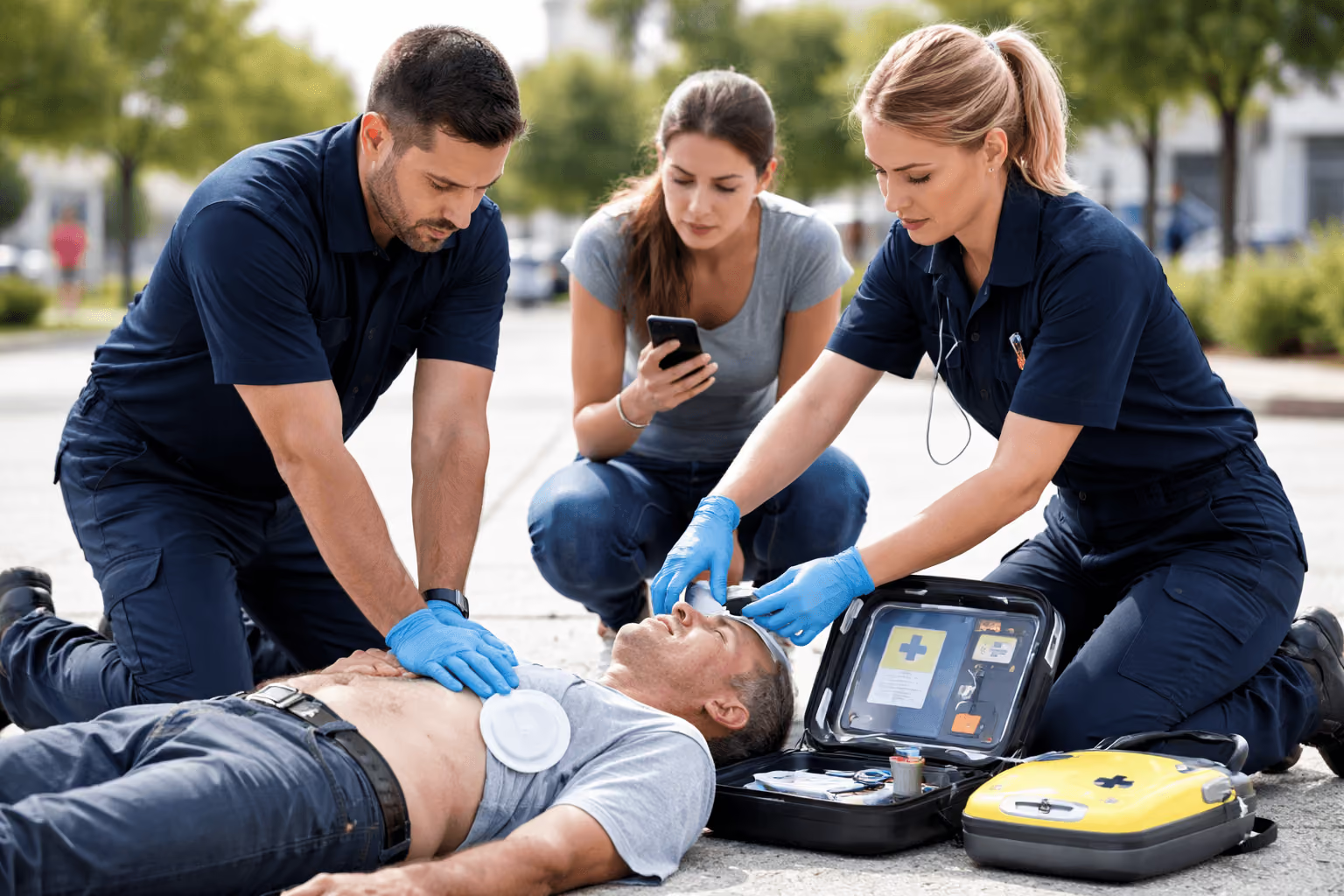
That approach depends on both equipment and people. AEDs are only part of the solution. A bystander who knows how to start CPR, follow the device prompts, and stay calm while waiting for EMS can make a critical difference.
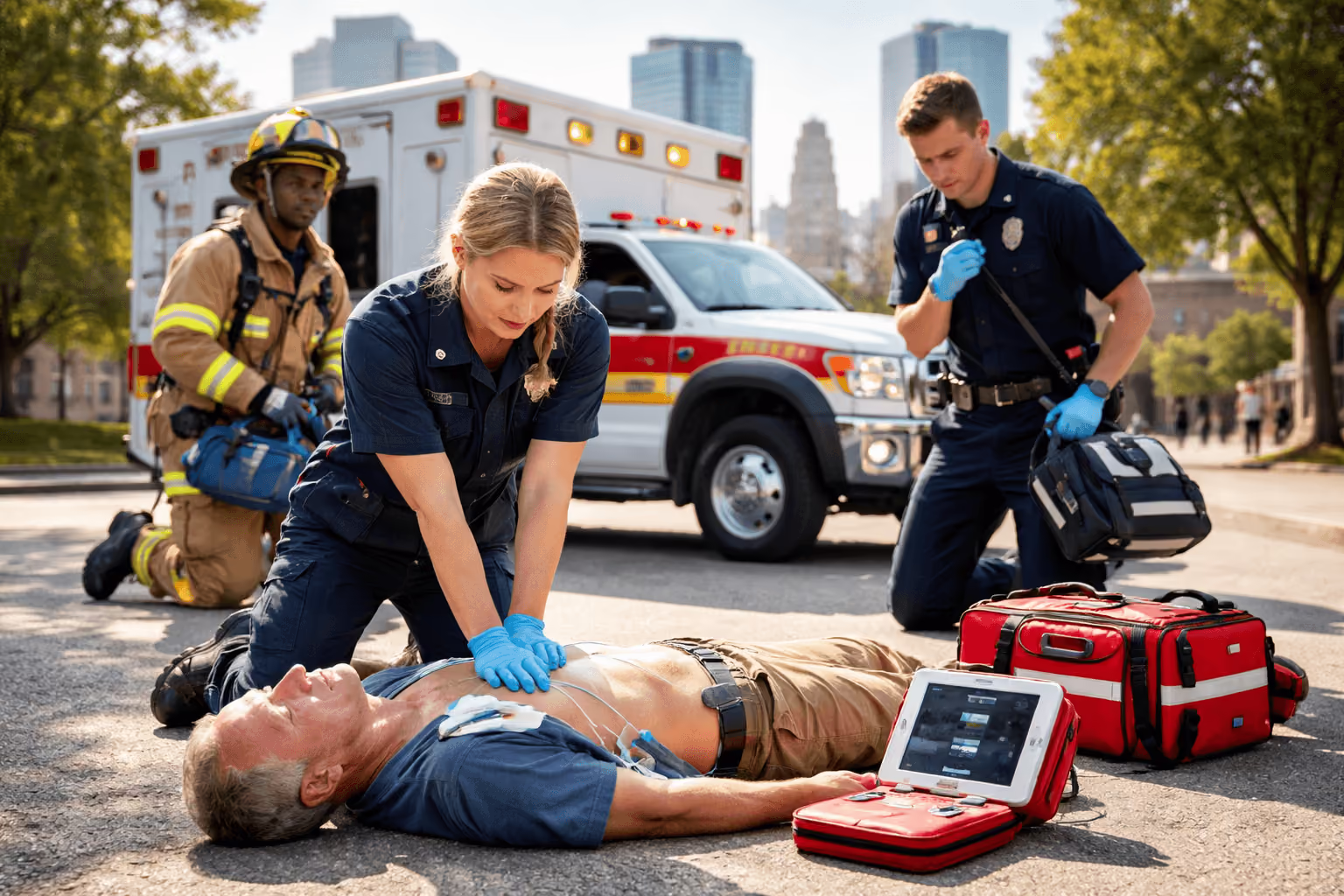
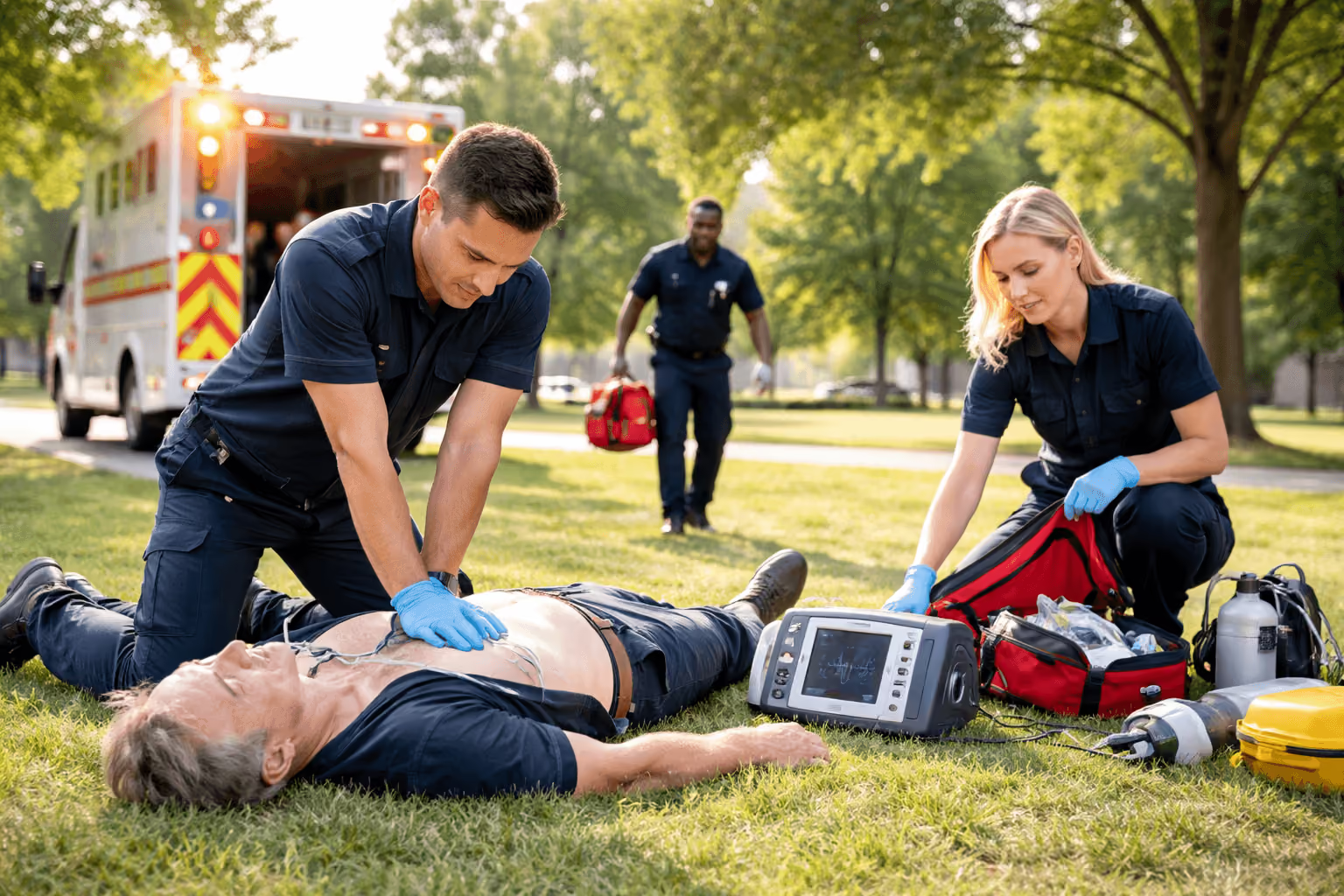
City officials have said the current network already includes AEDs in places such as parks, libraries, recreation centers, and police vehicles. The next phase is about expanding access even more by putting devices in the hands of trained community responders.
How the AED program works in McKinney
The Neighborhood Heroes program is designed to connect trained citizens with nearby cardiac arrest calls. Participants receive training, an assigned AED, and guidance on how to respond safely when notified through a smartphone app.
When an incident happens within range, the system can alert a trained volunteer who may choose to respond. The goal is to get someone to the patient quickly with CPR support and an AED if needed, while emergency crews are on the way.
Officials have also emphasized that the technology is built around location tracking, so the city can better map where devices are placed and where more coverage is needed.
Who this update is for
This news matters to healthcare workers, first responders, business owners, school staff, fitness centers, church volunteers, and any resident who may one day be first on the scene. It also matters to people who live, work, or commute near the McKinney-Tucker Hill area and want practical skills for real emergencies.
If you are responsible for a workplace or community space, understanding AED placement, CPR basics, and first aid readiness can help you prepare before an emergency happens.
What residents should remember about emergency response
During a cardiac arrest, every second counts. Call 911 right away, begin CPR if you are trained or instructed to do so, and use an AED as soon as one is available. Follow the device voice prompts carefully. AEDs are designed to guide users through the process, even if they do not use them every day.
This article is for general educational purposes only and is not a substitute for professional medical advice, diagnosis, treatment, or certified CPR training. In an emergency, call 911 immediately.
Hands-only CPR, rapid AED use, and clear communication with dispatchers are core parts of an effective emergency response. Training ahead of time can reduce hesitation and help a bystander act faster when a real event occurs.
Why CPR training still matters
Even with more AEDs in the community, people still need the confidence to act. CPR training teaches how to recognize cardiac arrest, start chest compressions, and work with an AED until EMS arrives. That combination is what makes community response programs effective.
For many adults, a CPR and AED course is also a practical refresh before caring for family members, coworkers, students, or patients. The more people who know what to do, the more likely someone nearby can start care without delay.
Local relevance for McKinney residents
McKinney’s expansion effort fits a growing need for faster emergency access across a large, active city. As AEDs in McKinney become more common, residents may see them in more public and work settings, and that visibility can encourage more people to learn CPR and first aid.
Nearby facilities such as Baylor Scott & White Medical Center in McKinney and public spaces across the city reinforce why preparation matters close to home. For those who want to learn or refresh skills locally, CPR Certification Labs serves the area from McKinney - Tucker Hill.
Learn more about local training options at CPR Certification Labs in McKinney.
FAQ
What should I do first if someone collapses?
Check for responsiveness, call 911, start CPR if needed, and use an AED as soon as one is available. If possible, have someone else meet emergency responders.
Do AEDs work without special medical training?
AEDs are designed with clear voice prompts, but CPR and AED training can help you use the device more confidently during a stressful event.
Why is fast response so important?
Cardiac arrest is time-sensitive. Faster CPR and defibrillation improve the chance that the person can receive help before severe brain and organ damage occurs.
About our McKinney - Tucker Hill office
- Address: 7200 W University Dr, Suite 218
- Phone: (903) 627-2841
- Email: McKinney@cprcertificationlabs.com
- Hours:
Monday to Friday: 6am - 8pm
Saturday to Sunday: 7am - 5pm