CPR training in Dayton can make the difference in a sudden emergency
CPR training in Dayton is more relevant than ever after a recent rescue story involving two University of Dayton students and a hands-only CPR kiosk. One student learned compressions in just a few minutes, then used that training to help save a friend after a lightning strike. The lesson is simple: in a cardiac emergency, bystander action matters.
Situations like this are a reminder that emergencies do not wait for perfect conditions. A person can collapse at a campus event, in a parking lot, at work, or in a public place where help is nearby but not yet there. When that happens, CPR, an AED if available, and a fast call for emergency response can greatly improve the chance of survival.
What happened and why it matters locally
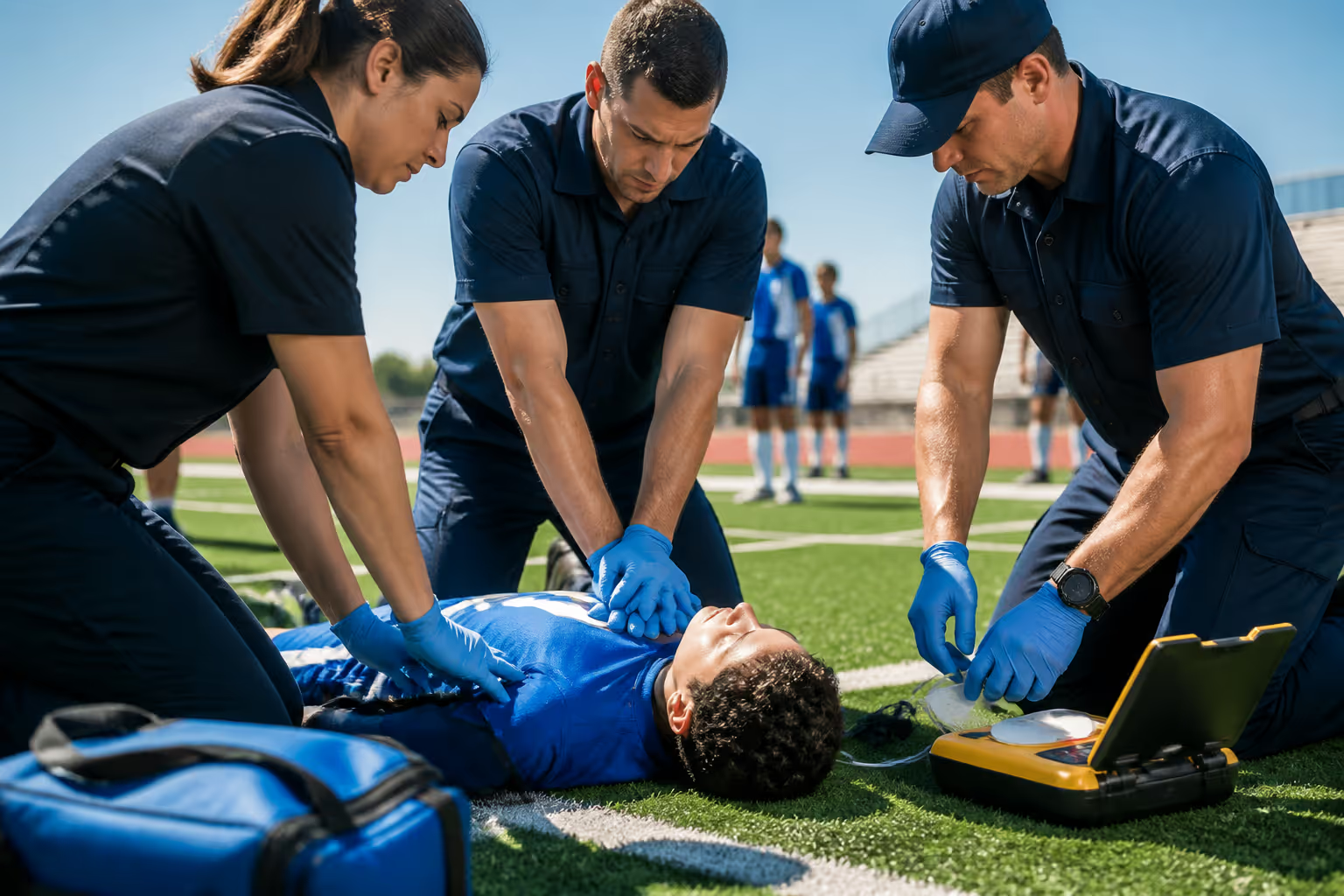
In this case, a lightning strike left one student without a pulse and not breathing. Bystanders called 911, and a fellow student who had recently practiced at a CPR kiosk stepped in to begin chest compressions until medics arrived. The rescue gained attention because it showed how brief, practical CPR instruction can prepare ordinary people to act under pressure.
That matters in Dayton because colleges, airports, workplaces, gyms, and community spaces all depend on prepared bystanders. The University of Dayton connection makes the story especially local, but the broader message applies across the Miami Valley: when someone collapses, the first few minutes are critical.
How hands-only CPR kiosks support emergency response
Hands-only CPR kiosks are designed to teach the basics quickly. They use a screen, a practice mannequin, and feedback on compression rate and depth. The goal is to help a learner remember where to place their hands and how to push hard and fast on the center of the chest.
This kind of training is valuable because many people hesitate to step in. A short session can replace fear with confidence. It also reinforces an important point: doing something is better than doing nothing while waiting for an ambulance.
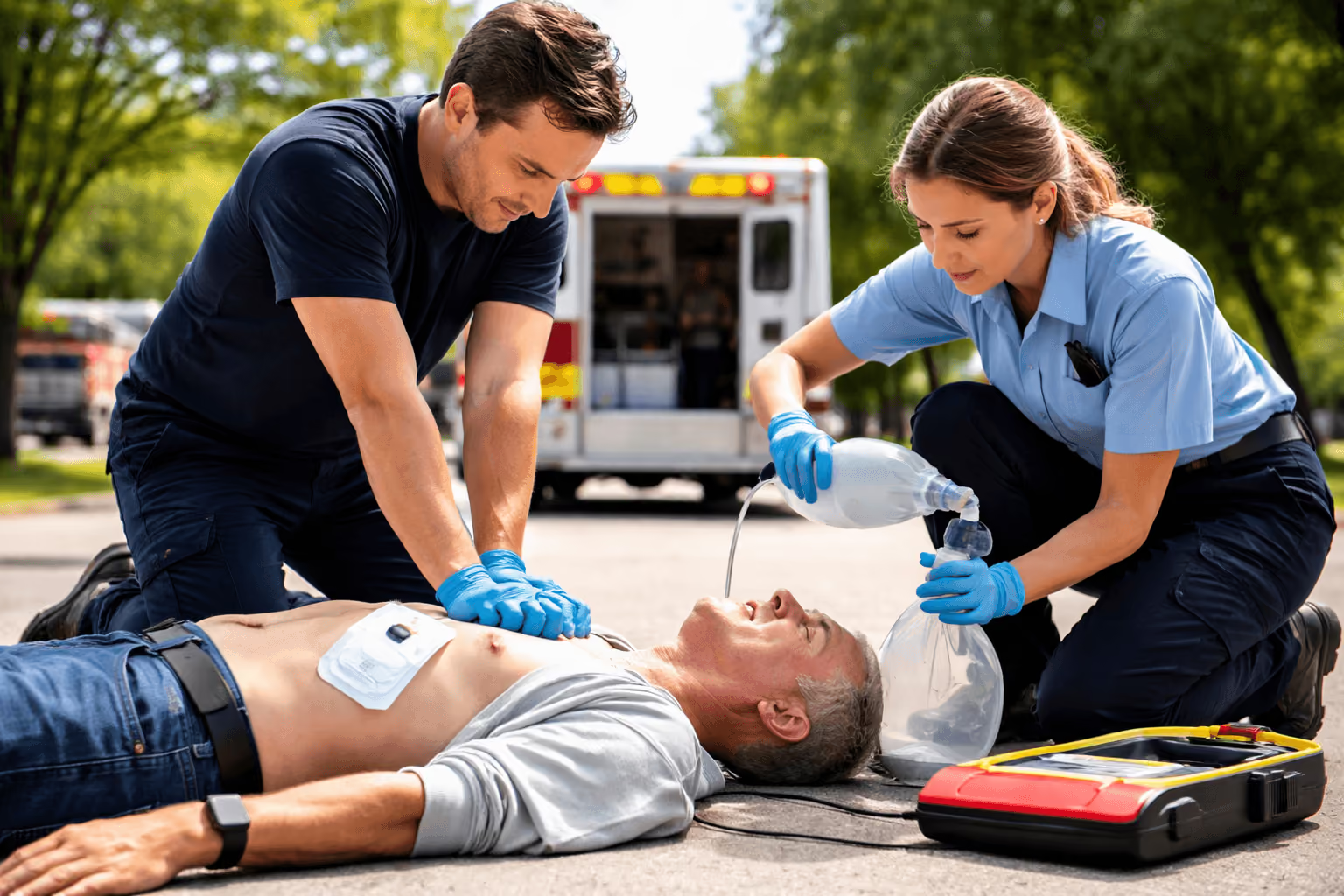
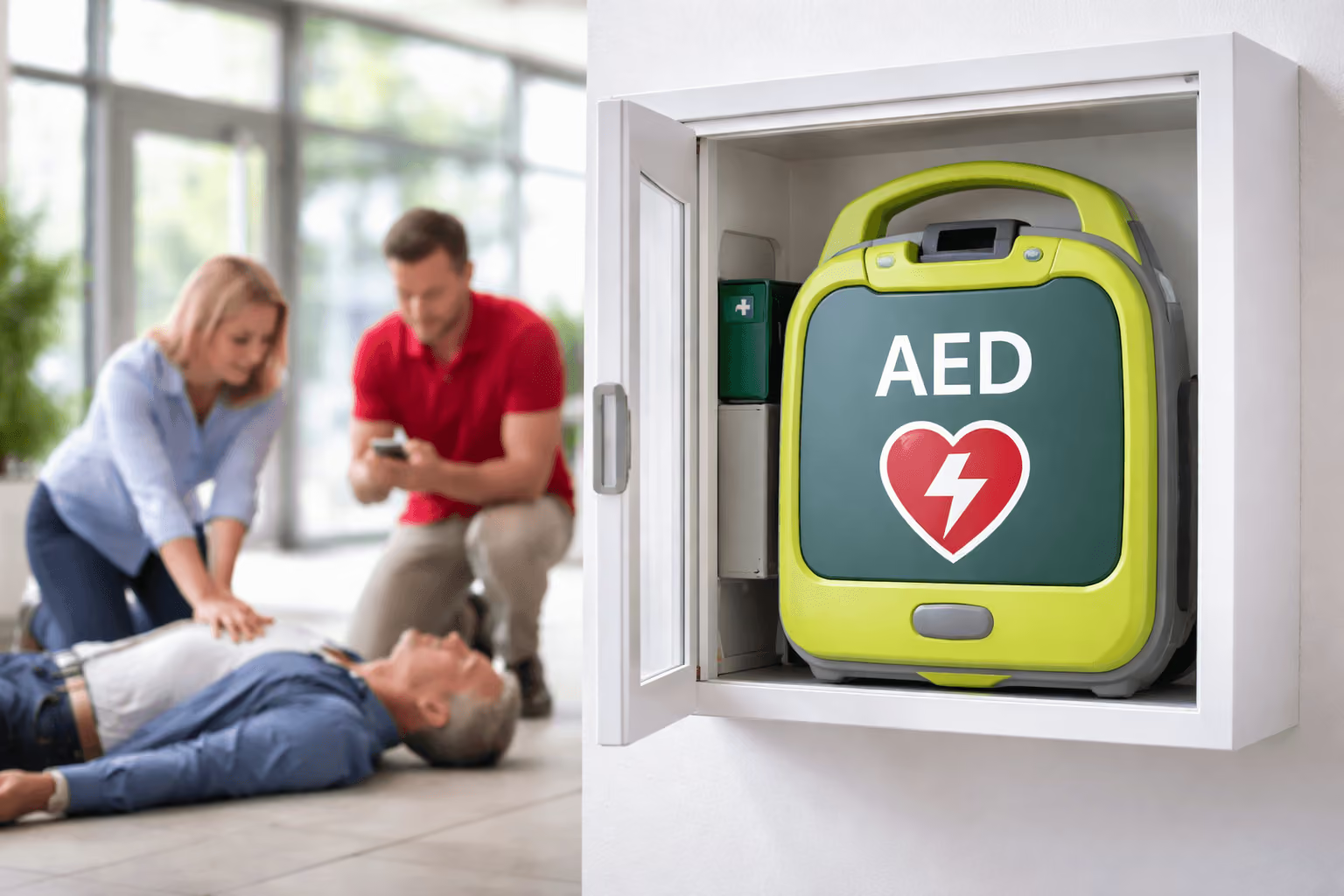
Hands-only CPR is especially useful for adult sudden collapse situations. If an AED is nearby, it should be brought to the scene as part of the emergency response. AEDs are intended to help bystanders respond to certain life-threatening heart rhythms while professionals are on the way.
Who should consider CPR and first aid training
This story is useful for students, nurses, medical assistants, firefighters, teachers, coaches, parents, airport workers, and anyone who spends time around other people. It is also a strong reminder for healthcare professionals who need to keep CPR, AED, and first aid skills current.
Even if you do not work in healthcare, you may still be the first person on scene when seconds matter. Learning the basics can help you stay calm, recognize a true emergency, and support the person until trained responders arrive.
Why CPR training in Dayton is worth the time
CPR training in Dayton is practical, accessible, and useful in real life. The University of Dayton rescue shows that a short training session can have long-lasting impact. A learner does not need years of experience to be helpful in the moment. Clear instruction, repetition, and willingness to act can change the outcome.
For local residents, that matters near campuses, shopping areas, recreation spaces, and transportation hubs. Dayton and Centerville communities include many places where a sudden medical emergency could happen far from a hospital. Training gives people a better chance to respond while waiting for EMS.
Benefits of choosing CPR Certification Labs
CPR Certification Labs offers a straightforward training experience for people who want CPR, AED, and first aid instruction that feels practical and easy to follow. Courses are designed to be clear and efficient for busy professionals and community members alike.
For Dayton-area learners, the local office at 2723 Miamisburg Rd, Suite 130 makes it convenient to fit training into a busy schedule. The office serves the area with extended daily hours, which can help students and working adults find a time that works.
Nearby references such as the University of Dayton, the Dayton airport area, and Centerville are reminders that emergency response skills matter across the region. If you want to explore local training options, visit our Dayton - Centerville office page.
What to do if someone collapses
If a person is unresponsive and not breathing normally, call 911 right away. Begin CPR if you are trained and able, send someone to get an AED if one is available, and keep following dispatcher instructions until help arrives.
This article is for general educational purposes only and is not a substitute for professional medical advice, diagnosis, treatment, or certified CPR training. In an emergency, call 911 immediately.
FAQ
Can a short CPR kiosk lesson really help?
Yes. A brief session can teach the core steps of hands-only CPR and build confidence to act before paramedics arrive.
Is CPR useful for lightning-related emergencies?
In the reported case, CPR helped support a person who collapsed after a lightning strike. More broadly, CPR is used when someone is not breathing normally or has no pulse.
Why is AED training important too?
An AED can be part of the emergency response when a cardiac arrest is suspected. Knowing how to use one can make bystander action even more effective.