AEDs in Allen and the lesson from a North Texas collapse
AEDs in Allen are part of a larger safety conversation after a North Texas mom collapsed at a high school and later turned her experience into a push for better AED mapping. The story is a reminder that cardiac emergencies can happen in everyday places, including schools, gyms, and community spaces.
When someone suddenly collapses, the response starts long before an ambulance arrives. Knowing where an AED is located, how to begin CPR, and when to call 911 can help bystanders act with purpose instead of hesitation.
Why this news matters for Allen
Allen is a busy community with schools, youth sports, retail centers, places of worship, and public gathering spaces. In those settings, people often assume help is nearby, but a cardiac arrest can move faster than emergency crews can reach the scene. That is why AED placement and emergency response planning matter in practical, everyday terms.
The North Texas mom’s story also adds local credibility because it reflects a real regional concern, not a distant headline. A collapse at a high school is the kind of event that can affect parents, coaches, staff, and students in any North Texas city.
For local readers, the takeaway is simple: emergency planning should not be limited to hospitals or first responders. It should also be part of school safety procedures, workplace readiness, and community training.
What an AED does in a cardiac emergency
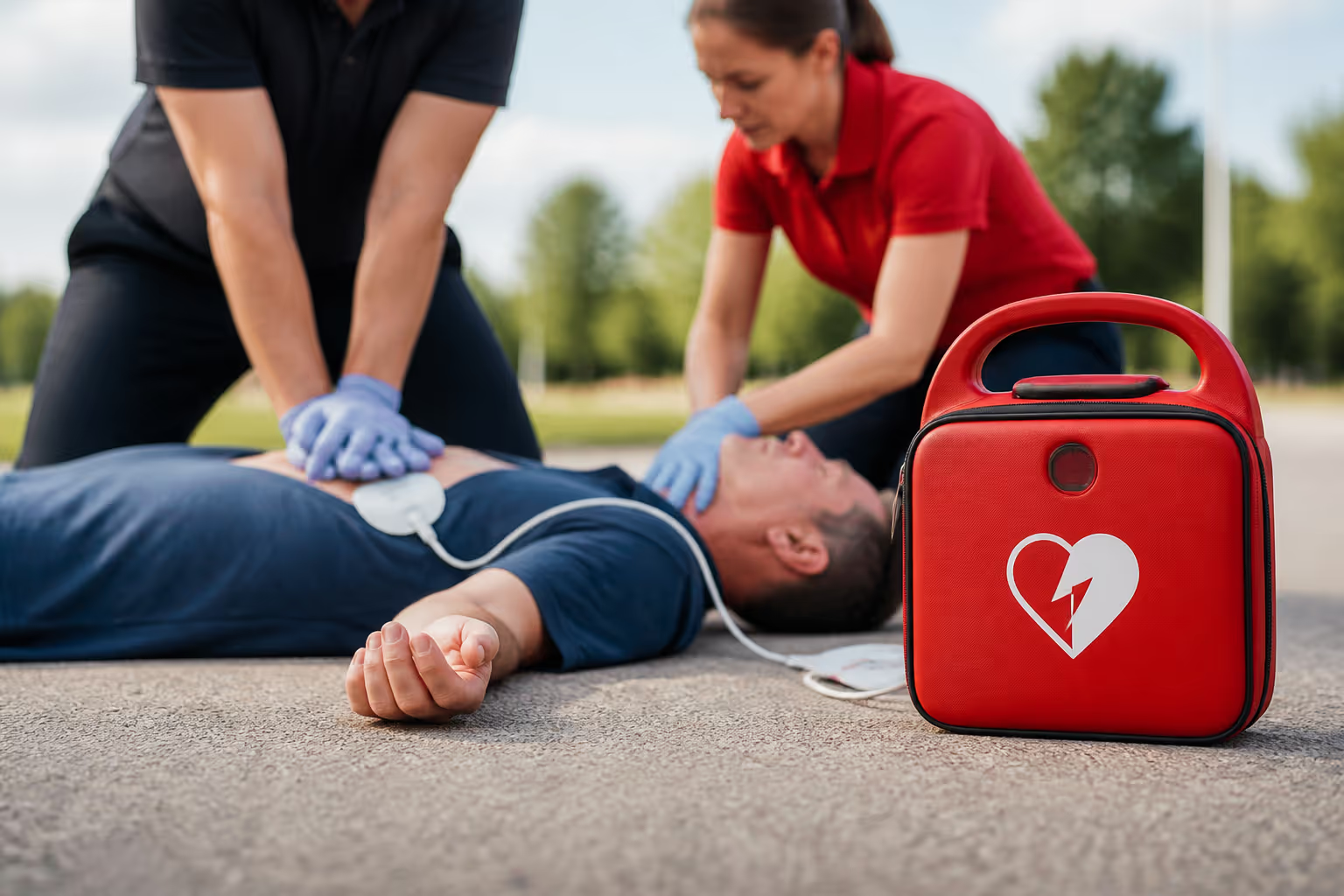
An automated external defibrillator, or AED, is a portable device that checks a person’s heart rhythm and gives step-by-step voice instructions. If the device detects a rhythm that may respond to a shock, it tells the rescuer what to do next. That guidance is one reason AEDs are so valuable in public settings.
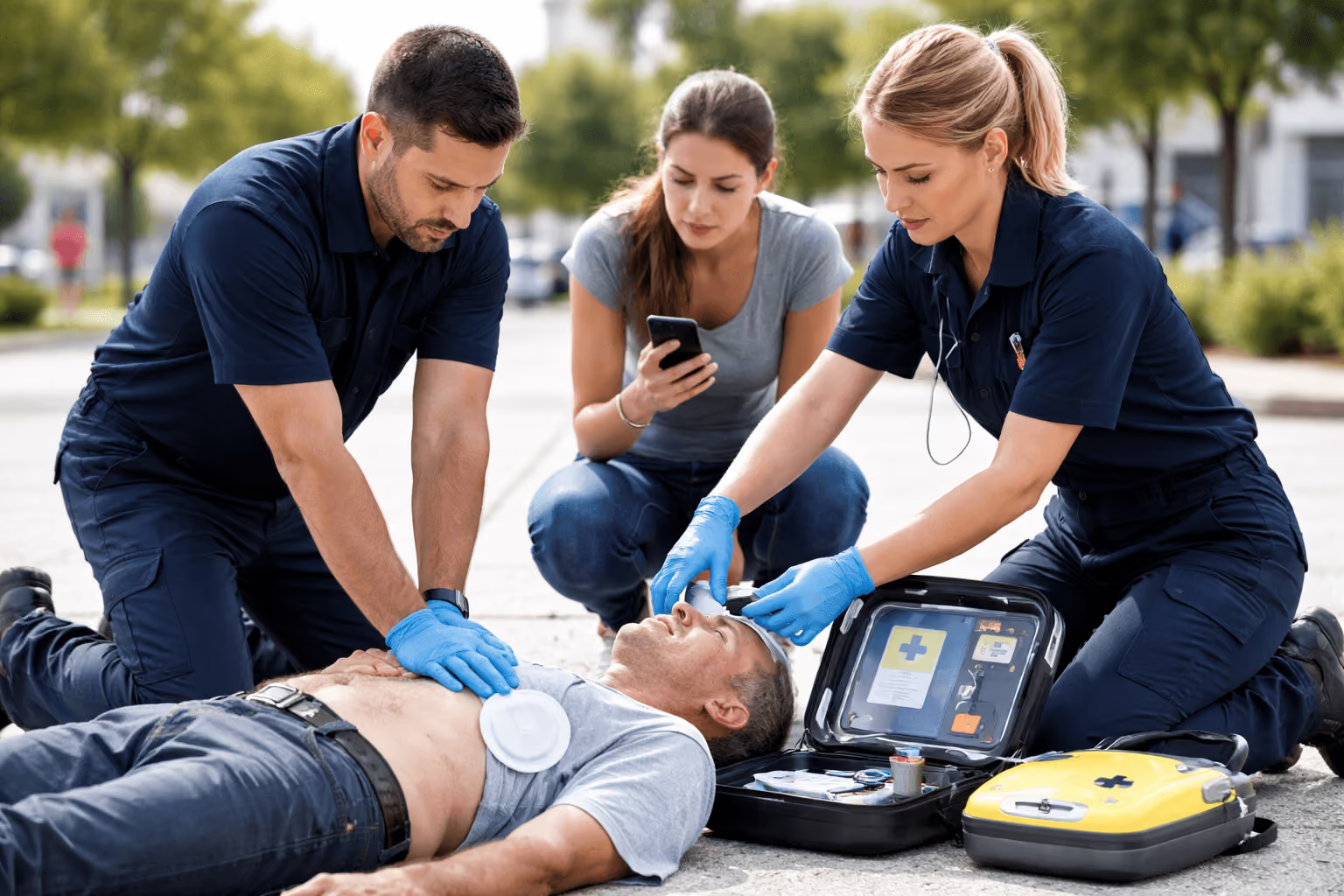
CPR and AED use work together. CPR helps maintain circulation while an AED is prepared and while emergency responders are on the way. First aid basics such as checking the scene, protecting the person from further harm, and sending someone to get the AED can all support a faster response.
- Make sure the scene is safe.
- Check for responsiveness and normal breathing.
- call 911 right away.
- Start CPR if the person is unresponsive and not breathing normally.
- Have someone bring the AED as soon as possible.
- Follow the device prompts until professionals arrive.
For general information on AED readiness and cardiac emergency response, the American Heart Association provides helpful public education on CPR and AED use: American Heart Association.
Where AEDs are commonly needed in Allen
In Allen, AEDs are especially important in places where many people gather quickly or where physical activity is common. That includes schools, athletic facilities, event spaces, offices, and shopping areas.
Facilities should not only have an AED available but also make it easy to find. Clear signage, regular checks, and staff training can save time when seconds matter. A device stored in a back office or behind a locked door is less useful than one that is visible, maintained, and accessible to trained responders.
It also helps when organizations review their emergency plan before an incident happens. Who calls 911? Who gets the AED? Who starts CPR? Those roles should be clear before an emergency begins.
Who should learn CPR and AED skills
This topic is important for parents, teachers, school staff, coaches, trainers, daycare providers, office managers, fitness workers, church volunteers, and anyone who regularly supervises other people. It is also helpful for teens and college students who participate in clubs, sports, or part-time jobs.
Training matters because it gives people a sequence to follow under pressure. In a real emergency, most bystanders are not trying to do everything perfectly. They are trying to do the next right step quickly and safely.
That is especially true in Allen, where many daily activities involve groups of children and adults moving between school, sports, and community events. If staff and volunteers know how to respond, they can support a safer environment for everyone present.
How CPR Certification Labs helps build confidence
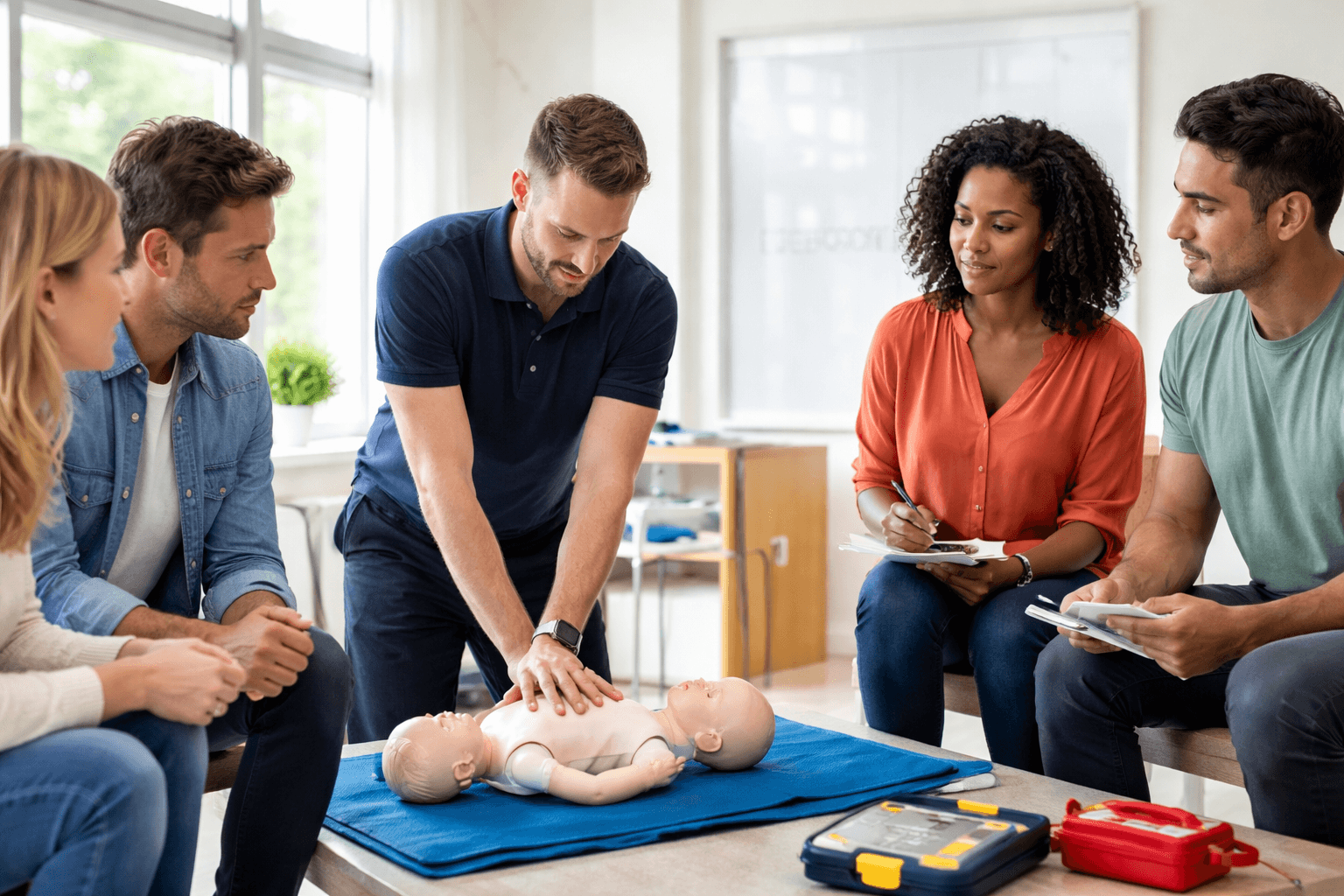
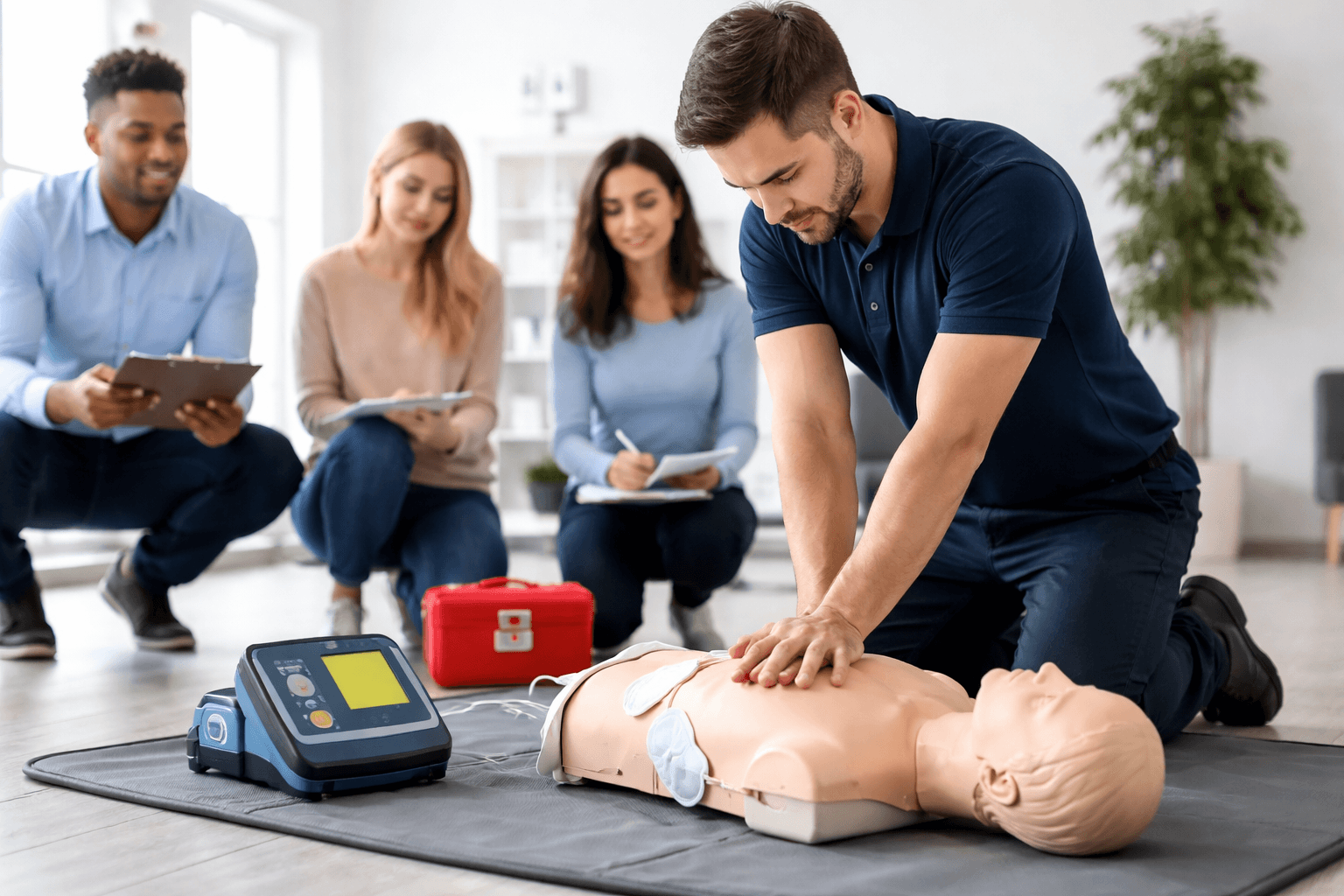
CPR Certification Labs provides practical training in CPR, AED use, and emergency response for healthcare professionals and community members. The instruction is designed to be clear, direct, and easy to follow, so learners can focus on the actions that matter during a cardiac emergency.
For readers who want a local training option, the Fort Worth office at 6940 River Park Circle is available through the Fort Worth office page. The office is located in Fort Worth, TX, and offers convenient hours for adults looking to improve their readiness.
Training can help remove uncertainty. When people know how to use CPR and an AED, they are more likely to step in quickly, communicate clearly, and support emergency responders when time is limited.
Local preparedness starts with simple habits
Allen organizations do not need a complicated plan to improve cardiac emergency readiness. A few practical habits can make a real difference: know where AEDs are stored, post emergency steps in visible places, and review the response plan with staff and volunteers.
Local leaders can also look for ways to make training part of routine safety preparation instead of treating it as a one-time event. That approach helps reduce confusion and supports faster action when someone suddenly needs help.
If your group has not reviewed its AED and CPR plan recently, now is a good time to do it. The right preparation can support a calmer, faster response when an emergency occurs.
Learn more and prepare for the unexpected
If you want practical CPR, AED, and first aid training, CPR Certification Labs can help you build skills that apply in real emergencies. The Fort Worth office serves North Texas learners who want straightforward instruction and local support.
Use the Fort Worth office page to review training information and choose a time that fits your schedule.
This article is for general educational purposes only and is not a substitute for professional medical advice, diagnosis, treatment, or certified CPR training. In an emergency, call 911 immediately.
About our Fort Worth office
- Address: 6940 River Park Circle
- Phone: (817) 420-7629
- Email: fortworth@cprcertificationlabs.com
- Hours:
Monday – Sunday: 6am - 12am