Houston choking response after a family turns loss into service
Houston choking response is more than a phrase for an emergency. It is a reminder that parents, caregivers, and healthcare professionals need clear steps before a crisis begins. After an infant died in a choking accident, one family chose to lean on faith and use their grief to encourage lifesaving awareness. Their story matters because choking can happen quickly, and a calm, trained response can make a real difference while help is on the way.
What happened and why the story matters
The family’s loss is deeply personal, but the lesson is broadly useful: preparation matters. Choking can escalate fast, especially with infants and young children. In those moments, knowing how to respond, when to get help, and when to switch to CPR can help families and professionals act with purpose instead of panic. Their advocacy reminds Houston residents that education is one way to honor a tragedy while protecting other households.
Houston choking response: age-specific steps to know
A practical Houston choking response depends on the person’s age and whether they are responsive. If someone cannot breathe, cannot speak, or becomes unresponsive, get emergency help right away. For responsive choking, use age-appropriate first aid and keep the person under close observation until emergency responders arrive.
Infants under 1 year
- Support the infant’s head and neck and keep the airway visible.
- Give 5 back blows between the shoulder blades with the heel of one hand.
- Turn the infant over and give 5 chest thrusts with two fingers in the center of the chest, just below the nipple line.
- Repeat back blows and chest thrusts until the object comes out or the infant becomes unresponsive.
- Do not perform blind finger sweeps.
- Do not shake the infant or delay help while trying to force the object out.
Children and adults
- Ask, “Are you choking?” and look for the ability to cough, speak, or breathe.
- If the person cannot breathe or speak, give abdominal thrusts if you are trained and the person is able to stand or sit upright.
- For a pregnant person or someone with a larger body size, use chest thrusts instead of abdominal thrusts.
- If the person becomes unresponsive, call 911 and start CPR if trained.
- Do not give food or drink during the event.
For current guidance on choking response and CPR, see the American Heart Association at cpr.heart.org and the Red Cross at redcross.org.
Where AEDs fit into emergency response after choking
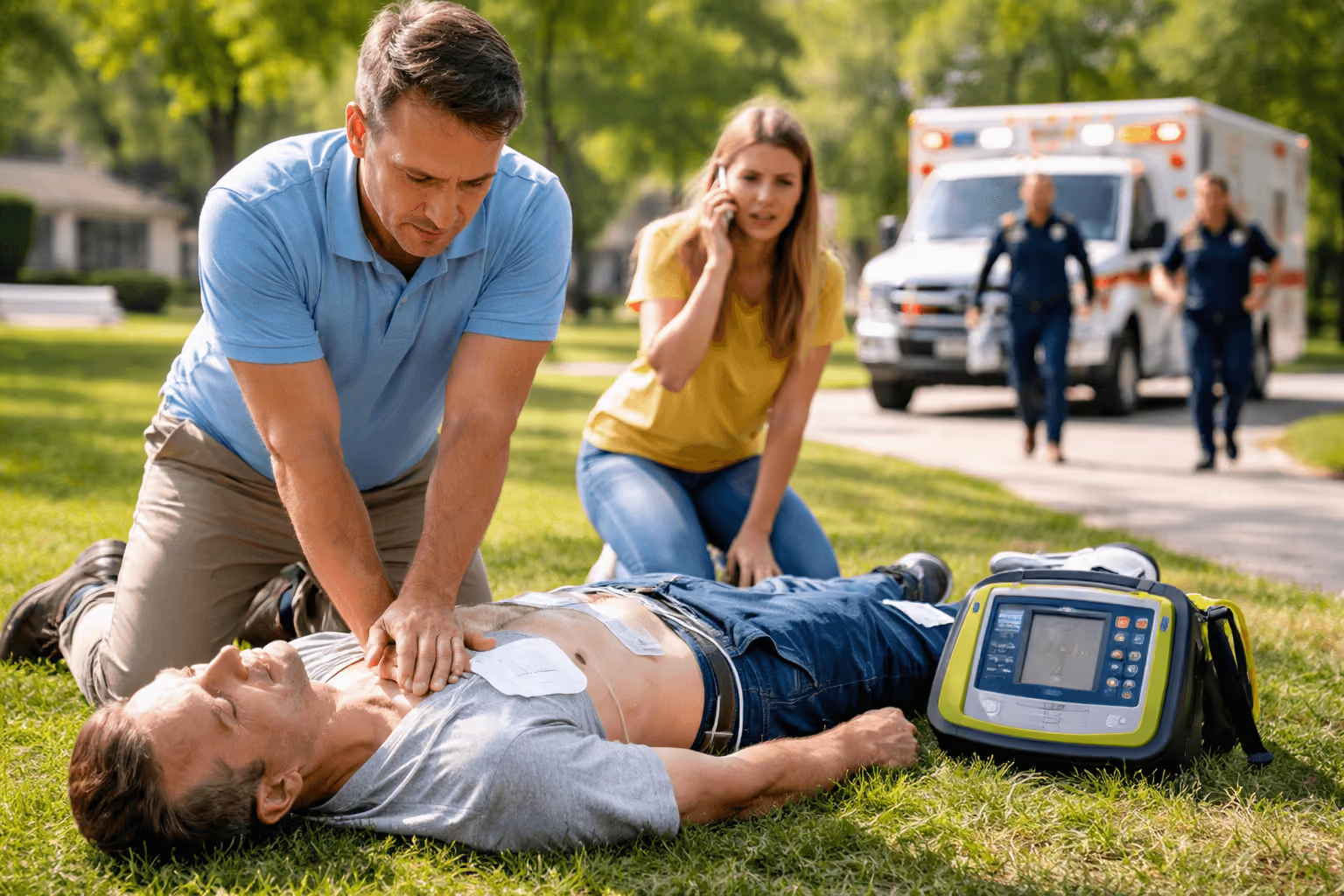
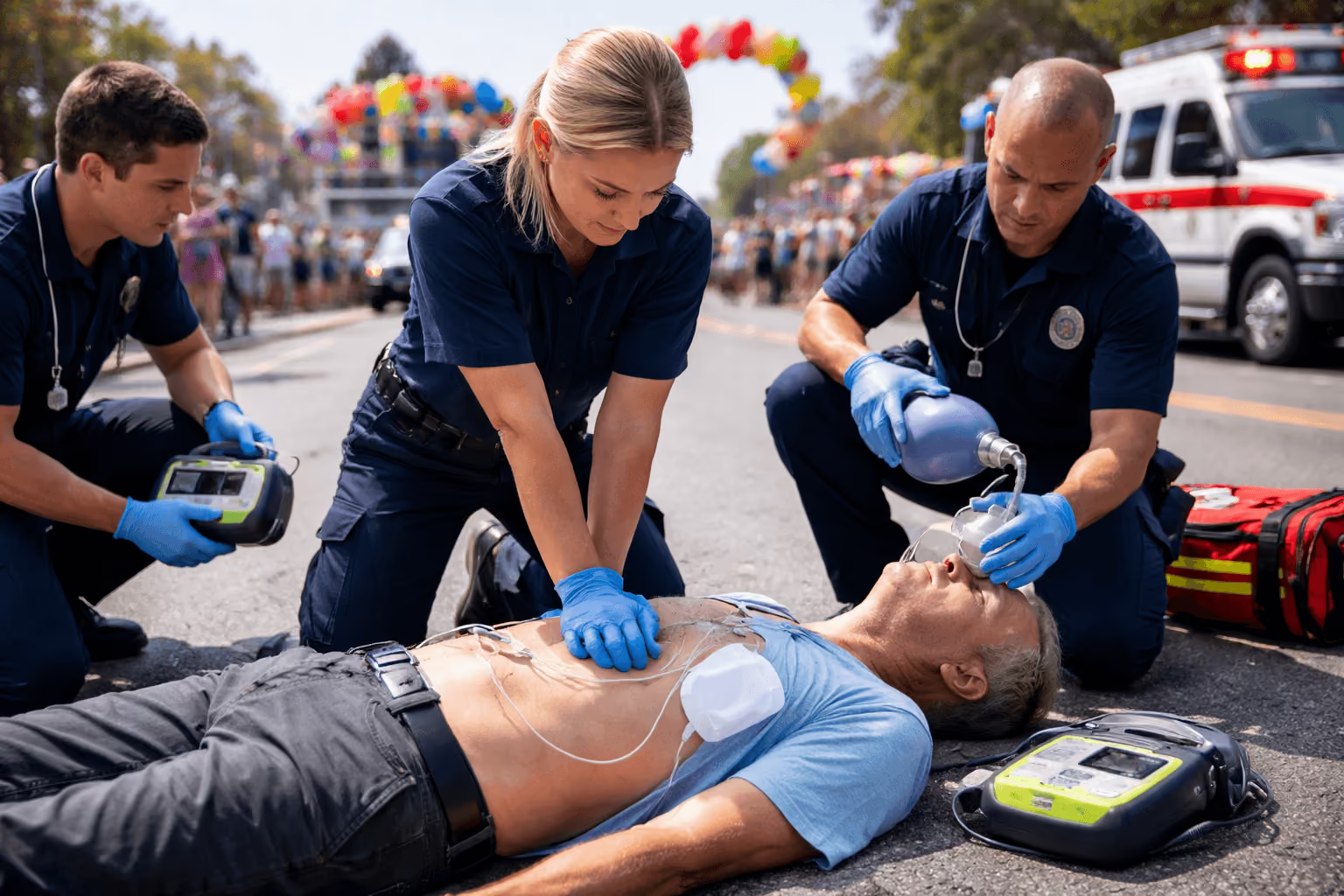
An AED does not treat choking itself. Its role becomes important if choking leads to collapse and the person is unresponsive, especially if CPR is underway and a defibrillator is available. In that situation, follow the device prompts and emergency response instructions. The key point is to use an AED conditionally and appropriately, not as a substitute for clearing the airway or starting CPR when indicated.
This article is for general educational purposes only and is not a substitute for professional medical advice, diagnosis, treatment, or certified CPR training. In an emergency, call 911 immediately.
Who should learn choking response and first aid
Choking response training is useful for people who care for others in high-responsibility settings and at home. It is especially relevant for:
- Parents and grandparents caring for infants or toddlers
- Daycare, preschool, and school staff
- Coaches, youth leaders, and church volunteers
- Healthcare professionals and clinic teams
- Office staff and workplace safety coordinators
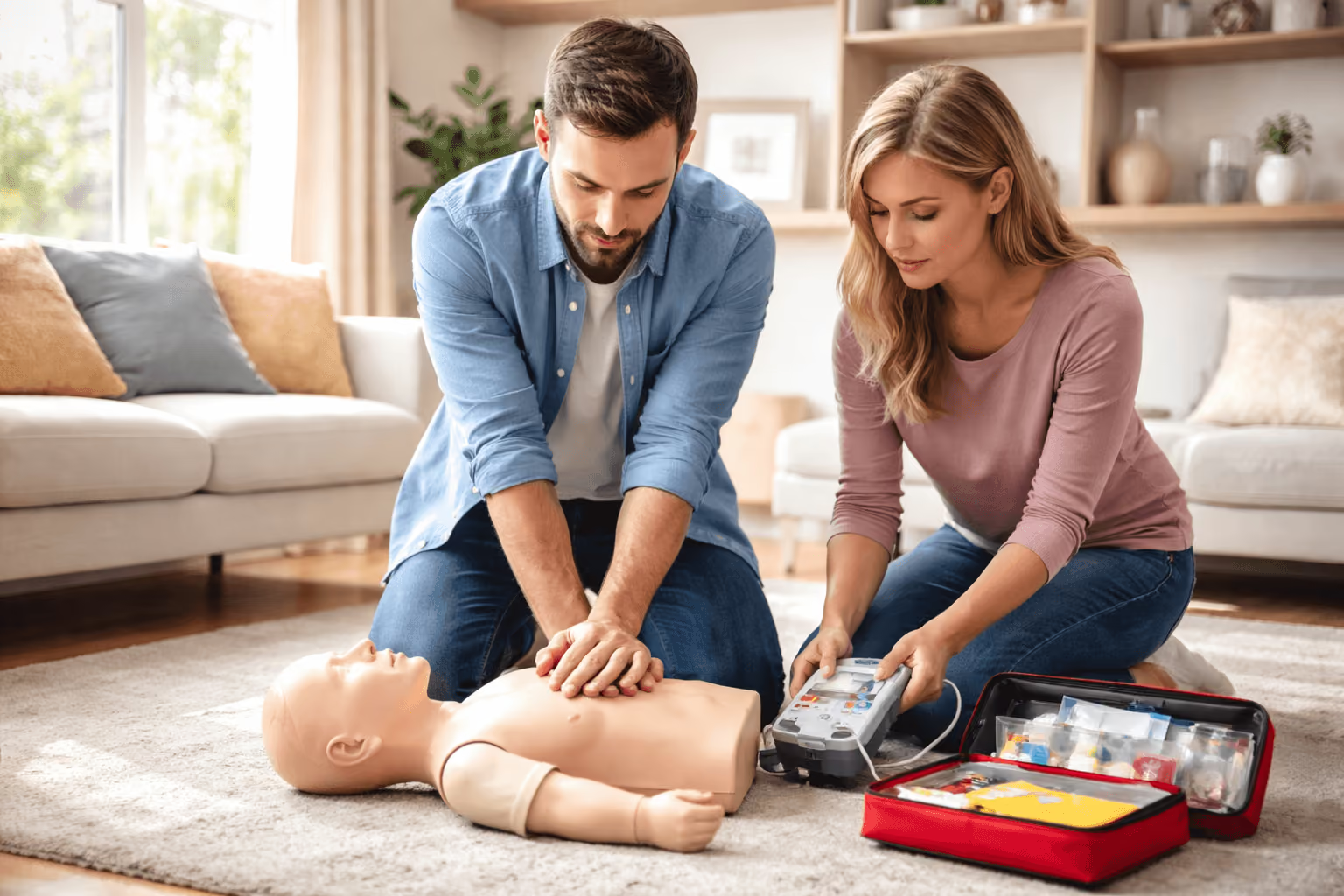
These groups benefit from practicing CPR, first aid, and emergency response skills before an actual event happens.
Why CPR, first aid, and AED training matter in Houston
Houston is a busy city with families, schools, childcare centers, workplaces, and faith communities all navigating daily life at a fast pace. That makes readiness especially important. A strong Houston choking response can help caregivers stay focused while waiting for emergency medical help. CPR training builds confidence if breathing stops. First aid training helps with decision-making during choking, injuries, and sudden illness. AED training prepares people to use the device correctly if a collapse and cardiac emergency occur.
Benefits of choosing CPR Certification Labs
CPR Certification Labs offers practical CPR, AED, and first aid training for healthcare professionals and community members who want clear instruction and usable skills. Courses are designed to be straightforward, local, and focused on real-world emergency response. Whether you are renewing skills or learning for the first time, structured training can help you feel more prepared to act.
For local scheduling and class options, visit the Houston office page: Houston office page. You can also explore related training pages for broader preparedness: CPR certification, first aid certification, AED certification, and Houston CPR classes.
Faith, community, and the value of readiness
Faith can help families carry grief, and service can turn memory into action. In Houston, that message resonates in neighborhoods, churches, clinics, and schools where people depend on one another in everyday life. The family’s advocacy is a reminder that compassion and preparation belong together. Learning choking response steps is one way to support that mission.
Take the next step
If you want to strengthen your Houston choking response knowledge, consider CPR, AED, or first aid training before an emergency happens. The right preparation can help you respond with more confidence when seconds matter.
Schedule training and view local class options here: Houston office page.
FAQ
What should I do first if someone is choking?
Check whether the person can cough, speak, or breathe. If they cannot, begin age-appropriate choking first aid and call 911 if the person becomes unresponsive or the airway remains blocked.
Should I use an AED after choking?
Use an AED only if the person collapses and becomes unresponsive, and only as part of the emergency response after you have called 911 and started CPR if trained. An AED does not remove a choking obstruction.
Why is infant choking response different?
Infants require back blows and chest thrusts instead of abdominal thrusts. Their smaller size and anatomy mean the technique must be adapted carefully.