Kingwood defibrillator incident: why this story matters
The Kingwood defibrillator incident has drawn attention because it happened during a medical emergency, when staff were trying to save a patient’s life. In situations like this, CPR, an AED or defibrillator, oxygen equipment, and room safety all come into focus at the same time.
For families, patients, and healthcare workers in Kingwood, the event is a reminder that emergency response depends on both skill and careful coordination. Even when a hospital team is trained, resuscitation can become complex very quickly.
What happened in Kingwood
A 62-year-old woman being treated for COVID at a Kingwood hospital was reportedly being resuscitated when a fire broke out in the room. Investigators are looking at how the defibrillator was involved and whether oxygen or another factor contributed to the flames. The patient later died, and the case remains under review.
The details matter because defibrillators are designed to support life-saving care, not create danger. Still, any medical emergency that involves electricity, oxygen, and a distressed patient requires strict attention to procedure and room setup.
What CPR and AED use teach us about emergency response
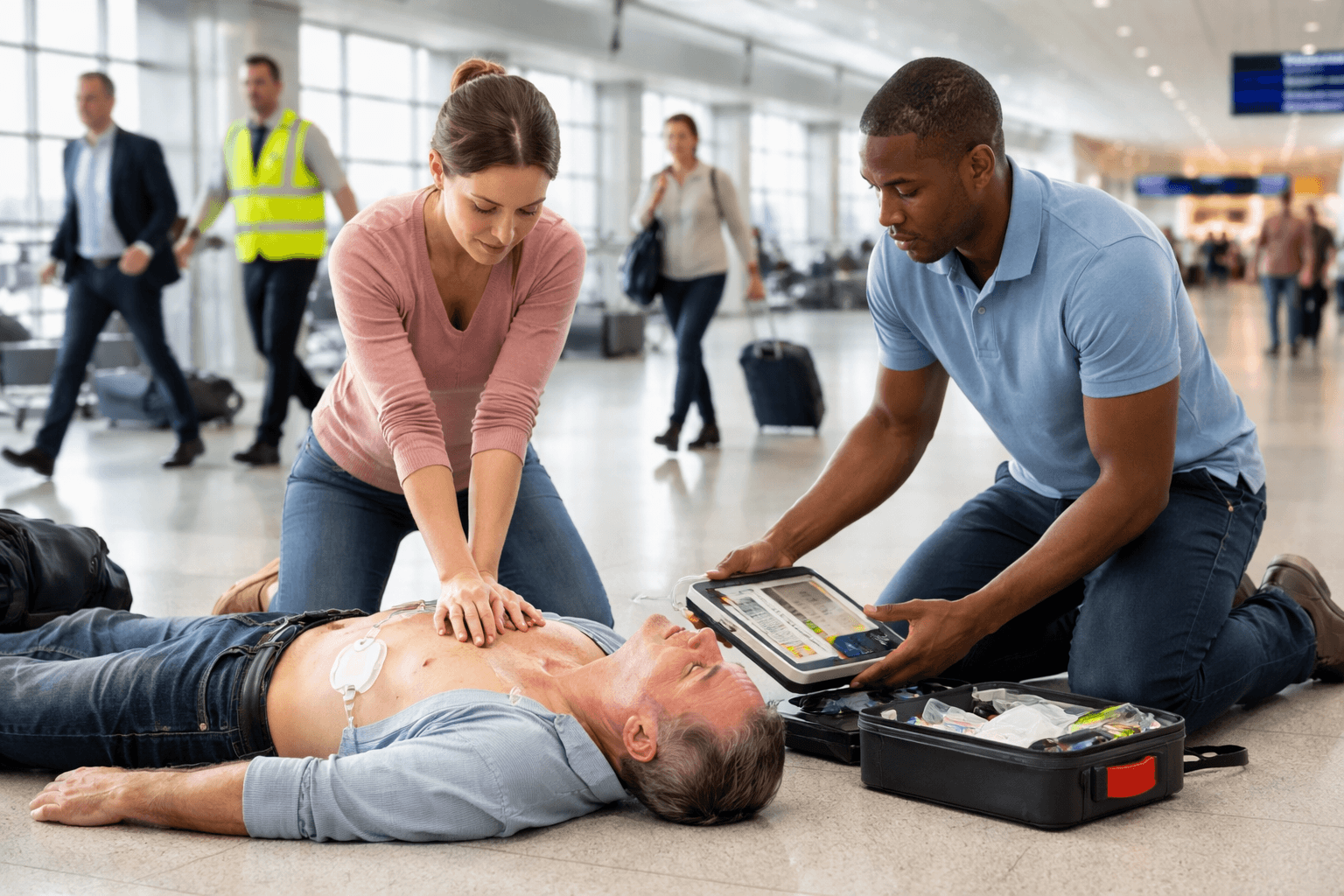
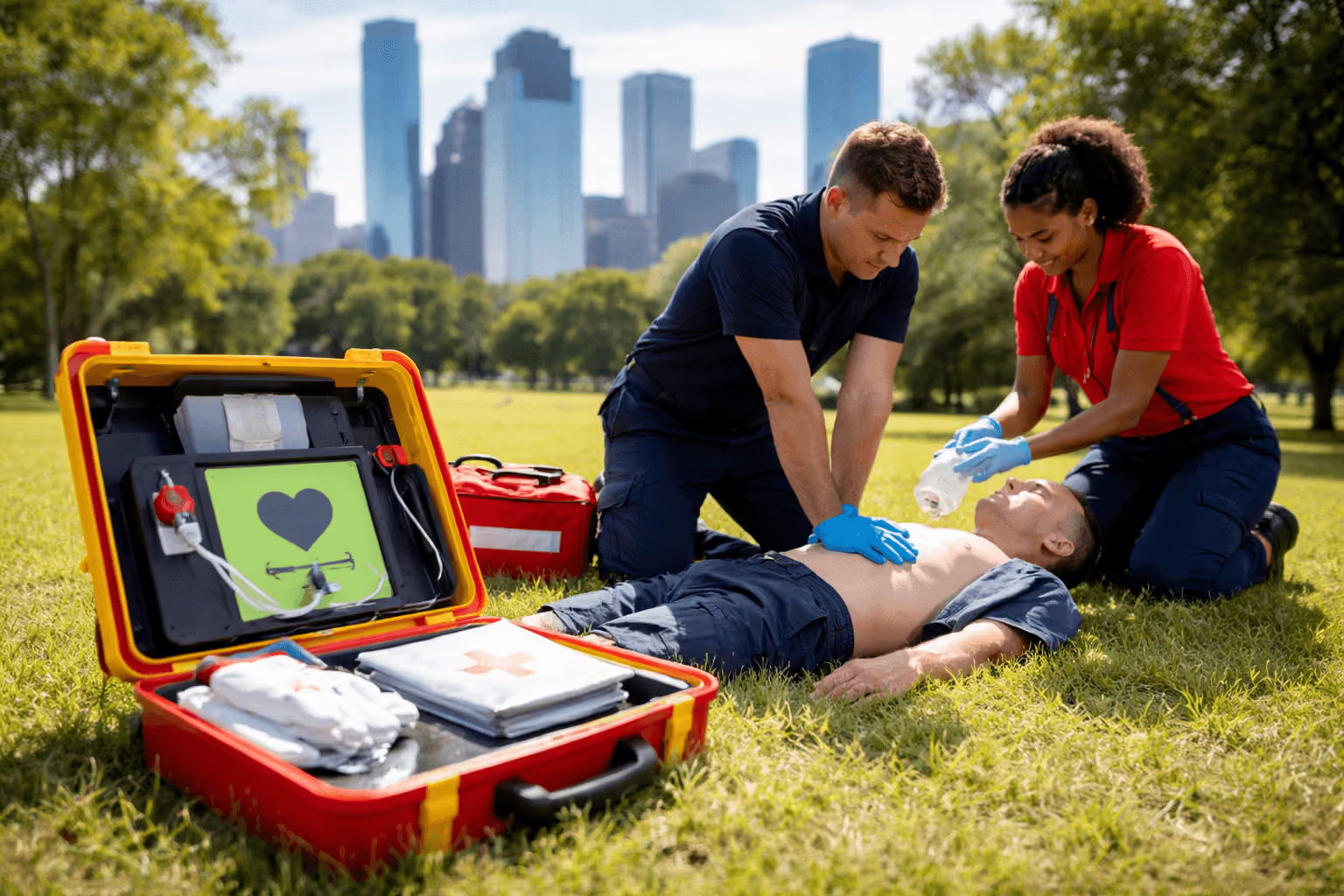
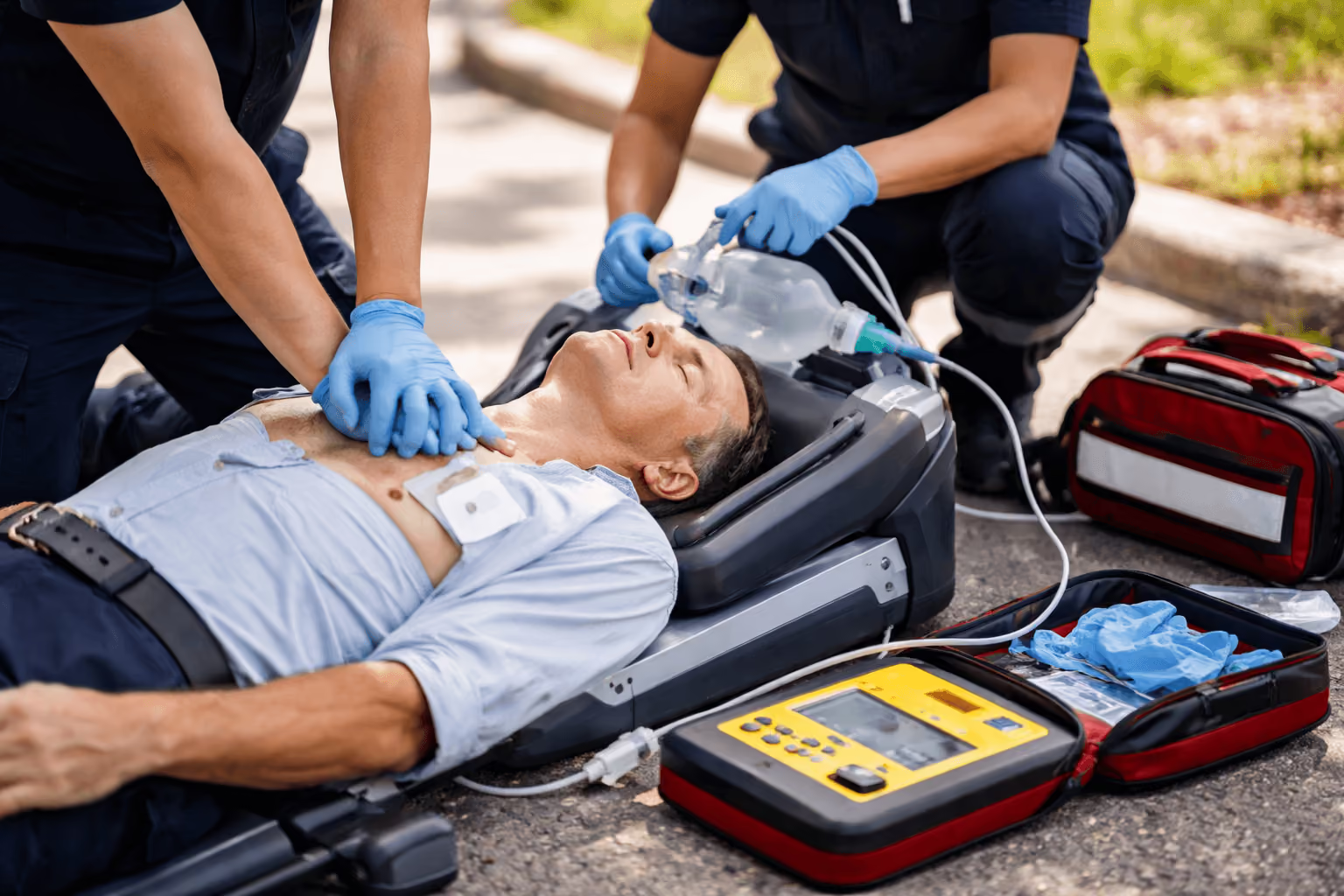
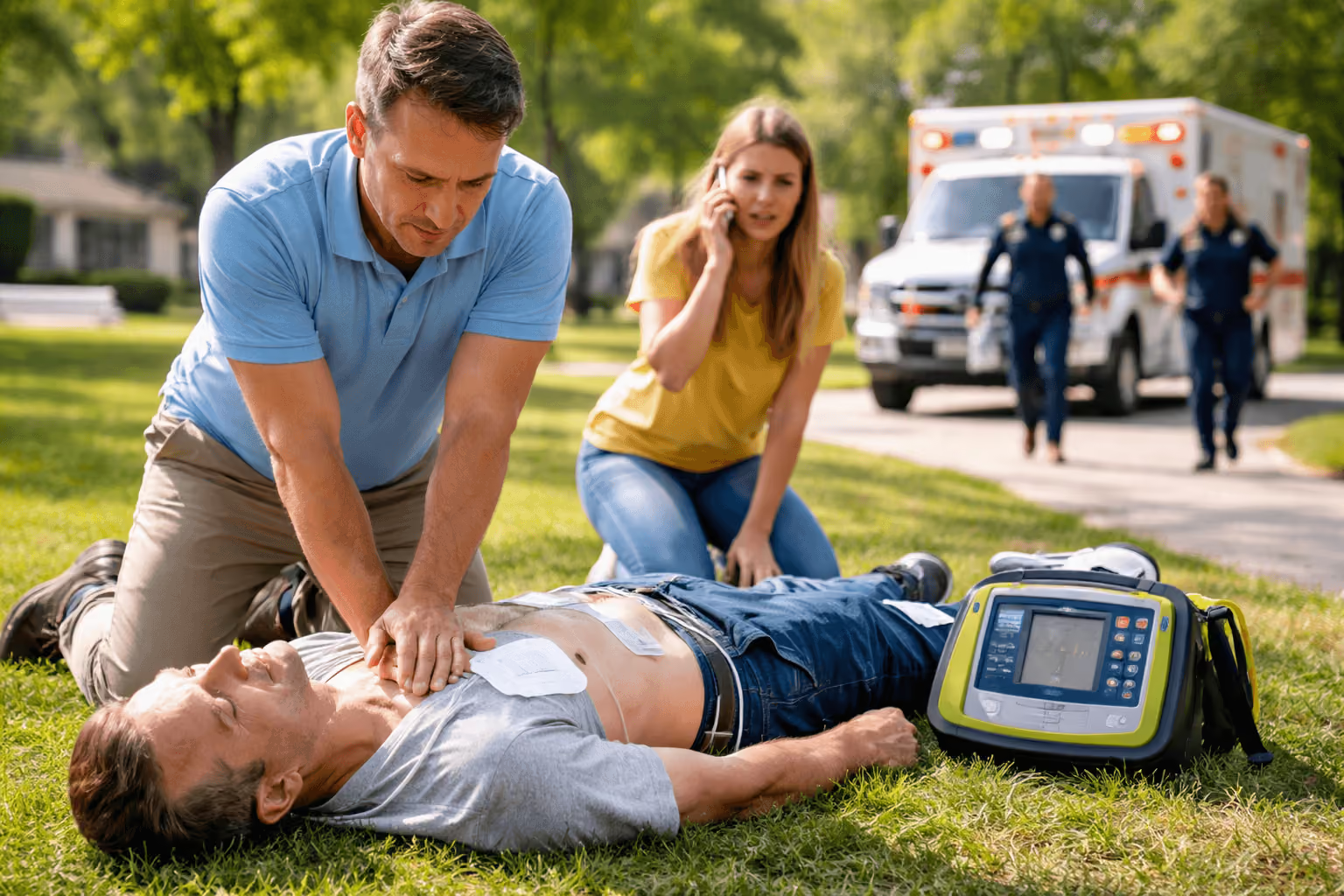
CPR and AED use are central parts of emergency care for cardiac arrest. A defibrillator can help restore a normal heart rhythm in certain situations, but it must be used correctly and in the right environment. Emergency response training emphasizes quick action, clear team roles, and awareness of hazards around the patient.
This kind of incident also shows why first aid and CPR skills are valuable outside the hospital. In a home, office, school, or clinic, the first few minutes of response can shape what happens next.
- Recognize an emergency quickly. Sudden collapse, no breathing, or no pulse requires immediate action.
- Call 911 right away. Do not wait to see if the person improves.
- Start CPR if trained. Chest compressions can help maintain circulation until advanced help arrives.
- Use an AED if available. Follow the device prompts and keep the area clear when instructed.
In a hospital setting, staff must also account for oxygen sources, electrical equipment, and the space around the patient. Those details are part of safe emergency response, especially when defibrillation is needed.
This article is for general educational purposes only and is not a substitute for professional medical advice, diagnosis, treatment, or certified CPR training. In an emergency, call 911 immediately.
Who should pay attention to this story
This Kingwood defibrillator incident is relevant to nurses, medical assistants, doctors, respiratory staff, office teams, teachers, and community members who may one day need to respond to cardiac arrest. It is also important for anyone responsible for workplace safety planning.
Healthcare professionals already know that emergency response is about more than speed. It also involves preparation, communication, and knowing how to reduce risks during CPR and AED use. For the public, the message is simpler: training helps you act with confidence when seconds matter.
Why CPR Certification Labs is a local resource
CPR Certification Labs supports learners who want practical training in CPR, AED use, and first aid. In Kingwood, that matters because local professionals often need education that fits busy schedules and real workplace demands.
Our Kingwood office is located at 1525 Lakeville Drive, Suite 235, Kingwood, TX, and is open 6am - 12am - 7 Days a Week. If you are looking for a convenient place to build or refresh your emergency response skills, you can learn more here: Kingwood office.
Nearby context in Kingwood
Kingwood residents and healthcare workers live and work near hospitals, clinics, senior care settings, schools, and busy roads where emergencies can happen without warning. That local reality is why CPR and AED training remain important for teams across the area.
When an incident like this occurs at a hospital, it also reinforces the need for clear emergency protocols, regular equipment checks, and a shared understanding of how to respond under pressure.
Closing thoughts
The Kingwood defibrillator incident is tragic, but it also offers a clear reminder: emergencies demand preparation. CPR, AED awareness, and strong first aid training are essential parts of safer response in Kingwood and beyond. If you want to strengthen those skills, local training can help you be ready before an emergency happens.