Houston AED maintenance and school emergency response
Houston AED maintenance is now part of a larger conversation after a Houston ISD student died following a medical emergency at Marshall Middle School. When a campus emergency involves possible sudden cardiac arrest, the readiness of an AED, the speed of CPR, and the strength of the emergency response all matter immediately.
The tragedy has also reminded educators, parents, and school leaders that AEDs are not helpful if they are not inspected, powered, stocked, and ready to use. In a school setting, a device that works on paper but not in real life can leave staff with fewer options during a critical moment.
What happened at Marshall Middle School
According to district and union comments, the student became unresponsive in a gym during the school day. Staff attempted to use an AED, and the Houston Federation of Teachers said the device did not function as expected. Emergency medical personnel arrived quickly and transported the student to a hospital, where the student was later pronounced dead.
The exact medical cause was not public at the time, and it was not clear whether a working defibrillator would have changed the outcome. Even so, the event raised urgent questions about whether campus AEDs are being inspected often enough and whether broken units are being taken out of service before they are needed.
Why Houston AED maintenance matters in schools
AEDs are designed to help in sudden cardiac arrest by analyzing heart rhythm and delivering a shock only when that shock is appropriate. They are an essential part of CPR and emergency response, especially in places where many people gather, such as schools, gyms, and athletic facilities.
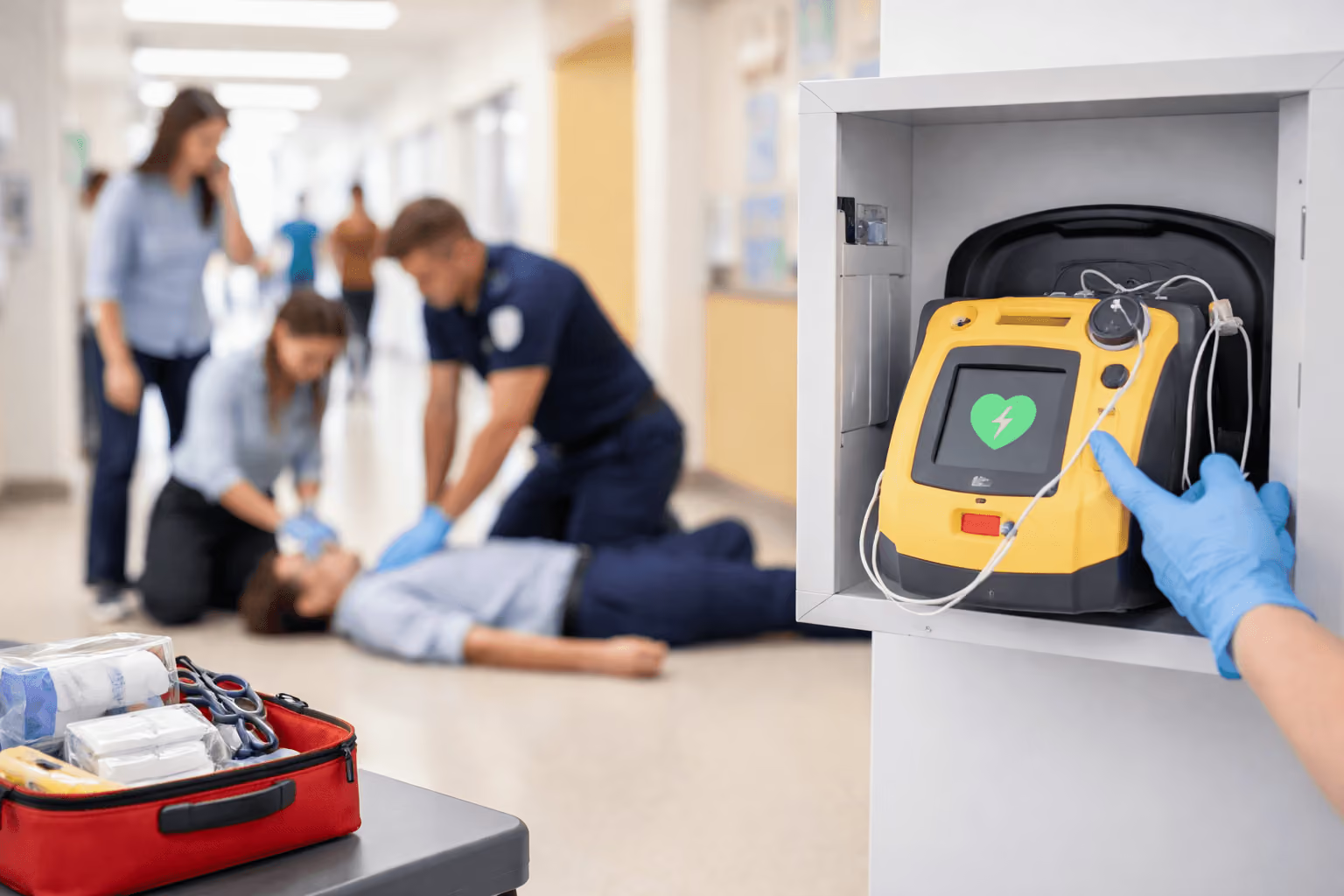
Proper Houston AED maintenance includes more than hanging the device on a wall. Staff need to know whether batteries are charged, pads are within their expiration dates, indicator lights show readiness, and the unit passes its regular checks. If one part fails, the AED may not be available when a person collapses.
Texas schools are required to keep AEDs on site and inspect them regularly. That requirement exists because the first few minutes after collapse are often the most important. Immediate CPR, quick AED use, and a prompt call to 911 can give emergency responders a better chance to take over care as soon as they arrive.
What teachers, nurses, and staff should know
This news is especially relevant for teachers, school nurses, coaches, office staff, and administrators. Anyone responsible for a campus should know where the AEDs are located, how to use them, and how to confirm that each unit is ready.
- Check the AED indicator on a routine schedule.
- Confirm that pads, batteries, and accessories are current.
- Make sure the device is not locked away or blocked during an emergency.
- Practice CPR and AED response as a team, not just individually.
- Know the campus plan for contacting 911 and directing EMS to the scene.
A device that is technically present but not maintained can create confusion during a crisis. Clear roles, practiced procedures, and frequent equipment checks are part of a strong school safety plan.
CPR, AED use, and the role of training
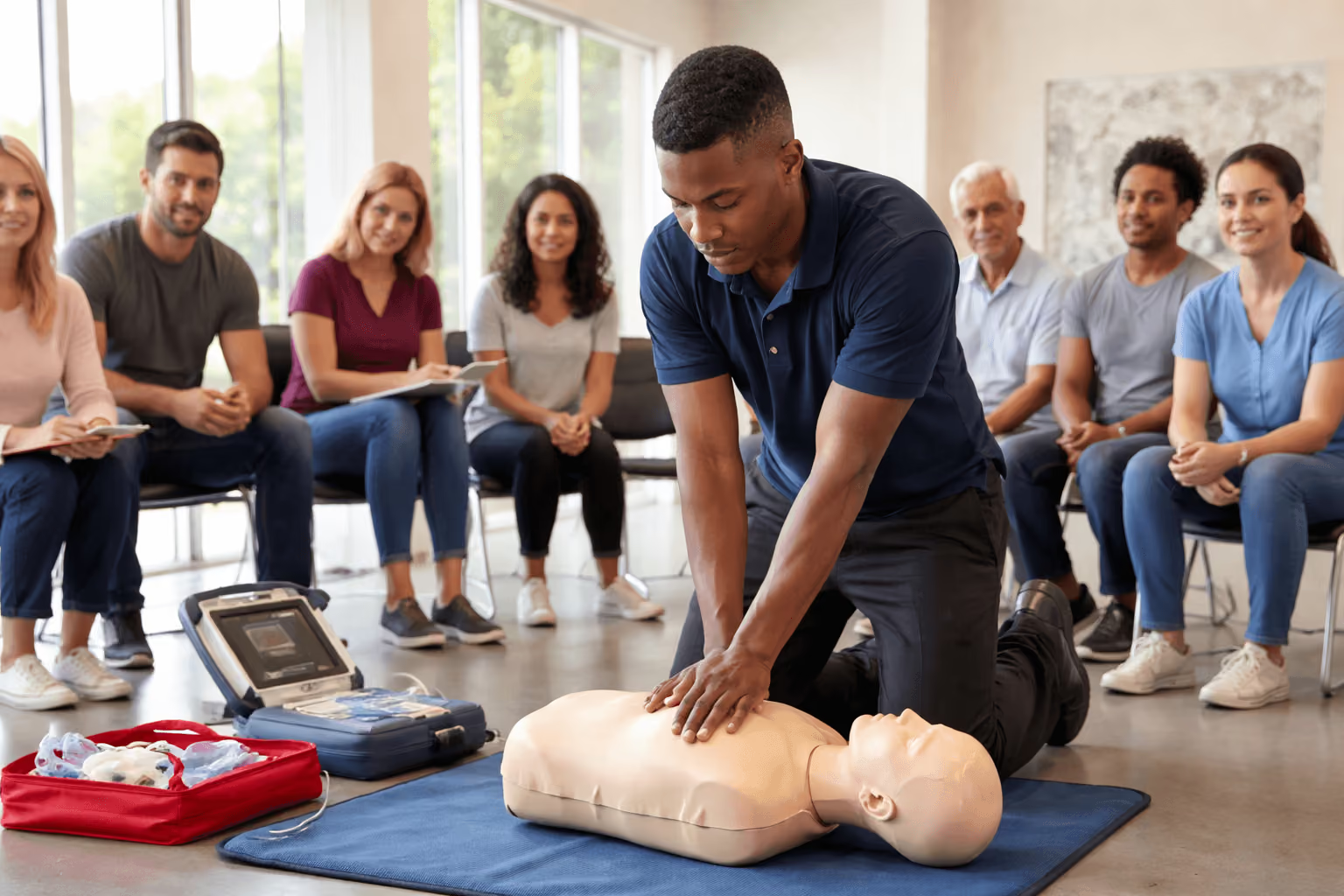
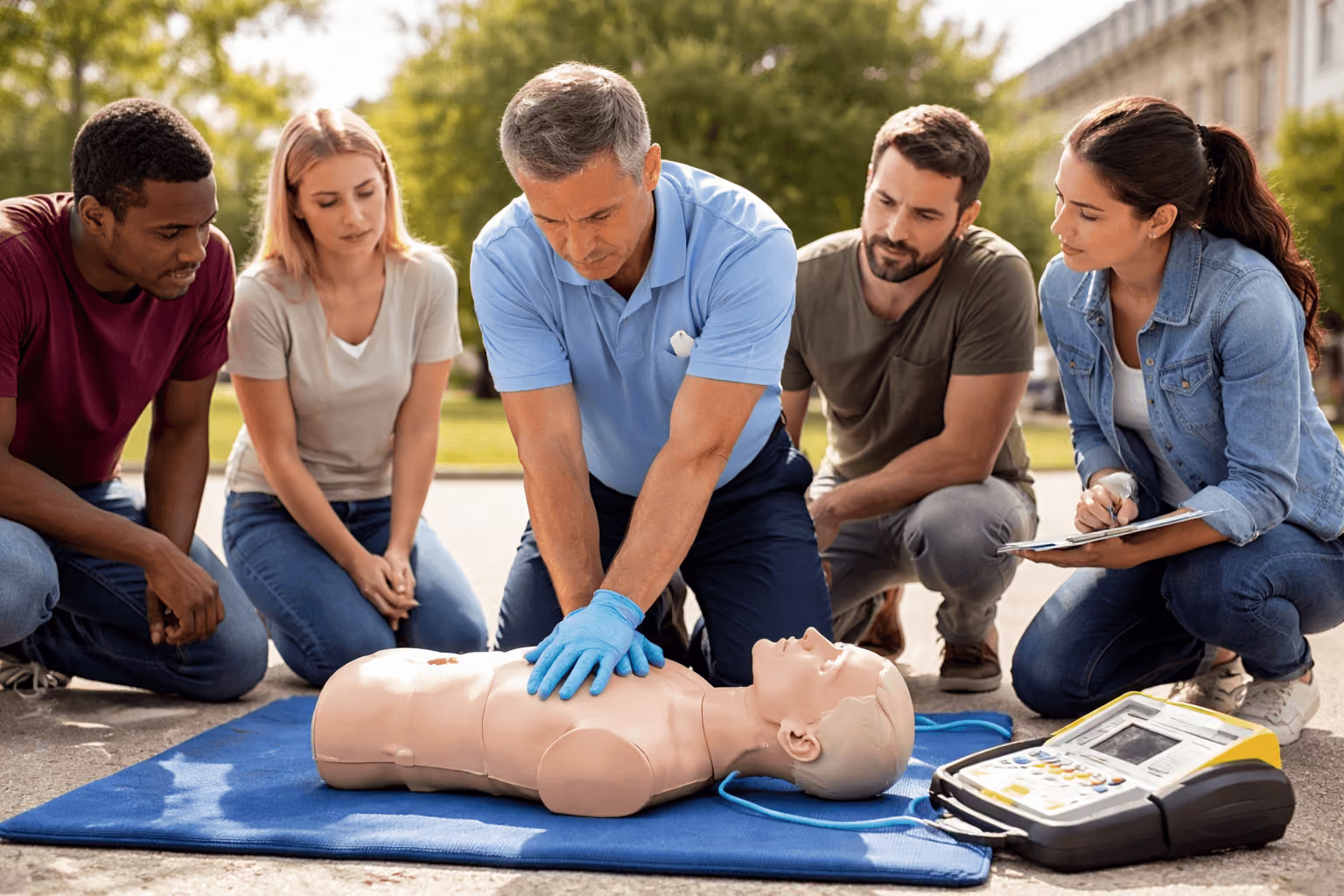
When a person suddenly collapses and is not breathing normally, CPR should begin right away if the scene is safe. An AED should be brought to the scene as soon as possible and turned on so it can analyze the heart rhythm. If the device advises a shock, staff should follow the prompts. If it does not, CPR should continue until EMS arrives.
That sequence is why training matters. A school may have the right equipment, but staff still need confidence to act fast. CPR and first aid training help reduce hesitation, improve communication, and support a faster emergency response while waiting for professional responders.
This article is for general educational purposes only and is not a substitute for professional medical advice, diagnosis, treatment, or certified CPR training. In an emergency, call 911 immediately.
Local relevance for Houston schools and workplaces
Houston campuses, sports facilities, churches, offices, and community centers all benefit from the same basic preparation: visible AED placement, regular inspection, and staff who know how to respond in the first minutes of a collapse. In a city as large as Houston, response time can vary, which makes early CPR and AED readiness even more important.
For organizations in North Houston that want to strengthen response plans, CPR Certification Labs offers training that supports healthcare professionals, educators, and workplace teams. If you need location-specific details or want to connect with a local office, visit North Houston.
Benefits of choosing CPR Certification Labs
CPR Certification Labs helps learners focus on practical skills that can be used in real emergencies. Training is designed to be clear, direct, and useful for people who may need to respond at school, at work, or in the community.
- Hands-on CPR and AED instruction
- Simple, professional training for healthcare and non-healthcare teams
- Useful guidance for first aid and emergency response
- Local support for North Houston learners and organizations
Whether your team manages a school campus, a clinic, or another public space, regular CPR and AED training can help support a safer environment and a more prepared response.
FAQ
How often should AEDs be checked?
AEDs should be inspected on a regular schedule so that batteries, pads, and indicator lights are ready for use. Schools should follow the inspection requirements that apply to them and document each check.
Why might an AED appear not to work?
An AED may seem inactive if it determines that no shock is needed. It can also fail to function if batteries are dead, pads are expired, or the device has not been maintained properly.
What should staff do during a collapse emergency?
Start CPR if needed, bring the AED, follow the device prompts, and call 911 right away. Fast action and a practiced emergency response plan are essential.