CPR Training in Midland and the Push for Better Emergency Response
CPR training in Midland is gaining renewed attention as local healthcare leaders focus on keeping resuscitation skills sharp. When cardiac arrest happens, every second matters, and the quality of CPR and AED response can shape what happens next. That is why Midland Memorial Hospital’s decision to modernize its training approach is an important reminder that CPR is not a one-time skill. It must be practiced, refined, and ready when needed.
Why Midland Memorial’s Training Update Matters
Midland Memorial Hospital’s adoption of a Resuscitation Quality Improvement program reflects a broader shift in how hospitals think about CPR. Instead of waiting long periods between training cycles, the new model uses shorter, more frequent practice with real-time feedback. For a hospital serving Midland and the surrounding area, that kind of repetition can support stronger emergency response performance when a patient needs immediate help.
The idea behind this approach is simple: CPR skills can fade over time. Even healthcare professionals who use CPR protocols in their work can lose speed, confidence, and precision if they do not practice regularly. A training model that reinforces chest compressions, ventilations, and teamwork more often can help staff stay prepared for high-stress events such as cardiac arrest.
How CPR Training in Midland Supports High-Quality Care
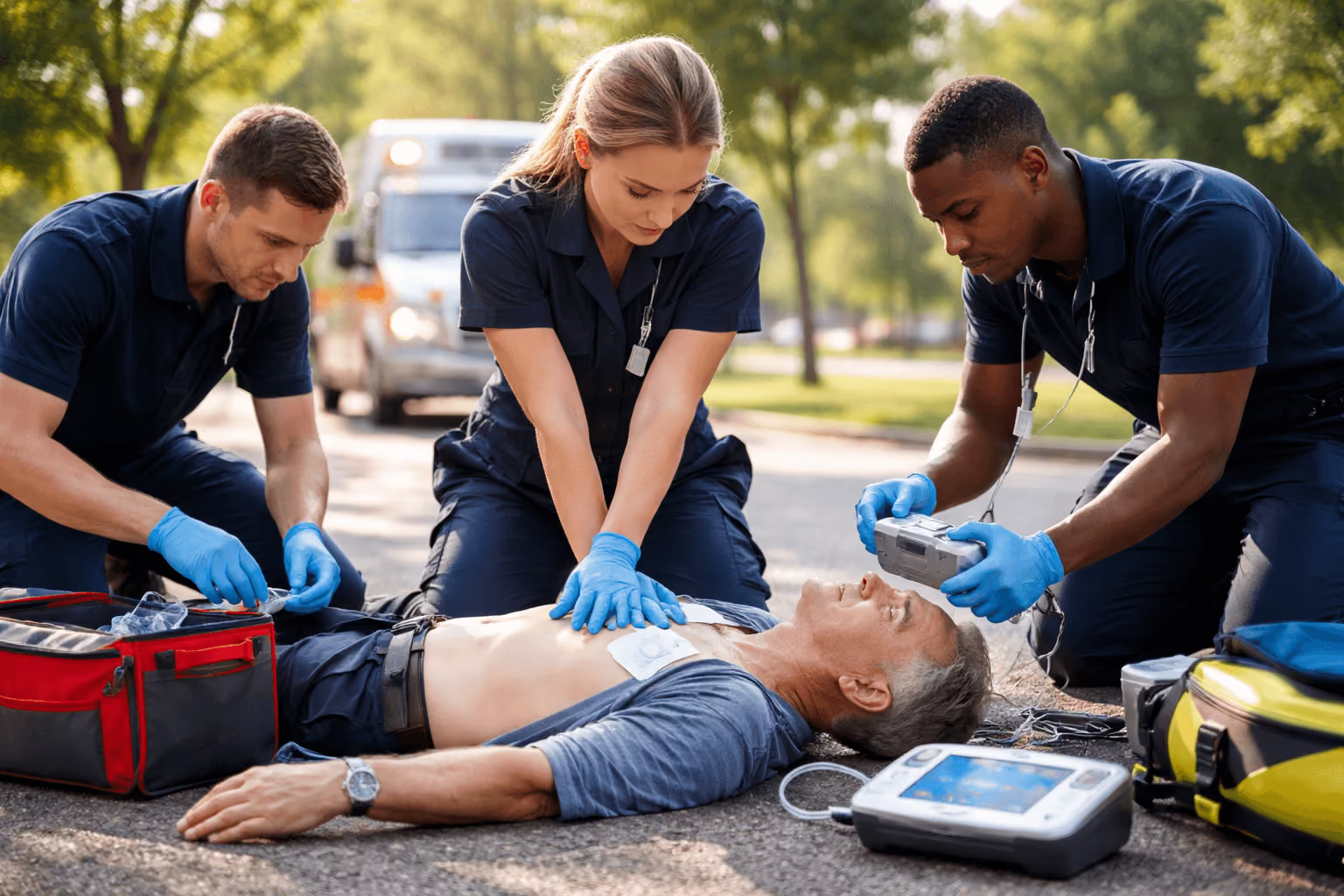
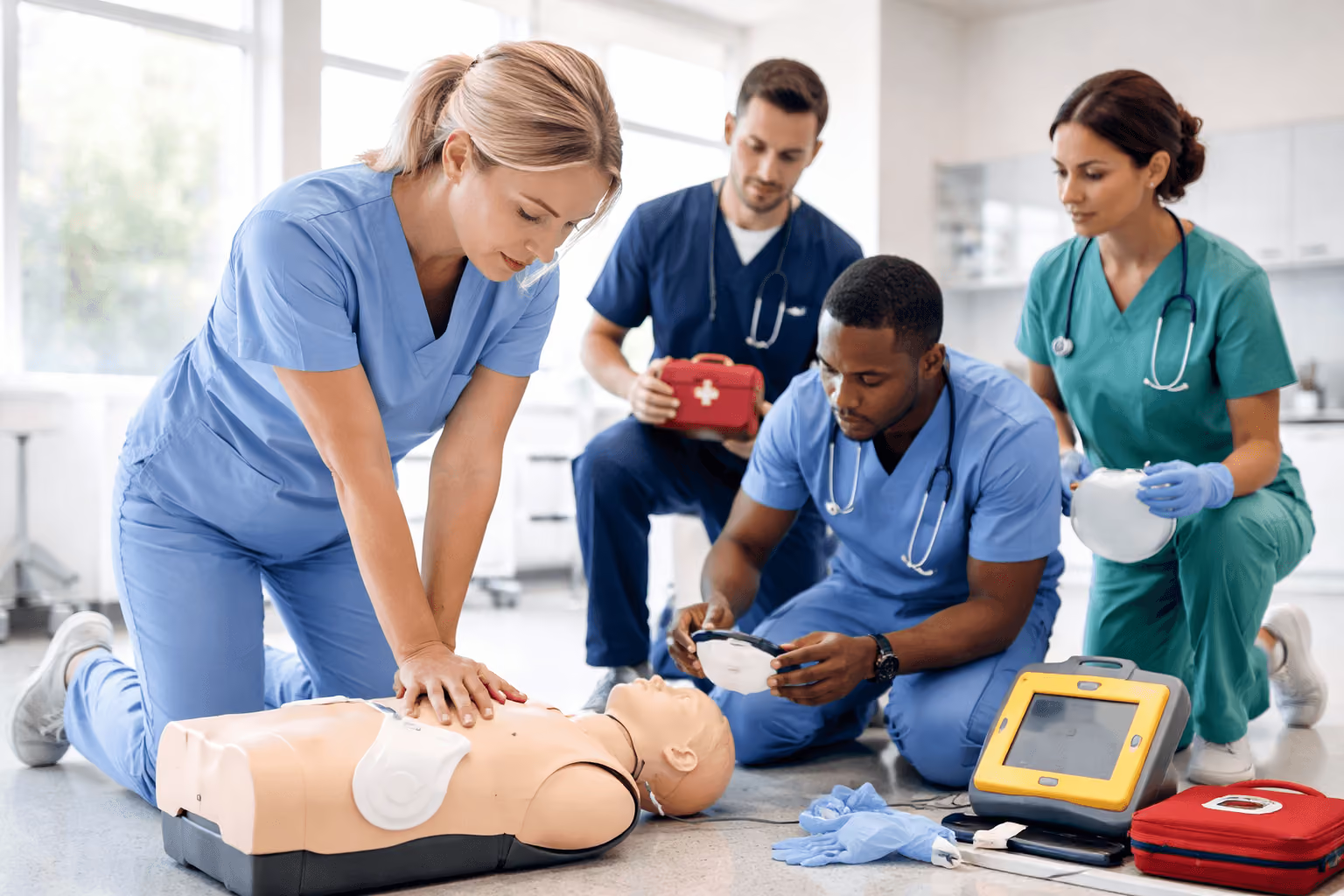
High-quality CPR is about more than knowing the steps. It involves proper compression depth and rate, good teamwork, quick recognition of emergency signs, and timely use of an AED when appropriate. In a hospital setting, those details matter because they help create a more effective response before advanced care takes over.
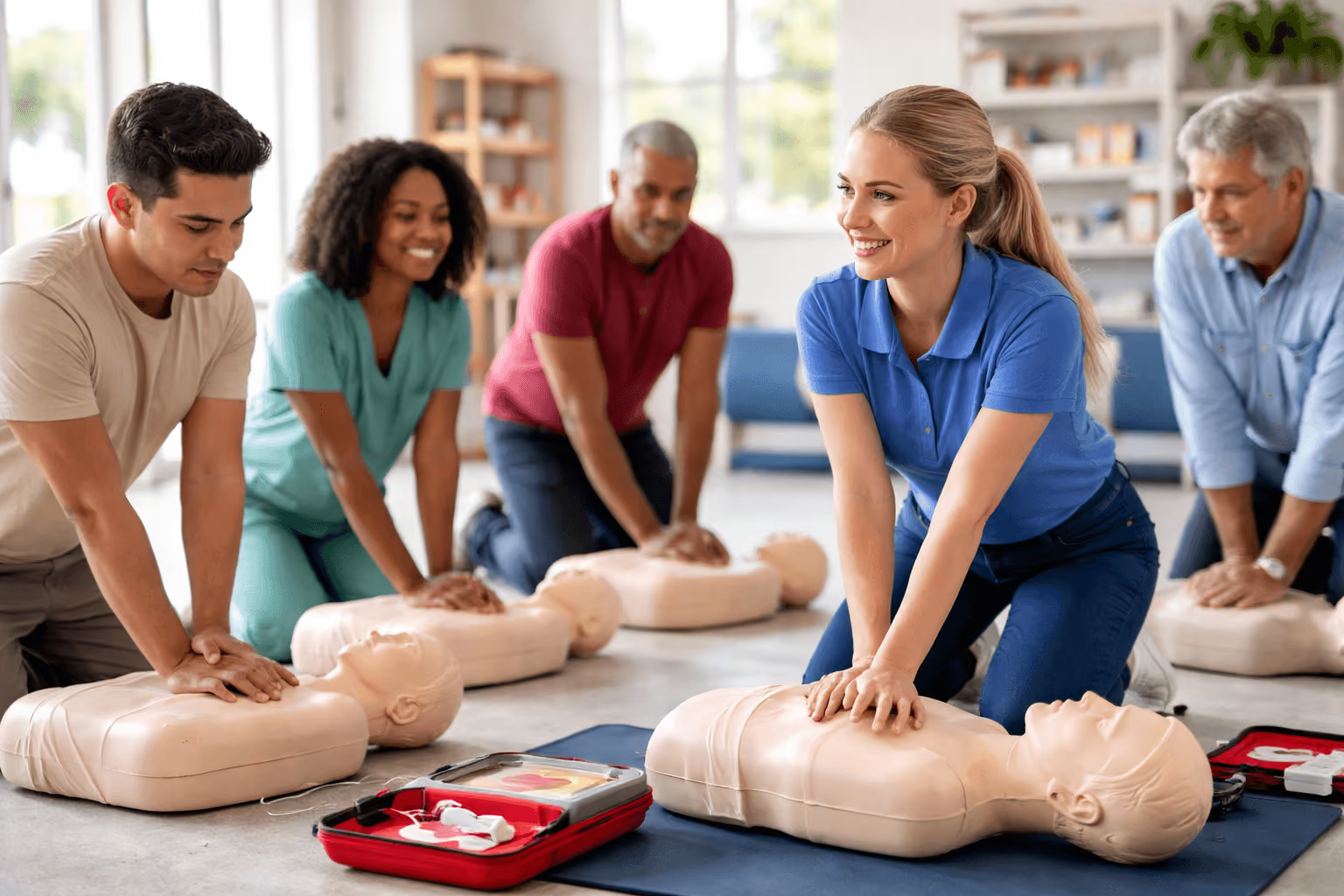
The RQI model used by Midland Memorial combines online learning with hands-on skill checks and feedback stations. That format can make it easier for healthcare workers to stay current without spending as much time away from patients. It also reflects a practical lesson for the wider community: repeated practice builds confidence. Whether someone works in a hospital, clinic, school, or office, CPR and first aid knowledge can make a real difference before emergency responders arrive.
Who Benefits From CPR and AED Readiness
This news is especially relevant for nurses, physicians, respiratory therapists, paramedics, medical assistants, and other clinical staff who may need to respond quickly during a code event. It also matters to employers, teachers, coaches, childcare workers, and community members who want to be better prepared for emergencies outside the hospital.
Cardiac arrest can happen suddenly and without much warning. That is why CPR training, AED familiarity, and basic first aid awareness are important across many settings. In a community like Midland, where healthcare access and emergency coordination are important to daily life, being ready to respond can help support stronger outcomes.
What This Means for CPR Certification and Skills Maintenance
For anyone seeking CPR certification in Midland, the key takeaway is that training should not end after a single class. Skills improve when people practice them regularly and receive useful feedback. That includes healthcare professionals who need BLS or ACLS refreshers, but it also applies to community members learning basic emergency response.
Modern CPR education increasingly emphasizes short, focused practice sessions that help learners retain what they know. This approach can be especially valuable for chest compression quality, bag-mask ventilation technique, and rapid response under pressure. It also reinforces the importance of recognizing an emergency, activating help quickly, and using an AED when one is available.
For residents and professionals looking for CPR training in Midland, CPR Certification Labs offers local training designed to support real-world readiness. Courses are built for healthcare professionals and others who need clear, practical instruction in CPR, AED use, and first aid fundamentals.
Nearby Local Context for Midland Learners
Midland Memorial Hospital’s training update also fits the city’s broader healthcare landscape. Local professionals often move between hospital care, outpatient services, and community response settings, so having consistent CPR and emergency response skills is important. For learners in the area, convenient access to training in Midland can make it easier to stay current and confident.
Our Midland - Odessa office at 4214 Andrews Highway, Suite 202 is available to support local learners who want dependable instruction and a straightforward path to training. If you are looking for CPR training in Midland, you can learn more at our Midland - Odessa office page.
Why Local CPR Training Still Matters
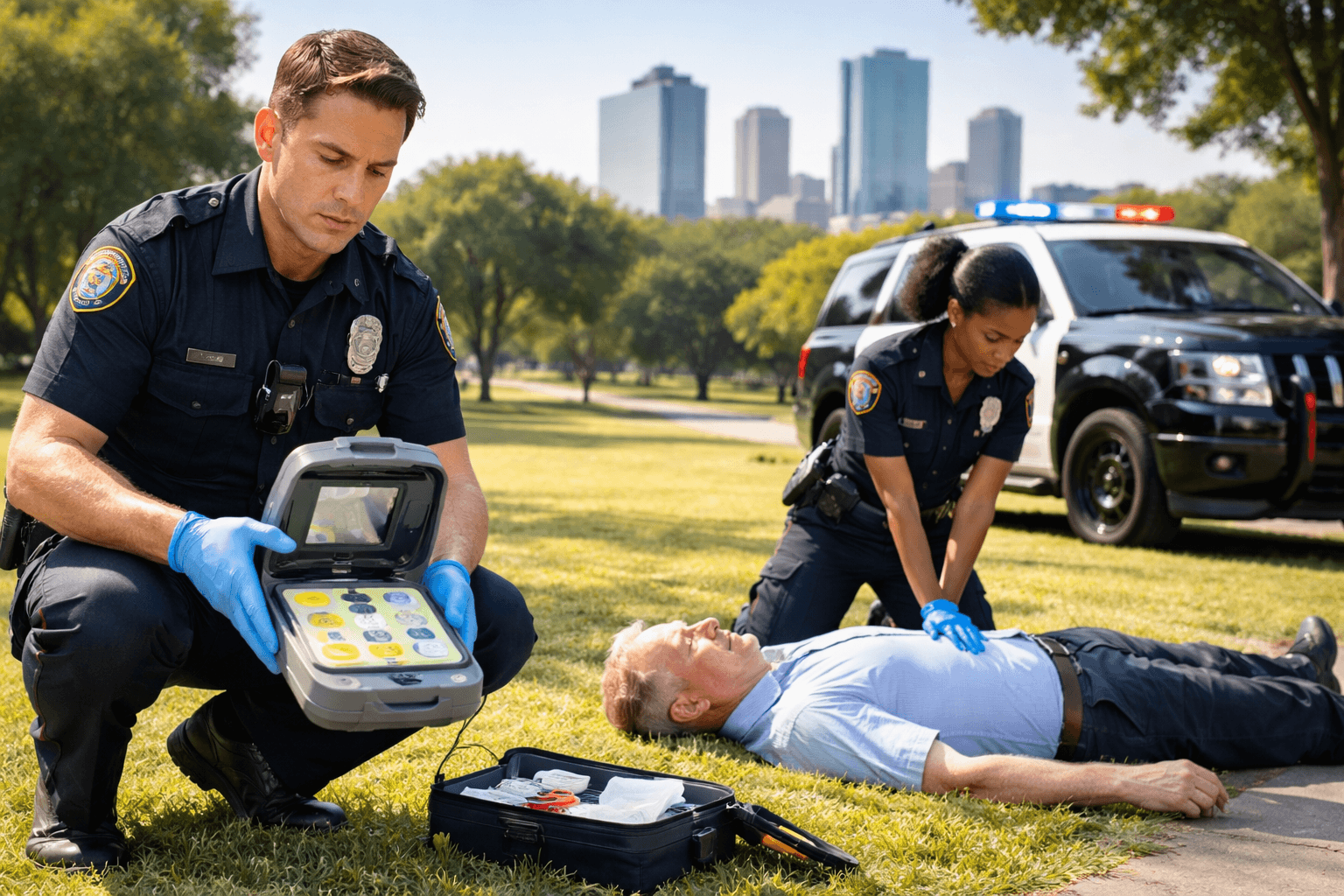
Hospital systems can improve readiness through technology, simulation, and frequent practice, but the same principle applies in the community. CPR is most effective when people know what to do and act quickly. That means recognizing cardiac arrest, starting compressions, calling for help, and using an AED as soon as possible if one is present.
Whether the setting is a hospital floor, a clinic, a workplace, or a community center, emergency response depends on preparation. Midland’s focus on skill maintenance is a useful reminder that CPR education is not static. It works best when learners keep returning to the basics and building competence over time.
Get Started With CPR Training in Midland
If you are ready to strengthen your CPR, AED, or first aid skills, CPR Certification Labs can help you find local training that fits your needs. Healthcare professionals and community learners alike can benefit from clear instruction, hands-on practice, and a better understanding of emergency response in real situations.
For local training options, visit our Midland - Odessa office page and take the next step toward staying prepared.