CPR training in Dayton and Heart Month awareness
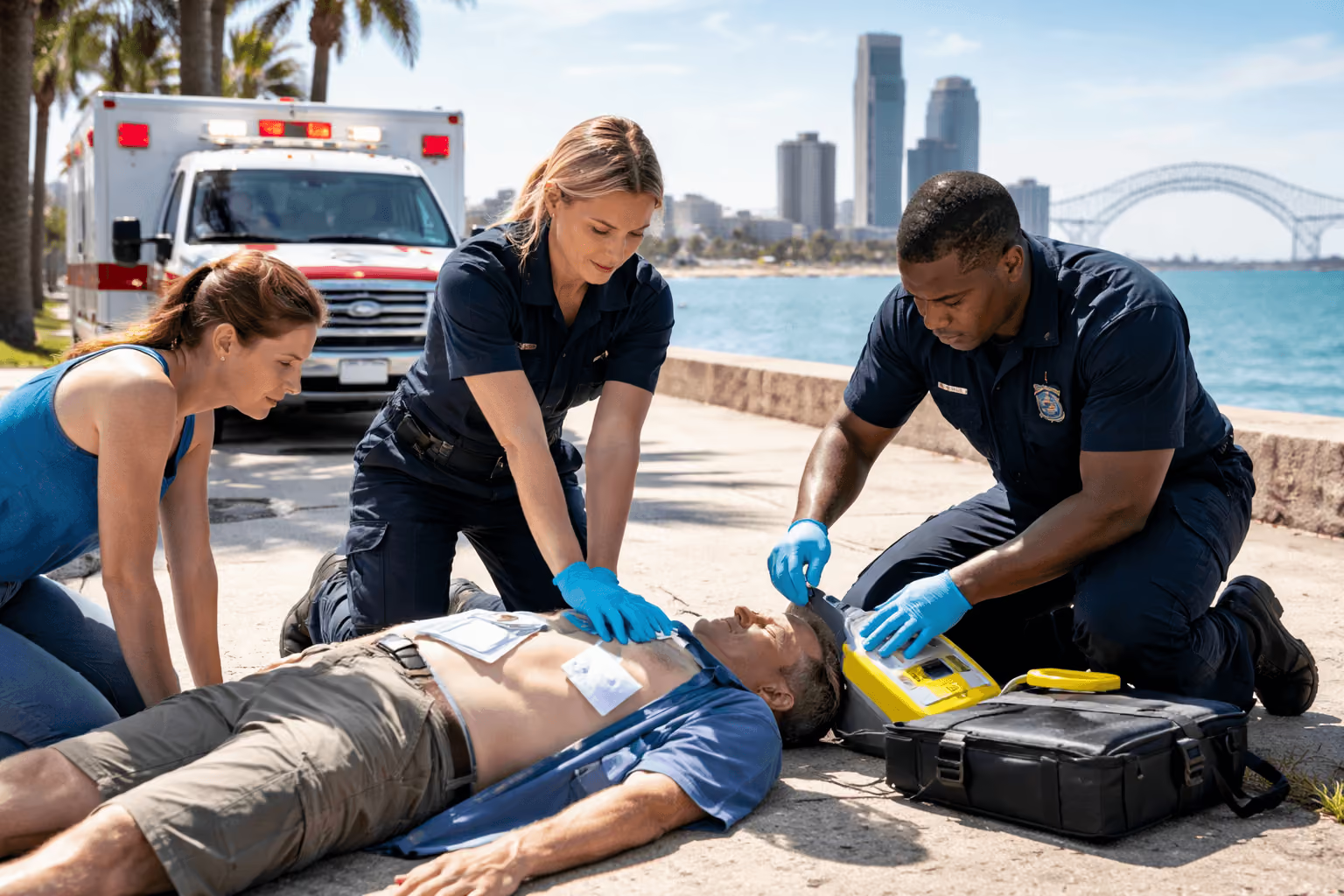
Heart Month often puts a spotlight on prevention, early recognition, and emergency response, and CPR training in Dayton is part of that conversation. A recent local CPR demonstration showed how quickly a person can go from feeling fine to needing immediate help, which is why practical CPR, AED, and first aid training matters for both healthcare workers and the public.
For Dayton-area families and professionals, the message is straightforward: knowing what to do before help arrives can make a real difference. Heart awareness is not only about long-term wellness; it is also about being ready for sudden cardiac arrest and other urgent events.
Why a local demonstration matters
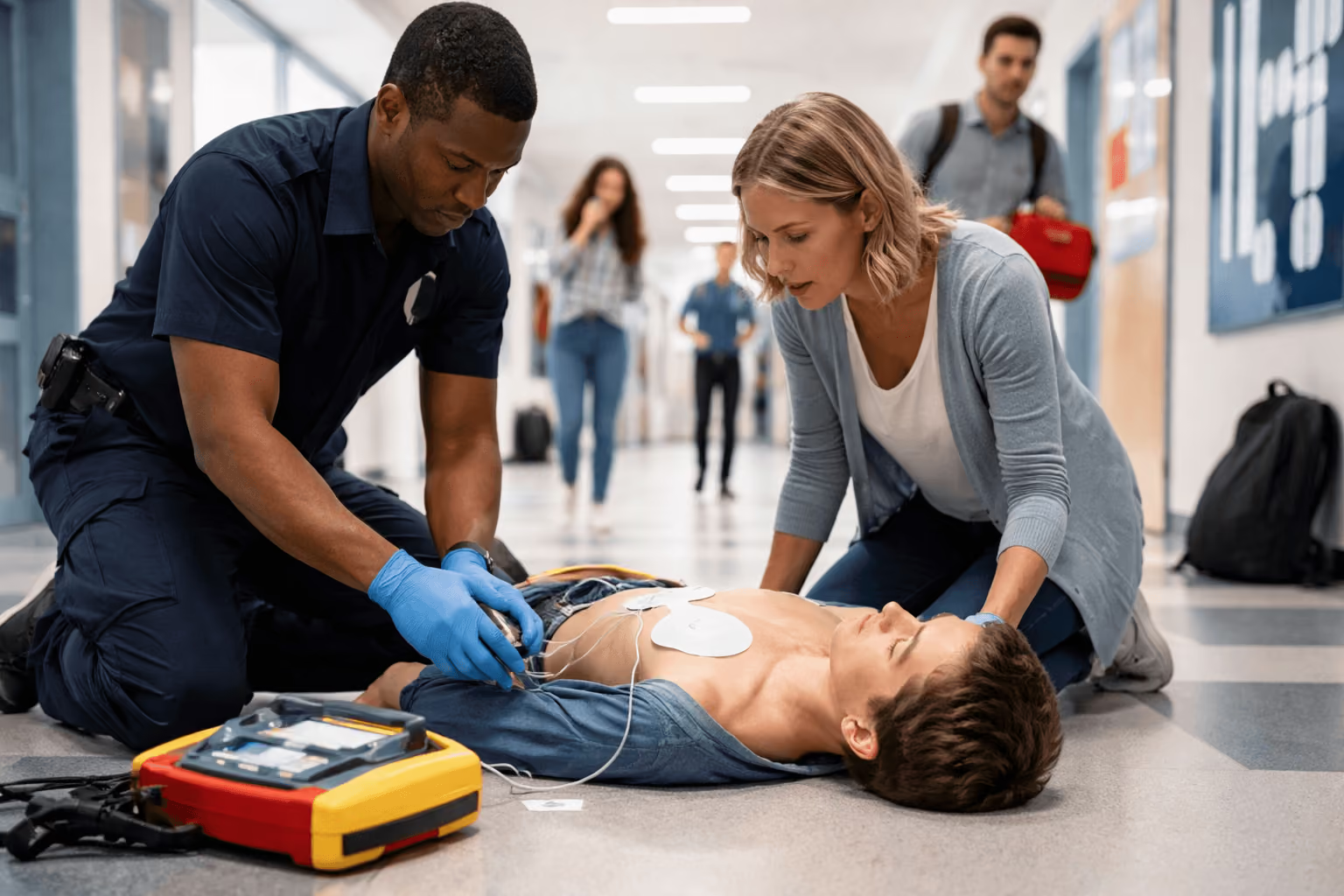
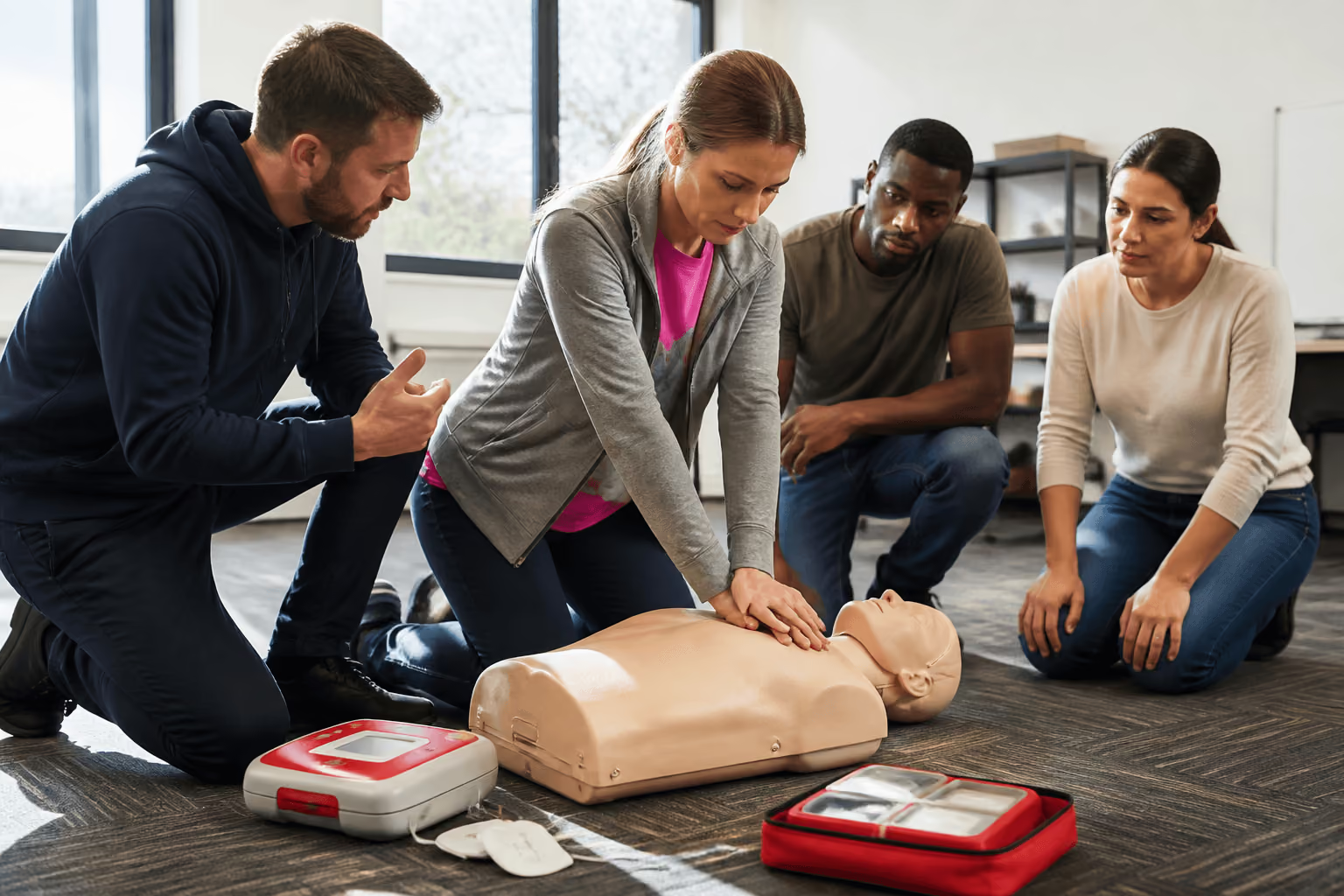
Community demonstrations are valuable because they turn awareness into action. Seeing chest compressions, AED use, and simple emergency steps in real time helps people understand that CPR is a skill anyone can learn and use. In a city like Dayton, where coworkers, neighbors, students, and patients interact every day, that kind of readiness is important.
Heart Month is a good time to remind the community that cardiac emergencies can happen at home, at work, in a clinic, or in public spaces. Clear emergency response habits can help people act faster and with more confidence when every second counts.
What CPR, AED, and first aid training covers
CPR courses focus on recognizing an emergency, calling for help, and giving chest compressions until emergency responders arrive. Many classes also include AED awareness, which teaches learners how to use an automated external defibrillator in a public or workplace setting. First aid training adds another layer of readiness by covering common injuries and urgent situations that may happen before advanced care is available.
These skills are especially useful because emergencies do not always happen in a hospital. A trained bystander may be the first person available to step in, guide others, and begin care while waiting for EMS.
Who should consider CPR training in Dayton
This training is helpful for nurses, medical assistants, dental teams, teachers, coaches, childcare providers, office staff, and anyone who wants to be prepared. It is also a smart choice for parents, caregivers, and community members who want confidence in a crisis.
Healthcare professionals often need regular renewal, but CPR knowledge is useful beyond the clinical setting. A parent at a sporting event, a teacher in a classroom, or a receptionist in a busy office may all be the first to respond.
Benefits of choosing CPR Certification Labs
CPR Certification Labs offers training that is designed to be clear, practical, and easy to apply on the job or at home. Classes are built for busy schedules and for learners who want direct instruction without unnecessary complexity. The goal is to make emergency response skills easier to understand and easier to remember.
For people in and around Dayton, choosing a trusted training provider can help simplify the process of getting started or renewing certification. Learners can also find location details and class access information through the San Antonio Medical Center office page.
Local relevance and nearby points of reference
Dayton residents know that preparedness matters in everyday places, from workplaces and schools to recreation centers and community gatherings. Whether someone is near downtown Dayton, in a neighborhood clinic, or traveling through a busy commercial area, CPR and AED readiness can support a safer environment.
Heart Month is a useful reminder that emergency response is a community skill, not just a workplace requirement. The more people who learn the basics, the stronger the local safety net becomes.
This article is for general educational purposes only and is not a substitute for professional medical advice, diagnosis, treatment, or certified CPR training. In an emergency, call 911 immediately.
When to call 911
If a person is unresponsive, not breathing normally, or shows signs of a serious collapse, call 911 right away and begin CPR if you are trained to do so. If an AED is available, use it as soon as possible and follow the prompts. Fast action, clear communication, and early activation of EMS are key parts of emergency response.
Heart Month awareness works best when it leads to preparation. Taking a class now can help Dayton residents feel more ready if a cardiac emergency happens later.
FAQ
What is the main purpose of CPR training in Dayton?
It helps people learn how to respond to cardiac emergencies with CPR, AED use, and basic first aid while waiting for emergency responders.
Is CPR training useful outside healthcare settings?
Yes. Teachers, coaches, parents, office teams, and community members can all benefit from knowing how to respond in an emergency.
Does CPR training replace calling 911?
No. CPR supports emergency response, but you should call 911 immediately whenever someone may be experiencing a life-threatening event.