AED response in Fort Worth: why quick action matters
AED response in Fort Worth is not just a policy topic for schools and sports programs. It is a real-world skill that can make a critical difference when someone suddenly collapses and may need CPR, an AED, and fast emergency response. A recent junior high football emergency in North Texas is a strong reminder that preparation on the sideline can save time when every second counts.
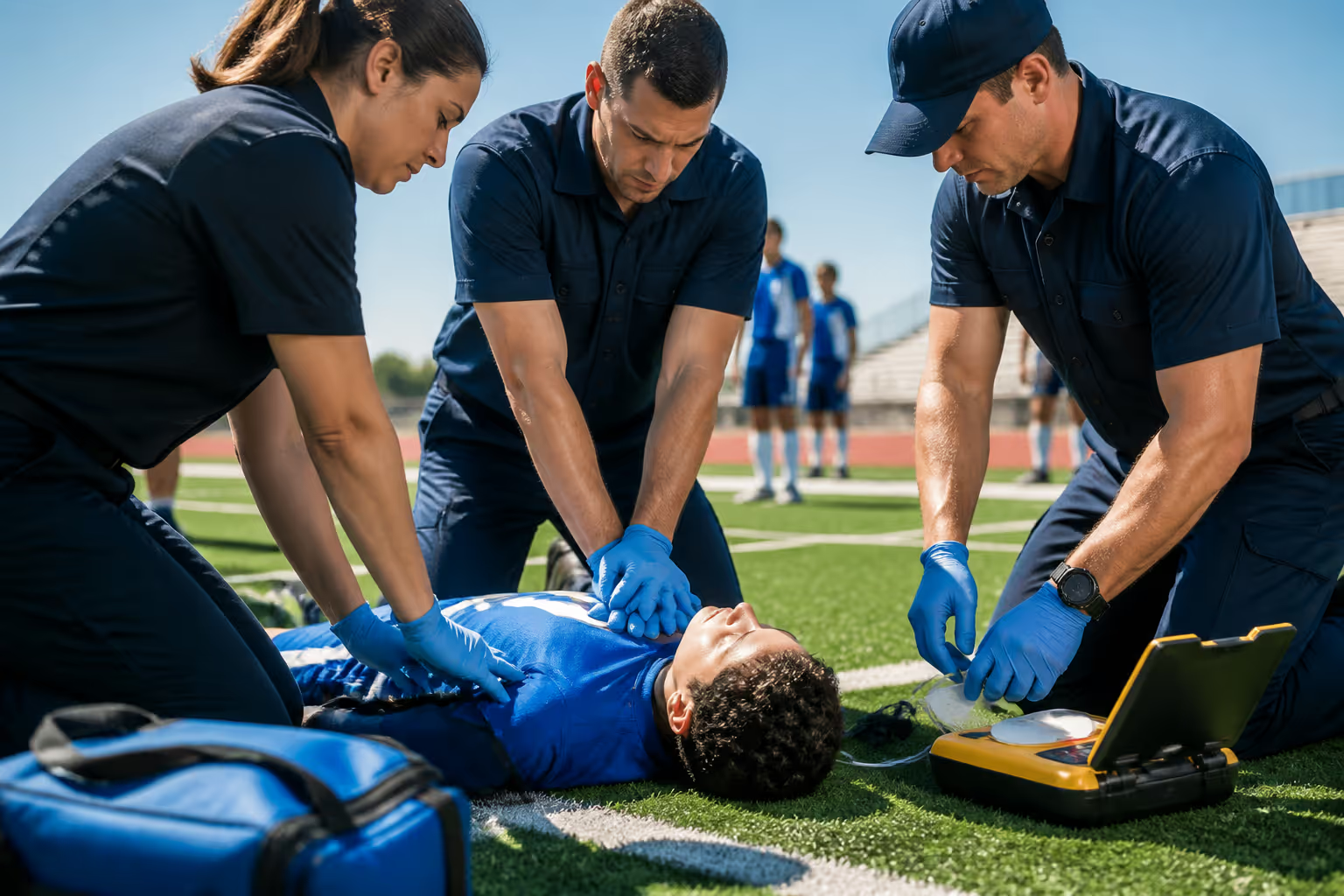
During a game in the Euless area, a seventh-grade player collapsed as he was leaving the field. Athletic trainers and coaches responded right away, used an AED, and continued chest compressions until EMS arrived. The student was later reported to be awake, talking, and stable while undergoing further evaluation.
What this North Texas sideline response shows
This incident did not turn out that way by chance. It happened because people nearby recognized an emergency, acted quickly, and followed a plan. That matters in any setting where athletes, students, visitors, or staff may be at risk for a sudden cardiac event.
In school sports, the response sequence often includes recognizing collapse, getting help, starting CPR, retrieving the AED, and keeping the person under close watch until professional responders take over. The goal is simple: keep blood moving and deliver a shock if the AED tells the rescuer to do so.
For families and school communities across the Dallas-Fort Worth area, this is a practical lesson in emergency readiness. Whether it happens in a gym, on a practice field, at a church, or in a workplace, cardiac arrest can strike without much warning.
Why AEDs and CPR training belong in every emergency plan
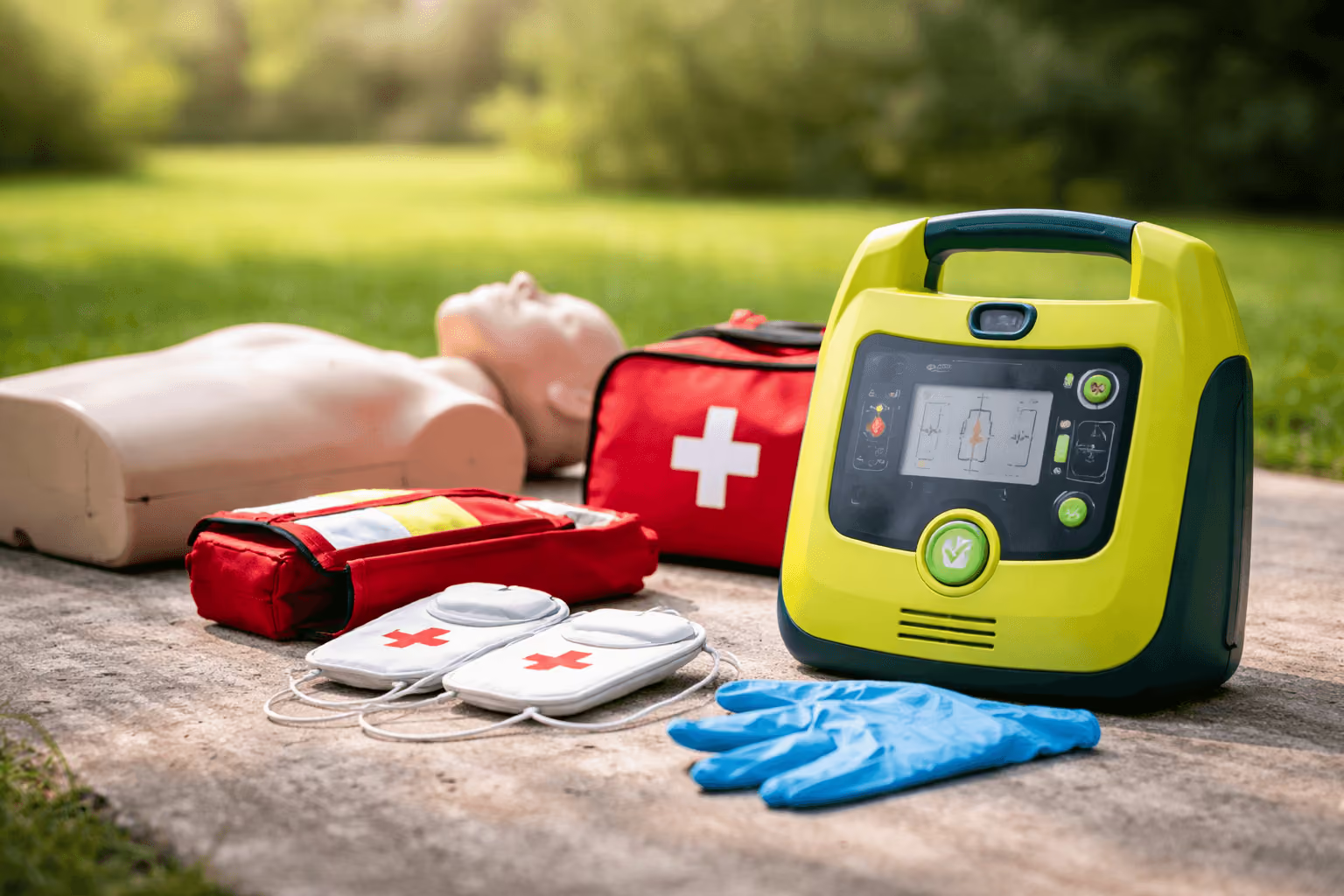
An AED, or automated external defibrillator, is designed to analyze the heart rhythm and guide the rescuer through the next steps. It is built for use by trained professionals and lay rescuers alike, and it is most effective when someone nearby is confident enough to use it right away.
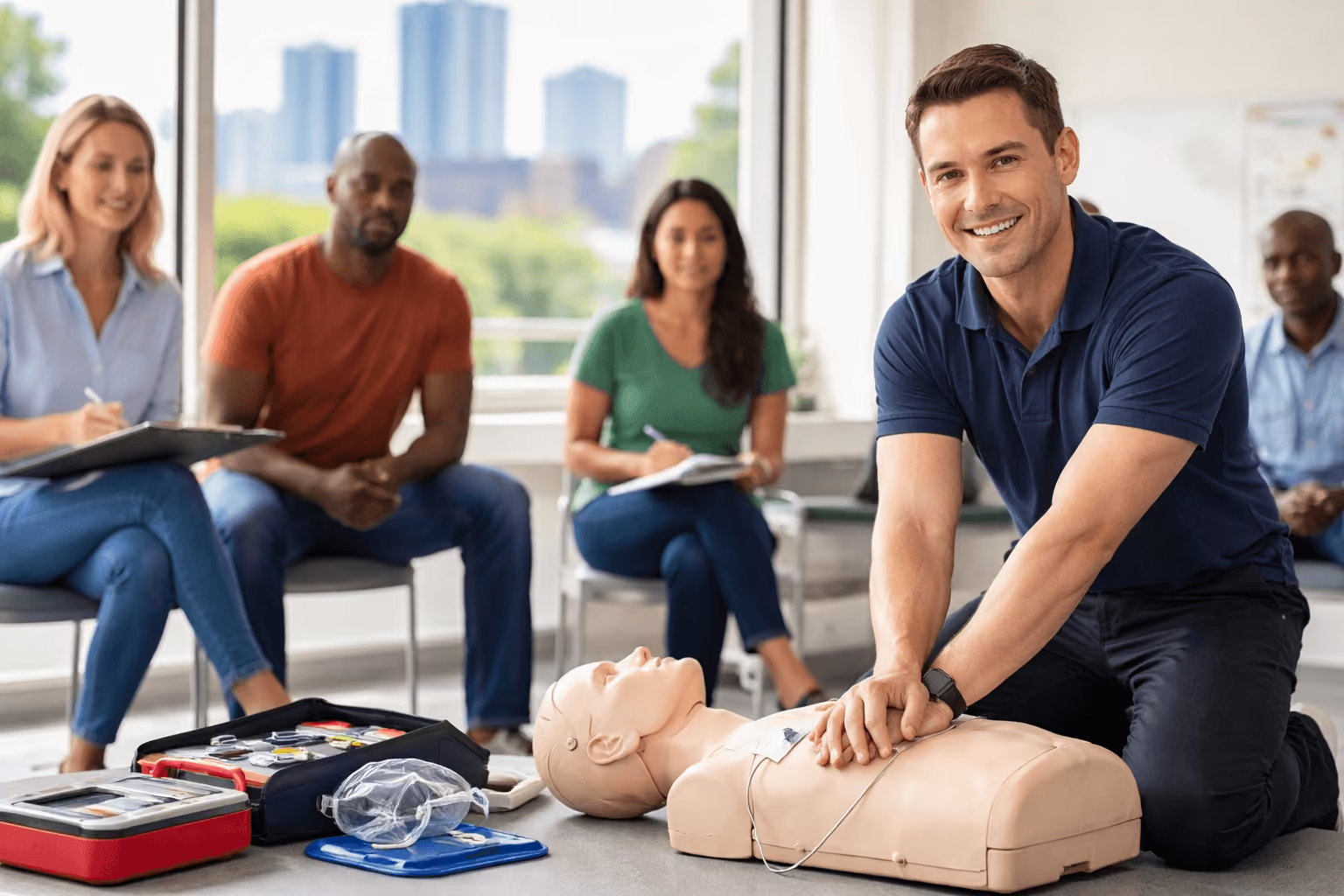
CPR training helps responders maintain circulation until the AED is available or EMS arrives. In a cardiac emergency, the combination of CPR and an AED can be especially important because it supports the person while the heart is being assessed and treated.
School districts, athletic departments, and community organizations should think about more than equipment alone. Clear roles, practice drills, device access, and communication are all part of emergency response. The Texas law requiring cardiac emergency response plans for schools reflects that broader approach to readiness.
Who should pay attention to this story
This news matters to coaches, athletic trainers, teachers, school administrators, parents, and students. It also matters to anyone responsible for public spaces where large groups gather. If you work in healthcare, education, fitness, security, or youth sports, having CPR and AED training can help you respond more confidently during a crisis.
It is also relevant for families who want to understand what safety measures are in place before a season starts. Asking whether an AED is nearby, who is trained to use it, and how emergency response is organized is a reasonable part of planning.
Benefits of choosing CPR Certification Labs
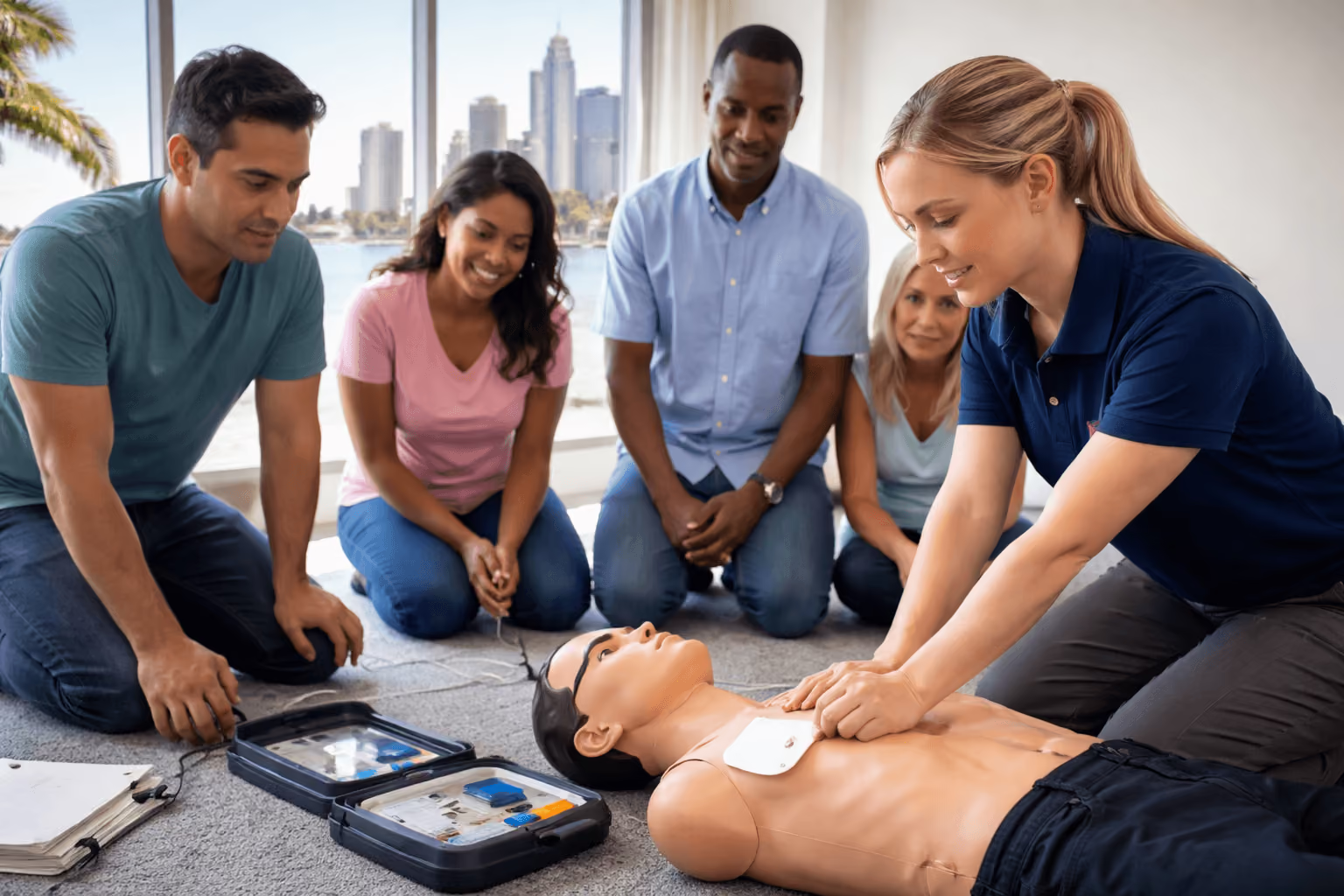
CPR Certification Labs helps people build practical skills for real emergencies. Our classes are designed for healthcare professionals and other learners who want straightforward training in CPR, AED use, and first aid concepts. The focus is on usable knowledge, clear instruction, and confidence under pressure.
For readers in the southwest Dallas area, our Dallas - Oak Cliff office provides a convenient local option for CPR, BLS, ACLS, and related emergency response training. We serve people who need training that fits busy schedules while still covering the essentials in a professional setting.
We also understand that local access matters. When training is easy to reach, more teams, staff members, and community volunteers can prepare before an emergency happens. That can be important for schools near Trinity High School, families in Euless, and organizations across the greater Fort Worth area.
Nearby facilities and local relevance
The football emergency took place on a Trinity High School field during a junior high matchup in the Hurst-Euless-Bedford area. That local setting reinforces a broader point for North Texas: school athletic venues need reliable emergency response procedures, clear access to equipment, and people trained to use them without delay.
For Dallas-area residents, this story is a reminder to check the readiness of nearby facilities where children and teens participate in sports. A school gym, practice field, recreation center, or community complex should be prepared for first aid issues and sudden cardiac events alike.
What to do in a sudden collapse
- Get help immediately and assess the scene.
- Call 911 as soon as possible if a person is unresponsive or not breathing normally.
- Start CPR if you are trained and it is safe to do so.
- Send someone to get the AED right away.
- Follow the AED prompts and continue care until EMS arrives.
This article is for general educational purposes only and is not a substitute for professional medical advice, diagnosis, treatment, or certified CPR training. In an emergency, call 911 immediately.
News like this shows why emergency response planning should be taken seriously in Fort Worth-area schools and athletic programs. The right training, equipment, and teamwork can help responders act quickly when a student athlete needs immediate help.
Learn more about CPR, AED, and first aid training
If you want practical training that supports better emergency response at work, school, or in the community, CPR Certification Labs can help. Learning CPR and AED skills before an emergency happens is one of the most useful steps a team can take.
For local scheduling and office information, contact our Dallas - Oak Cliff location and ask about available class options for CPR, BLS, ACLS, AED use, and first aid fundamentals.
About our Dallas - Oak Cliff office
- Address: 5787 S Hampton Rd, Suite 430
- Phone: (972) 362-5542
- Email: dallas@cprcertificationlabs.com
- Hours:
7am - 8pm / 7 Days a Week!