Offer ends October 18.
This is some text inside of a div block.
Restart a Heart BLS Sale
RESTART99
Copy code

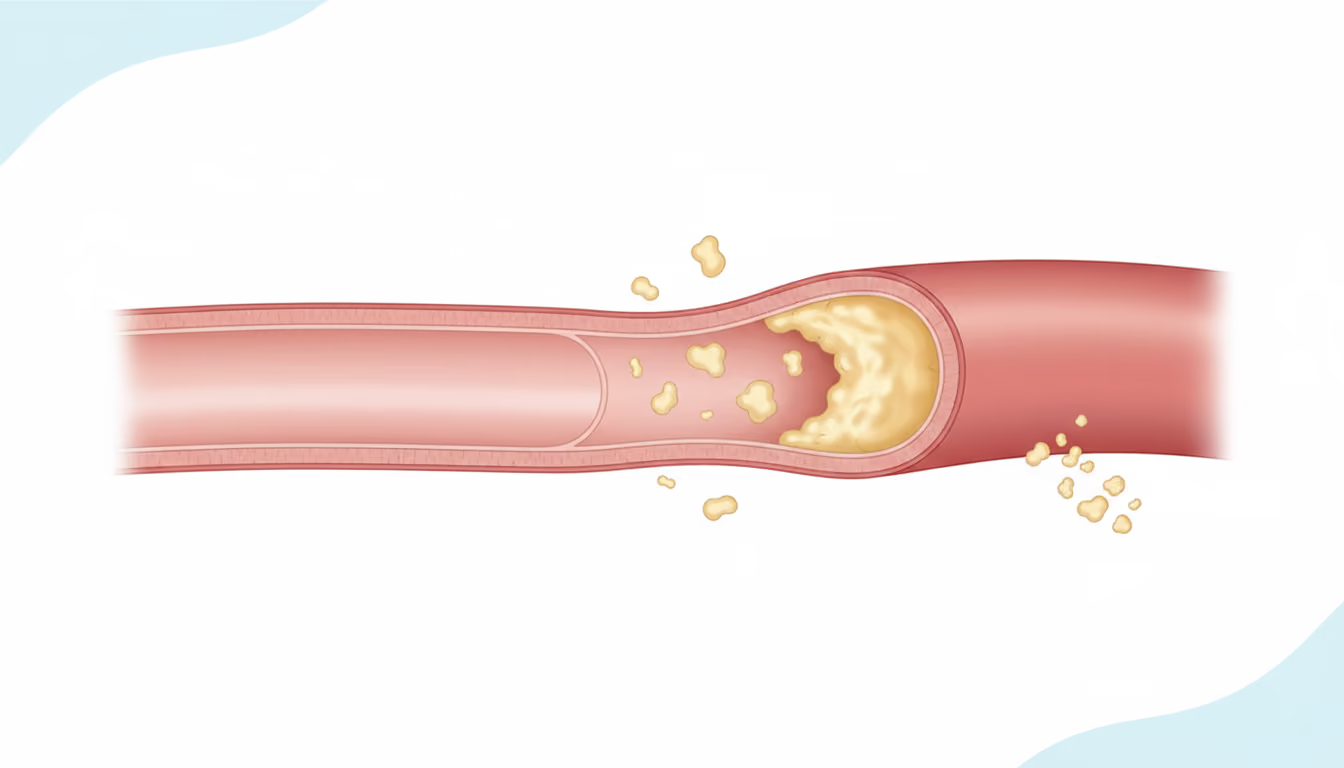
Cholesterol is the most prevalent type of fat in the body and is often linked to a higher risk of heart and blood vessel diseases. Yet, it plays a crucial role in the production of bile acids, steroid hormones (such as estradiol, estrone, and estriol), androgens (like androsterone), mineralocorticoid hormones (including aldosterone and corticosterone), and glucocorticoid hormones (such as cortisol). Cholesterol is essential for maintaining the normal permeability and function of cell membranes. Consuming a diet rich in saturated fats can elevate blood cholesterol levels, while a diet high in unsaturated fats can help reduce them. Although some cholesterol comes from dietary sources, the majority is synthesized by the liver and other tissues. Managing high cholesterol levels involves not just dietary changes but also weight loss, regular physical activity, and medication.
Our technology delivers immediate, actionable feedback that refines your skills in real time.
Understand how to safely and effectively operate an Automated External Defibrillator (AED) for adults, children, and infants.
Learn how to perform the Heimlich maneuver and clear airway obstructions caused by choking in both adults and infants.
Gain experience working as part of a team when more than one rescuer is available during an emergency.
Receive your AHA CPR Certification E-Card on the same day you complete the class and pass the exam.

CPR Certification Labs provides professional CPR and emergency training courses based on recognized industry standards.