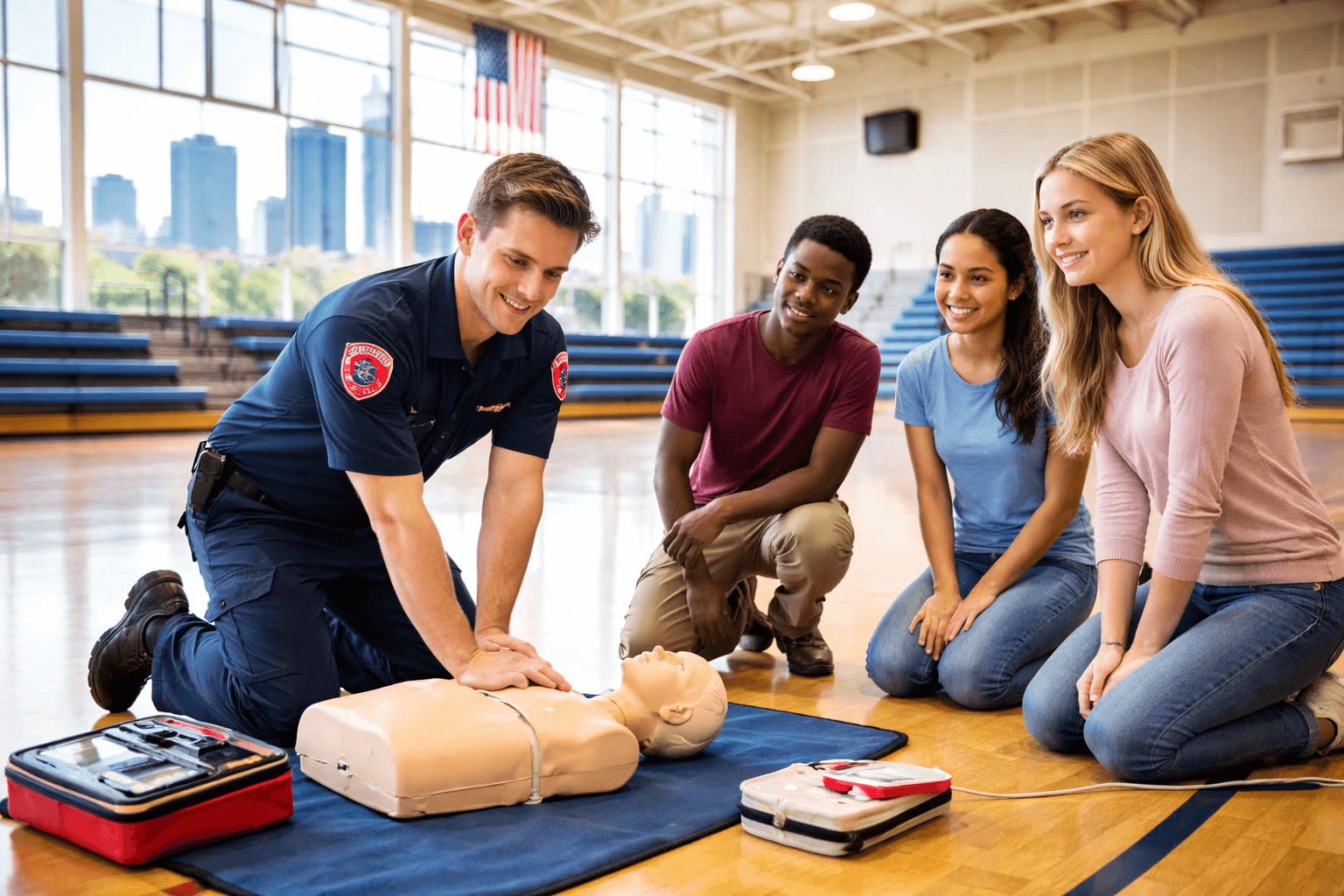
Offer ends October 18.
This is some text inside of a div block.
Restart a Heart BLS Sale
RESTART99
Copy code

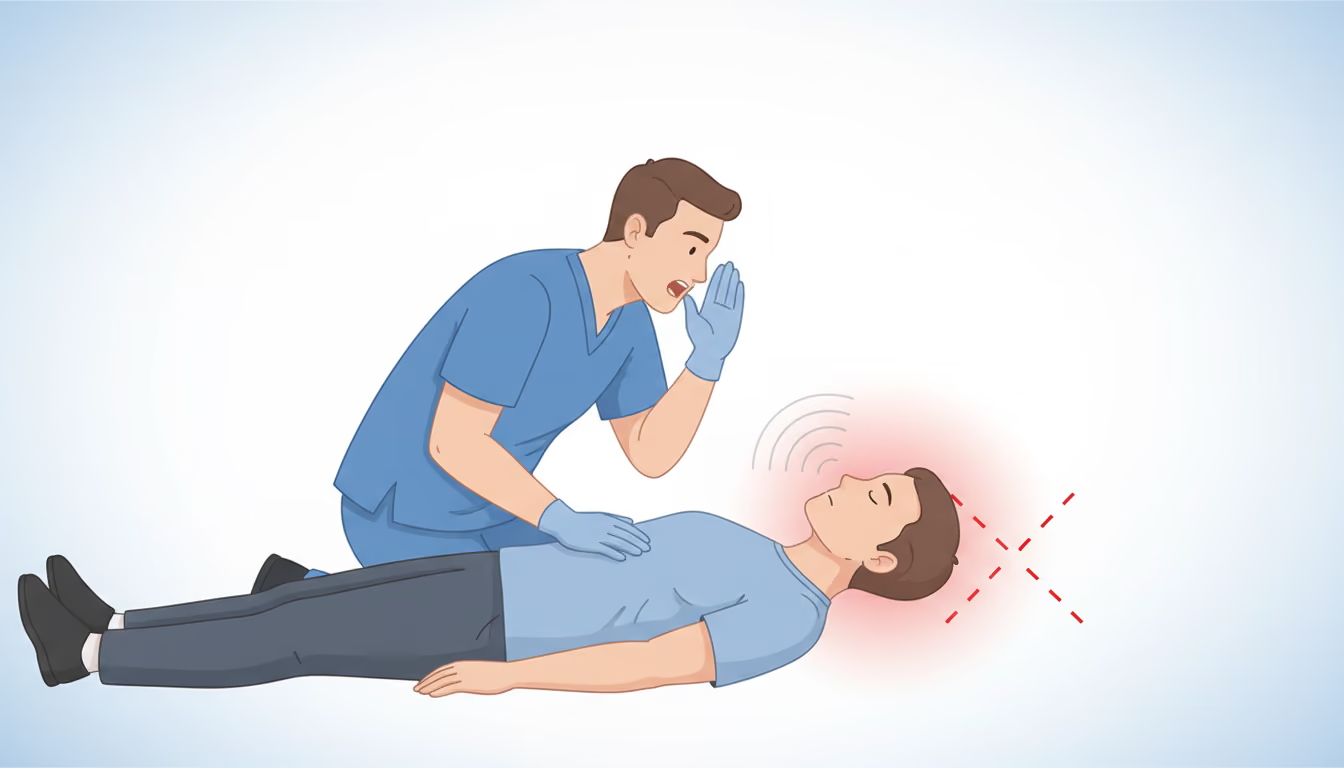
Urinary output is the volume of urine a patient produces over a given period, and it is an important indicator of kidney function and the adequacy of blood flow to the organs. Because the kidneys require steady perfusion to make urine, output reflects how well the circulatory system is delivering blood.
During and after resuscitation, monitoring urinary output helps clinicians judge whether circulation and blood pressure are sufficient. A falling output can be an early warning of inadequate perfusion, shock, or kidney injury, prompting adjustments to fluids and other treatments. It is one of several parameters tracked during critical and post-resuscitation care.
CPR Certification Labs provides hands-on, American Heart Association–aligned CPR, BLS, ACLS, and PALS certification training to help providers master these life-saving skills.
Our technology delivers immediate, actionable feedback that refines your skills in real time.
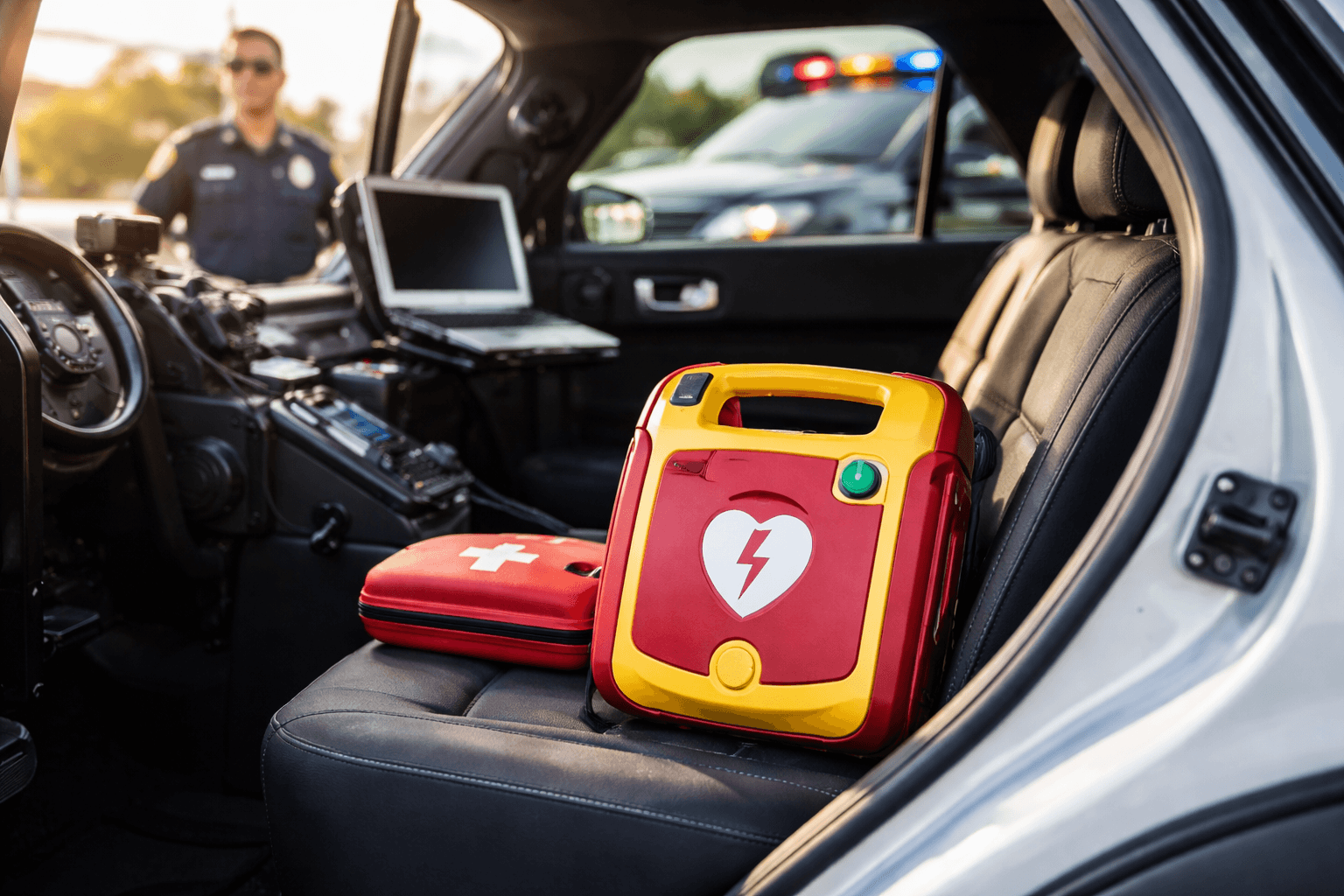
Understand how to safely and effectively operate an Automated External Defibrillator (AED) for adults, children, and infants.
Learn how to perform the Heimlich maneuver and clear airway obstructions caused by choking in both adults and infants.
Gain experience working as part of a team when more than one rescuer is available during an emergency.
Receive your AHA CPR Certification E-Card on the same day you complete the class and pass the exam.

CPR Certification Labs provides professional CPR and emergency training courses based on recognized industry standards.