Offer ends October 18.
This is some text inside of a div block.
Restart a Heart BLS Sale
RESTART99
Copy code


Category five hurricanes are characterized by winds exceeding 155 mph (135 knots or 249 km/h). They typically cause storm surges over 18 feet above normal levels, leading to the complete destruction of roofs on many homes and industrial buildings. Some smaller utility structures may be entirely destroyed, and all shrubs, trees, and signs are usually blown down. Mobile homes face total devastation, with severe damage to windows and doors. Rising waters can cut off low-lying escape routes 3 to 5 hours before the hurricane's eye makes landfall. Buildings located less than 15 feet above sea level and within 500 yards of the coast suffer major damage to their lower floors. Large-scale evacuations may be necessary for residential areas on low ground within 5 to 10 miles (8 to 16 km) of the coast.Hurricanes are measured on a scale from 1 to 5, which reflects their intensity. This scale helps predict potential property damage and coastal flooding when a hurricane strikes land. The primary criterion for this scale is wind speed, as storm surge levels vary significantly based on the slope of the continental shelf where the hurricane hits. For more information, refer to the Saffir-Simpson hurricane scale.
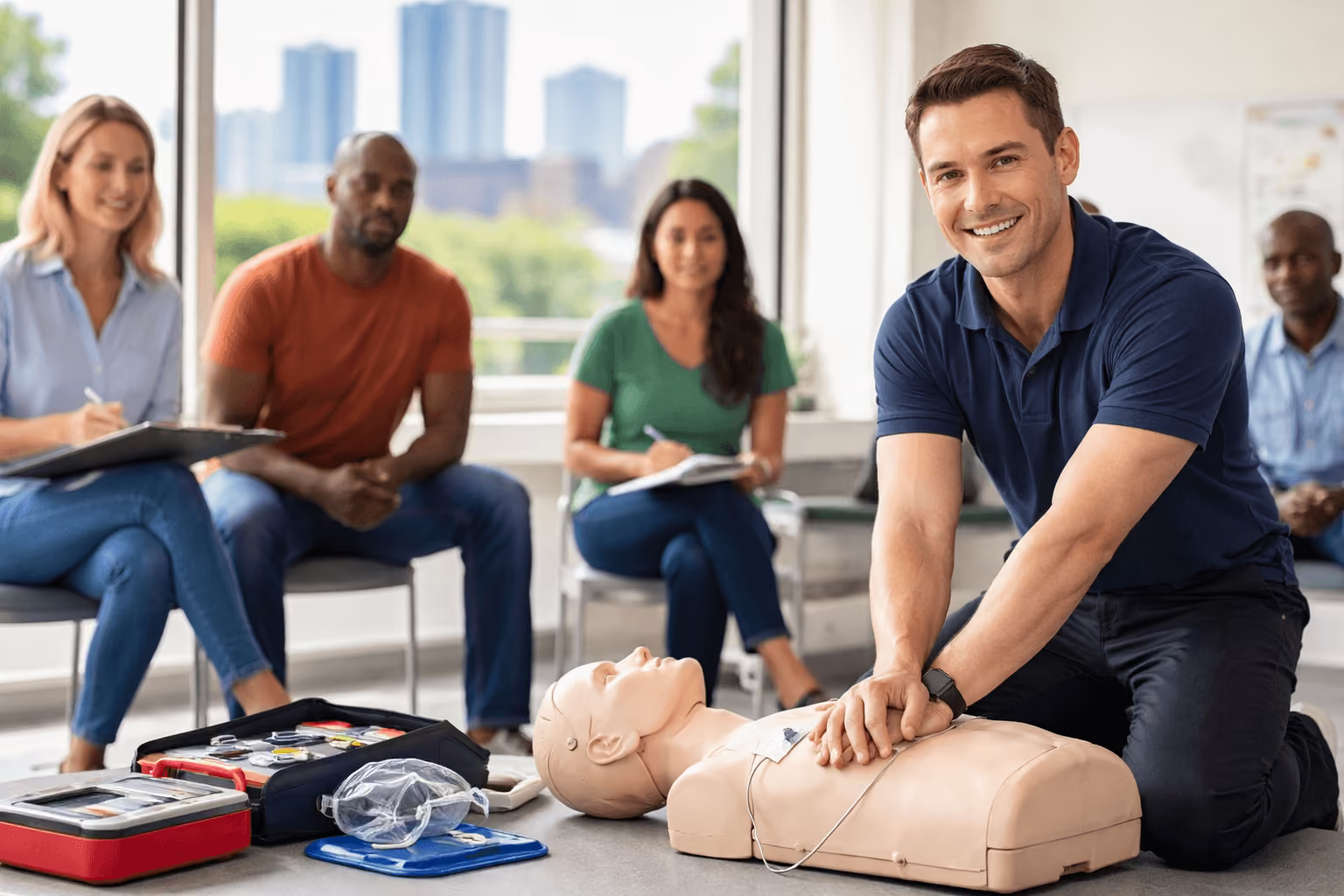
Our technology delivers immediate, actionable feedback that refines your skills in real time.
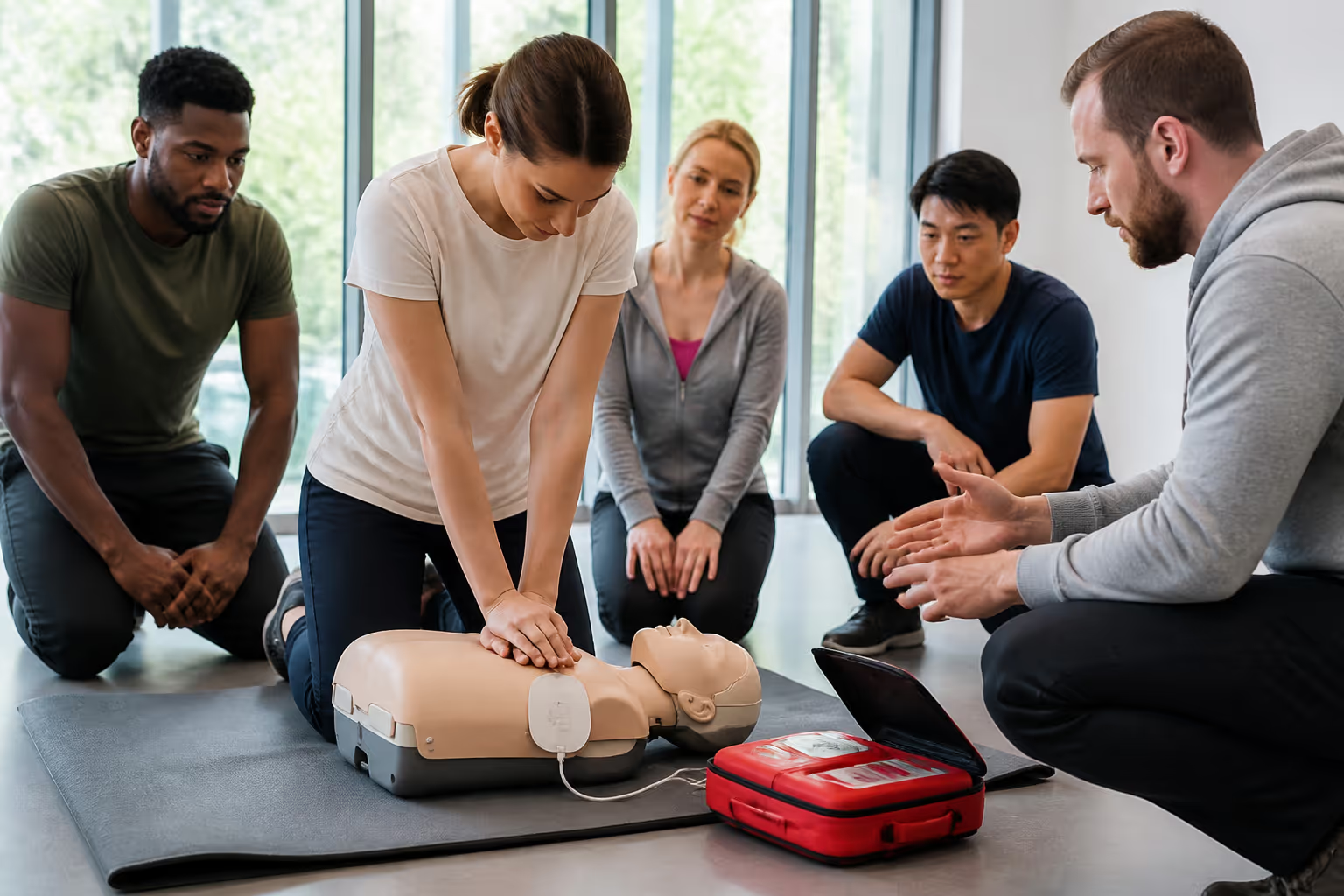
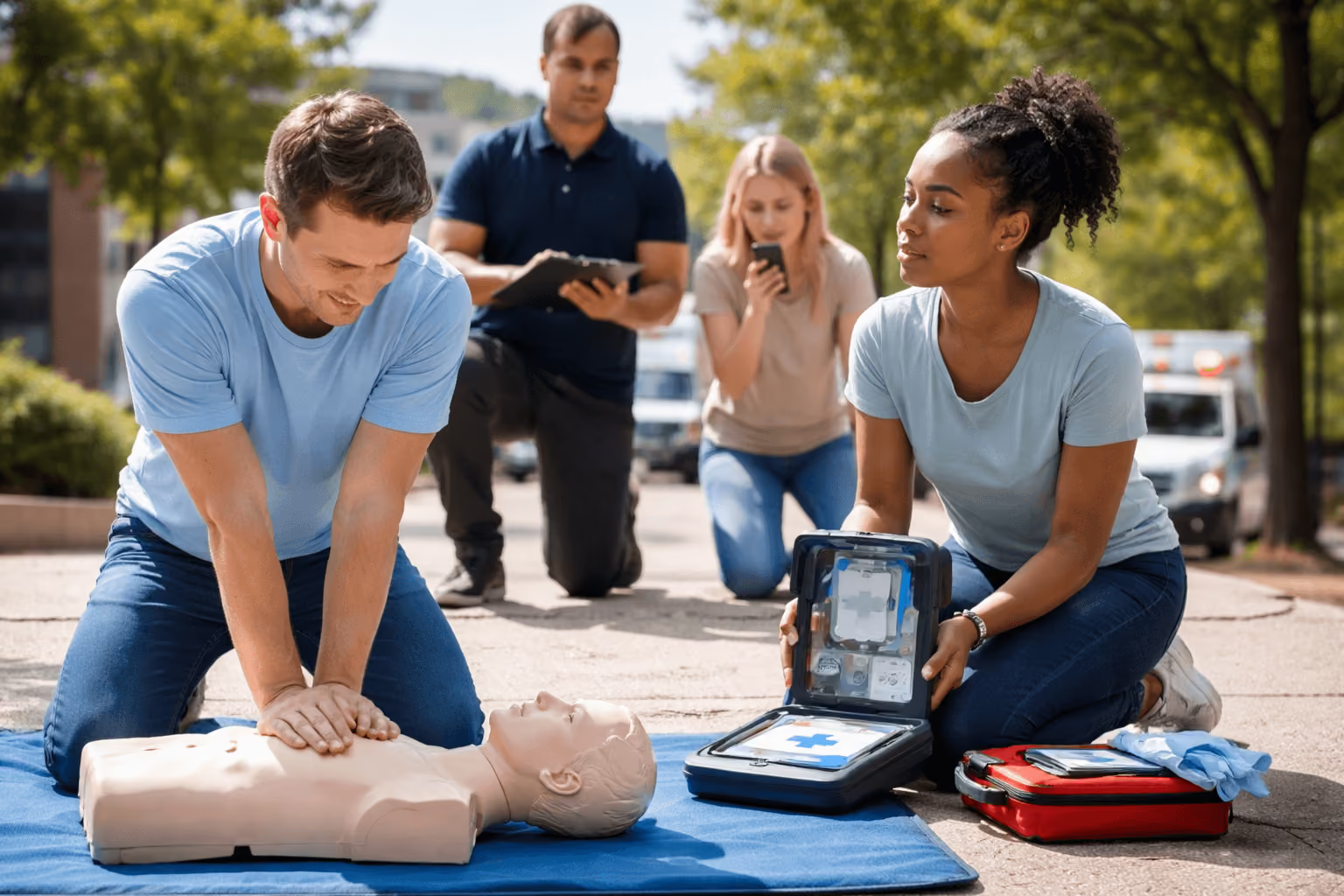
Understand how to safely and effectively operate an Automated External Defibrillator (AED) for adults, children, and infants.
Learn how to perform the Heimlich maneuver and clear airway obstructions caused by choking in both adults and infants.
Gain experience working as part of a team when more than one rescuer is available during an emergency.
Receive your AHA CPR Certification E-Card on the same day you complete the class and pass the exam.

CPR Certification Labs provides professional CPR and emergency training courses based on recognized industry standards.