AED access in McKinney is getting stronger through school and fire department teamwork
AED access in McKinney is an important part of emergency preparedness, and local leaders are showing how schools and first responders can work together to improve it. McKinney ISD and the McKinney Fire Department have joined forces on a practical project that helps make automated external defibrillators easier to place, store, and use when cardiac arrest happens.
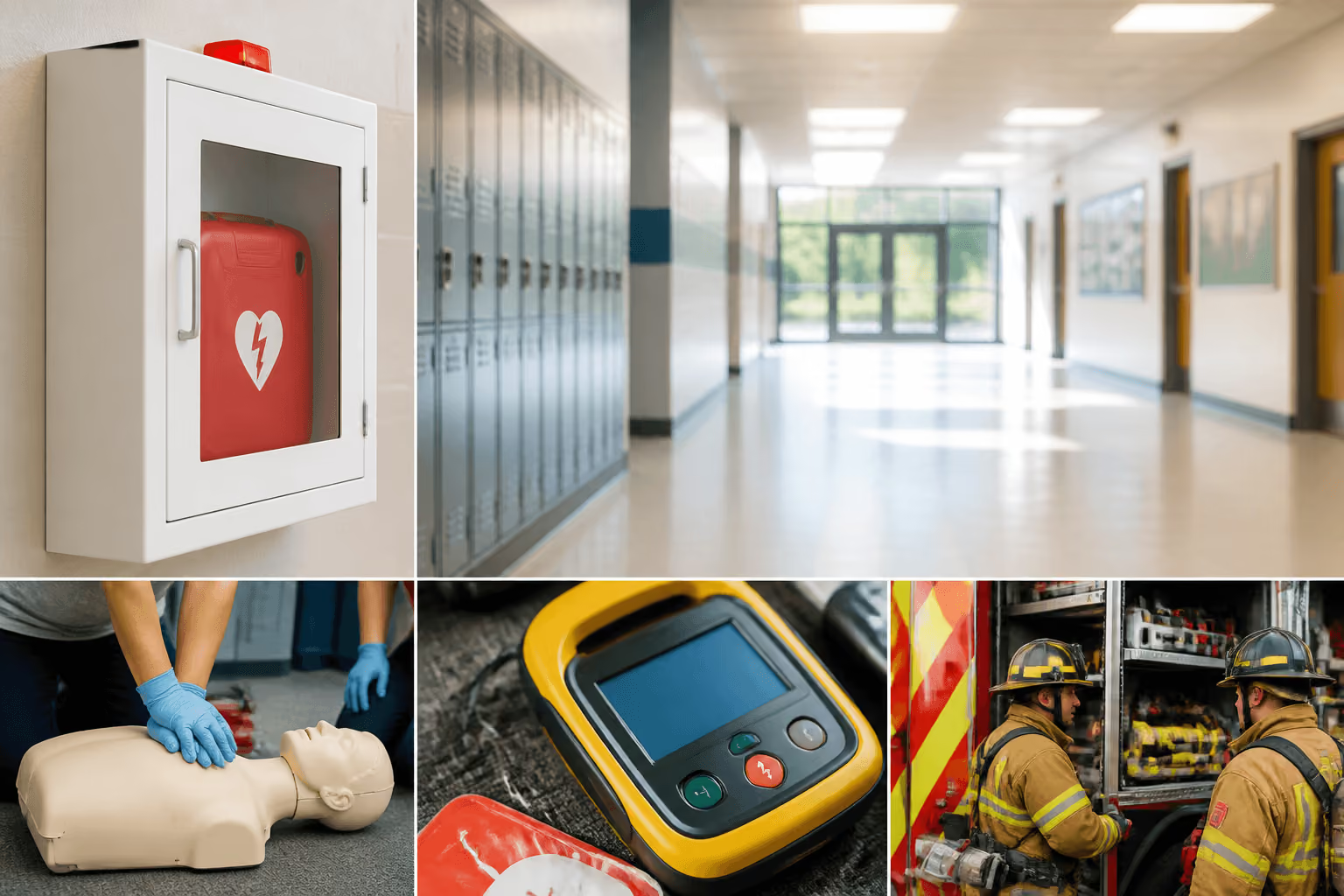
The effort comes during CPR and AED Awareness Week, a reminder that emergency response depends on both people and equipment. When AEDs are easy to find and properly mounted, bystanders have a better chance of acting quickly while waiting for professional responders.
What McKinney ISD students helped create
Students in McKinney ISD took part in a hands-on design challenge focused on a real community need. They studied the circulatory system, learned how CPR and AEDs support survival, and then worked on a solution for mounting the city’s newer, smaller AED units inside public cabinets.
The project gave students a chance to use science, engineering, and problem-solving skills in a meaningful way. They tested ideas, reviewed device dimensions, and presented their designs for review by fire department personnel.
Instead of treating AED placement as a simple hardware issue, the project approached it as a community safety issue. That mindset matters because emergency response works best when equipment is visible, secure, and ready to use without delay.
Why AED access in McKinney matters for cardiac arrest response
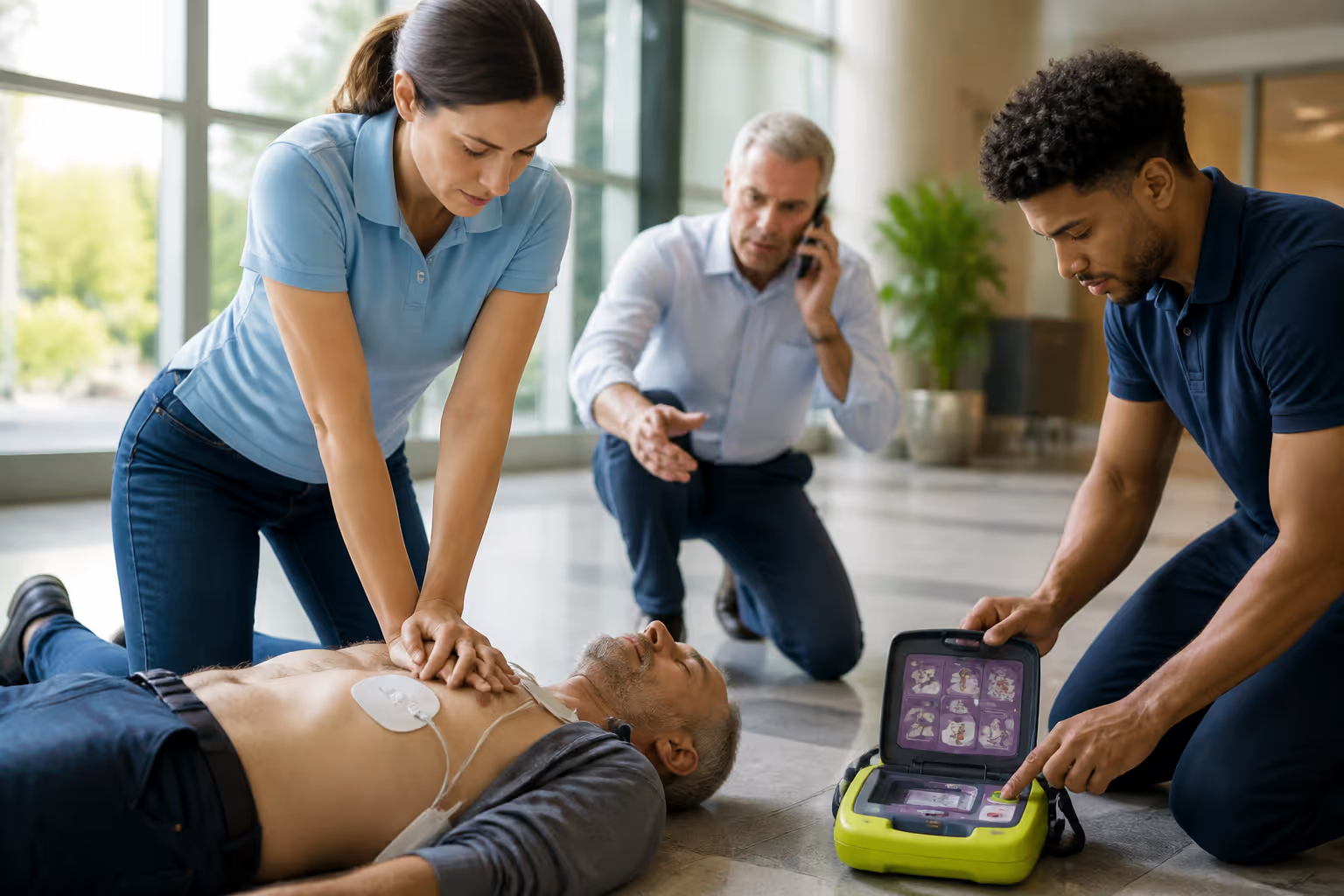
Cardiac arrest can happen without warning, and response time is critical. CPR helps keep blood moving, while an AED can deliver a shock if the heart rhythm requires it. Used together, CPR and AEDs can improve the chance of survival compared with waiting for help alone.
That is why communities focus not only on CPR training, but also on the placement and visibility of AEDs. A device that is nearby, clearly mounted, and easy to identify can save precious seconds in an emergency.
McKinney’s broader AED effort already includes placement in public locations such as libraries, parks, recreation centers, and police vehicles. This kind of planning supports faster emergency response across the city and helps more people know where lifesaving tools are located.
Who this local update is for
This news matters to healthcare workers, teachers, parents, coaches, business owners, and any resident who may need to respond before EMS arrives. It is also useful for organizations that manage public spaces and want to review where their AEDs are stored and how easy they are to reach.
- Schools looking to strengthen campus safety
- Employers reviewing first aid and emergency response plans
- Community groups that host children or older adults
- Anyone interested in CPR and AED readiness
When more people understand how AEDs work, the entire community becomes better prepared.
Why CPR training and AED awareness go together
Good emergency response is more than owning equipment. People also need the confidence to recognize cardiac arrest, begin CPR, and use an AED without hesitation. Training helps reduce fear and confusion, especially in the first few minutes of an emergency.
Students in this project also gained something beyond technical knowledge. They learned how local problem-solving can support public safety, and how small improvements in design can make a big difference in access.
This article is for general educational purposes only and is not a substitute for professional medical advice, diagnosis, treatment, or certified CPR training. In an emergency, call 911 immediately.
Benefits of choosing CPR Certification Labs
CPR Certification Labs helps individuals and organizations build confidence with CPR, AED, and first aid training. Our classes are designed to be clear, practical, and relevant for healthcare professionals and community members who want to respond more effectively in real-world situations.
We also make it easier for local learners to find training close to home. If you are looking for CPR and AED instruction in the area, visit our McKinney - Tucker Hill office for location details, hours, and contact information.
Training can help teams prepare for cardiac arrest, severe bleeding, choking, and other urgent situations where fast action matters.
Local places where AED awareness matters
McKinney residents encounter public spaces every day where AED placement can make a difference. Libraries, parks, recreation centers, schools, and vehicles used by public safety teams all benefit from clear emergency response planning. Even small changes, like a more secure cabinet mount, can improve how quickly someone finds and uses the device.
Nearby communities are also paying attention to the importance of AED access and CPR readiness. That shared focus helps create a stronger regional culture of safety.
Strengthening community response starts with preparation
McKinney ISD’s student-led work shows that emergency readiness is not limited to firefighters or clinicians. Students, educators, and local agencies can all contribute to a safer city when they focus on practical solutions. Better AED access in McKinney supports faster action, better awareness, and stronger community resilience.
If your workplace, school, or organization wants to improve CPR and AED preparedness, now is a good time to review your plan, confirm your equipment, and make sure people know how to respond.
When cardiac arrest happens, every second counts, and preparedness begins long before the emergency starts.
About our McKinney - Tucker Hill office
- Address: 7200 W University Dr, Suite 218
- Phone: (903) 627-2841
- Email: McKinney@cprcertificationlabs.com
- Hours:
Monday to Friday: 6am - 8pm
Saturday to Sunday: 7am - 5pm