Hands-Only CPR Dallas and why the message matters
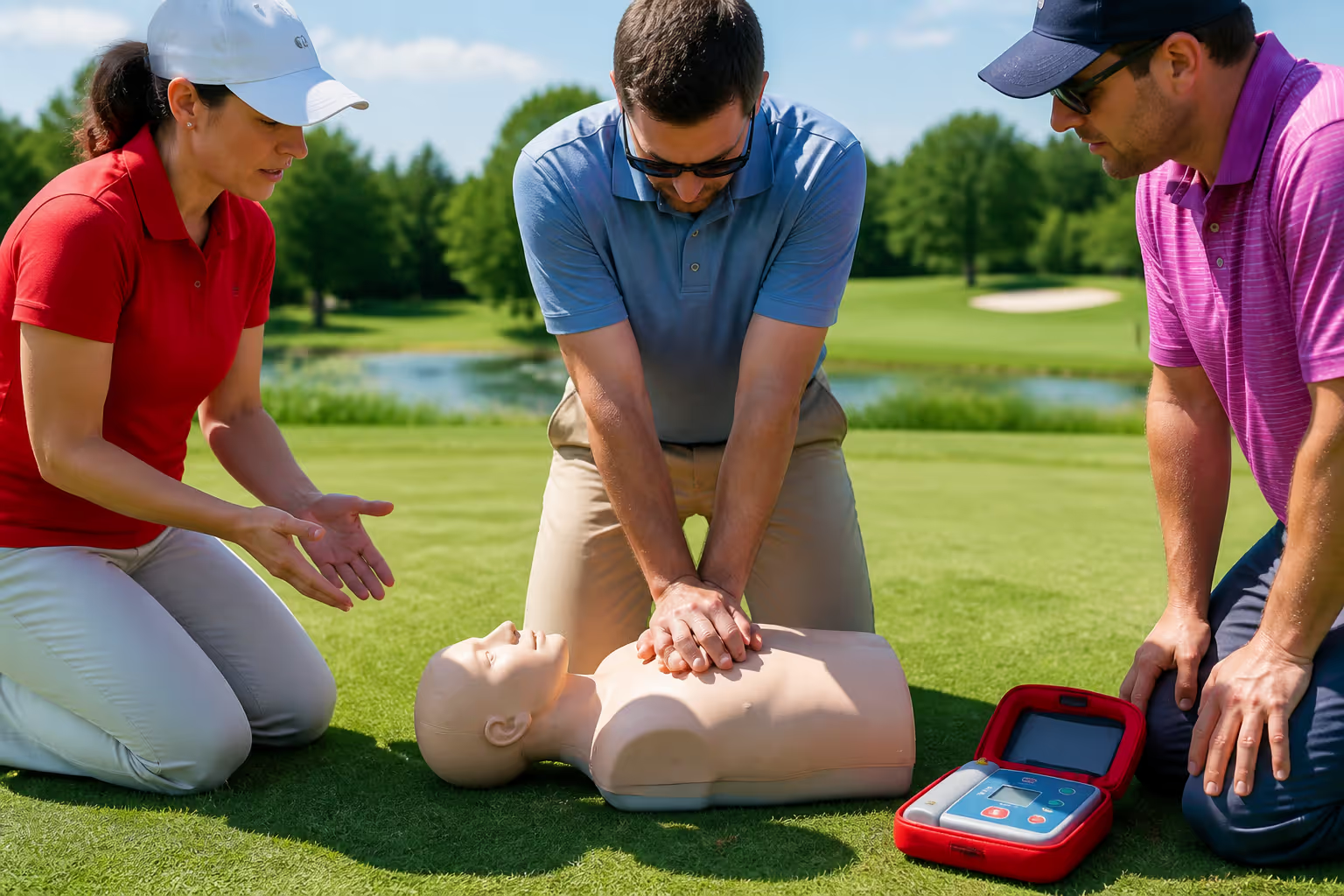
Hands-Only CPR Dallas is a useful reminder that lifesaving skills belong in everyday life, not just in hospitals or ambulances. A recent public training effort at a major golf event showed how quickly a simple lesson in CPR can help ordinary people feel ready to respond when a teen or adult collapses.
The larger point is practical. Cardiac arrest can happen in a parking lot, office lobby, sports venue, or family gathering. In those first few minutes, the people nearby may be the only ones able to help before emergency response teams arrive. That is why CPR, AED awareness, and first aid basics remain important for Dallas and nearby communities.
What the event taught about emergency response
At the tournament, visitors could step up for brief, hands-on instruction in chest compressions and the basics of responding to a sudden collapse. The message was simple: if someone is unresponsive and not breathing normally, get help quickly and begin action without delay.
Public CPR demonstrations like this matter because they reduce hesitation. Many people want to help in an emergency but are unsure whether they will remember the steps. A short training session can turn that uncertainty into a clear plan, which is exactly what improves emergency response in real life.
Hands-Only CPR Dallas: what to remember in a crisis
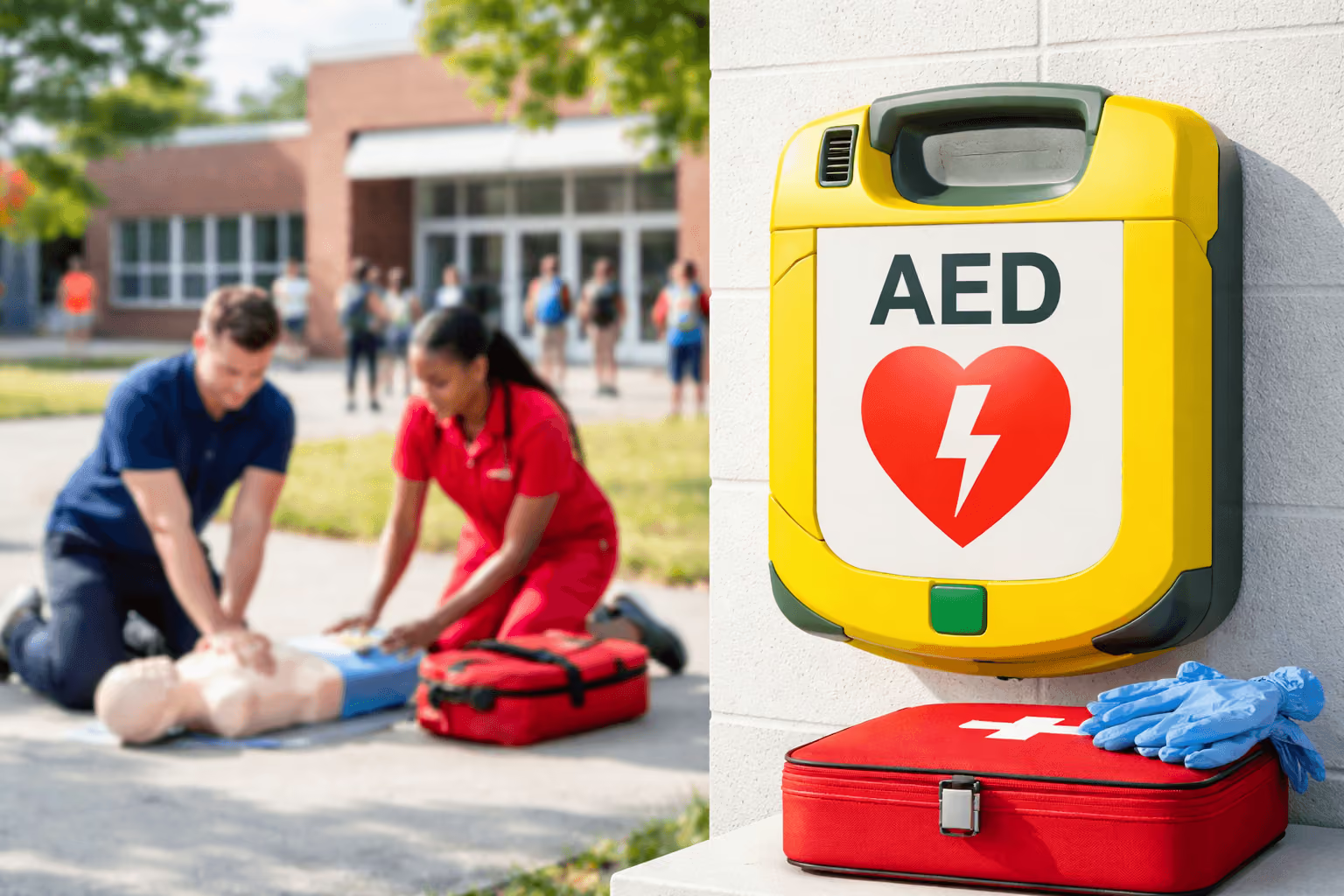
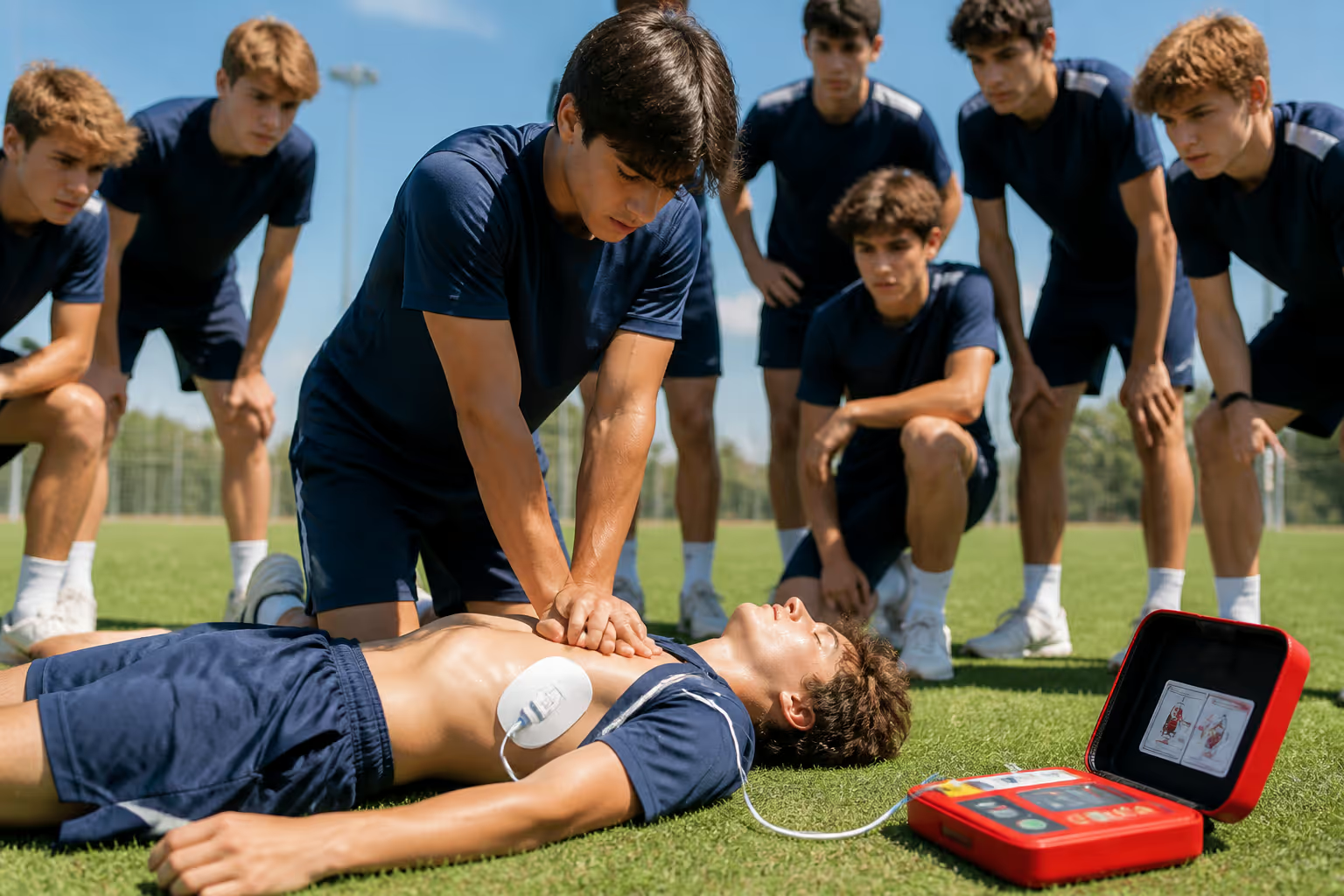
Hands-Only CPR Dallas training focuses on a straightforward sequence. If you see a teen or adult collapse, call 911 right away and begin pushing hard and fast in the center of the chest. If an AED is available, ask someone nearby to bring it as quickly as possible.
This approach is intentionally simple because emergencies are stressful. The goal is not perfection. The goal is to keep blood moving until trained responders take over or the person starts to show signs of recovery. Knowing the steps ahead of time can make action feel possible when seconds matter.
Core skills covered in CPR training
- How to recognize possible cardiac arrest
- When to call 911 without delay
- How to perform effective chest compressions
- How AEDs support emergency response
- How first aid awareness fits into the first few minutes of care
Dallas context: why local readiness matters
Dallas is a fast-moving city with offices, schools, gyms, parks, churches, restaurants, and event spaces where a medical emergency could happen without warning. In a busy metro area, CPR readiness is a practical safety skill for the workplace, for families, and for community events.
That is also why local training should feel accessible and easy to use. People are more likely to prepare when the lesson fits real life. Whether someone works around large groups, manages a team, or simply wants to be ready for a family emergency, CPR and AED knowledge can build confidence.
Who should consider CPR and first aid classes
CPR and first aid classes are valuable for healthcare professionals, teachers, coaches, childcare providers, office staff, security teams, fitness instructors, volunteers, and parents. These are the people most likely to be nearby when someone needs help before emergency responders arrive.
Training is also useful for anyone who spends time at public gatherings. If you attend concerts, sporting events, school activities, church services, or business meetings, basic CPR skills can help you respond with purpose instead of panic. That preparation is a benefit whether you live in Dallas or commute into the city for work or events.
Certification and service explanation
CPR Certification Labs offers practical training focused on CPR, AED use, and first aid. Our courses are built to help learners understand what to do, how to do it, and how to stay calm during an emergency response. The instruction is clear, direct, and designed for busy professionals who need skills they can remember.
While this article uses the search phrase Hands-Only CPR Dallas, readers looking for nearby training may also want to explore service details for other Texas locations. If you are comparing class options, you can review the Oklahoma City North office page at Oklahoma City North office information to see how a local training center presents scheduling and contact details. For Dallas-area readers, that can still serve as a model for what to expect from a structured CPR class.
For readers who want to compare training paths, it can also help to browse related CPR and first aid resources on the CPR Certification Labs site. Learning the difference between compressed-only response, AED use, and broader first aid basics can make your preparation more complete.
Benefits of choosing CPR Certification Labs
People choose CPR Certification Labs because the training stays focused on useful, real-world skills. We emphasize simple instruction, repetition, and practical steps so students can remember the process when time is short.
That approach works well for busy healthcare professionals and workplace teams, but it is also helpful for anyone who wants confidence before an emergency happens. A good CPR class should make the response easier to understand, not harder.
National awareness campaigns often show that learning is most effective when it is hands-on and easy to practice. The same is true for local classes. When people practice the motions, learn where AEDs fit into the plan, and review when to call 911, they are better prepared to act.
Nearby facilities and local references
Dallas residents and visitors regularly move between offices, athletic venues, campus areas, retail districts, and community centers. Those are exactly the kinds of places where a sudden collapse could happen and bystander CPR could matter most.
Nearby environments do not need to be high risk to benefit from preparedness. A single trained person can strengthen the response in a school hallway, conference room, church lobby, or recreation facility. That is why CPR and first aid training should be part of the safety conversation in every neighborhood.
How to turn awareness into action
When a teen or adult collapses, the priorities are clear: check the scene, call 911, start Hands-Only CPR if appropriate, and continue until trained help takes over or the person begins to respond. If an AED is close by, have someone retrieve it right away.
That response is easier when it has been practiced. Training helps people remember the sequence, reduce panic, and work together in the moments that matter most. It also reinforces a simple truth: emergency response is shared, and prepared bystanders can make a real difference before professionals arrive.
For anyone searching for Hands-Only CPR Dallas training, the takeaway is straightforward. Learning CPR now can help you respond with confidence later, whether the emergency happens at work, at home, or in a public space.
FAQ
What is Hands-Only CPR?
Hands-Only CPR is a compression-only response used for teen and adult cardiac arrest. It focuses on calling 911 and giving hard, fast chest compressions until help arrives.
When should I use an AED?
If an AED is available during a cardiac emergency, have someone bring it as soon as possible and follow the device prompts while CPR continues.
Is CPR training useful for people outside healthcare?
Yes. CPR, AED, and first aid knowledge can help teachers, office staff, coaches, parents, volunteers, and community members respond more confidently in an emergency.
Why does local CPR training matter in a city like Dallas?
Large cities have many places where people gather. Local training helps more bystanders be ready to act quickly, which can improve the first response before EMS arrives.
This article is for general educational purposes only and is not a substitute for professional medical advice, diagnosis, treatment, or certified CPR training. In an emergency, call 911 immediately.
Learn CPR, AED use, and first aid now so you can respond with confidence when it matters most.
About our Oklahoma City North office
- Address: 9012 N Kelley Avenue
- Phone: (572) 384-8189
- Email: oklahomacity@cprcertificationlabs.com
- Hours:
6am - 12am - 7 Days a Week!