Offer ends October 18.
This is some text inside of a div block.
Restart a Heart BLS Sale
RESTART99
Copy code

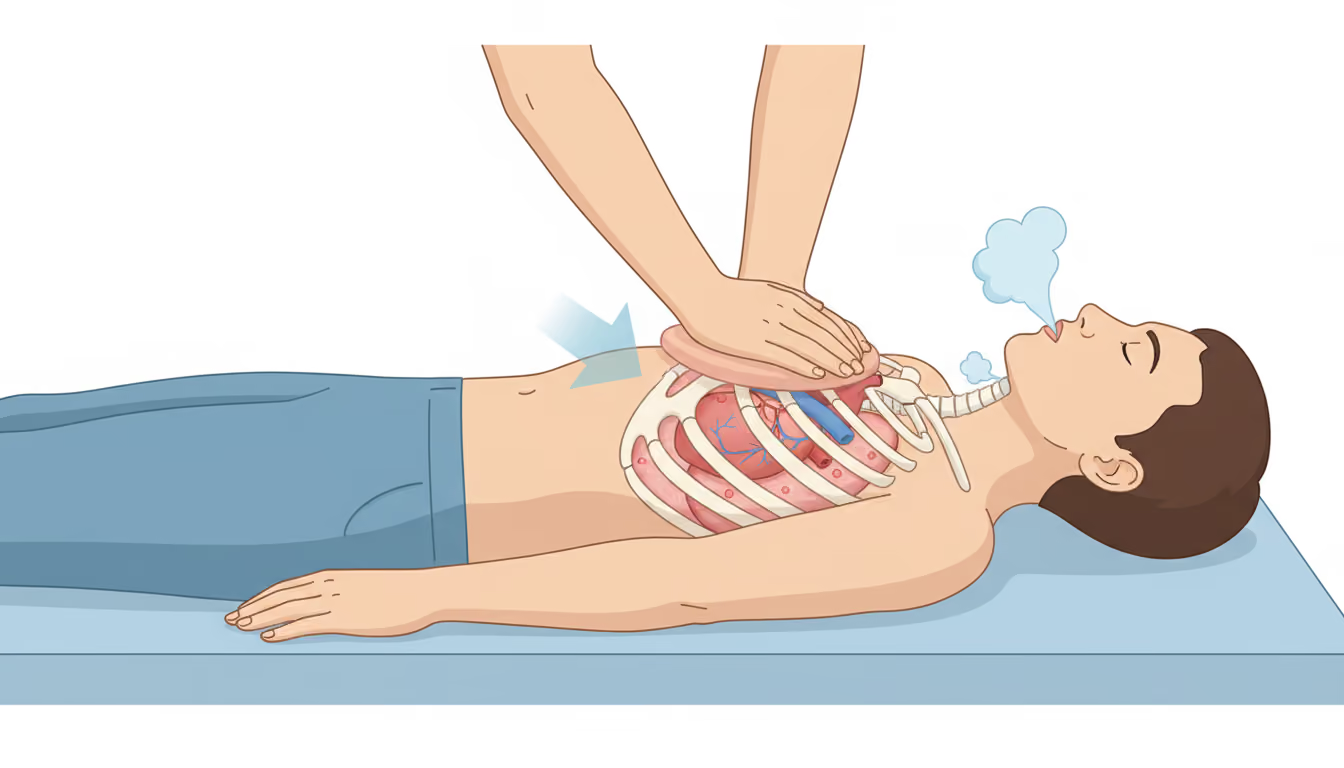
Skin:The skin serves as the body's external shield, safeguarding it against heat, light, injuries, and infections. It plays a crucial role in controlling body temperature and storing water and fat. Weighing approximately 6 pounds, the skin is the largest organ of the body. It consists of two primary layers: the epidermis and the dermis. The epidermis, or the outer layer, is primarily composed of flat, scale-like cells known as squamous cells. Beneath these are basal cells, which are round in shape. The deepest region of the epidermis houses melanocytes, cells responsible for producing melanin, the pigment that gives skin its color. The dermis, or inner layer, contains blood and lymph vessels, hair follicles, and glands that produce sweat and sebum. Sweat aids in temperature regulation, while sebum, an oily substance, prevents skin dryness. Both sweat and sebum reach the skin's surface through small openings known as pores.
Our technology delivers immediate, actionable feedback that refines your skills in real time.
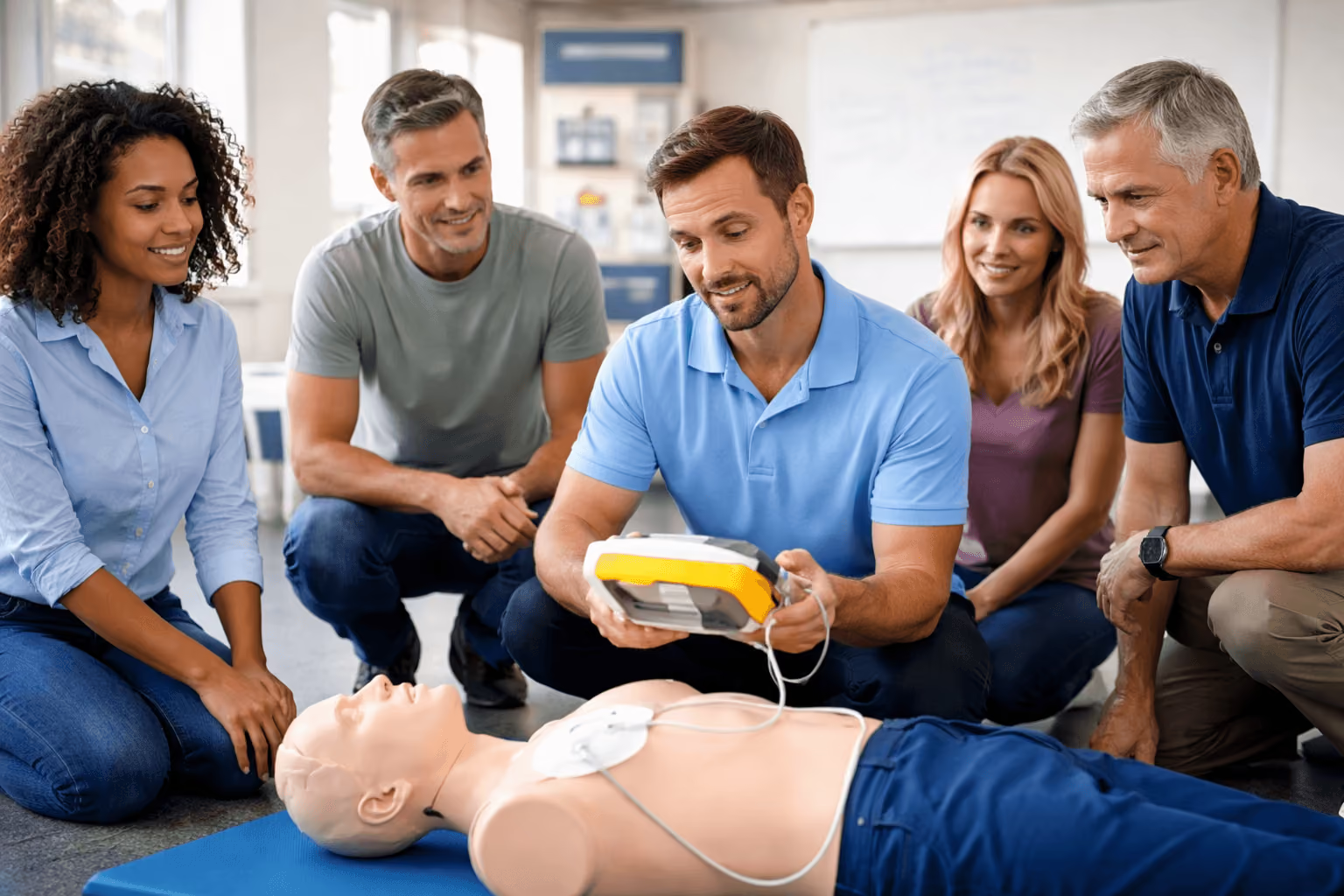
Understand how to safely and effectively operate an Automated External Defibrillator (AED) for adults, children, and infants.
Learn how to perform the Heimlich maneuver and clear airway obstructions caused by choking in both adults and infants.
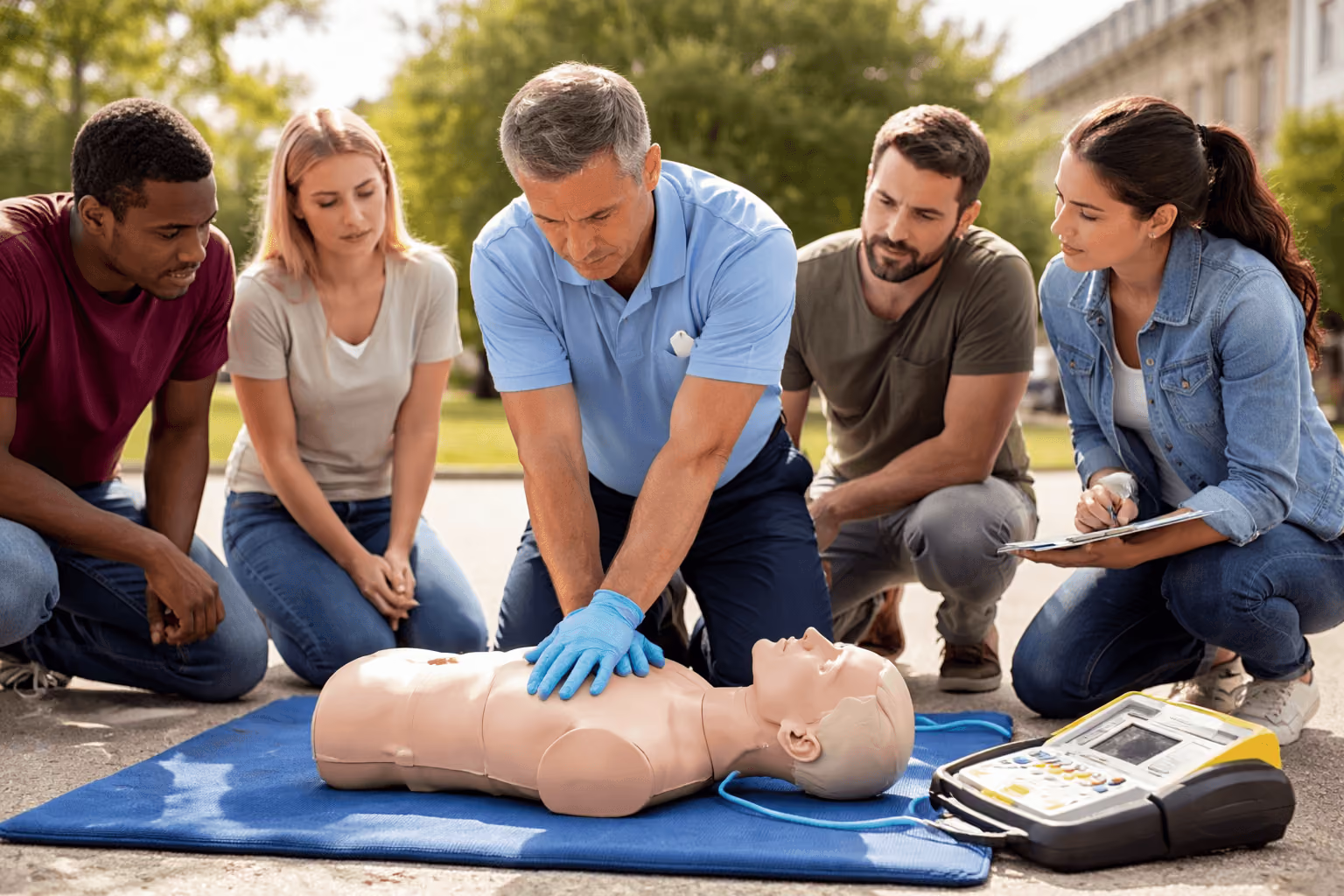
Gain experience working as part of a team when more than one rescuer is available during an emergency.
Receive your AHA CPR Certification E-Card on the same day you complete the class and pass the exam.

CPR Certification Labs provides professional CPR and emergency training courses based on recognized industry standards.