Houston AED malfunction and what it means for school safety
The recent Houston AED malfunction report involving Houston ISD has put a spotlight on emergency readiness in schools across the city. After a student died at Marshall Middle School, questions grew around whether life-saving equipment was available and working when staff needed it most.
For parents, school employees, and healthcare professionals, this story is more than a local headline. It is a reminder that sudden cardiac arrest and other medical emergencies require fast action, working equipment, and people who know how to respond. When an AED is not functioning, the window for effective emergency response can narrow quickly.
What the report says about malfunctioning AEDs in Houston
According to the report, Houston ISD identified 170 AEDs that were not working in a district-wide review. The district has stated that it has more than 1,000 devices across campuses and that each school has at least one working AED, but the findings still raised concern because the broken devices had not all been fixed before the school year began.
The issue is especially troubling in a school setting because cardiac emergencies can happen without warning. In those moments, staff may need to rely on CPR, an AED, and a clear emergency response plan. If a device battery is dead or the unit will not power on, that delay can create confusion and stress for the people trying to help.
Why AED readiness matters in emergency response
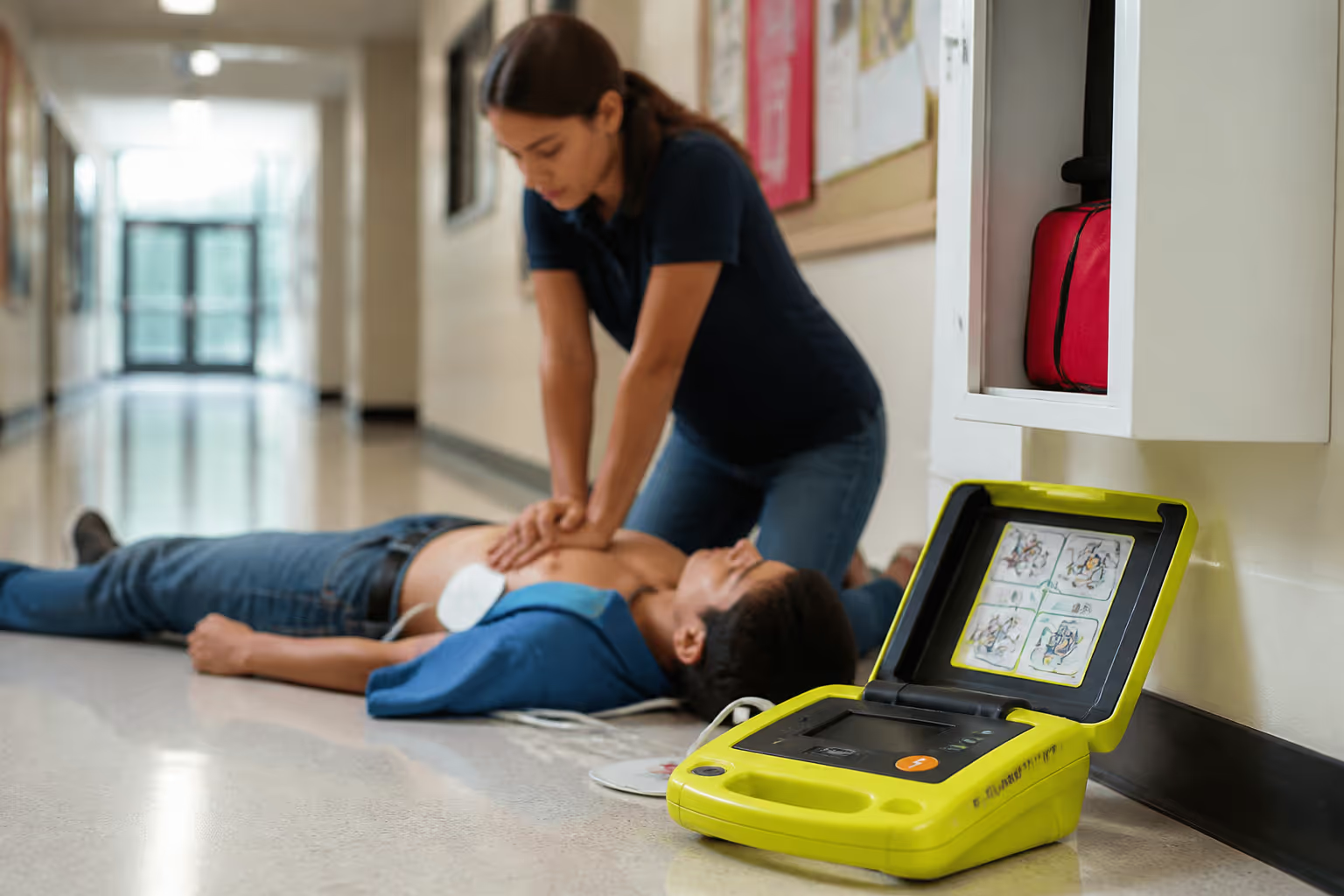
An AED, or automated external defibrillator, is designed to analyze a person’s heart rhythm and deliver a shock if needed. It is used alongside CPR when someone may be in cardiac arrest. AEDs are built to be straightforward, but they still require routine checks, battery replacement, and maintenance so they are ready when needed.
Schools, gyms, offices, and public buildings all benefit from having equipment that is accessible and regularly inspected. In a Houston school emergency, staff members may be the first trained responders on scene before EMS arrives. That is why regular maintenance and training matter just as much as the device itself.
What staff and families should know after a campus emergency
This situation is a reminder that emergency response planning should not stop at posting a device on the wall. Staff should know where the AED is located, how to bring it to the scene, and what to do if it does not work. They should also know how to begin CPR right away while someone else calls 911 and retrieves backup equipment.
Families can also ask schools about their emergency procedures. Useful questions include:
- Where are the nearest AEDs located on campus?
- Who checks the devices and how often are they inspected?
- Are staff trained in CPR and first aid?
- What happens if an AED is out of service?
- How does the school ensure a fast response while waiting for EMS?
These questions are practical, not alarmist. They help make sure a school is prepared if a medical emergency happens during class, athletics, lunch, or after-school activities.
Who should consider CPR and AED training
This topic is important for teachers, coaches, school nurses, office staff, security teams, and parents who volunteer on campus. It is also relevant for healthcare workers, childcare providers, fitness staff, and community leaders who may be called to respond before emergency crews arrive.
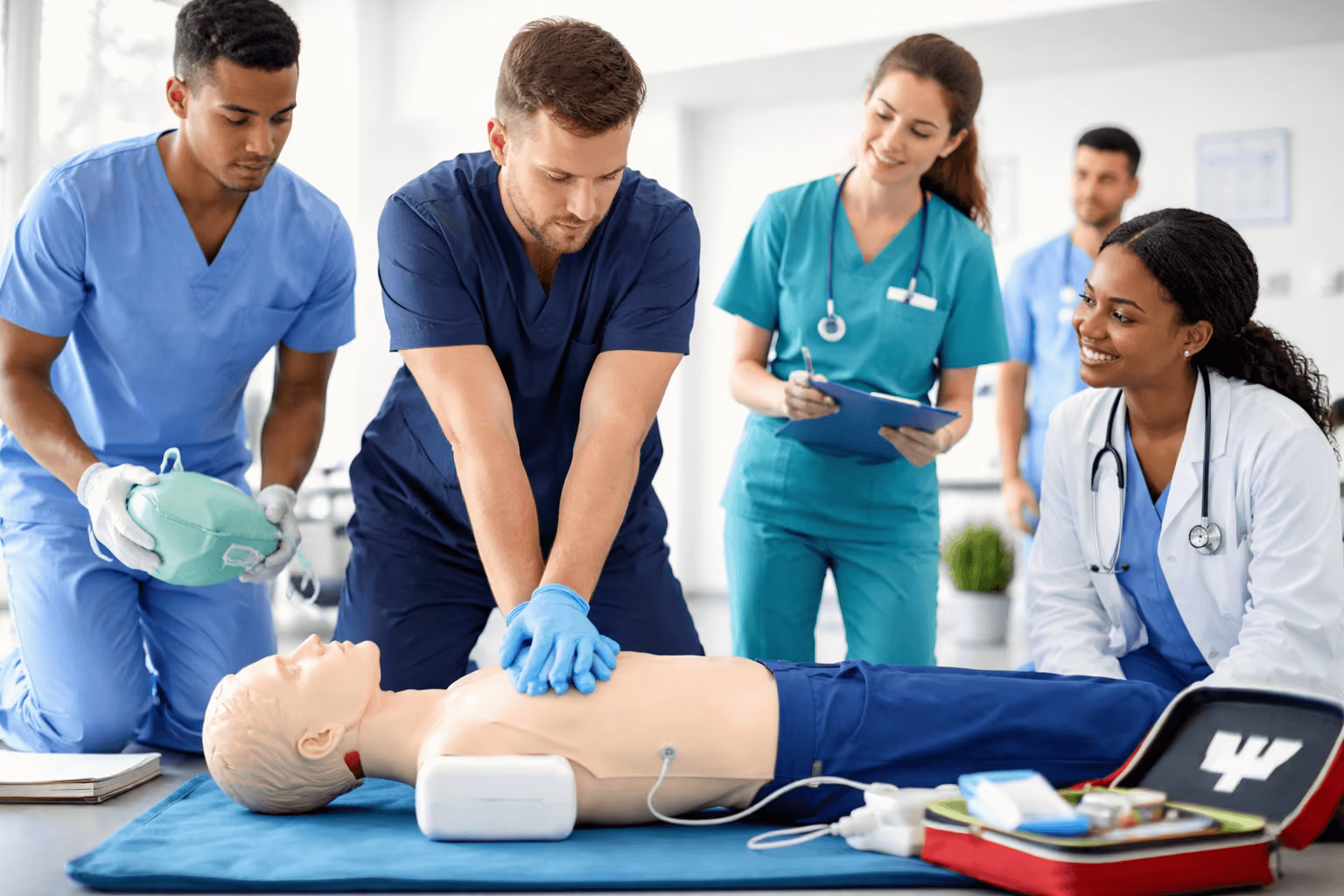
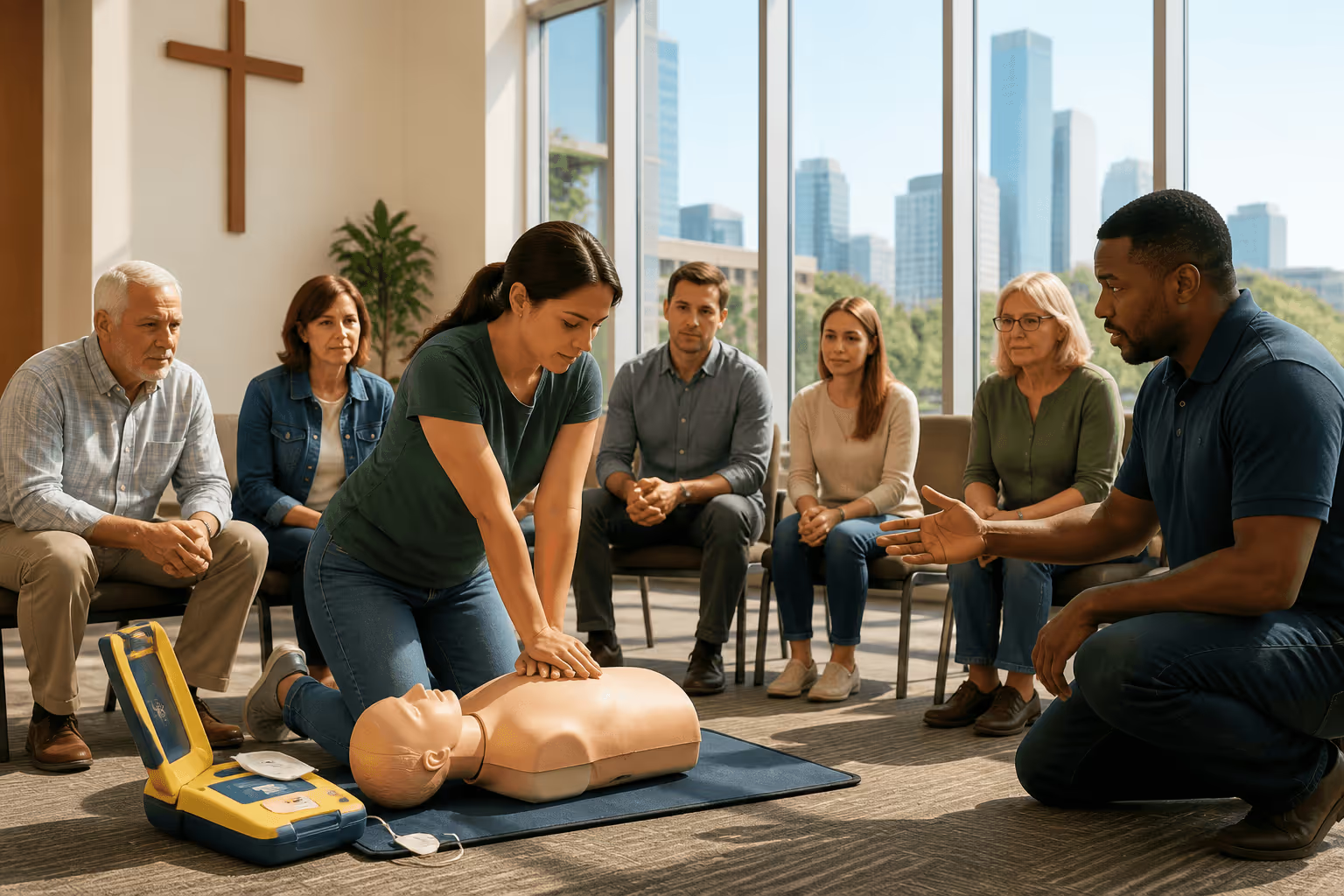
CPR and AED training can help people act with more confidence during a crisis. Training also reinforces simple first aid steps, scene safety, and how to work as a team during an emergency response. Even when a district has devices in place, people still need the knowledge to use them quickly and correctly.
Why local CPR training support matters in Houston
Houston is a large, fast-moving city with schools, clinics, workplaces, and community centers spread across many neighborhoods. That makes local readiness important. A working AED and a trained responder can matter in schools, but the same is true in offices, apartment communities, recreation centers, and faith-based facilities throughout the area.
At CPR Certification Labs, we help adults build practical skills for real-world emergencies. Our training focuses on CPR, AED use, and basic first aid in a clear format that is useful for healthcare professionals and other everyday responders. For those in North Houston, the office at North Houston is available for convenient local training.
Nearby community spaces and busy corridors across Houston serve thousands of people every day, which is why emergency response planning should be taken seriously in every setting. Working equipment, trained staff, and a clear plan can all help reduce confusion when seconds count.
What to do in a suspected cardiac emergency
If someone collapses, is unresponsive, or is not breathing normally, call 911 immediately. Start CPR if you are trained and continue until help arrives or an AED is ready. If an AED is available, use it as soon as possible and follow the device prompts.
Do not wait for symptoms to worsen before acting. A fast response is one of the most important parts of emergency care, especially in schools and other crowded public spaces. Regular CPR and AED training helps people stay focused and take the right steps under pressure.
This article is for general educational purposes only and is not a substitute for professional medical advice, diagnosis, treatment, or certified CPR training. In an emergency, call 911 immediately.
Houston AED malfunction: a reminder for every campus and workplace
The Houston AED malfunction report is a reminder that safety equipment must be maintained, not just installed. Schools and workplaces depend on reliable AEDs, trained personnel, and well-practiced emergency response plans. When those pieces work together, they can improve the chances of a timely response during a serious medical event.
For Houston residents who want to be better prepared, CPR and AED training is a practical step that supports families, students, staff, and the broader community.
About our North Houston office
- Address: 2930 Cypress Grove Meadows Dr
- Phone: (346) 353 2291
- Email: houstonnorth@cprcertificationlabs.com
- Hours:
Monday – Sunday: 7am - 8pm