CPR save in Texas: why one Lubbock emergency mattered
A CPR save in Texas can happen in seconds when trained people respond quickly and use the tools available. In Lubbock, that was the difference when former Texas Tech offensive lineman Dan Irons collapsed on school property and school staff, police, and emergency responders worked together to restore his breathing and pulse.
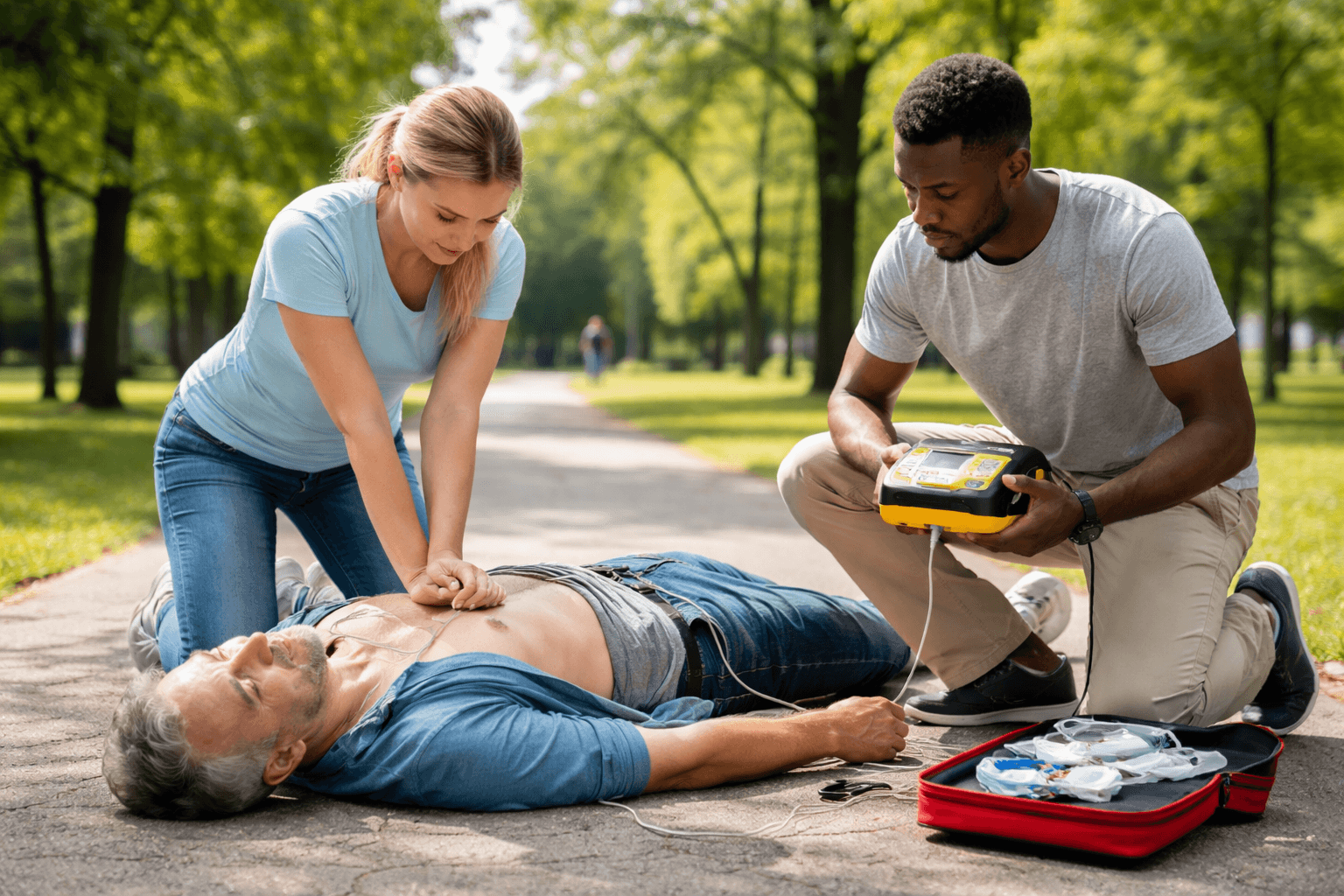
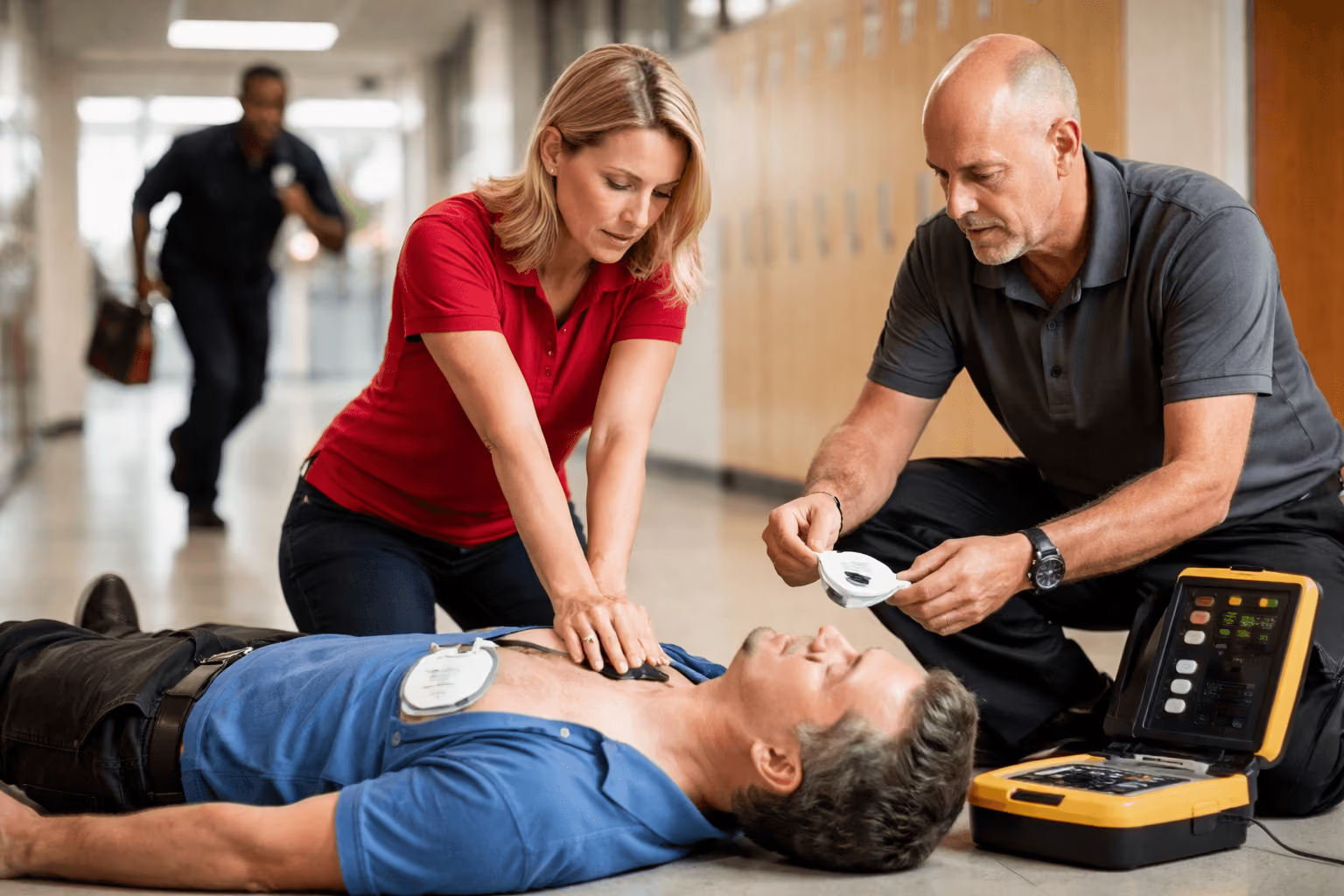
The situation unfolded outside a Lubbock-Cooper administration building while Irons was there for a business meeting. A coach who knew him found him unresponsive, called for help, and began CPR. From there, school personnel and first responders joined in, and an AED was used as part of the emergency response.
What this case shows about CPR, AED use, and emergency response
Cardiac arrest is different from a typical medical issue because every minute without action can reduce the chance of survival. In this case, the people on scene did several important things well: they recognized that the emergency was serious, they called for help right away, they started chest compressions, and they used an AED when it was needed.
According to the account from those involved, the team continued until EMS arrived and took over. That kind of coordination is what strong CPR training is designed to support. It is not about doing one perfect action. It is about keeping blood moving, getting defibrillation when indicated, and handing off care smoothly to professionals.
Local context in Lubbock and West Texas
This story resonates across Lubbock and the wider West Texas region because schools, offices, athletic facilities, and public spaces all depend on people who can act before paramedics arrive. Whether the emergency happens at a campus, business, or community event, CPR and AED access can be the key link in the chain of survival.
For many families in the region, this is also a reminder that heart emergencies do not only affect older adults or people with obvious symptoms. Fast action matters when someone suddenly collapses, stops breathing normally, or has no pulse.
Who should consider CPR and first aid training
This kind of training is useful for school employees, coaches, office teams, church volunteers, fitness staff, security personnel, and anyone who works around the public. It is also valuable for parents, caregivers, and employees who want to be ready if a coworker, student, customer, or family member needs help.
- School staff who may be first on scene during a collapse
- Coaches and athletic staff working with students and adults
- Office teams and reception staff who greet visitors daily
- Community members who want practical first aid skills
Why training matters before an emergency happens
In a real emergency, people often remember their training more clearly than they remember fear. CPR classes help participants learn how to assess responsiveness, activate the emergency system, provide chest compressions, and use an AED without wasting time. First aid education also helps people support someone until EMS takes over.
That preparation can make a major difference in any CPR save in Texas, especially in communities where help may need a few minutes to arrive. The goal is not to replace emergency responders. The goal is to keep a person alive until professional care is available.
This article is for general educational purposes only and is not a substitute for professional medical advice, diagnosis, treatment, or certified CPR training. In an emergency, call 911 immediately.
Benefits of choosing CPR Certification Labs
CPR Certification Labs offers training designed for healthcare professionals and other adults who need practical, clear instruction. Courses focus on real-world emergency response skills, including CPR, AED use, and first aid basics, so participants can feel more prepared at work and in daily life.
If you are in the Midland-Odessa area and want a nearby place to get started, you can learn more at Midland - Odessa. The office is located at 4214 Andrews Highway, Suite 202 in Midland, and the hours are 8am - 6pm Monday through Friday.
Nearby references for West Texas readers
Lubbock-Cooper, University Medical Center, and the broader Lubbock community all show how important it is to have trained people nearby when a heart emergency occurs. For West Texas residents, that reality extends beyond one school district. Worksites, campuses, and community centers all benefit from having AEDs accessible and staff who know how to use them.
When a collapse happens, a fast call for help, immediate CPR, and early defibrillation can shape the outcome. This incident is a strong reminder that preparation saves time, and in cardiac emergencies, time matters.
Frequently asked questions
Why is CPR so important in cardiac arrest?
CPR helps keep oxygenated blood moving to the brain and other organs until an AED and emergency medical care are available.
When should someone call 911?
Call 911 immediately if a person collapses, is unresponsive, is not breathing normally, or shows signs of a life-threatening emergency.
What does an AED do?
An AED analyzes heart rhythm and may deliver a shock if needed. It is designed to be used quickly by trained lay responders and professionals alike.