Offer ends October 18.
This is some text inside of a div block.
Restart a Heart BLS Sale
RESTART99
Copy code

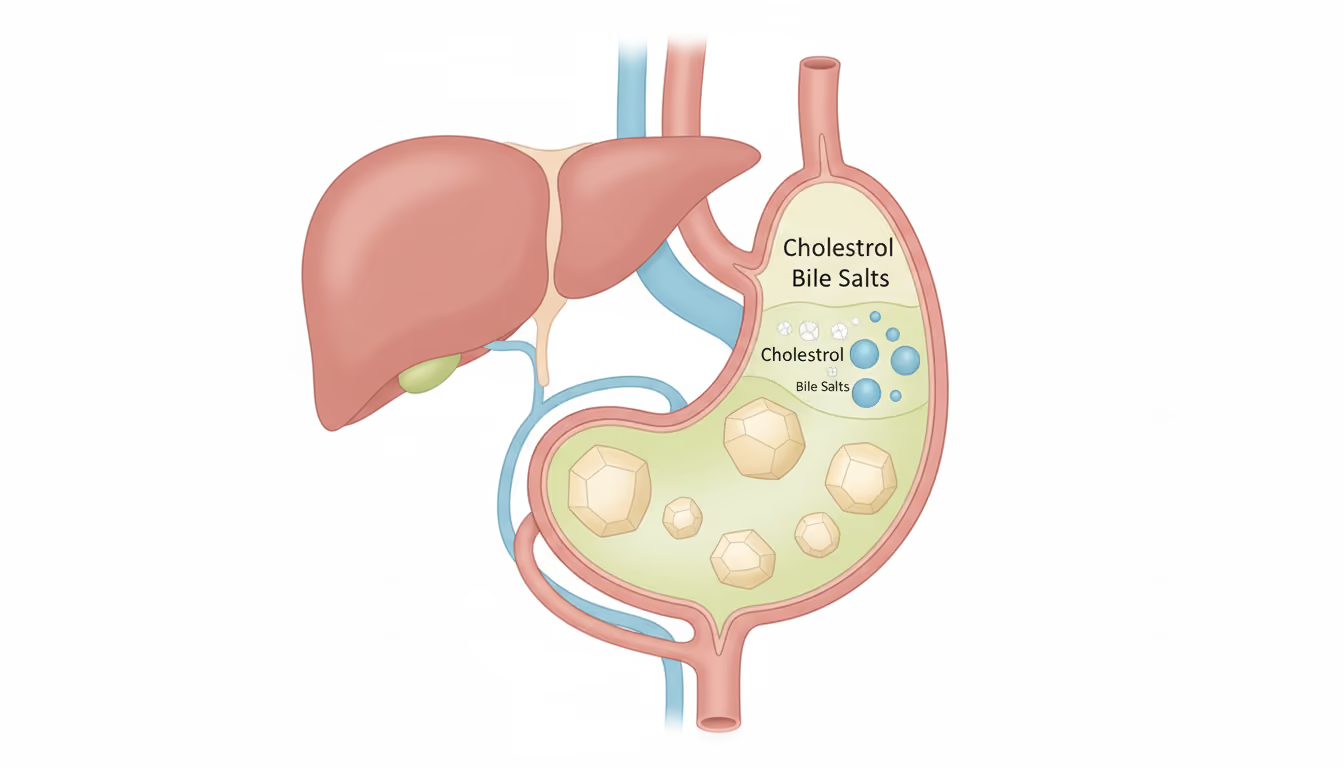
Bile is a yellow-green liquid produced by the liver and stored in the gallbladder, then released into the duodenum to aid in fat digestion. The main components of bile include cholesterol, bile salts, and the pigment bilirubin. An imbalance in these components can lead to the formation of gallstones, which can be made of various substances. Cholesterol gallstones occur when there is a disproportion between cholesterol and bile salts. Normally, bile salts dissolve cholesterol to maintain its liquid form, but when cholesterol levels in bile rise too high, it surpasses the dissolving capacity of the bile salts, resulting in cholesterol gallstones. A lack of bile salts can also lead to the development of these stones. Pigment gallstones are often linked to chronic bile infections, particularly in some Asian regions where bile duct infections are prevalent. Individuals with blood disorders causing excessive red blood cell breakdown may have increased bilirubin levels in their bile, leading to the formation of bilirubin gallstones.
Our technology delivers immediate, actionable feedback that refines your skills in real time.
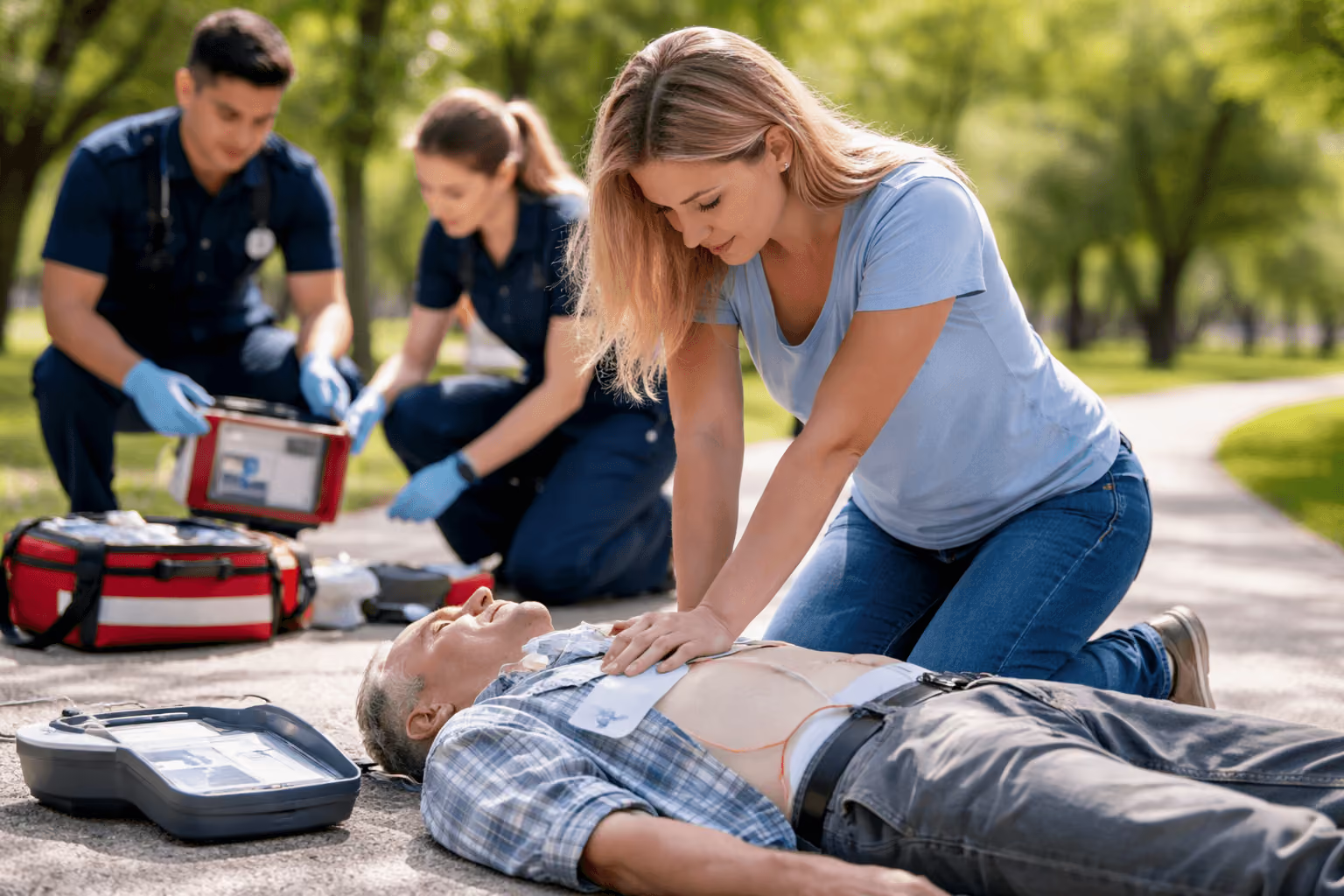
Understand how to safely and effectively operate an Automated External Defibrillator (AED) for adults, children, and infants.
Learn how to perform the Heimlich maneuver and clear airway obstructions caused by choking in both adults and infants.
Gain experience working as part of a team when more than one rescuer is available during an emergency.
Receive your AHA CPR Certification E-Card on the same day you complete the class and pass the exam.

CPR Certification Labs provides professional CPR and emergency training courses based on recognized industry standards.