Offer ends Nov 29.
This is some text inside of a div block.
Thankful for Those Who Care
THANKS99
Copy code


Synchronized cardioversion is a procedure that delivers a controlled electrical shock synchronized to the QRS complex, avoiding the vulnerable period of the cardiac cycle (the T wave), when a shock could provoke ventricular fibrillation. It is used to convert organized rhythms in patients who still have a pulse, most often when the rhythm has made them unstable.
In the 2025 American Heart Association (AHA) adult tachyarrhythmia algorithm, it is used when a fast rhythm causes hypotension, altered mental status, signs of shock, ischemic chest discomfort or acute heart failure. Such rhythms include atrial fibrillation with a rapid response, atrial flutter, supraventricular tachycardia, and monomorphic ventricular tachycardia with a pulse. Polymorphic ventricular tachycardia cannot be synchronized reliably and is treated with an unsynchronized, high-energy shock instead. The 2025 Guidelines also recommend synchronized cardioversion for stable wide- or narrow-complex tachycardia when vagal maneuvers and drug therapy are ineffective or contraindicated. This differs from defibrillation, which uses an unsynchronized shock for pulseless, chaotic rhythms. Correct energy selection, sedation when possible, and proper synchronization are key elements of the Advanced Cardiovascular Life Support (ACLS) approach.
Our technology delivers immediate, actionable feedback that refines your skills in real time.
Understand how to safely and effectively operate an Automated External Defibrillator (AED) for adults, children, and infants.
Learn how to perform the Heimlich maneuver and clear airway obstructions caused by choking in both adults and infants.
Gain experience working as part of a team when more than one rescuer is available during an emergency.
Receive your AHA CPR Certification E-Card on the same day you complete the class and pass the exam.
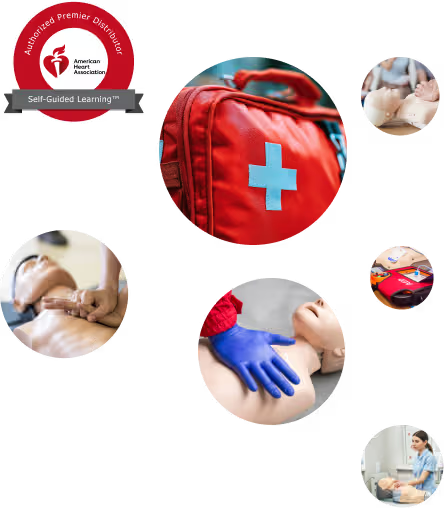

CPR Certification Labs provides professional CPR and emergency training courses based on recognized industry standards.