Offer ends October 18.
This is some text inside of a div block.
Restart a Heart BLS Sale
RESTART99
Copy code

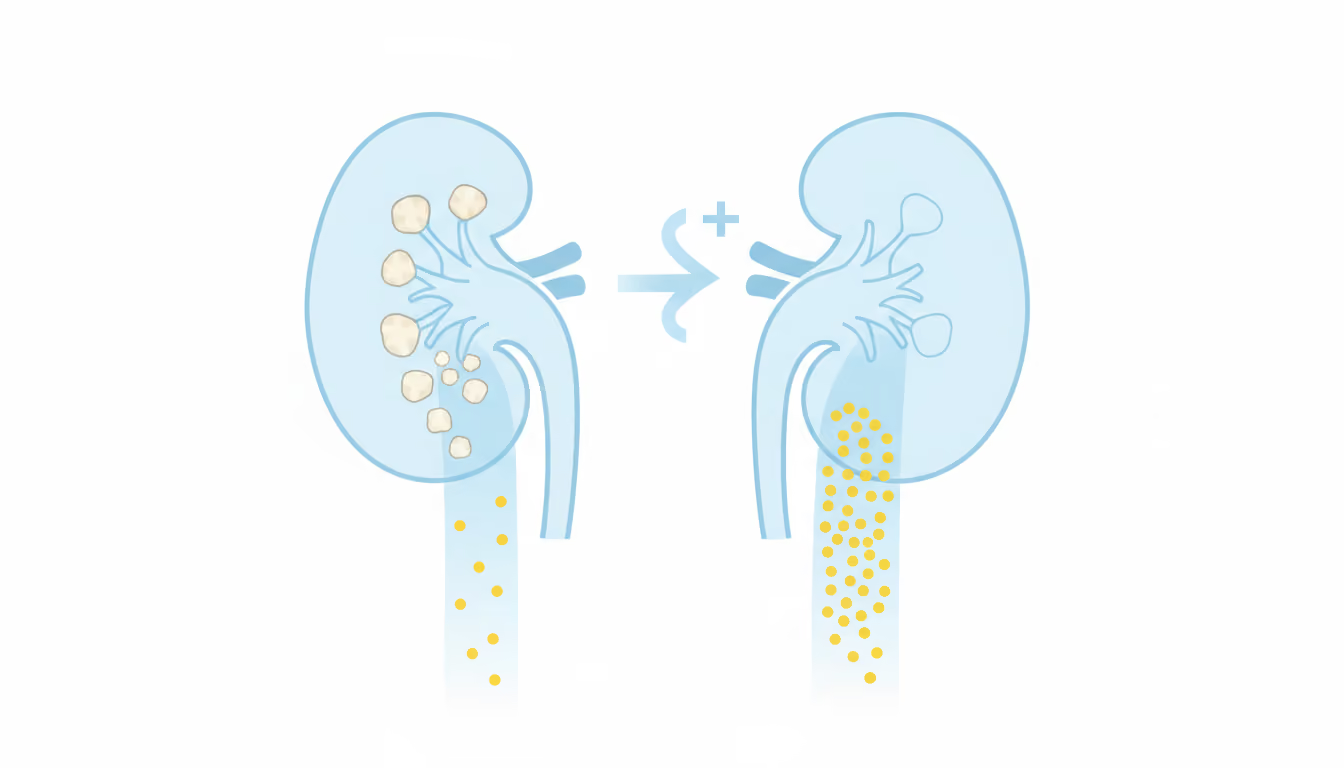
Hypocitraturia refers to a reduced concentration of citrate in the urine. When the urinary citrate level falls below 320 mg per day, it is generally considered low, and in more severe instances, it can drop to under 100 mg per day. Insufficient citrate in the urine contributes to the formation of calcium stones, as citrate acts as an inhibitor against their development. Several factors can lead to decreased urinary citrate and the production of calcium kidney stones, including certain medications, a diet high in animal protein, renal tubular disorders, and other conditions. Approximately one-third of individuals with calcium kidney stones are affected by this issue. Treatment with citrate supplements is effective in correcting hypocitraturia for the majority of patients.
Our technology delivers immediate, actionable feedback that refines your skills in real time.
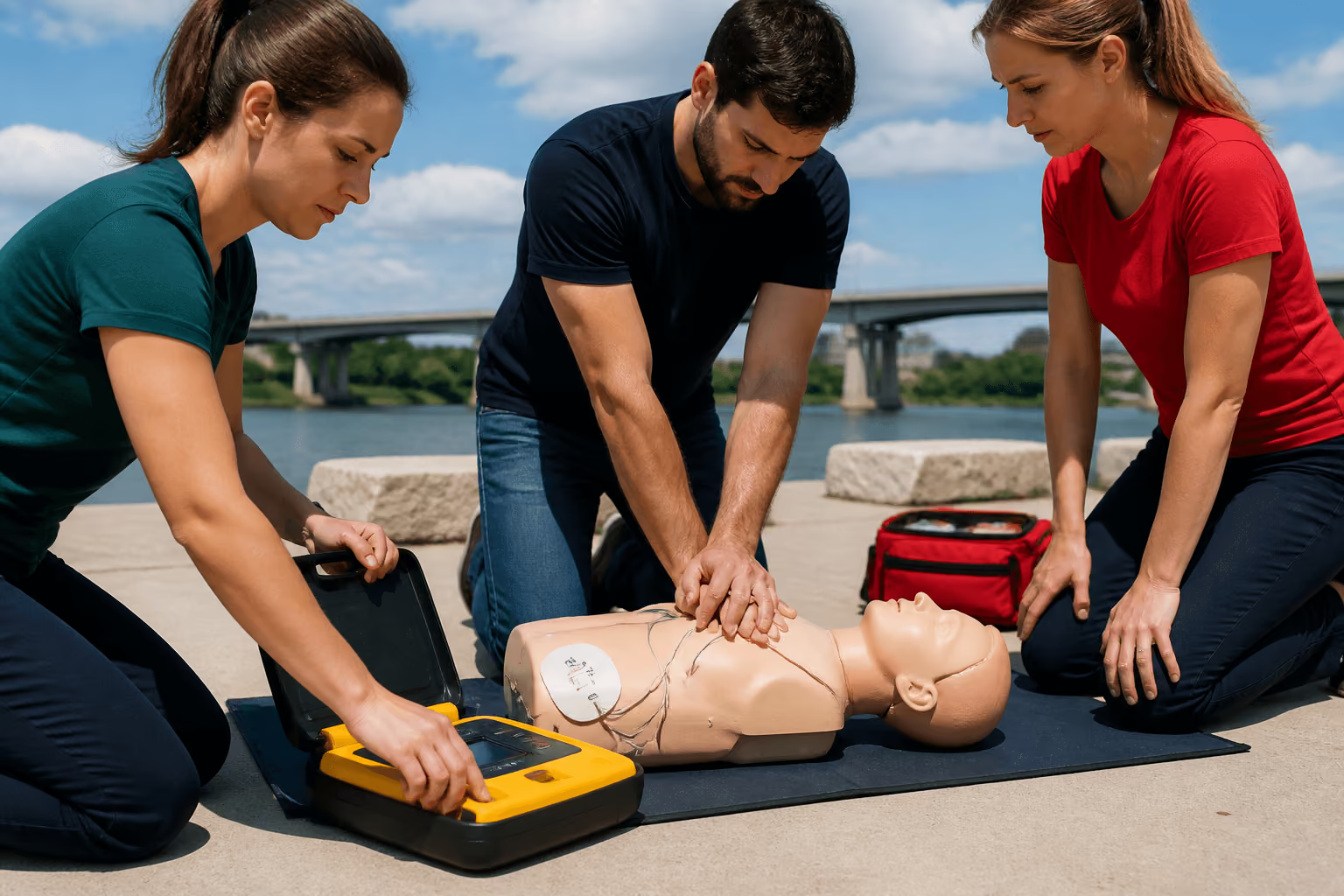
Understand how to safely and effectively operate an Automated External Defibrillator (AED) for adults, children, and infants.
Learn how to perform the Heimlich maneuver and clear airway obstructions caused by choking in both adults and infants.
Gain experience working as part of a team when more than one rescuer is available during an emergency.
Receive your AHA CPR Certification E-Card on the same day you complete the class and pass the exam.


CPR Certification Labs provides professional CPR and emergency training courses based on recognized industry standards.