Offer ends October 18.
This is some text inside of a div block.
Restart a Heart BLS Sale
RESTART99
Copy code

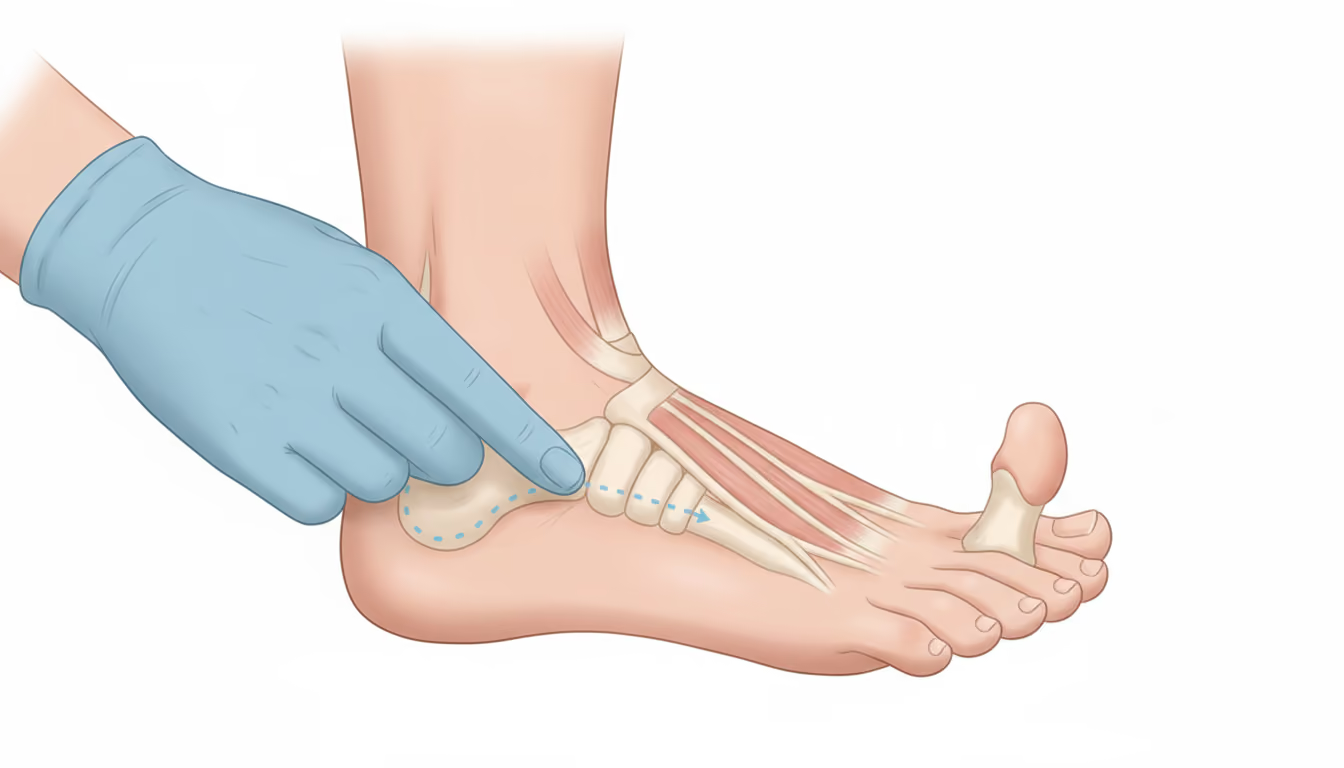
The Big Toe Response: This is a crucial neurological test that observes the reaction of the big toe (and other toes) when the sole of the foot is stimulated. If the big toe moves upward, it might indicate a problem. This response, also known as the Babinski sign, is triggered by stimulating the outer side of the foot's sole. The examiner starts at the heel and moves towards the base of the toes. There are several methods to provoke this response, one of which involves applying firm pressure using the examiner's thumb along the outer edge of the sole, from back to front. Be cautious, as overly vigorous stimulation can lead to the foot or toe withdrawing, which might be mistakenly interpreted as a positive big toe response.Newborns and young infants often show a big toe response due to their immature nervous systems. When the sole is stimulated, they naturally extend their big toe. This is normal, but as they grow, this reflex typically disappears and should not reappear under normal conditions.In older children and adults, the presence of a big toe response is abnormal and suggests an issue within the central nervous system (CNS), particularly in the pyramidal tract. If the big toe response is asymmetric, occurring on one side but not the other, it not only indicates a problem but also helps identify which side of the CNS is affected.The big toe reflex goes by several other names including the plantar reflex (as the sole is the plantar surface of the foot), the toe sign, the toe phenomenon, and the Babinski sign. It is incorrect to refer to the big toe sign as positive or negative; it is simply present or not.
Our technology delivers immediate, actionable feedback that refines your skills in real time.
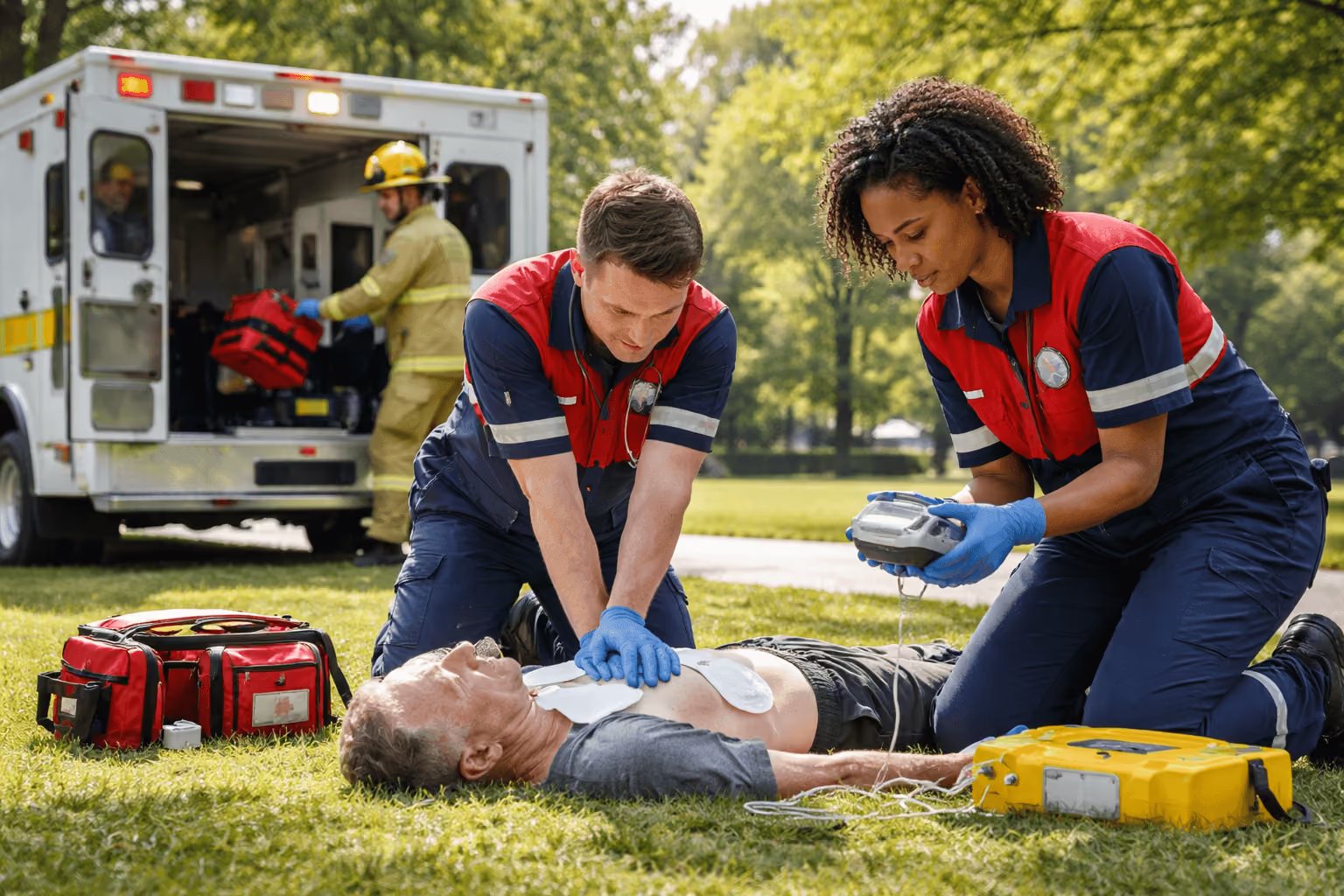
Understand how to safely and effectively operate an Automated External Defibrillator (AED) for adults, children, and infants.
Learn how to perform the Heimlich maneuver and clear airway obstructions caused by choking in both adults and infants.
Gain experience working as part of a team when more than one rescuer is available during an emergency.
Receive your AHA CPR Certification E-Card on the same day you complete the class and pass the exam.

CPR Certification Labs provides professional CPR and emergency training courses based on recognized industry standards.