Midland CPR response during a flight shows why minutes matter
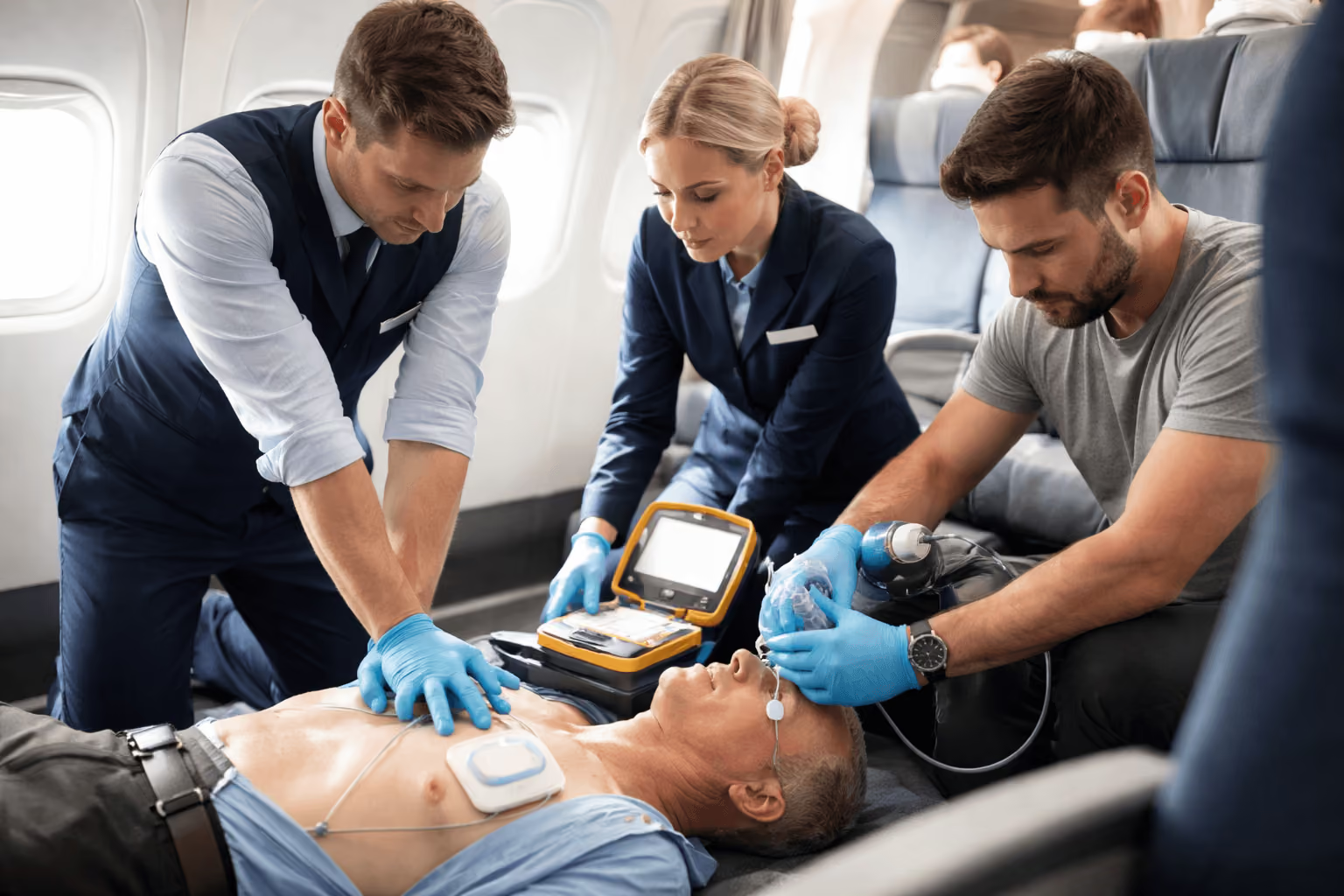
The recent Midland CPR response that helped save a passenger mid-flight is a clear reminder that cardiac arrest can happen anywhere, even before a plane leaves the gate. In this case, a Midland firefighter recognized that a passenger was in trouble, began CPR, and worked with the flight crew to use an AED while the plane returned to the gate for emergency help.
For healthcare professionals, first responders, and everyday bystanders, the lesson is straightforward: early recognition and immediate action can make a major difference in an emergency response.
What happened in the air
A passenger on a flight departing from Midland was not simply asleep or resting. A firefighter on board noticed that something was wrong, checked the situation, and found that the man had no pulse and was not breathing normally. CPR started quickly, and the crew used an AED to deliver a shock before the aircraft came back to the gate so EMS could take over.
The passenger later received hospital care for a serious heart issue. The outcome reinforced what emergency teams already know: the first few minutes after collapse are often the most important.
Why CPR and AED access matter in cardiac arrest
Cardiac arrest is not the same as a heart attack. It is a sudden loss of effective heart function and breathing that requires immediate CPR and rapid defibrillation when appropriate. Without fast action, blood flow to the brain and other organs stops within minutes.
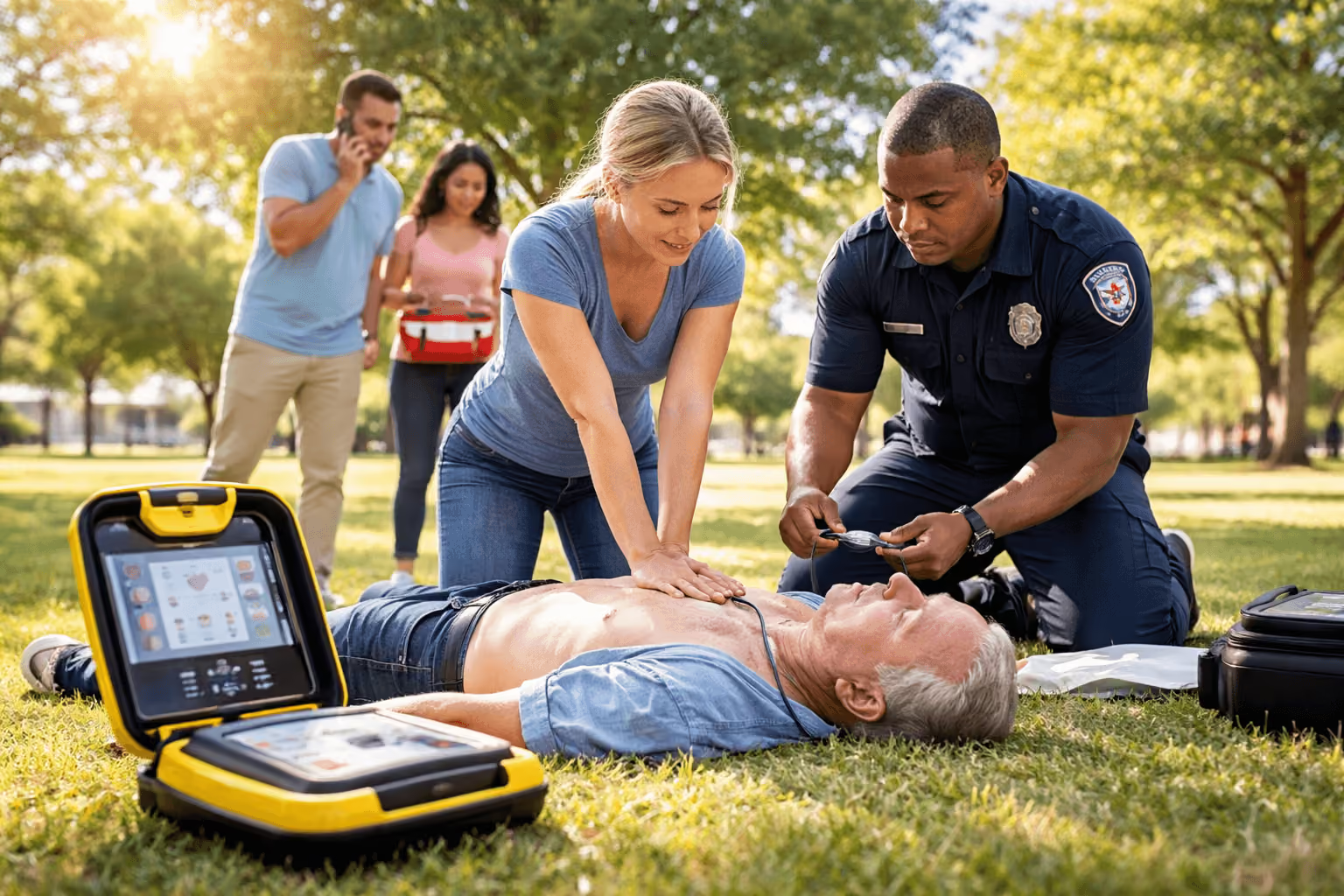
An AED is designed to guide users with clear voice prompts and can be used by trained lay responders and professionals alike. In a public setting such as an airport or airplane, an AED and a confident responder can bridge the gap until emergency medical services arrive.
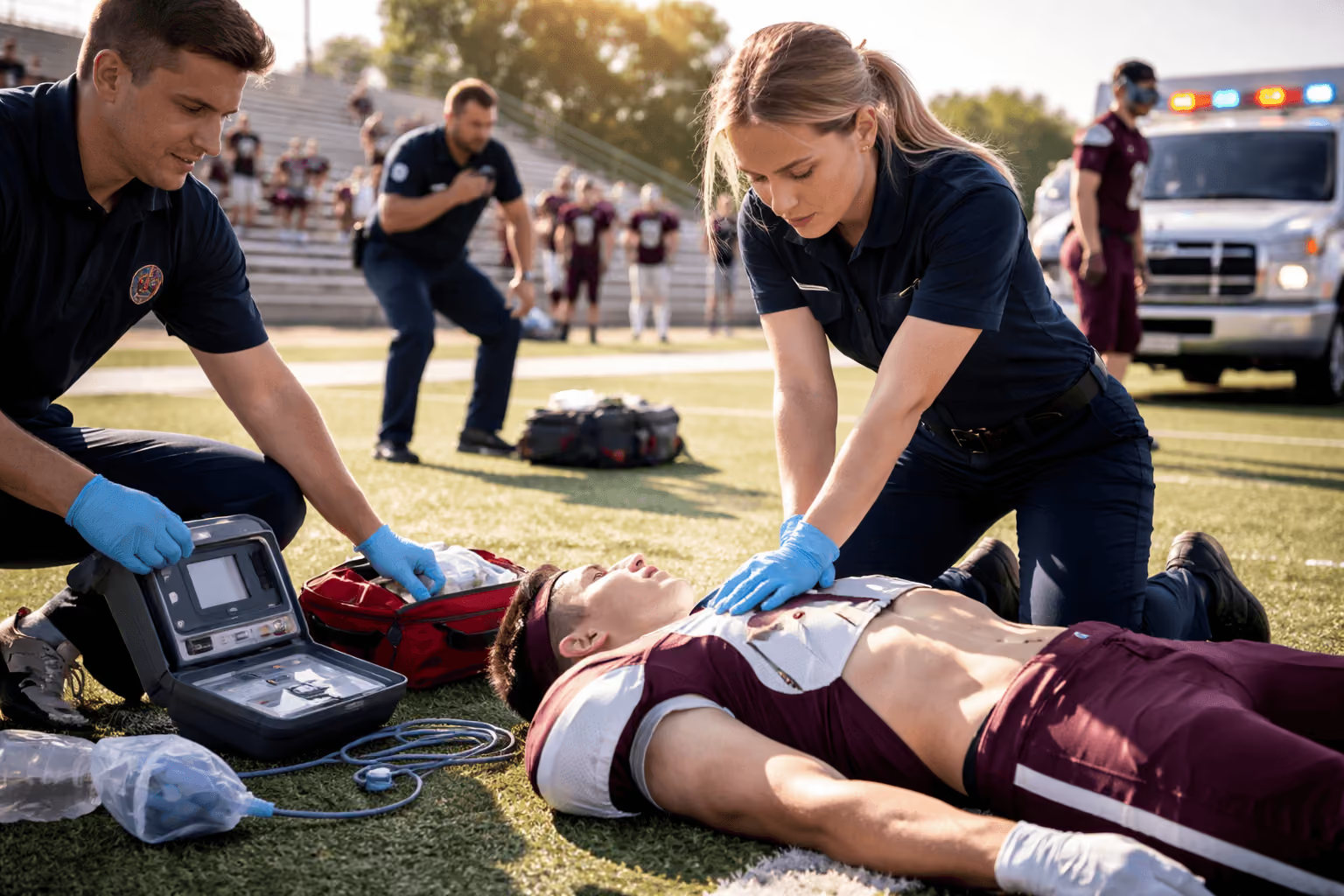
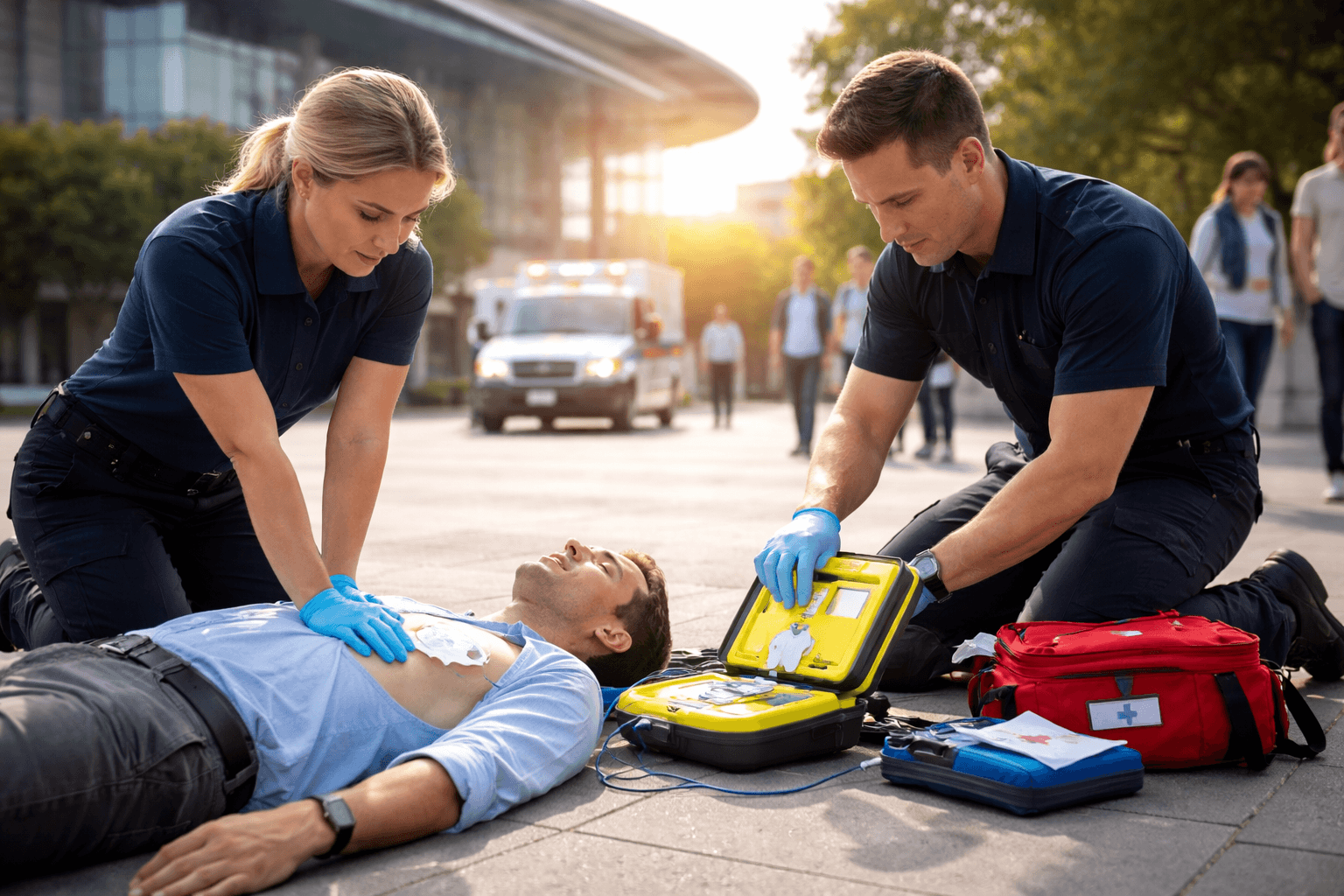
- Start CPR as soon as cardiac arrest is suspected.
- Use an AED as soon as one is available.
- Keep chest compressions going until trained help takes over.
- Stay calm, follow the device prompts, and coordinate with others.
If the person is unresponsive and not breathing normally, call 911 right away and begin emergency response steps if you are able.
Who this Midland CPR response story is for
This story matters to nurses, EMTs, firefighters, physicians, medical assistants, teachers, coaches, office staff, and parents. It also matters to anyone who travels frequently or works in places where people may need first aid before professionals arrive.
In healthcare and community settings alike, confidence comes from preparation. CPR training helps people recognize danger faster, start compressions sooner, and use an AED without freezing in the moment.
Local relevance for Midland and the surrounding area
Midland and the greater Permian Basin depend on people who are ready to respond in public, at work, and while traveling. The same skills used on a plane are the same skills needed in an office, gym, school, clinic, or restaurant. That is why local CPR and first aid education remains so important for the Midland community.
Whether you are part of a medical team or a concerned resident, learning emergency response skills helps strengthen the safety net around your family, coworkers, and neighbors.
Benefits of choosing CPR Certification Labs
CPR Certification Labs offers practical training for professionals and community members who want clear, hands-on instruction. Our courses are designed to help you understand CPR, AED use, and first aid basics in a straightforward format that supports real-world readiness.
- Convenient Midland-area training for busy schedules
- Instruction focused on real emergency response situations
- Courses suited for healthcare and workplace needs
- Simple, direct teaching from experienced instructors
If you are looking for training near you, visit our Midland office page here: Midland - Odessa office.
Nearby facilities and local references
Residents in the Midland area often think about emergency readiness in everyday places such as workplaces, schools, airports, and local gathering spots. The airport incident is a reminder that readiness does not wait for a hospital setting. The best emergency response is the one that starts immediately, with CPR, AED use, and a calm call for help.
This article is for general educational purposes only and is not a substitute for professional medical advice, diagnosis, treatment, or certified CPR training. In an emergency, call 911 immediately.
FAQ
What is the first step in a suspected cardiac arrest?
Check responsiveness, look for normal breathing, and call 911. If the person is unresponsive and not breathing normally, begin CPR and use an AED as soon as one is available.
Can an AED be used by non-medical personnel?
Yes. AEDs are built to provide step-by-step voice instructions, which is why training and confidence are so valuable during an emergency response.
Why is CPR training important for Midland residents?
Because cardiac arrest can happen anywhere, CPR training helps people in Midland respond quickly at work, at home, and in public places before EMS arrives.
How can I learn CPR near Midland?
You can find local training through CPR Certification Labs at the Midland - Odessa office, where courses focus on CPR, AED, and first aid skills for real-world situations.