Offer ends October 18.
This is some text inside of a div block.
Restart a Heart BLS Sale
RESTART99
Copy code

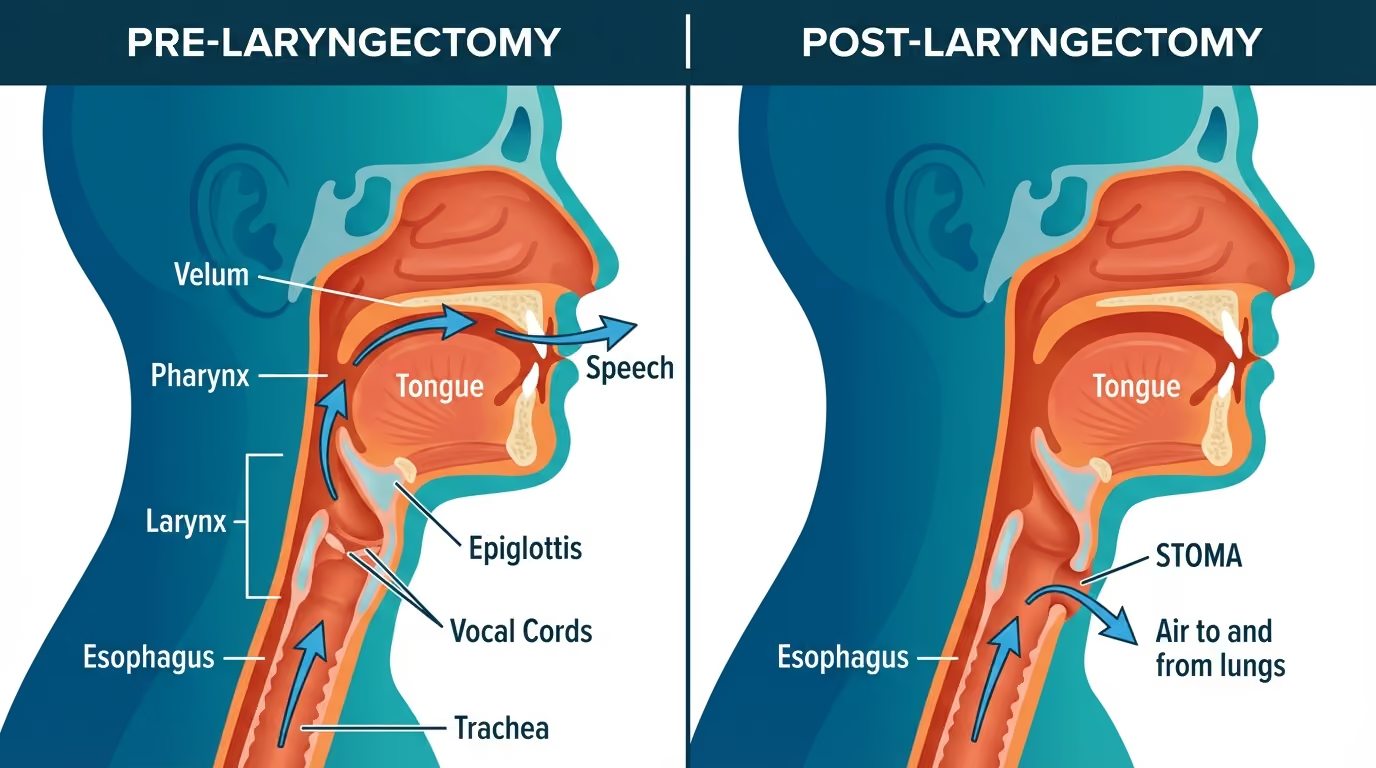
Laryngectomee: An individual who has undergone the removal of their (). In a partial laryngectomy, the voice is preserved as the surgeon takes out only a portion of the voice box, such as one vocal cord, part of a cord, or just the epiglottis. The stoma is temporary, and after a short recovery, the tracheostomy tube is taken out, allowing the stoma to close. The person is then able to breathe and speak normally, though sometimes the voice may be hoarse or weak. Conversely, in a total laryngectomy, the entire voice box is removed, resulting in a permanent stoma. The individual, known as a laryngectomee, breathes through this stoma and must learn to speak using air from the esophagus, an external device, or an implanted one.
Our technology delivers immediate, actionable feedback that refines your skills in real time.
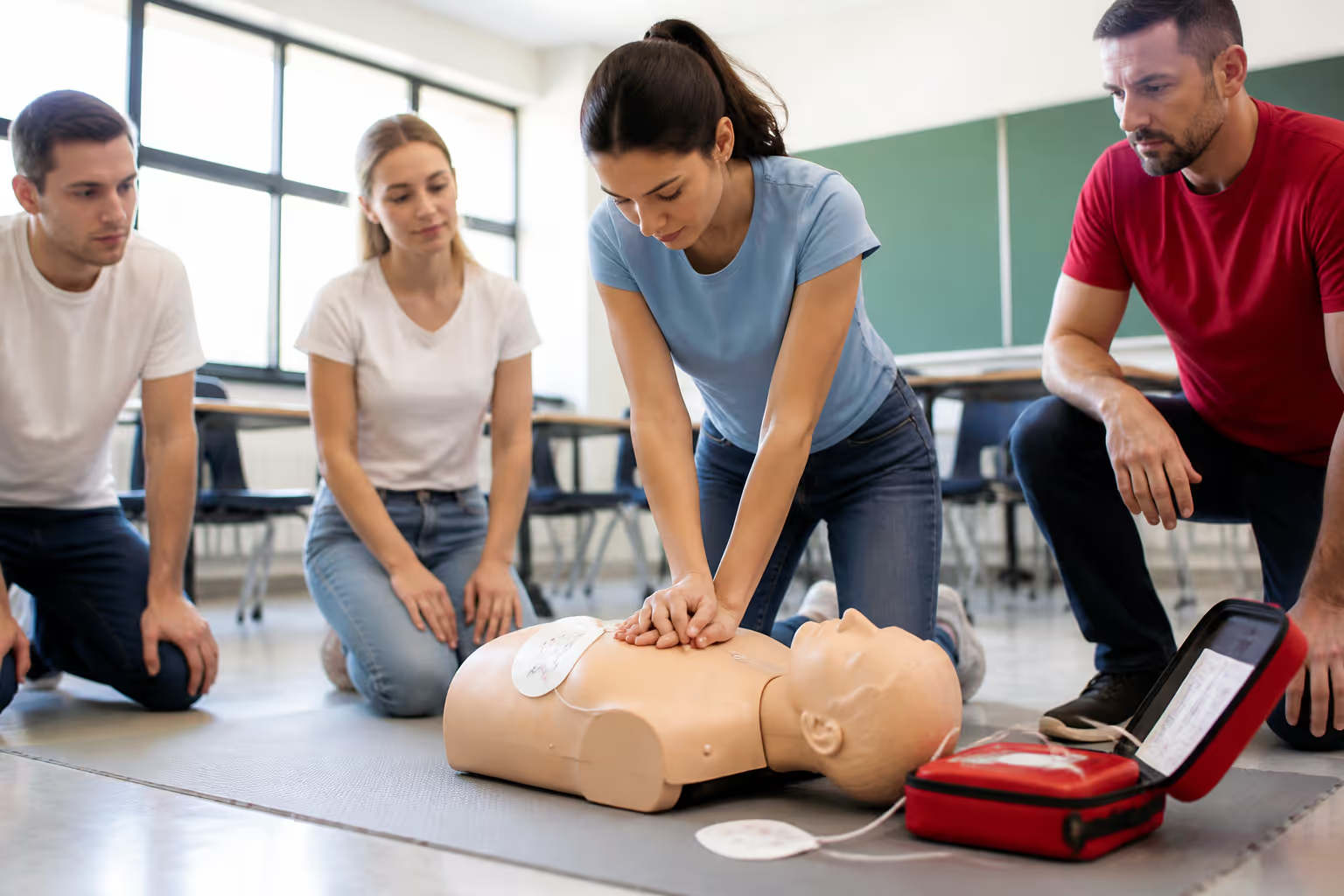
Understand how to safely and effectively operate an Automated External Defibrillator (AED) for adults, children, and infants.
Learn how to perform the Heimlich maneuver and clear airway obstructions caused by choking in both adults and infants.
Gain experience working as part of a team when more than one rescuer is available during an emergency.
Receive your AHA CPR Certification E-Card on the same day you complete the class and pass the exam.

CPR Certification Labs provides professional CPR and emergency training courses based on recognized industry standards.