Offer ends October 18.
This is some text inside of a div block.
Restart a Heart BLS Sale
RESTART99
Copy code

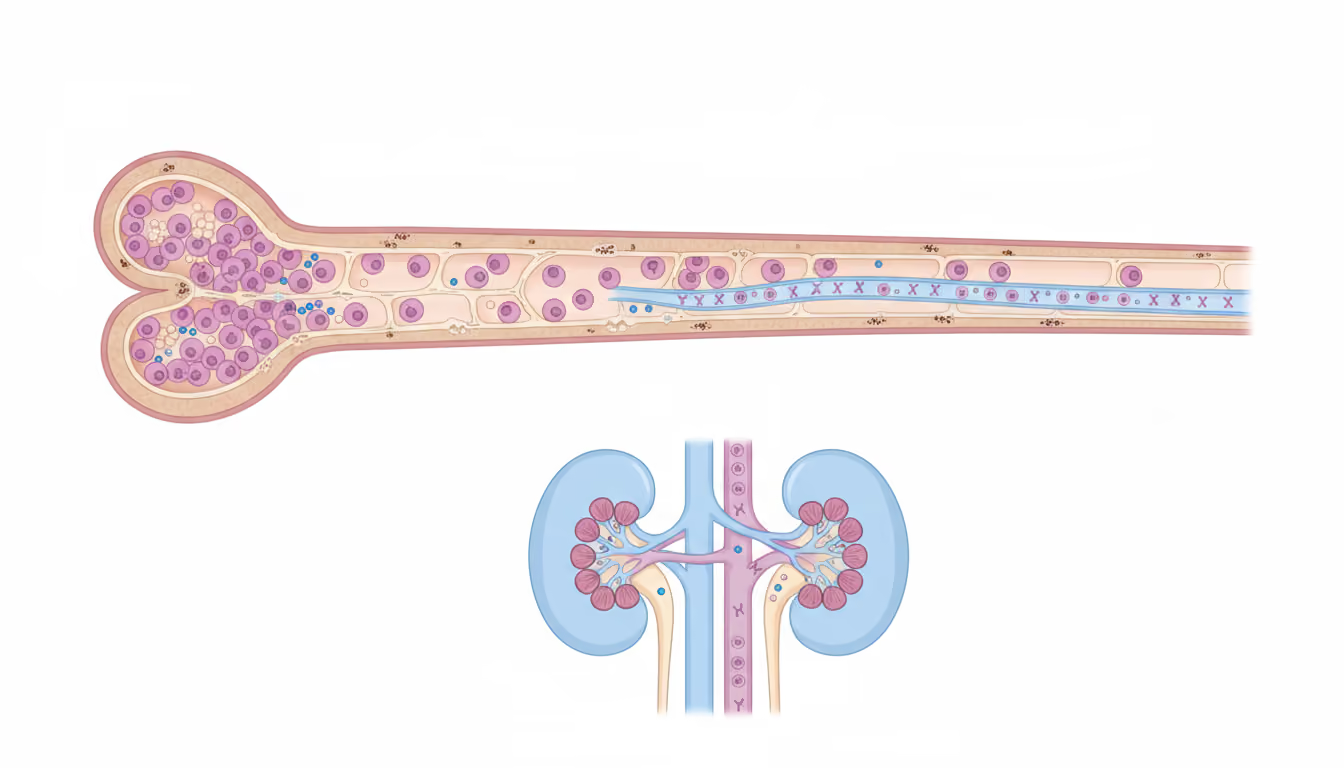
Multiple myeloma is a type of cancer affecting a specific kind of white blood cell known as plasma cells, also referred to as myeloma cells. These cancerous cells can develop into either a solitary mass called a plasmacytoma or multiple tumors. Plasma cells are crucial components of the immune system, responsible for producing antibodies. In cases of myeloma, there is an overproduction of identical plasma cells, leading to an excess of a single antibody type. As the number of myeloma cells grows, they harm and weaken bones, often resulting in pain and fractures. This bone damage releases excessive calcium into the bloodstream, causing symptoms such as reduced appetite, nausea, increased thirst, fatigue, muscle weakness, restlessness, and confusion. Additionally, myeloma cells interfere with the bone marrow's ability to produce normal plasma cells and other essential white blood cells, compromising the patient's immune system and ability to combat infections. These cells may also hinder the production of new blood cells in the marrow, leading to anemia. The excess of antibody proteins and calcium can impair kidney function, preventing them from effectively filtering and purifying the blood. Treatments primarily include chemotherapy and bone marrow transplantation. This condition is also referred to simply as myeloma or plasma cell myeloma.
Our technology delivers immediate, actionable feedback that refines your skills in real time.
Understand how to safely and effectively operate an Automated External Defibrillator (AED) for adults, children, and infants.
Learn how to perform the Heimlich maneuver and clear airway obstructions caused by choking in both adults and infants.
Gain experience working as part of a team when more than one rescuer is available during an emergency.
Receive your AHA CPR Certification E-Card on the same day you complete the class and pass the exam.

CPR Certification Labs provides professional CPR and emergency training courses based on recognized industry standards.