Offer ends October 18.
This is some text inside of a div block.
Restart a Heart BLS Sale
RESTART99
Copy code

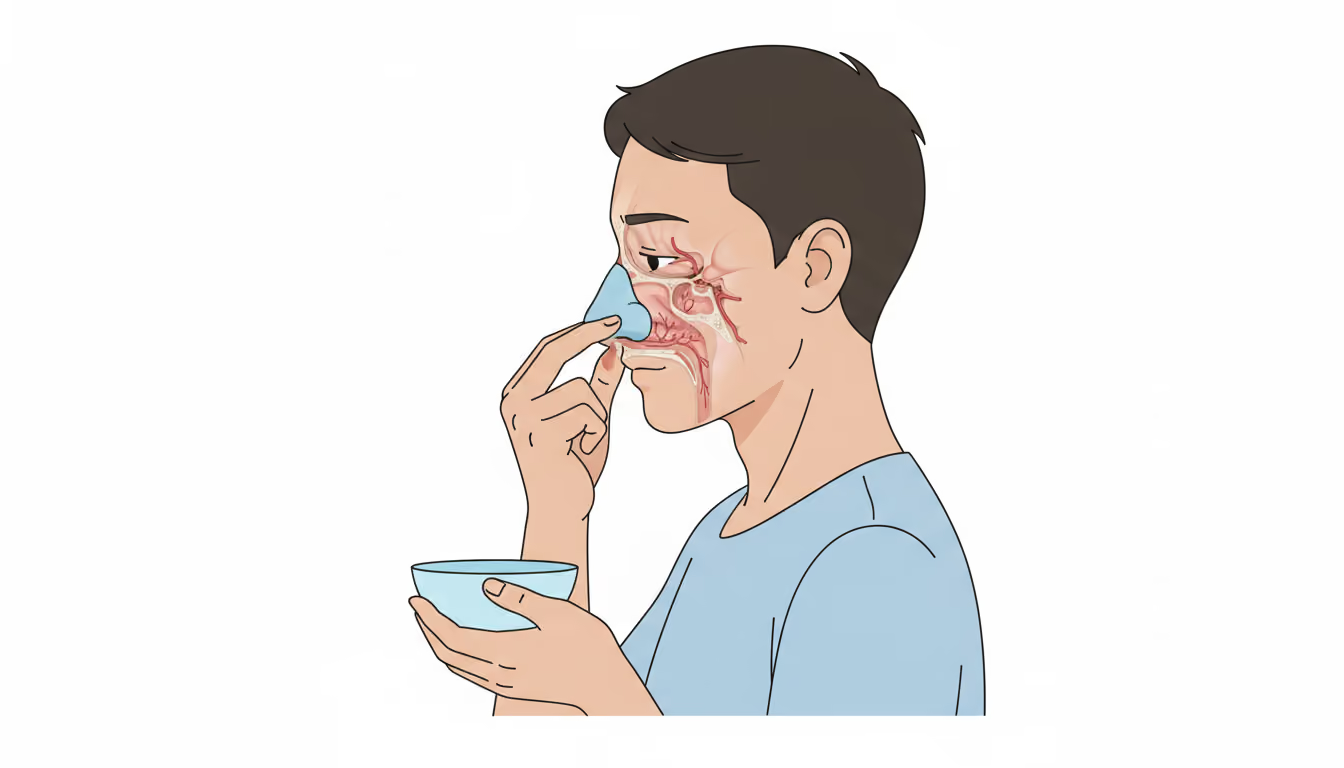
Epistaxis is the medical term for a nosebleed. The nose contains numerous blood vessels and is located in a vulnerable spot on the face, making it prone to bleeding after any facial injury, which can be severe. Nosebleeds might also happen on their own when the nasal membranes become dry, form crusts, and crack—this often occurs in arid climates or during winter when indoor air is dry and heated. Individuals taking blood-thinning medications like warfarin (Coumadin), clopidogrel bisulfate (Plavix), aspirin, or other anti-inflammatory drugs are more prone to nosebleeds. Additional risk factors include infections, trauma, allergies, alcohol abuse, and genetic bleeding disorders. The term "epistaxis" originates from the Greek word meaning "a dripping," particularly referring to blood from the nose.
Our technology delivers immediate, actionable feedback that refines your skills in real time.
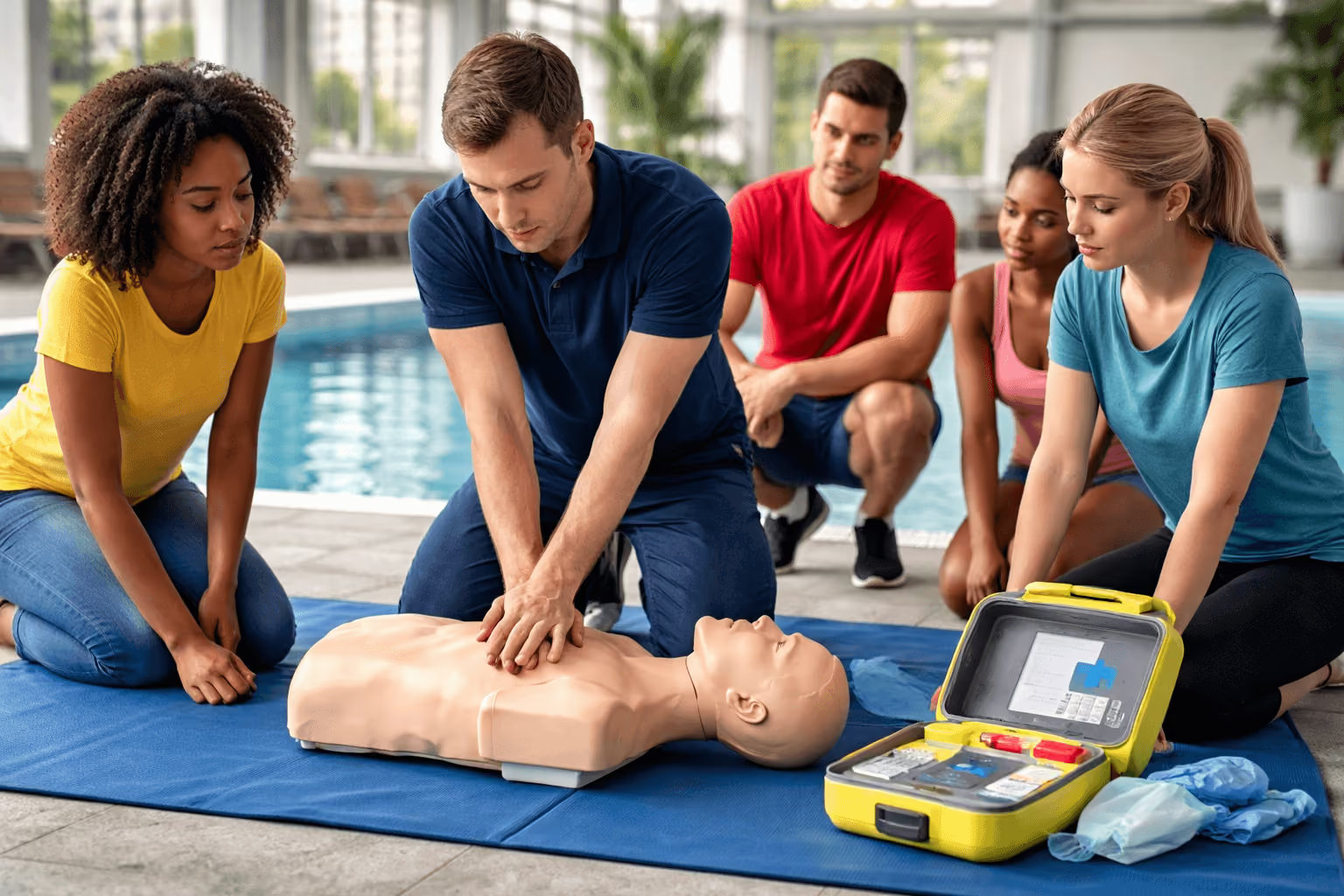
Understand how to safely and effectively operate an Automated External Defibrillator (AED) for adults, children, and infants.
Learn how to perform the Heimlich maneuver and clear airway obstructions caused by choking in both adults and infants.
Gain experience working as part of a team when more than one rescuer is available during an emergency.
Receive your AHA CPR Certification E-Card on the same day you complete the class and pass the exam.

CPR Certification Labs provides professional CPR and emergency training courses based on recognized industry standards.