Offer ends October 18.
This is some text inside of a div block.
Restart a Heart BLS Sale
RESTART99
Copy code

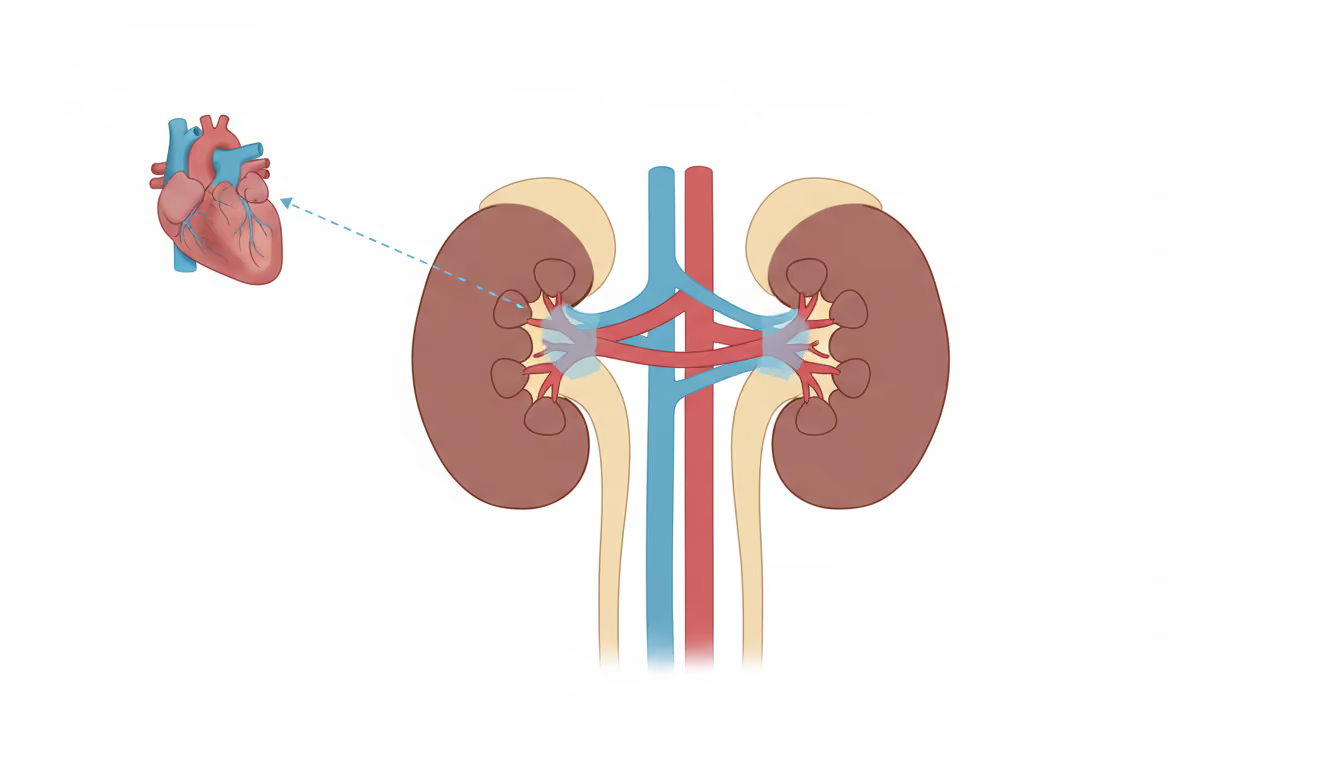
Acute renal failure, also known as acute kidney failure or more recently as acute kidney injury, is a sudden and often short-term loss of kidney function. This condition can sometimes be reversed, but depending on its cause and severity, it may become permanent, leading to chronic kidney disease or chronic renal failure. Normally, the kidneys are responsible for filtering the blood and removing waste, excess salt, and water. In cases of acute kidney failure, the kidneys abruptly cease to function.There are various reasons why this may occur, which are generally classified into three categories. The first category, pre-renal, involves causes that occur before the kidneys themselves, typically due to a reduced blood supply to the kidneys. Examples of this include conditions like dehydration, heart failure, or severe blood loss.The second category, post-renal, involves obstructions in the urinary tract that hinder urine flow from the kidneys. Common causes include prostate problems in men, tumors that directly block urine passage, or abdominal cancers that exert pressure on the ureters, which carry urine from the kidneys to the bladder.The final category, renal, pertains to direct damage to the kidneys, particularly affecting the filtering units (glomeruli) or the tubules connected to them. Causes of renal injury include infections, certain medications, cancer, autoimmune diseases, and nephrotoxic substances. Additionally, primary kidney diseases like glomerulonephritis and nephrotic syndromes, such as membranous nephropathy, can harm the kidneys and result in acute or chronic renal failure.Treatment typically focuses on supporting blood pressure and ensuring adequate blood flow to the kidneys. Offending agents should be stopped, and any harmful substances should be avoided. In severe cases, dialysis may be necessary to eliminate toxins from the body until kidney function is restored. However, if the damage is irreversible, long-term dialysis or a kidney transplant may be required.
Our technology delivers immediate, actionable feedback that refines your skills in real time.
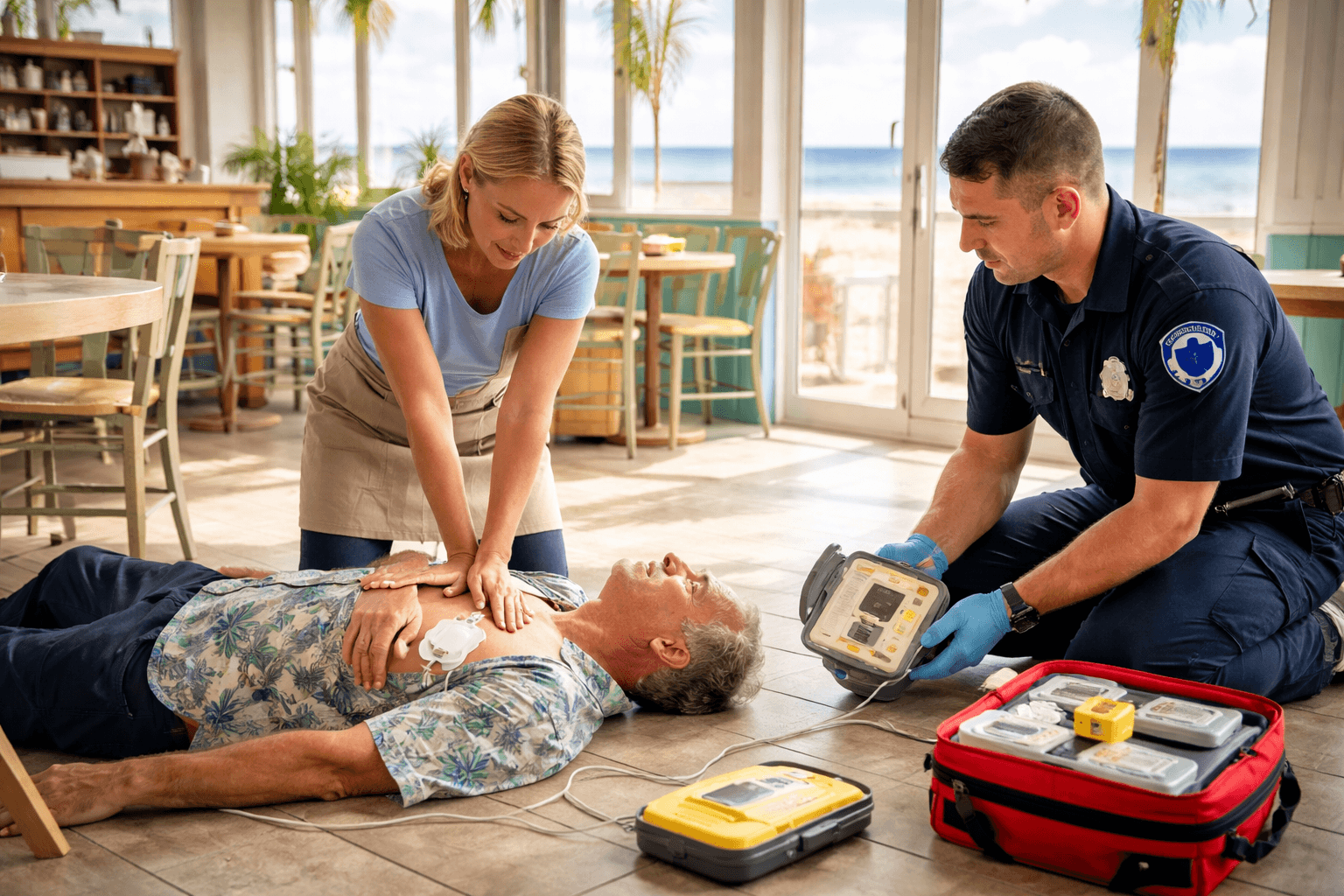
Understand how to safely and effectively operate an Automated External Defibrillator (AED) for adults, children, and infants.
Learn how to perform the Heimlich maneuver and clear airway obstructions caused by choking in both adults and infants.
Gain experience working as part of a team when more than one rescuer is available during an emergency.
Receive your AHA CPR Certification E-Card on the same day you complete the class and pass the exam.

CPR Certification Labs provides professional CPR and emergency training courses based on recognized industry standards.