Offer ends October 18.
This is some text inside of a div block.
Restart a Heart BLS Sale
RESTART99
Copy code

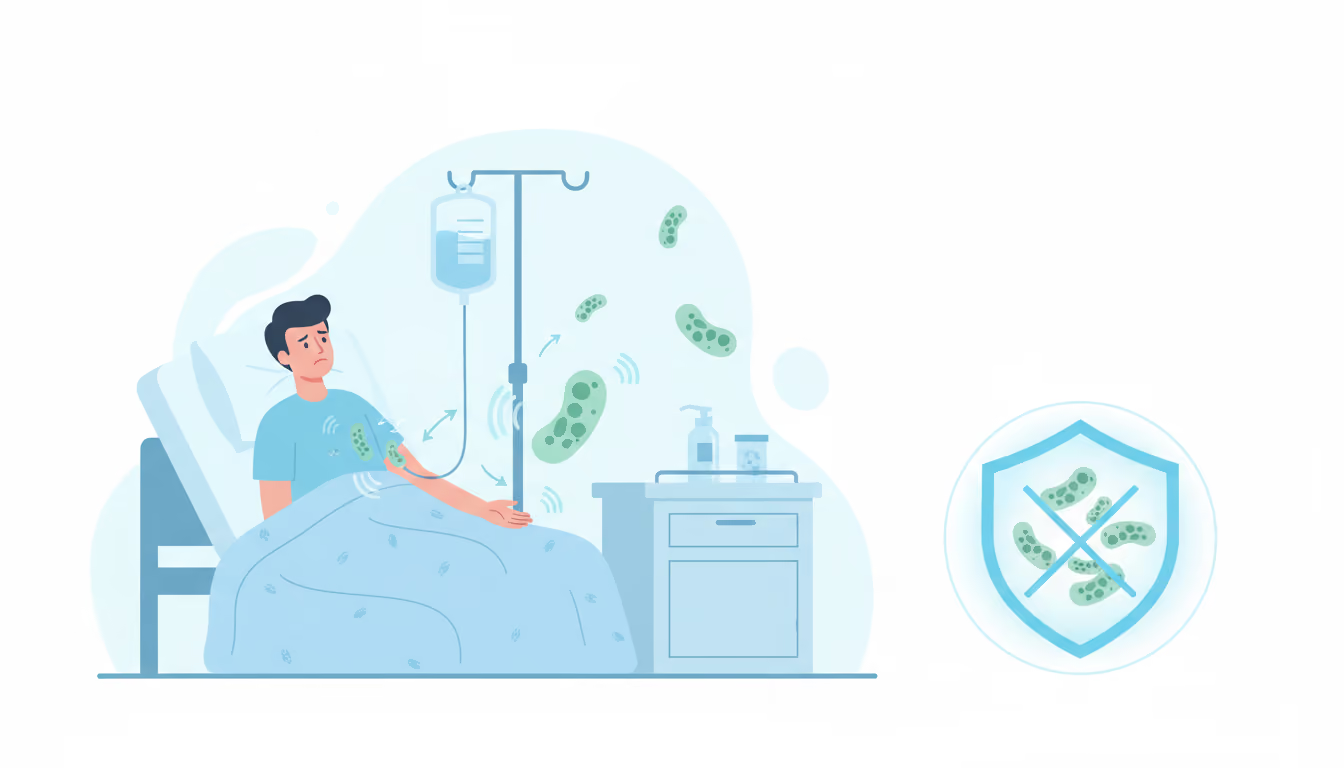
Hospital-acquired infection:This refers to an infection contracted during a stay in the hospital. The medical term for such infections is "nosocomial." Most nosocomial infections are caused by bacteria. Because antibiotics are commonly used in hospitals, the strains of bacteria and their resistance levels differ from those found outside the hospital. Nosocomial infections can be severe and challenging to treat. A nosocomial infection is explicitly one that was not present or incubating before the patient was admitted and generally appears 48 hours after hospitalization. The term "nosocomial" originates from two Greek words: "noso-" from "nosus," meaning disease, and "-comial" from "komeion," meaning to take care of. While "nosocomial" could theoretically apply to any condition acquired under medical care, it is now specifically used for infections contracted in a hospital setting.
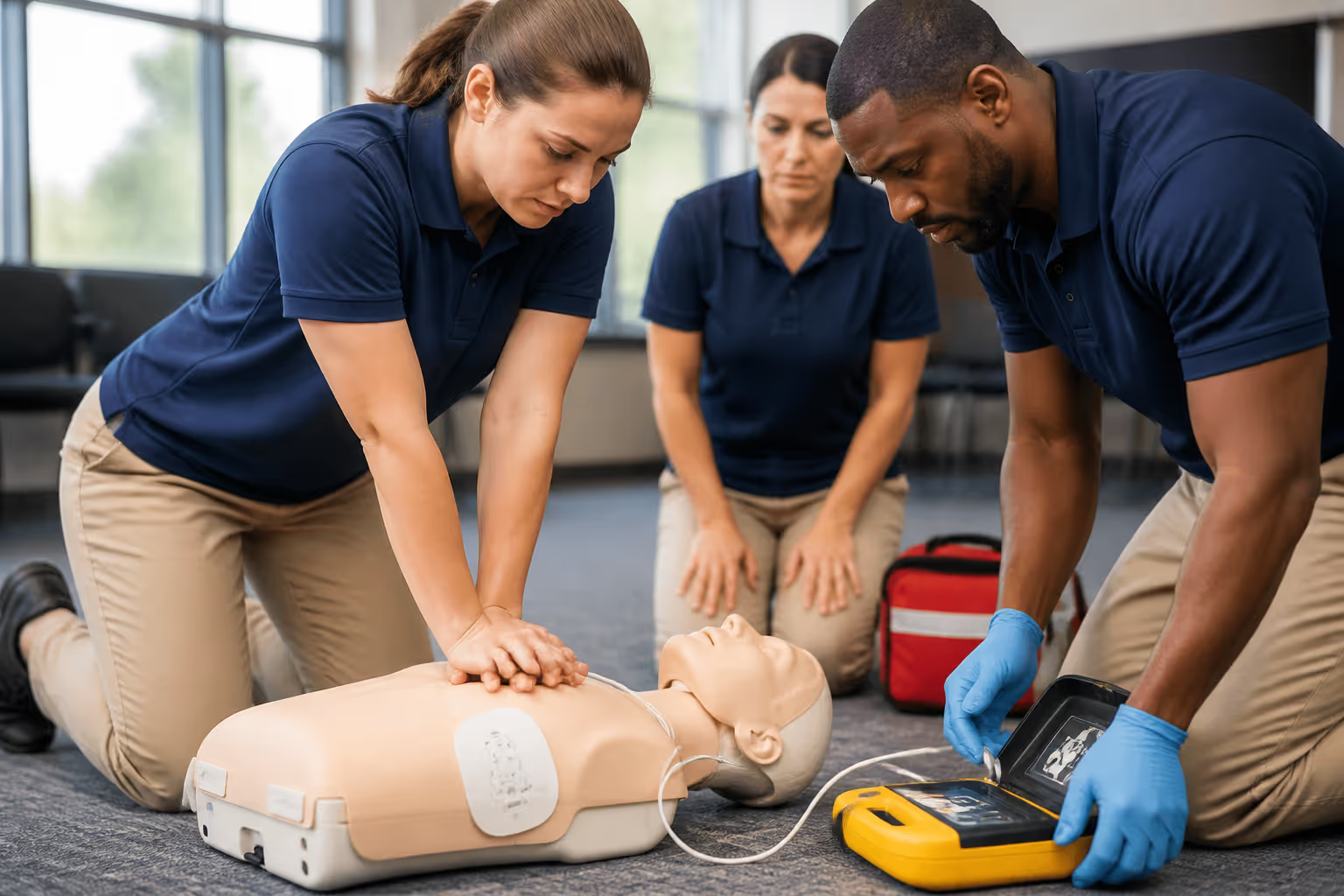
Our technology delivers immediate, actionable feedback that refines your skills in real time.
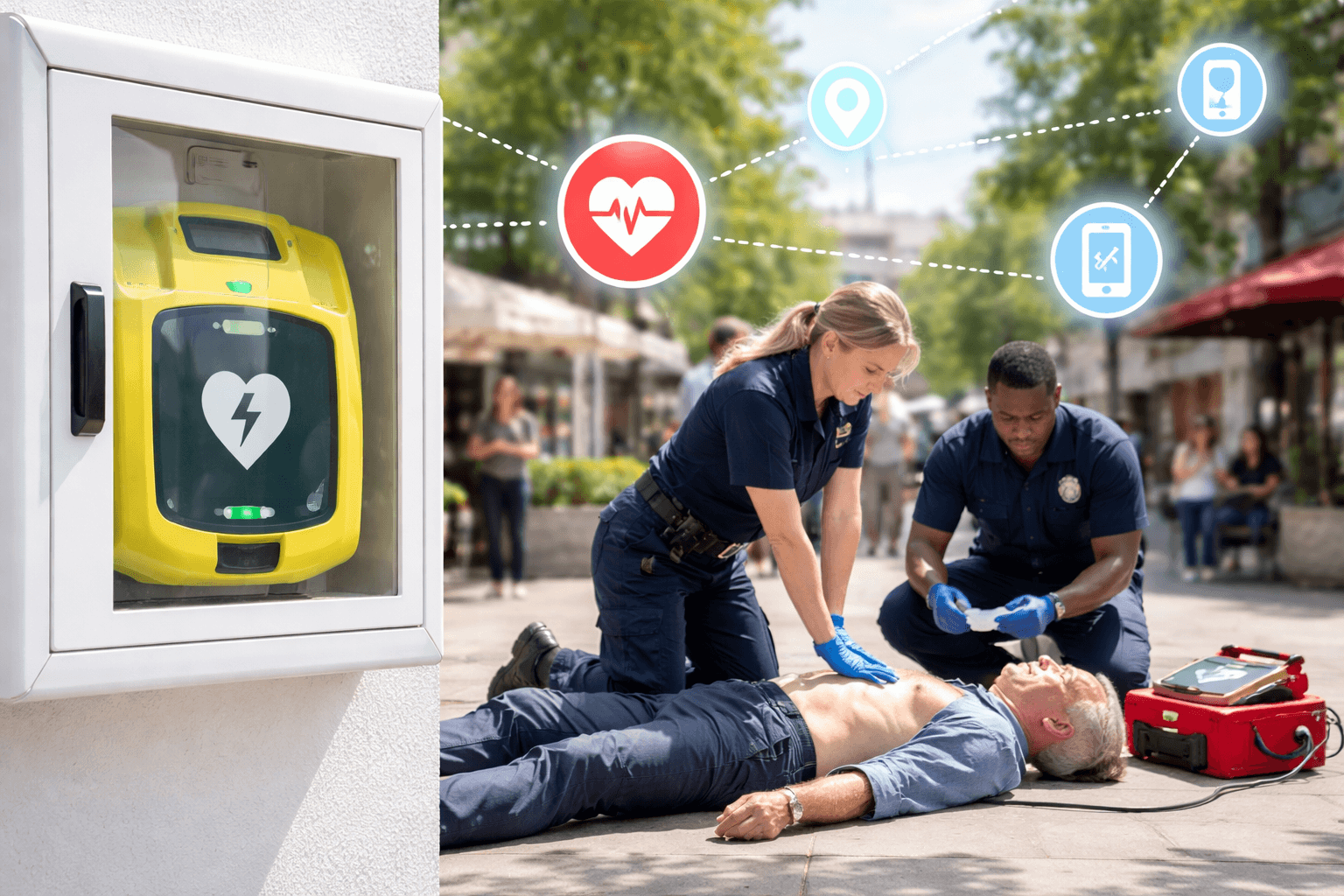
Understand how to safely and effectively operate an Automated External Defibrillator (AED) for adults, children, and infants.
Learn how to perform the Heimlich maneuver and clear airway obstructions caused by choking in both adults and infants.
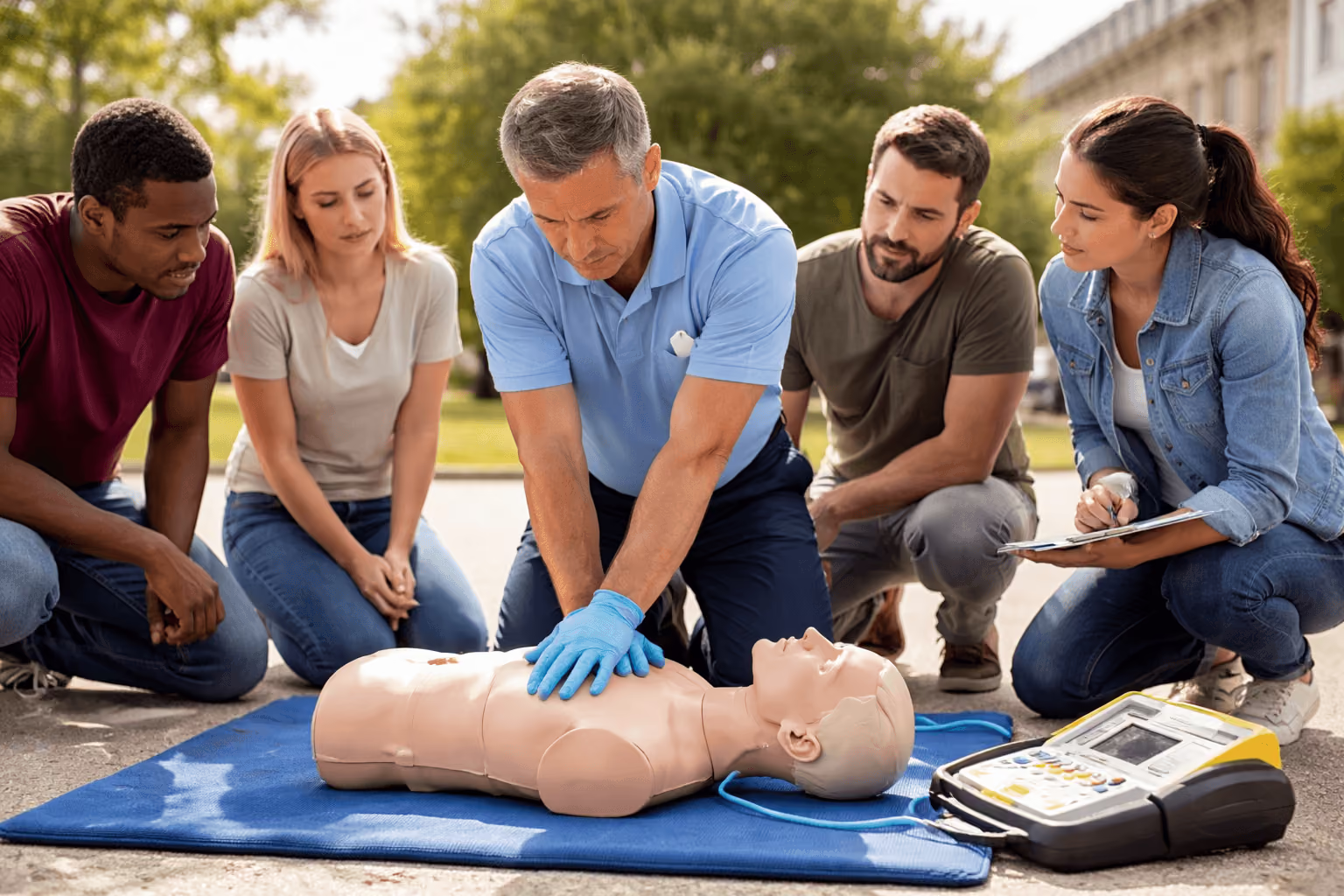
Gain experience working as part of a team when more than one rescuer is available during an emergency.
Receive your AHA CPR Certification E-Card on the same day you complete the class and pass the exam.

CPR Certification Labs provides professional CPR and emergency training courses based on recognized industry standards.