Offer ends October 18.
This is some text inside of a div block.
Restart a Heart BLS Sale
RESTART99
Copy code

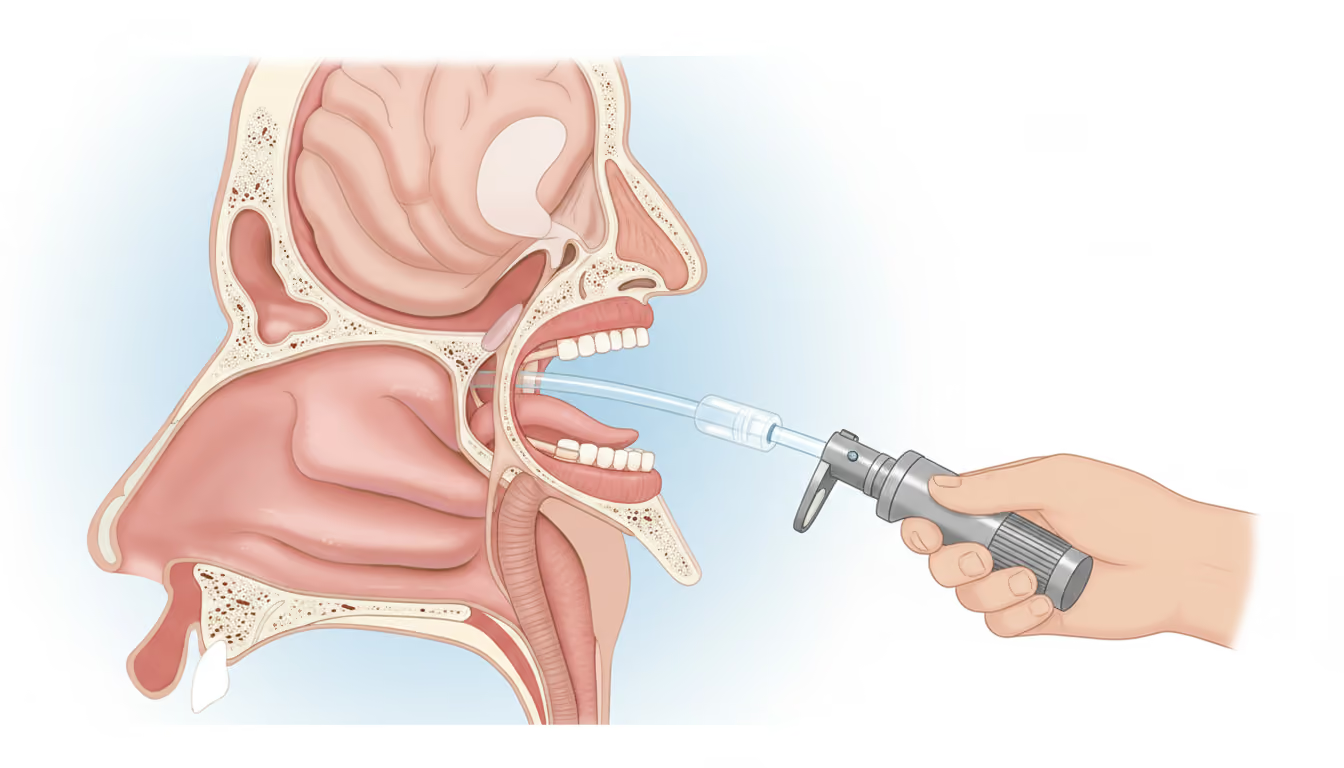
Epinephrine (also called adrenaline, and abbreviated "epi") is a hormone and emergency medication used during resuscitation to stimulate the heart and tighten blood vessels, improving blood flow to the brain and heart during cardiac arrest. It is a cornerstone drug in advanced resuscitation protocols.
In cardiac arrest, epinephrine is administered to raise coronary and cerebral perfusion pressure, increasing the likelihood of restoring a viable rhythm. It is given alongside high-quality chest compressions and, for shockable rhythms, defibrillation. Epinephrine is also the first-line treatment for severe allergic reactions (anaphylaxis), where it rapidly reverses airway swelling and dangerously low blood pressure.
Correct dosing and timing of epinephrine within the ACLS and PALS algorithms is essential. CPR Certification Labs covers medication administration in its hands-on, AHA-aligned ACLS and PALS training.
Our technology delivers immediate, actionable feedback that refines your skills in real time.
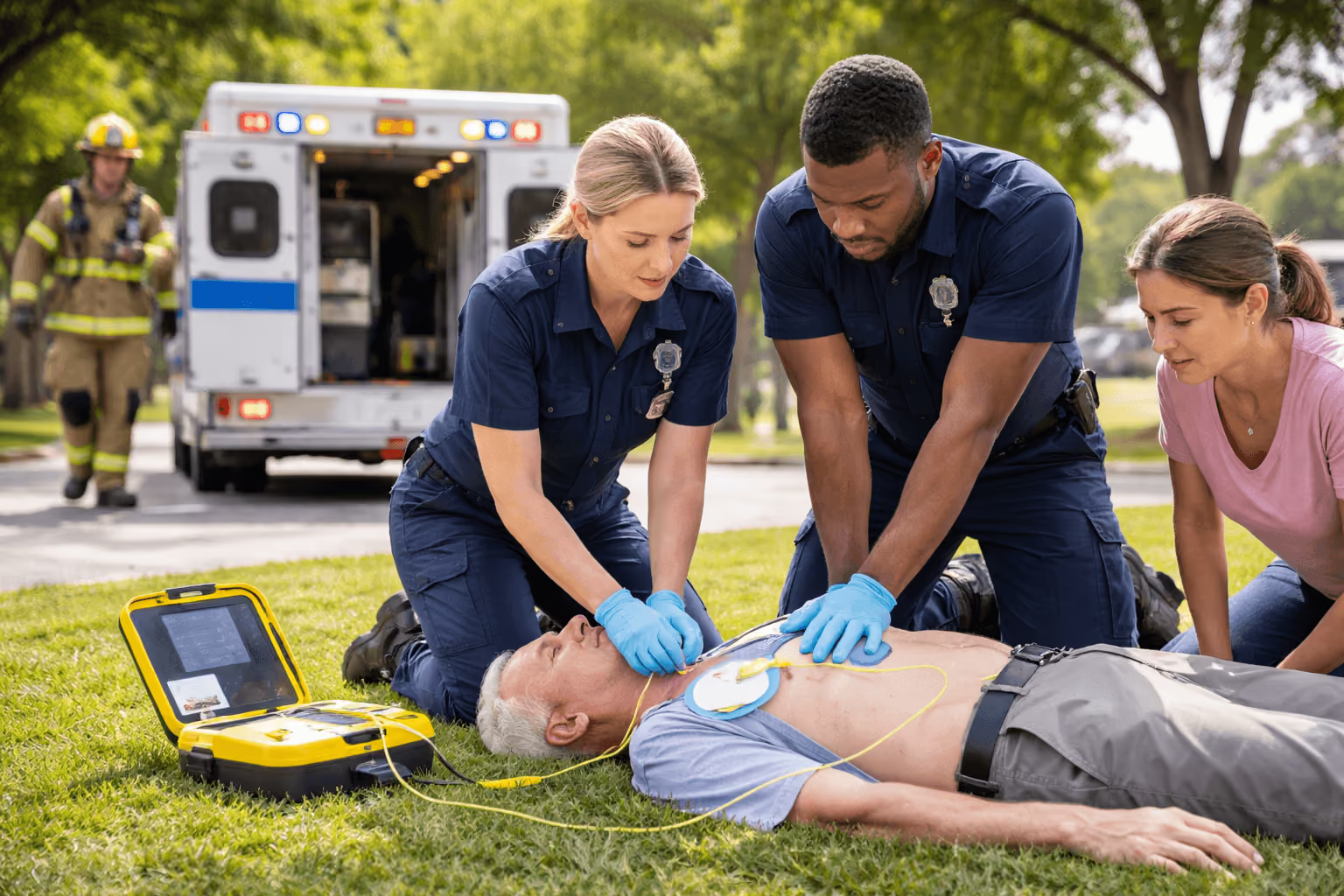
Understand how to safely and effectively operate an Automated External Defibrillator (AED) for adults, children, and infants.
Learn how to perform the Heimlich maneuver and clear airway obstructions caused by choking in both adults and infants.
Gain experience working as part of a team when more than one rescuer is available during an emergency.
Receive your AHA CPR Certification E-Card on the same day you complete the class and pass the exam.

CPR Certification Labs provides professional CPR and emergency training courses based on recognized industry standards.