Offer ends October 18.
This is some text inside of a div block.
Restart a Heart BLS Sale
RESTART99
Copy code

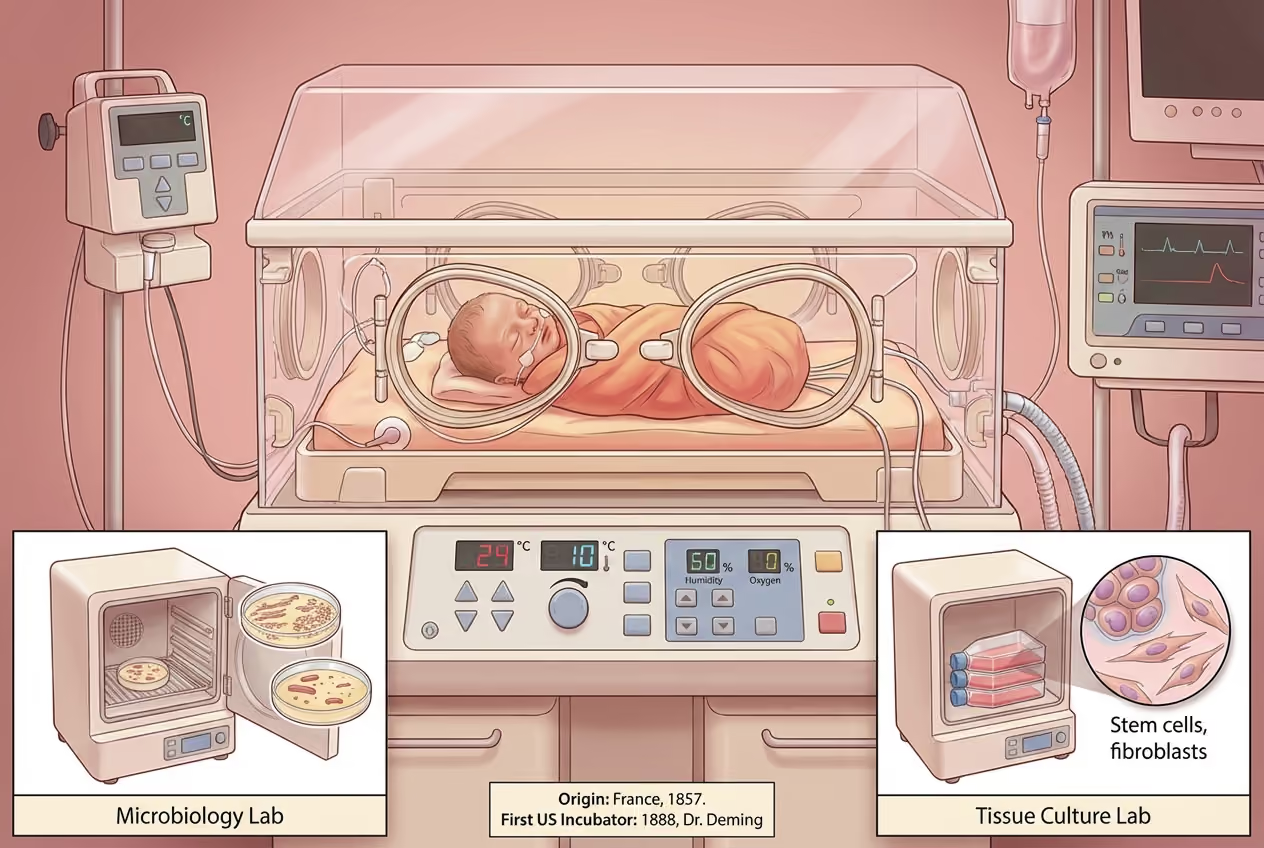
Incubator:In the field of biotechnology, an incubator is a device designed to regulate and maintain specific environmental conditions. These devices are essential in microbiology labs for the growth and study of bacteria and other microorganisms. In tissue culture laboratories, incubators are employed to cultivate various cell types, including stem cells, lymphocytes, and skin fibroblasts. In hospital settings, particularly in nurseries and neonatal intensive care units (NICUs), incubators are crucial for providing a stable environment for premature or ill newborns.The concept of incubators for infants originated in France as early as 1857. The first incubator in the United States was constructed by Dr. William Champion Deming at the State Emigrant Hospital on Ward's Island, New York. On September 7, 1888, Edith Eleanor McLean, weighing 2 pounds, 7 ounces, became the first infant to be placed in this "hatching cradle."
Our technology delivers immediate, actionable feedback that refines your skills in real time.
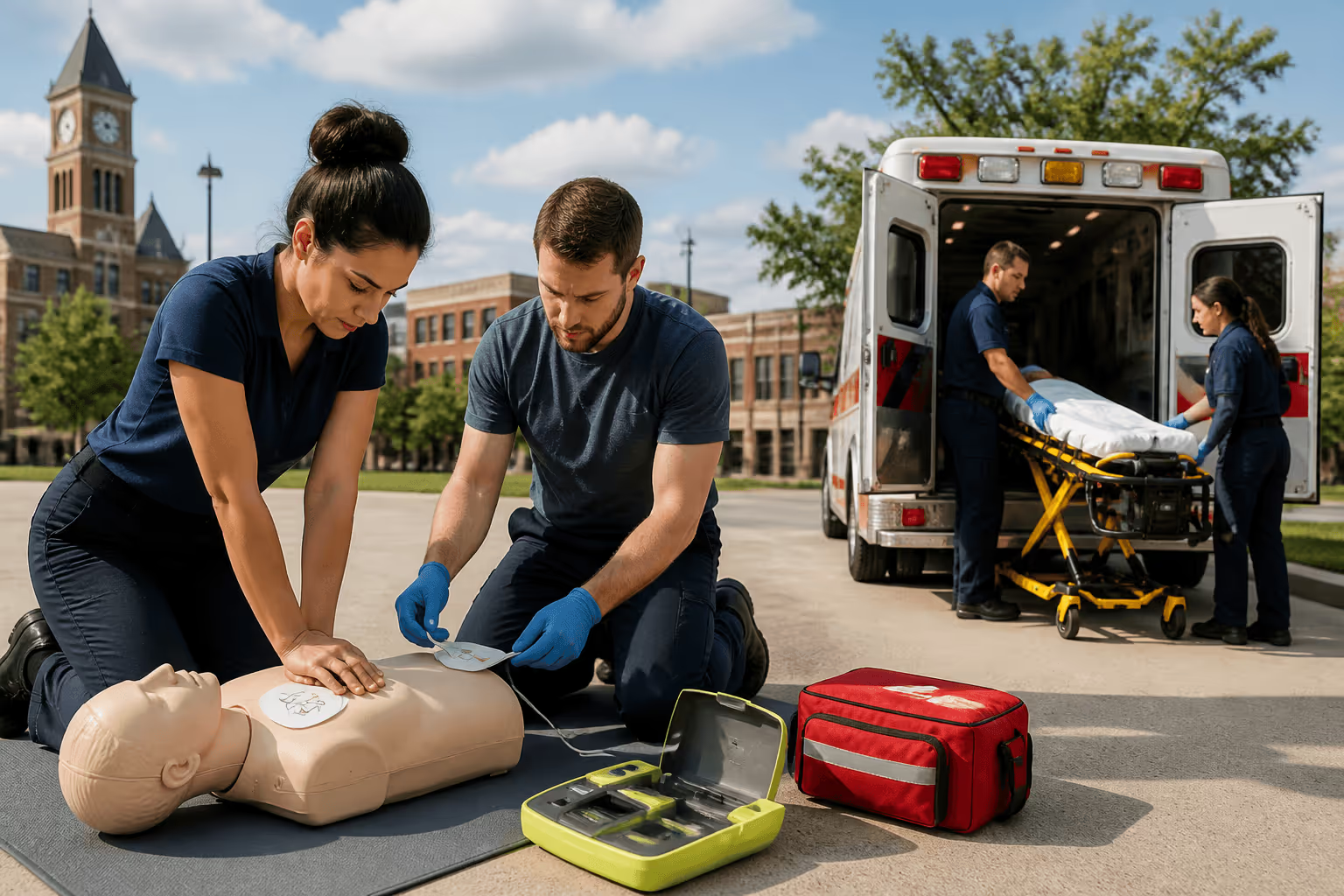
Understand how to safely and effectively operate an Automated External Defibrillator (AED) for adults, children, and infants.
Learn how to perform the Heimlich maneuver and clear airway obstructions caused by choking in both adults and infants.
Gain experience working as part of a team when more than one rescuer is available during an emergency.
Receive your AHA CPR Certification E-Card on the same day you complete the class and pass the exam.

CPR Certification Labs provides professional CPR and emergency training courses based on recognized industry standards.