Offer ends October 18.
This is some text inside of a div block.
Restart a Heart BLS Sale
RESTART99
Copy code


Transferrin is a plasma protein responsible for transporting iron through the bloodstream to the liver and other organs. Blood levels of transferrin are tested for various reasons, such as identifying the cause of anemia, assessing iron metabolism, and evaluating the blood’s iron-carrying capacity. Low levels of transferrin can hinder hemoglobin production, leading to anemia, as iron is essential for hemoglobin synthesis. This deficiency may result from insufficient transferrin production by the liver, or excessive loss through the kidneys into urine. Conditions like infections and chronic diseases can reduce transferrin levels, whereas iron deficiency anemia can cause unusually high levels. The transferrin gene is located on chromosome 3q21. A genetic condition known as atransferrinemia, marked by an absence of transferrin, leads to anemia and iron accumulation in the heart and liver, potentially damaging the heart. This anemia is usually microcytic and hypochromic, meaning red blood cells are smaller and paler than normal. Atransferrinemia is inherited as an autosomal recessive trait due to mutations in both transferrin genes. Treatment involves plasma transfusions to supply the missing transferrin.
Our technology delivers immediate, actionable feedback that refines your skills in real time.
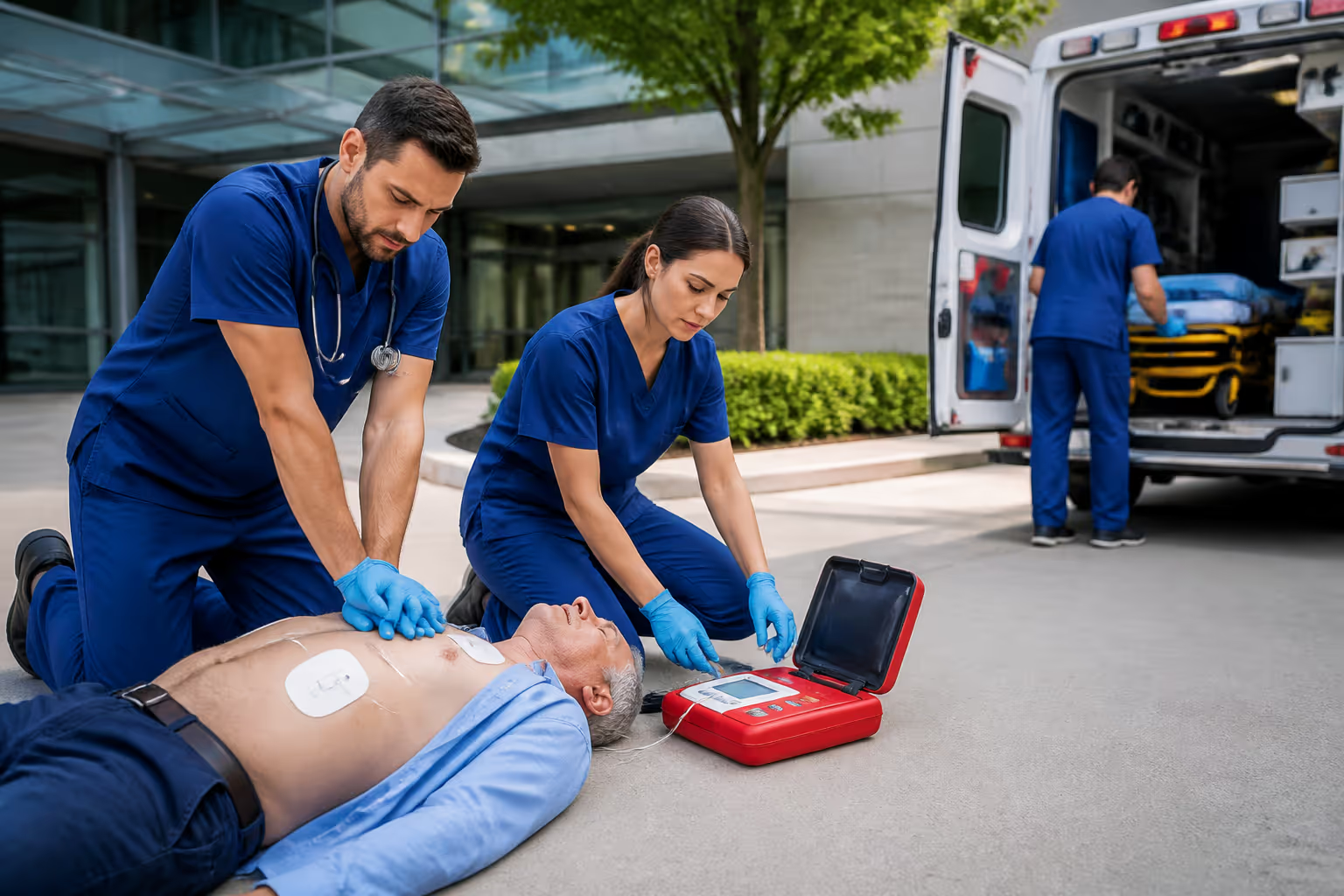
Understand how to safely and effectively operate an Automated External Defibrillator (AED) for adults, children, and infants.
Learn how to perform the Heimlich maneuver and clear airway obstructions caused by choking in both adults and infants.
Gain experience working as part of a team when more than one rescuer is available during an emergency.
Receive your AHA CPR Certification E-Card on the same day you complete the class and pass the exam.

CPR Certification Labs provides professional CPR and emergency training courses based on recognized industry standards.