Offer ends October 18.
This is some text inside of a div block.
Restart a Heart BLS Sale
RESTART99
Copy code

Consanguinity refers to a close blood connection, often associated with human inbreeding. When individuals who are closely related reproduce, it can lead to significant health issues in their children. All humans carry rare recessive genes that, when paired with similar genes, can result in genetic disorders. First cousins have a shared set of grandparents, which means there is a one in eight chance that they might inherit the same allele from the same ancestor. Consequently, marriages between first cousins, and especially among closer relatives, are typically discouraged and are illegal in many parts of the world. Unions between more distantly related individuals pose fewer risks. For families where a recessive genetic condition is known or suspected, it is recommended to undergo genetic testing and counseling, even if the degree of relatedness is minimal, such as in marriages between third or fourth cousins.
Our technology delivers immediate, actionable feedback that refines your skills in real time.
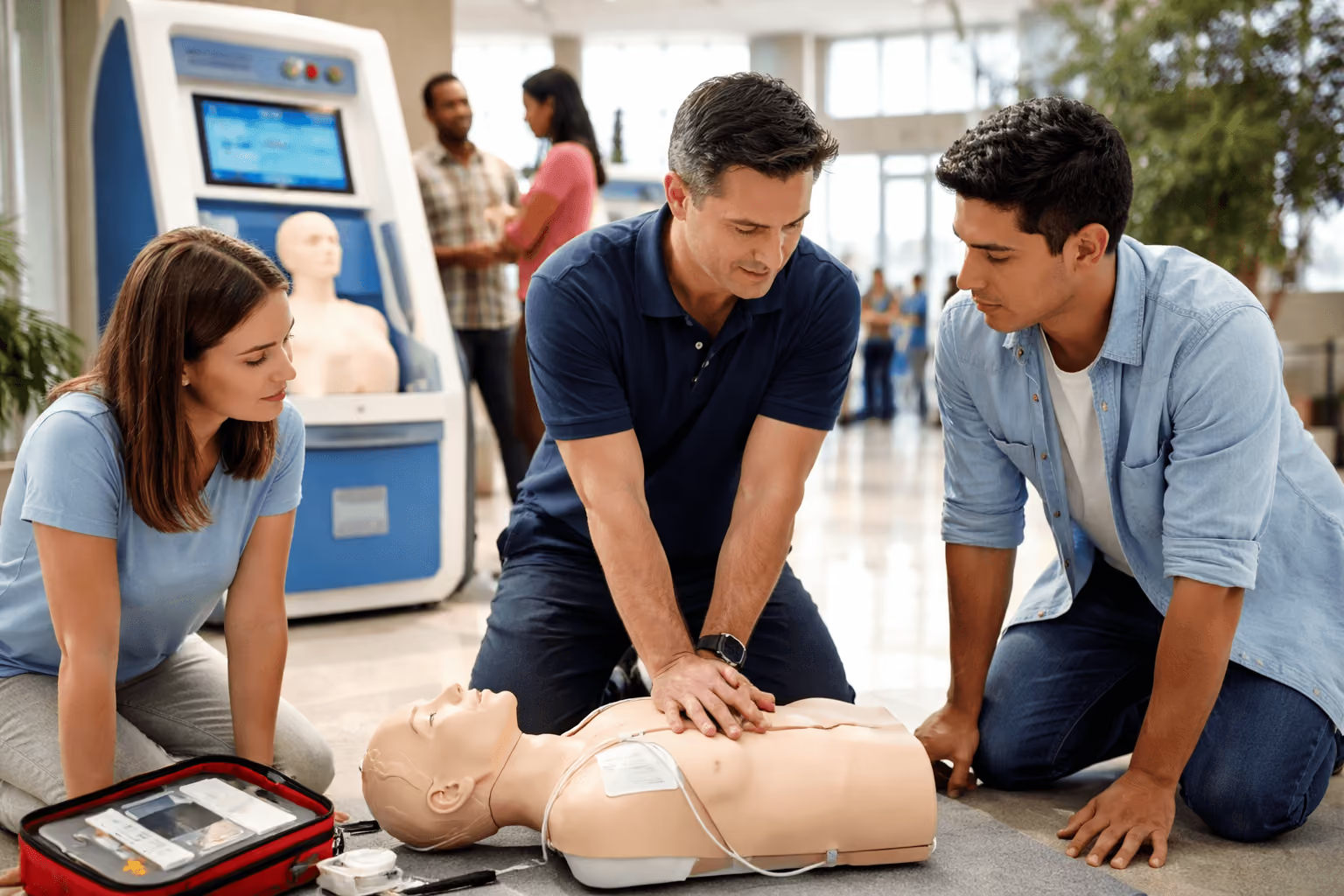
Understand how to safely and effectively operate an Automated External Defibrillator (AED) for adults, children, and infants.
Learn how to perform the Heimlich maneuver and clear airway obstructions caused by choking in both adults and infants.
Gain experience working as part of a team when more than one rescuer is available during an emergency.
Receive your AHA CPR Certification E-Card on the same day you complete the class and pass the exam.

CPR Certification Labs provides professional CPR and emergency training courses based on recognized industry standards.